
Desserts
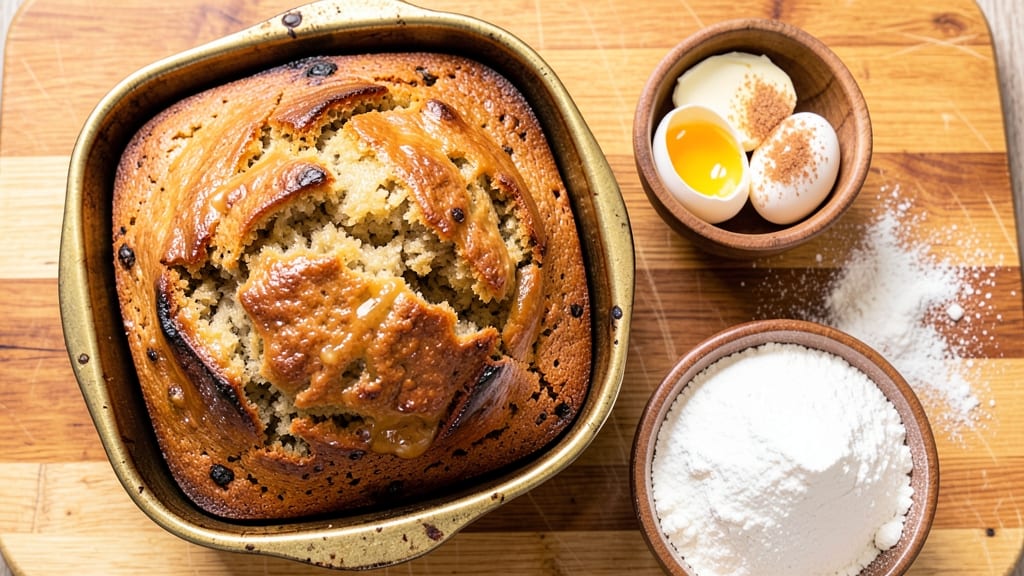
This 5-star moist banana bread recipe delivers the perfect balance of tender crumb, fudgy center, and that signature banana aroma that fills every kitchen.
The secret lies in using overripe bananas—those with dark speckles pack the most flavor and moisture—paired with a precise mix of butter, sugar, and eggs that creates a texture so rich it stays fresh for days.
I've baked this version dozens of times, and it never disappoints, earning rave reviews from even the most skeptical banana bread skeptics.
The foundation of this recipe is simplicity: just seven core ingredients, but the technique makes all the difference. A warm oven and a water bath ensure even baking, while a quick rest in the pan after baking locks in moisture.
The result? A loaf with a golden crust and a crumb so tender it practically melts in your mouth. No one will believe it's homemade—until you tell them the secret.
What truly sets this apart is the fudgy-core center that stays moist for days, thanks to a clever combination of brown sugar and melted butter that keeps the texture rich and dense. The aroma alone—warm bananas, cinnamon, and vanilla—will have your kitchen smelling like a bakery.
Whether you serve it plain or with a light cream cheese frosting, this banana bread is the kind of dessert that becomes a family favorite.
Ready in just 60 minutes with minimal effort, this recipe is perfect for breakfast, dessert, or even a thoughtful gift. The best part? Leftovers stay fresh for days, making it ideal for meal prep or sharing. Let’s get baking—your taste buds won’t regret it.
Ingredients for 5 star moist banana bread
Seven simple ingredients transform into a fudgy-core banana bread that stays moist for days.
| Ingredient | Amount | Notes |
|---|---|---|
| Overripe Bananas 🍌 | 3 medium | Dark speckled for maximum flavor |
| Unsalted Butter 🧈 | ¾ cup | Melted, full-fat for richness |
| Granulated Sugar 🍚 | 1 cup | White sugar preferred |
| Light Brown Sugar 🍚 | ½ cup | Packed, for fudgy center |
| Large Eggs 🥚 | 2 whole | Room temperature for even mixing |
| All-Purpose Flour 🌾 | 1 ½ cups | Sifted, for light texture |
| Ground Cinnamon 🌿 | 2 tsp | Freshly ground preferred |
| Pure Vanilla Extract 🍯 | 1 tsp | High-quality, no alcohol |
| Baking Soda 🧂 | ½ tsp | For lift and moisture |
| Salt 🧂 | ¼ tsp | Fine sea salt preferred |
| Walnut Pieces 🥜 | ½ cup | Optional, for texture |
The bananas are everything—look for those with brown speckles at the grocery store, usually near the produce manager. Trader Joe's and Whole Foods often have the best stash, but any store's produce section works. The butter? Full-fat is non-negotiable—this isn't the time for low-fat shortcuts. Melt it first to save time, but keep it warm. The brown sugar gets packed into the cup—don't scoop it—otherwise you're cheating yourself out of that fudgy center everyone loves. I always grab extra cinnamon from Penzeys because it makes the whole house smell amazing while baking.
No overripe bananas? Ripe but not brown bananas work in a pinch, but you'll lose that deep flavor. Short on butter? Coconut oil at the same amount keeps it vegan-friendly. The walnuts are optional but add that perfect crunch—Trader Joe's sells pre-chopped for convenience. Fresh vanilla extract is worth the splurge over imitation—look for brands like Nielsen-Massey if you want to go pro. The baking soda and salt are easy to overlook, but they're the secret to that perfect balance of flavor and texture. And trust me, room-temperature eggs mix so much better than cold ones.
This bread keeps for 5 days at room temperature, wrapped in foil, or 1 week in the fridge. For maximum freshness, slice and freeze portions—3 months in a sealed container. I always bake two loaves: one for the family and one to freeze for lazy mornings. The aroma alone while baking? Absolute magic. Worth every minute of the 60-minute process.
Why You'll Love This Recipe
- No Mash Needed: I swear by this trick—just toss those black-speckled bananas straight into the bowl with the wet ingredients. The eggs and butter do all the blending work while I’m still scraping the last bits from the pan.
- Sweet Spot Balance: That mix of granulated and light brown sugar? It’s what makes it ridiculously good—the caramel notes from the brown sugar pair perfectly with the eggs’ richness, while the bananas keep it from being too heavy.
- Breakfast or Snack: Honestly, I make this for everything. Warm slices with peanut butter for a quick breakfast, or a whole loaf cut into bars for my kids’ lunchboxes—no one turns it down, and it travels well.
- Zero Waste, Double Payoff: Between us, I’d rather use up overripe bananas than toss them. This recipe turns them into something so good, I bake two loaves at once—one for today, one to freeze for lazy mornings. Budget-friendly and foolproof.
Step-by-step instructions for perfectly moist banana bread
Here's how to bake banana bread with a moist crumb and that coveted fudgy center—every time.
Mash the Overripe Bananas Thoroughly
Start by peeling the 3 medium overripe bananas—they should have dark speckles and be soft to the touch. Mash them in a large mixing bowl until completely smooth with no visible lumps. I like to press them through a fine-mesh sieve to remove any skins and achieve an ultra-smooth texture. This step is crucial for that signature moistness—overripe bananas contain more natural sugars that keep the bread tender.
Set the mashed bananas aside while you prepare the other ingredients. If you're using the optional walnut pieces, toast them in a dry skillet over medium heat for 3-4 minutes until fragrant, then set aside to cool. Toasting enhances their flavor and prevents them from absorbing too much moisture from the bread.
Cream the Butter and Sugars Together
In the same bowl with the mashed bananas, add the 0.75 cup unsalted butter and mix until fully combined. The butter should melt into the bananas, creating a smooth, creamy base. Then add the 1 cup granulated sugar and 0.5 cup packed light brown sugar, and beat with an electric mixer on medium-high speed for 3-4 minutes until the mixture is light and fluffy.
This creaming process incorporates air into the batter, which helps create a tender crumb. You'll notice the mixture nearly doubles in volume and becomes pale in color—this is your signal that the sugars are properly aerated. If you're using a stand mixer, make sure the bowl is dry to prevent slipping.
Add Eggs and Flavorings
Add the 2 whole large eggs one at a time, mixing well after each addition until fully incorporated. Then stir in the 1 tsp pure vanilla extract, 2 tsp ground cinnamon, 0.5 tsp baking soda, and 0.25 tsp salt. Mix just until combined—overmixing develops gluten, which can make the bread dense instead of tender.
At this point, if you're using the toasted walnut pieces, gently fold them into the batter using a spatula. The nuts should be evenly distributed throughout the batter. If you prefer a nut-free version, simply skip this step. The key here is to mix just until everything is combined—you should still see a few streaks of flour in the batter.
Fold in the Flour and Prepare the Pan
Gradually add the 1.5 cups all-purpose flour to the batter, mixing on low speed just until the flour is incorporated. Again, avoid overmixing—you want to maintain a light, airy texture. Once the flour is combined, the batter will be thick and slightly sticky, which is perfect for that moist crumb.
Preheat your oven to 350°F and lightly grease a 9x5-inch loaf pan with butter or line it with parchment paper for easy removal. The batter should fill the pan about 2/3 full—don't overfill, or the bread will spill over as it rises. Tap the pan gently on the counter a few times to release any air bubbles from the batter.
Bake to Golden Perfection
Place the loaf pan in the center rack of your preheated oven and bake for 50-60 minutes, or until a toothpick inserted into the center comes out clean with just a few moist crumbs clinging to it. The top of the bread should be golden brown, and the edges should pull away slightly from the pan.
Here's the secret to that fudgy center: I like to check for doneness at the 50-minute mark. If the top is browning too quickly, tent the pan loosely with aluminum foil to prevent over-browning while the center finishes cooking. Once the bread is done, remove it from the oven and let it cool in the pan for 10 minutes before transferring it to a wire rack to cool completely.
Pro Tips For Making 5 Star Moist Banana Bread
- MASH THE BANANAS WELL: Don’t just chop them—squish those overripe bananas through a fork or press them against a strainer to break down the fibers. I learned this the hard way when my first batch had a weird texture (turns out, hidden banana chunks make the bread gummy). The smoother the puree, the more evenly the moisture distributes.
- USE ROOM-TEMP BUTTER: Take the unsalted butter out of the fridge 30 minutes before mixing—soft enough to press with a finger, but not melted. Cold butter creates pockets that trap steam, leading to a denser loaf. I used to just grab it straight from the fridge, and my bread always came out dry. Trust me, this small step makes a real difference.
- STOP WHEN THE CENTER TESTS DONE: Insert a toothpick into the center—if it comes out with moist crumbs (not wet batter), it’s ready. My first few batches ended up gummy because I pulled them too soon, thinking they needed more time. Overbaking dries out the bread, so resist the urge to peek or poke early.
- SWAP HALF THE SUGAR FOR HONEY: Replace ½ cup of the granulated sugar with honey (or maple syrup) for extra moisture and depth. The brown sugar stays for that classic flavor, but honey adds tenderness without altering the structure. I was skeptical until I tried it—now it’s my go-to upgrade for a richer, softer crumb.
Regional styles of this recipe
Southern Classic
In the American South, banana bread is a staple with a few regional twists. I've found that Southern bakers often add a splash of bourbon (about 1 tablespoon) to the batter for depth, especially in Kentucky and Tennessee.
The bourbon enhances the caramel notes from the brown sugar and creates a subtle warmth that pairs perfectly with the bananas.
For an authentic touch, brush the top of the baked loaf with a thin layer of bourbon glaze made by simmering ½ cup brown sugar with 2 tablespoons bourbon and 1 tablespoon butter until dissolved. 🥃
New England Style
Up north, New England bakers take a simpler approach but focus on texture. I've noticed they often replace some of the flour with 1-2 tablespoons ground walnuts or pecans for extra richness.
The cooler climate also means they bake at 325°F instead of 350°F, giving the bread a slightly denser but more flavorful crumb. A popular variation adds ¼ cup shredded coconut to the batter for a tropical twist that's perfect with morning coffee.
The slower bake time also helps develop more complex banana flavors.
Midwest Homestyle
The Midwest version is all about hearty ingredients and generous portions. I've seen bakers in Iowa and Illinois add ½ cup chopped dates or raisins to the batter for extra sweetness and chewiness.
They also tend to use more cinnamon—sometimes up to 3 teaspoons—and often top the bread with a sprinkle of coarse sugar before baking. The result is a bread with a pronounced spice profile that stands up well to thick slices of butter.
A common serving style is to slice it into thick wedges and serve with a warm cup of chai tea for a comforting breakfast.
West Coast Fusion
On the West Coast, especially in California, banana bread gets a modern twist. I've experimented with adding ¼ cup Greek yogurt to the batter for extra moisture and tang, which balances the sweetness beautifully. Some bakers also incorporate 1 teaspoon espresso powder to enhance the banana flavor and add depth.
For a fusion approach, I've seen avocado incorporated into the batter (about ½ ripe avocado, mashed) for a healthier, creamier texture. The West Coast also embraces creative toppings like a drizzle of dark chocolate ganache or a sprinkle of crushed freeze-dried banana bits for added texture.
International Adaptations
Beyond the US, banana bread takes on exciting new forms. In the UK, it's often made with self-raising flour and a bit of treacle (molasses) for a deeper flavor profile. Australian versions sometimes include golden syrup instead of brown sugar, giving it a caramel-like richness.
In Japan, you'll find variations with matcha powder or red bean paste swirls for a unique twist on the classic. Each adaptation keeps the moist texture but adds local flavors that make it distinctly their own. 🌍
Nutrition facts
Frequently asked questions
Why do overripe bananas make the best moist banana bread?
Overripe bananas have higher sugar content and break down more easily, creating a naturally sweeter, moister batter. The dark speckles indicate perfect ripeness for maximum flavor and texture. Using ripe bananas also means less added sugar is needed—just 1.5 cups total in this recipe!
Can I substitute butter with oil in this recipe?
Yes, but expect slightly different results. Replace the 0.75 cup butter with 0.6 cup neutral oil (like vegetable or canola). The bread will be less rich but still moist. For best results, use melted butter as it creates steam during baking, contributing to that signature tender crumb.
How do I know when the banana bread is fully baked?
Insert a toothpick into the center—it should come out with just a few moist crumbs (not wet batter). The edges should pull away slightly from the pan, and the top should be golden brown. For extra assurance, check at the 50-minute mark—this bread bakes quickly!
Why does my banana bread turn out dry?
Dry banana bread usually means overbaking or underripe bananas. Always use speckled bananas and check doneness at 50 minutes. Another trick: Brush the top with melted butter during the last 5 minutes of baking to lock in moisture. Store properly in an airtight container too!
Can I make this banana bread gluten-free?
Yes! Replace the 1.5 cups all-purpose flour with a 1:1 gluten-free baking flour blend (like Bob's Red Mill). Add 0.5 tsp xanthan gum if your blend doesn't contain it. Note the texture will be slightly denser, but still moist. For best results, use a gluten-free measuring cup.