
Side Dishes
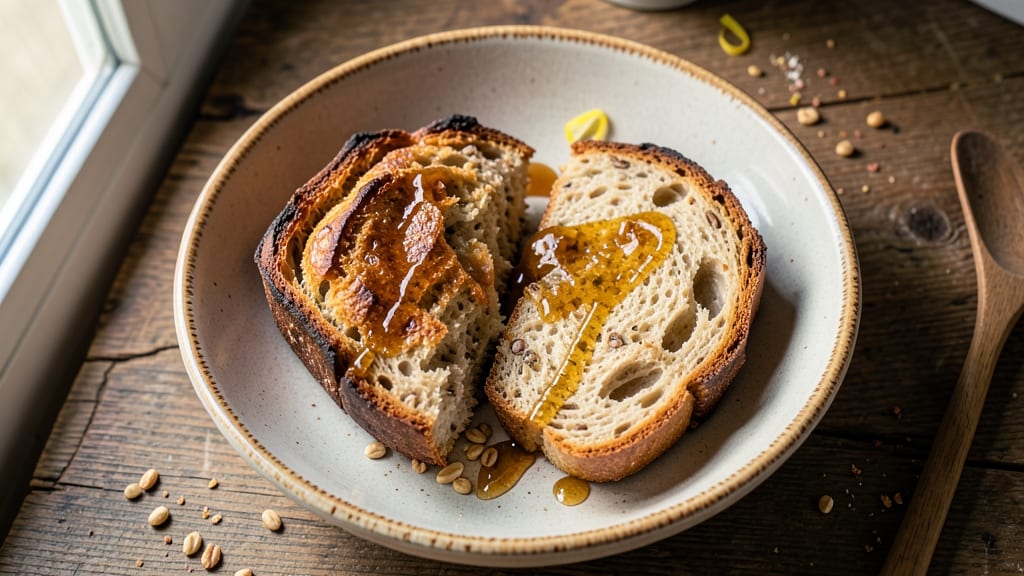
The 50/50 bread recipe delivers that perfect balance of hearty texture and cheesy pull-apart magic—ideal for sandwiches, dipping, or serving alongside soups.
This classic loaf combines equal parts whole wheat and white flour for a nutritious yet tender crumb, while cheddar cheese adds rich, melty goodness that keeps everyone reaching for seconds.
The secret lies in a precise ratio of ingredients and a slow bake that ensures a golden crust and even rise every time.
What sets this recipe apart is its versatility—whether you're baking for a family dinner or prepping for meal prep, the 50/50 bread adapts effortlessly.
The dough is simple to mix (just flour, yeast, water, and a touch of honey for sweetness), but the kneading and proofing steps are where the magic happens. A well-developed gluten structure guarantees that pull-apart texture, while the cheese stretches and melts into gooey perfection when baked at 375°F.
No fancy techniques required—just patience and attention to detail.
By the time it emerges from the oven, you’ll have a loaf with a crisp, golden crust and a soft, chewy interior studded with melted cheese. The aroma alone will have everyone gathering around the table, and the first bite delivers that satisfying pull that makes this bread a crowd-pleaser.
It’s the kind of dish that transforms ordinary meals into something special—without the fuss of complicated recipes.
For an extra touch, brush the baked loaf with melted butter and sprinkle with coarse salt while still warm. Serve it fresh, or slice and toast for breakfast sandwiches the next day. This 50/50 bread is a staple for a reason—it’s foolproof, flavorful, and always a hit. Let’s get baking!
Ingredients for 50 50 bread
Equal parts flour, yeast, and cheddar create this chewy, pull-apart bread masterpiece.
| Ingredient | Amount | Notes |
|---|---|---|
| All-Purpose Flour 🌾 | 2 cups | White flour for structure |
| Whole Wheat Flour 🌾 | 2 cups | For nutritious texture |
| Active Dry Yeast 🍞 | 2 ¼ tsp | Or 1 packet instant yeast |
| Warm Water 💧 | 1 ¼ cups | 110°F for yeast activation |
| Granulated Sugar 🍬 | 1 tbsp | Feeds yeast for rise |
| Honey 🍯 | 1 tbsp | Enhances flavor and browning |
| Salt 🧂 | 1 ½ tsp | Diamond Crystal preferred |
| Shredded Sharp Cheddar Cheese 🧀 | 2 cups | Freshly grated for best melt |
| Unsalted Butter 🧈 | ½ cup | Cold for dough handling |
| Large Egg 🥚 | 1 whole | Room temperature preferred |
| Olive Oil 🫒 | 2 tbsp | For dough elasticity |
The flours are key—King Arthur all-purpose and Bob's Red Mill whole wheat give the best balance of texture. King Arthur has higher protein for better gluten development, while whole wheat adds that hearty, nutty depth. Cheese matters too: sharp cheddar melts better than mild, and freshly grated (not pre-shredded) prevents excess moisture. For yeast, Saf-Instant is my go-to—it doesn't need proofing in warm water, just sprinkle it directly into the dry ingredients. The honey? Local raw honey if you can find it—it adds subtle floral notes that store-bought can't match.
No sharp cheddar? Pepper jack adds a kick, or Monterey Jack for milder flavor. Running low on whole wheat? Swap half for spelt flour—it bakes similarly but with a slightly sweeter taste. The butter can be vegetable shortening in a pinch, though it won't brown as nicely. For the egg, flax egg (1 tbsp ground flax + 3 tbsp water) works in a bind. The olive oil is non-negotiable for dough elasticity—extra-virgin has the best flavor, but basic works too. Pre-shredded cheese? Toss it in a food processor to break up the anti-caking agents before measuring.
Dough keeps best in the fridge for 24 hours wrapped tightly in plastic. For longer storage, freeze shaped dough for up to 3 months—thaw at room temp before baking. The baked loaf stays fresh for 3 days wrapped in a clean kitchen towel. For extra crispiness, brush with melted butter while warm. Slice and toast for breakfast sandwiches—the cheese gets gooey all over again, which is the real magic.
Why You'll Love This Recipe
- Here’s what sold me: the whole wheat doesn’t taste like cardboard. The all-purpose flour keeps it light, while the whole wheat adds just enough chew and nuttiness—like a hug for your sandwich. (Yes, even on a Tuesday night.)
- No-Knead Magic: I swear by this—just mix the warm water, yeast, and sugar, let it sit for 5 minutes, then fold in the 50/50 flour blend (all-purpose + whole wheat). No roller, no punching, no stress. The dough practically comes together while you’re making coffee.
- Whole Wheat Without the Dryness: Here’s what sold me: the whole wheat doesn’t taste like cardboard. The all-purpose flour keeps it light, while the whole wheat adds just enough chew and nuttiness—like a hug for your sandwich. (Yes, even on a Tuesday night.)
- Leftovers That Last: This bread freezes like a dream—slice it, wrap it, and toss it in the freezer. Toast straight from frozen? Absolutely. My kids grab it for lunches all week, and I haven’t bought bread in months. Budget win.
Step-by-step instructions for 50 50 bread
This dough comes together with simple techniques and delivers irresistible cheesy texture every time.
Activate the Yeast for Perfect Rise
In a small bowl, combine the 1.25 cups warm water (tested at 110°F), 1 tbsp granulated sugar, and 1 tbsp honey. Sprinkle the 2.25 tsp active dry yeast over the top and let sit for 5-10 minutes until frothy. This step ensures your yeast is active and ready to work.
I always use a thermometer to check water temperature—too hot kills yeast, too cool slows fermentation. The mixture should bubble vigorously by the time you're ready to use it. If it doesn't activate, your bread won't rise properly.
Mix the Dough for Optimal Texture
In a large mixing bowl, whisk together the 2 cups all-purpose flour, 2 cups whole wheat flour, and 1.5 tsp salt. Make a well in the center and pour in the yeast mixture, 1 whole large egg, and 2 tbsp olive oil. Using a wooden spoon, mix until a shaggy dough forms.
Add the 0.5 cup cold unsalted butter, cut into small pieces, and work it into the dough by hand. The butter should incorporate but remain slightly cool—this creates tender layers. Knead on a lightly floured surface for 8-10 minutes until smooth and elastic, or use a stand mixer with a dough hook for 5-6 minutes.
Incorporate Cheese for Maximum Flavor
Transfer the dough back to the mixing bowl and gently fold in the 2 cups shredded sharp cheddar cheese. Be careful not to overwork the dough at this stage—just distribute the cheese evenly throughout. The cheese will melt during baking, creating those signature pull-apart pockets.
Cover the bowl with a damp towel and let the dough rise in a warm place for 1-1.5 hours, or until doubled in size. I like to place it near the oven with the light on for consistent warmth. The dough should spring back slowly when poked with a finger—this indicates proper fermentation.
Shape and Second Rise for Perfect Crust
Punch down the risen dough and transfer it to a lightly greased 9x13-inch baking pan. Press the dough gently into the pan, leaving some air pockets for that pull-apart texture. Cover again and let rise for 30-45 minutes until it's just above the pan's edge.
Preheat your oven to 375°F while the dough rises. The second rise is crucial—it develops that beautiful golden crust while keeping the interior tender. If your kitchen is cold, place the pan on a baking sheet to catch any overflow during baking.
Bake to Golden Perfection
Bake the bread for 30-35 minutes until the top is deep golden brown and the internal temperature reaches 190°F. The edges should pull away from the pan slightly, and you should smell that irresistible cheesy aroma filling your kitchen.
Let the bread cool in the pan for 10 minutes before transferring to a wire rack. This resting period prevents a gummy texture. Serve warm with marinara sauce or as a side for soups—every pull reveals gooey, melted cheese inside.
Pro Tips For Making 50 50 Bread
- Mix the dough by hand: I know, I know—kneading machines make this look easy. But for 50/50 bread, where whole wheat flour fights back, your arms are your best tool. Work the dough for a solid 8–10 minutes until it springs back when poked (yes, even if it feels like a workout). Whole wheat needs that extra love to develop gluten properly, and skipping this step means a dense, gummy loaf.
- Use a scale, not cups: Whole wheat flour packs differently than all-purpose, and eyeballing it leads to disaster. Weigh your flours separately—400g all-purpose, 400g whole wheat—then measure the yeast and sugar by weight too. This isn’t just about precision; it’s about consistency. I’ve ruined batches by overestimating volume, and the dough just… didn’t rise. Trust the numbers.
- Let the yeast activate in sugar water: Skip the dry yeast straight into the flour, and you’re asking for trouble. Mix the yeast with warm water (110°F, not boiling) and a pinch of sugar first—wait 5–10 minutes until it foams like a tiny beer. This tells you the yeast is alive and ready to work. No bubbles? Start over. This is the non-negotiable step that saves you from a brick in the oven.
- Shape loosely, then tighten: Whole wheat dough is stubborn, so don’t force it into a tight boule or batard. First, let it relax in a rough oval shape for 10 minutes—this prevents tearing. Then, gently roll and tuck it into a smooth shape. Over-handling now means more gluten development later, which can make the crumb dense. Think "controlled chaos," not perfection.
Pro cooking tips for this dish
Yeast Activation Secrets
The key to a perfect rise starts with yeast activation. Always use a thermometer to check your 110°F water—too hot kills yeast, too cool slows fermentation. I swear by Saf-Instant yeast because it doesn’t need proofing in warm water; just sprinkle it directly into dry ingredients.
If your yeast doesn’t bubble within 5-10 minutes, it’s dead—replace it and start over. 💡
Kneading Like a Pro
Hand-kneading for 8-10 minutes builds gluten better than a mixer, but if you’re short on time, a stand mixer with a dough hook works in 5-6 minutes. The dough should be smooth, elastic, and spring back when poked.
Add cold butter in small pieces—it should incorporate but stay slightly cool for tender layers. Over-kneading makes bread tough, so stop when it’s just past the sticky phase. ✨
Cheese Integration Tricks
Fold in freshly grated sharp cheddar gently after kneading to avoid overworking the dough. Pre-shredded cheese has anti-caking agents that add moisture—pulse it in a food processor first to mimic fresh grating.
For extra flavor, mix in 1 tsp garlic powder or smoked paprika with the cheese before folding. This step is where the magic happens—those pull-apart pockets start forming! 🧀
Rise Time Mastery
First rise takes 1-1.5 hours in a warm spot (I use my oven with the light on). The dough should double and feel spongy when pressed. For the second rise, shape the dough in a 9x13-inch pan and let it puff 30-45 minutes until just above the pan’s edge.
Cold kitchens? Place the pan on a baking sheet to catch any overflow during baking. Patience here = perfect crust. ⏰
Baking for Golden Perfection
Bake at 375°F for 30-35 minutes until the top is deep golden brown and internal temp hits 190°F. The edges should pull away from the pan slightly. For extra browning, brush the top with melted butter in the last 5 minutes.
Let the bread cool 10 minutes in the pan—this prevents a gummy texture and lets the cheese set. 🔥
Troubleshooting Common Issues
Dense bread? You likely under-kneaded or overworked the dough. Flat loaf? Your yeast might have been dead or the oven wasn’t hot enough. For extra cheesiness, add ½ cup extra cheese before baking.
Storing? Wrap in a kitchen towel to keep it fresh for 3 days. Freeze shaped dough for up to 3 months—thaw at room temp before baking. 💪
Nutrition facts
Frequently asked questions
Can I substitute whole wheat flour with another type?
Yes! For a lighter texture, swap 1 cup whole wheat flour with 1 cup spelt flour or 1 cup oat flour. If you want extra moisture (like for sandwich bread), try 1 cup rye flour—it adds depth but makes the dough stickier. Just reduce other liquids slightly if needed. For gluten-free, use a 1:1 GF bread flour blend, but expect a denser result.
Why does my 50/50 bread turn out dense?
Dense bread usually means under-kneaded dough or dead yeast. Knead for 8-10 minutes by hand until smooth and elastic—this builds gluten for a light texture. Check your yeast: it should foam within 5-10 minutes in warm water. If your kitchen is cold, place the dough near the oven light for warmth during rising.
How do I make this bread extra cheesy?
Add ½ cup extra cheese before baking, or swap cheddar for Monterey Jack + pepper jack for a sharper flavor. For a creamy center, sprinkle ¼ cup grated Parmesan on top before baking. Pro tip: Fold in 1 tsp garlic powder or smoked paprika with the cheese for extra depth. The cheese should melt into gooey pockets!
Can I make this bread without a stand mixer?
Hand-kneading works perfectly—just work the dough on a floured surface for 8-10 minutes until it springs back when poked. For easier handling, wet your hands slightly to prevent sticking. The cold butter should soften slightly but stay cool—this creates tender layers. Patience is key; don’t rush the kneading!
How long can I store or freeze this bread?
Wrap cooled bread in a kitchen towel and store at room temperature for 3 days—the towel keeps it soft. For longer storage, freeze shaped dough (unbaked) for up to 3 months or baked slices for 2 months. Thaw frozen dough at room temp before baking. To revive stale bread, warm slices in a 350°F oven for 5-7 minutes with butter.