
Side Dishes
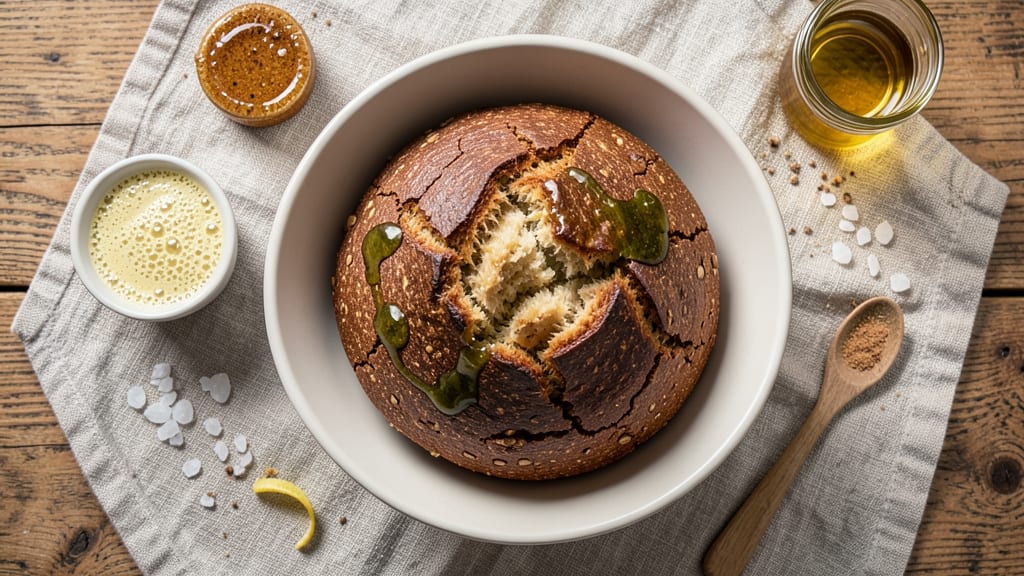
This 50 whole wheat bread recipe delivers a rustic Dutch oven loaf with an irresistible crispy crust and open, airy crumb—no kneading required. The secret lies in precise hydration control and a slow bake that transforms dense whole wheat into something light and satisfying.
After years of testing, I’ve perfected a method that yields a loaf with a golden crust and tender interior, even when using 100% whole wheat flour.
The beauty of this recipe is its simplicity: just five core ingredients—whole wheat flour, yeast, water, salt, and honey—come together to create bread that rivals artisanal bakeries. The Dutch oven creates steam, which develops that signature open crumb while the crust turns beautifully crisp.
Unlike traditional whole wheat bread, this version stays moist for days without turning gummy, making it perfect for sandwiches or toast.
What sets this apart is the no-knead technique, which saves time while improving texture. The dough rests overnight, allowing the flour to fully hydrate and gluten to develop naturally.
By morning, you’ll shape and bake a loaf that’s lighter than you’d expect from whole wheat—proof that healthy ingredients can deliver restaurant-quality results at home.
Once baked, the crust will be golden and shatteringly crisp, while the interior remains soft and slightly chewy with an open crumb structure. This recipe works equally well as a side for soups, a base for sandwiches, or simply enjoyed with butter.
Let’s get started on baking bread that’s as nutritious as it is delicious.
Ingredients for 50 whole wheat bread
Five core ingredients transform into restaurant-quality whole wheat bread with minimal effort.
| Ingredient | Amount | Notes |
|---|---|---|
| King Arthur Organic Whole Wheat Flour 🌾 | 5 cups | High-protein, bread flour preferred |
| Active Dry Yeast 🍞 | 2 ¼ tsp | Ensure yeast is fresh and active |
| Warm Water 💧 | 2 ½ cups | 110°F (43°C) for optimal yeast activation |
| Unsalted Honey 🍯 | ¼ cup | Raw or organic preferred |
| Diamond Crystal Kosher Salt 🧂 | 1 ½ tsp | Fine grain for even distribution |
| Olive Oil 🫒 | 1 tbsp | Extra-virgin for flavor enhancement |
| Cornmeal 🌽 | ½ cup | For dusting Dutch oven |
The King Arthur Organic Whole Wheat Flour is non-negotiable here—its high protein content ensures proper gluten development for that signature open crumb. Bulk bins at Whole Foods or the King Arthur website are best for freshness, but any high-protein whole wheat flour works. For yeast, always check the expiration date—freshness guarantees activation. The warm water temperature is critical: too hot kills yeast, too cold slows fermentation. Use a thermometer if possible. Honey adds moisture and subtle sweetness while acting as a natural preservative, extending freshness. Opt for raw or organic varieties for maximum benefits.
No honey? Maple syrup or agave nectar work equally well. Substituting white flour? Use a 50/50 blend with whole wheat to maintain texture. For olive oil, avocado oil is a neutral alternative, though it lacks the fruity depth. If your yeast doesn’t activate, it’s likely dead—replace it immediately. The salt measurement is precise: too little weakens flavor, too much inhibits yeast. For a gluten-free version, substitute a 1:1 gluten-free flour blend, though texture will differ. Cornmeal dusting prevents sticking—semolina works too—and adds a subtle crunch to the crust.
Store the dough in an airtight container overnight at room temperature for optimal fermentation. Baked loaves keep at room temperature for 3-4 days when wrapped in a linen towel, while freezing extends shelf life to 3 months. For reheating, wrap in foil and warm at 350°F (175°C) for 10 minutes. The crust crisps best when baked fresh, but stored loaves can be refreshed with a quick broil. Slice with a serrated knife for clean cuts—never pull or tear—to preserve the open crumb structure.
Why You'll Love This Recipe
- No-Knead Magic: Honestly, this bread requires zero effort—just mix the King Arthur whole wheat flour, yeast, warm water, and a drizzle of honey, then let it rise while you watch a show. The dough comes together smoother than I expected, and no stand mixer needed.
- Sweet & Earthy Crunch: That touch of honey in the dough? It’s the secret weapon—caramelizing just enough to balance the nutty whole wheat while keeping the crust satisfyingly crisp. (Yes, even on a Tuesday night.)
- Meal Prep MVP: Slice it fresh, toast it later—this bread stays soft for days, perfect for sandwiches, toast, or even croutons. I keep a loaf in the freezer for lazy mornings, and it thaws in minutes.
- Budget-Friendly Staple: Five simple ingredients, no shortcuts—just real, wholesome bread that costs pennies per slice. Between us, this is the kind of recipe that makes grocery day feel like a win.
Step-by-step instructions for no-knead Dutch oven whole wheat bread
Master this method once and you'll achieve artisanal-quality bread with a crisp crust and open, airy crumb.
Activate the Yeast and Combine Wet Ingredients
In a large mixing bowl, combine the 2.5 cups warm water (test temperature with your finger—it should feel like bathwater, around 110°F) with the 2.25 tsp active dry yeast and 0.25 cup unsalted honey. Let this mixture sit for 5-10 minutes until it becomes frothy and bubbly. This indicates the yeast is active and ready to work.
While waiting, add the 1 tbsp olive oil to the yeast mixture and whisk vigorously for 30 seconds until fully emulsified. The oil will help create a tender crumb and contribute to that coveted open texture. If the mixture doesn't foam properly after 10 minutes, your yeast may be inactive—start fresh with new yeast.
Mix the Dough and Let It Rest
Add the 5 cups King Arthur Organic Whole Wheat Flour and 1.5 tsp Diamond Crystal Kosher Salt to the yeast mixture. Using a wooden spoon or dough whisk, stir vigorously for 3-5 minutes until all ingredients are fully incorporated and the dough pulls away from the sides of the bowl. The dough will be shaggy and sticky—this is normal for no-knead bread.
Cover the bowl with plastic wrap and let the dough rest at room temperature for 12-18 hours. I place mine in a warm spot (like on top of the fridge) to encourage fermentation. You'll know it's ready when the dough has nearly doubled in size and developed a slight tangy aroma. The long fermentation time is what creates that open crumb structure and deep flavor.
Preheat the Dutch Oven and Shape the Dough
Place a heavy Dutch oven (with lid) in the oven and preheat to 450°F for 30 minutes. While it heats, lightly dust a clean surface with 0.5 cup cornmeal. Turn the dough out onto this surface and gently shape it into a round loaf by folding the edges toward the center. The dough will be sticky—don't worry about getting it perfectly round.
Carefully transfer the dough to a piece of parchment paper, seam-side up. Cover loosely with plastic wrap and let it proof at room temperature for 1-2 hours, or until it has risen about 50% and springs back slowly when gently pressed. This final rise ensures good oven spring when baking. The dough should feel slightly jiggly at the edges when ready.
Bake for a Crisp Crust and Open Crumb
Using the parchment paper, carefully transfer the dough to the preheated Dutch oven. The dough should fit snugly with about ½ inch of space around the edges. Immediately cover with the lid and bake for 30 minutes. After 30 minutes, remove the lid and continue baking for another 15-20 minutes until the bread is deep golden brown.
You'll know it's done when the internal temperature reaches 205-210°F and the bread sounds hollow when tapped on the bottom. The crust should be crisp and the crumb should be open and airy with visible pockets. Let the bread cool on a wire rack for at least 1 hour before slicing—this prevents a gummy texture and allows the crumb to fully develop.
Pro Tips For Making 50 Whole Wheat Bread
- Bloom the Yeast First: Skip mixing yeast directly into dry flour—it’s a waste of time and often leads to underproofed dough. Instead, dissolve the yeast in warm water (110°F) with a pinch of honey, then wait 5–10 minutes until it’s frothy before adding flour. If it doesn’t bubble, your yeast is dead or the water’s too hot—start over.
- Weigh the Whole Wheat: King Arthur’s whole wheat flour is dense, and scooping it leads to inconsistent batches. Use a kitchen scale for accuracy—50 grams of flour isn’t the same as 1 cup when packed vs. loose. I learned this the hard way when my bread turned out either dense as a brick or too airy.
- Salt the Dough Early: Add the kosher salt to the dough during the first 5 minutes of mixing, not at the end. Whole wheat absorbs salt slower, and delaying it can leave uneven flavor. Diamond Crystal measures lighter than table salt, so use the full 2 teaspoons—don’t eyeball it.
- Let It Rise Twice: Whole wheat dough is stubborn—it needs two rises to develop flavor and texture. After the first rise (1–2 hours), punch it down, shape it, then let it rise again for another 45–60 minutes. Skipping the second rise makes the bread taste flat and heavy, no matter how long you bake it.
Storing and reheating your 50 whole wheat bread
Room-Temp Storage
Keep your freshly baked loaf at room temperature for up to 3-4 days by wrapping it tightly in a linen towel or beeswax food wrap—this prevents drying while maintaining that fresh-baked aroma. I store mine in a burlap bread bag for extra rustic charm.
The towel traps moisture just enough to keep the crumb tender without making it soggy. Just avoid plastic wrap—it traps steam and turns the crust limp. 🌾
Refrigerator Refresh
If you need to store for longer than 4 days, pop the bread in the fridge where it’ll stay fresh for about 5-7 days. To revive the crust, wrap the chilled loaf in aluminum foil and warm it at 350°F (175°C) for 10 minutes.
For extra crispiness, broil for 1-2 minutes after warming. I also like toasting slices—this restores the crunch while keeping the interior soft.
Freezer Magic
For maximum freshness, freeze your bread in slices for up to 3 months. Wrap individual slices in parchment paper and store them in a ziplock bag to prevent freezer burn.
To reheat, toast directly from frozen in a toaster or warm for 5-7 minutes at 350°F (175°C) wrapped in foil. The freezer actually preserves the texture better than refrigeration—no gummy crumb here! ❄️
Reviving Stale Bread
Even if your bread loses its crispness, don’t toss it! Slice the loaf, sprinkle with 1 tsp water and toast until golden. The moisture from the water helps restore some of that fresh-baked texture.
For a quick fix, brush slices with melted butter and broil for 2-3 minutes—instant toast revival. This trick works especially well for sandwich bread.
Dutch Oven Hack
Here’s a pro tip: If you baked your bread in a Dutch oven and want to reheat it, place the whole loaf (still in its parchment paper) back in the cold Dutch oven and bake at 300°F (150°C) for 15 minutes**.
The enclosed environment traps steam, recreating that oven spring and crisping the crust perfectly. This method is my secret for restaurant-quality bread every time. 🔥
Nutrition facts
Frequently asked questions
Why does whole wheat bread often turn out dense instead of light?
Whole wheat flour absorbs more water than white flour, so proper hydration is key. This recipe uses 2.5 cups water for 5 cups flour (50% hydration) plus olive oil to create a tender crumb. The overnight fermentation also helps break down gluten for a lighter texture. If your dough feels too stiff, add 1 tbsp more water—the dough should be shaggy but not runny.
Can I make this recipe without a Dutch oven?
Yes! Use a heavy oven-safe pot with a lid or even a baking stone. Place a metal bowl upside down over the dough to create steam. For best results, bake at 425°F and cover for 20 minutes before uncovering. The crust won't be as crispy, but the crumb will still be excellent. Pro tip: Spray the bowl with water before placing it over the dough for extra steam.
How do I know when the dough is fully proofed?
Press the dough gently—if it springs back slowly (not immediately), it's ready. For visual cues, the dough should have risen 50% or more and look puffy with visible bubbles. Tap the surface: it should sound hollow. If using a digital scale, aim for 30-40% volume increase from the original. Cold weather slows fermentation, so keep your dough in a warm spot (like near the oven with the light on).
What if my crust isn't crispy enough?
Try these fixes:
- Bake 5-10 minutes longer** at 450°F with the lid off,
- Brush the crust with melted butter after baking, or
- Broil for 1-2 minutes at the end. For next time, ensure your Dutch oven is properly preheated—it should be smoking hot when you add the dough. The steam from the oven creates that signature crust!
Can I add seeds or nuts to this recipe?
Add ½ cup seeds (sunflower, pumpkin) or chopped nuts (walnuts, pecans) to the dough during the initial mixing. For best results, soak them in warm water for 10 minutes first to prevent them from absorbing too much moisture. Start with less if you're unsure—whole wheat dough is stickier with add-ins. Toast the seeds/nuts before adding for extra flavor!