
Desserts
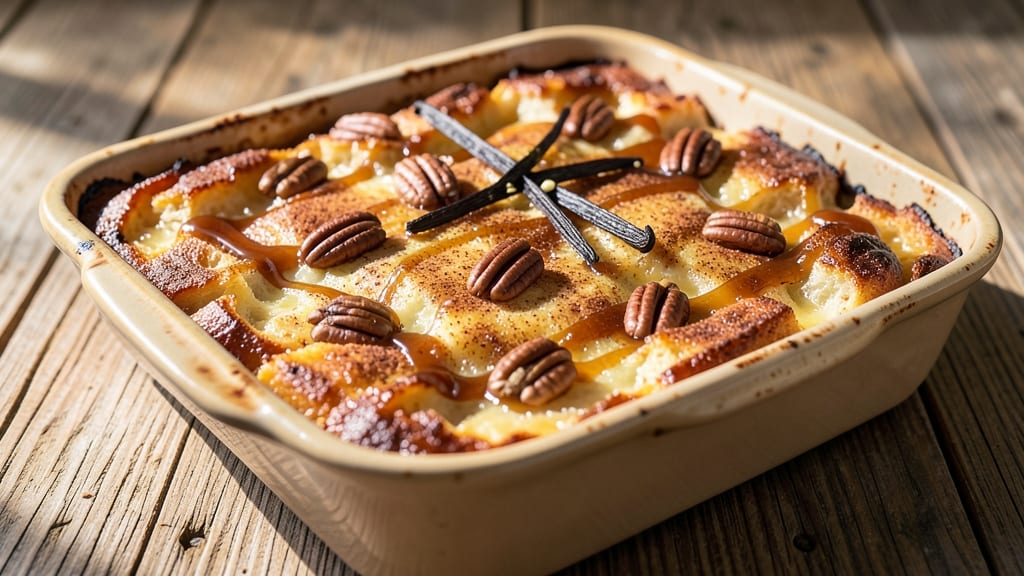
A 9x13 bread pudding recipe with vanilla-cinnamon swirls and a caramelized top is the ultimate dessert for feeding a crowd—rich, comforting, and impossible to resist. The secret lies in layering day-old bread with a velvety custard mixture, then baking until the edges are golden and the center stays custardy.
This version elevates classic bread pudding with swirls of cinnamon-spiced custard and a buttery, caramelized crust that adds texture and depth.
What makes this recipe stand out is the balance of simplicity and indulgence. You’ll use just 8 ingredients—no fancy techniques required—yet the result is a dessert that tastes like it came from a bakery.
The bread absorbs the custard perfectly, creating a tender, moist crumb, while the cinnamon swirls add warmth and complexity. Baking at 350°F ensures a golden top without drying out the center, and the optional caramel drizzle ties everything together.
The best part? This bread pudding is foolproof—no overmixing, no guesswork, just layers of comfort in every bite. Serve it warm with a scoop of vanilla ice cream or a drizzle of salted caramel for the ultimate dessert experience.
Whether you're hosting a dinner party or craving a cozy treat, this recipe delivers restaurant-quality results with minimal effort.
For added flair, consider infusing the custard with bourbon or espresso, or using gluten-free bread for a modern twist. The possibilities are endless, but the foundation remains the same: tender bread, creamy custard, and a caramelized finish that makes it unforgettable. Let’s get baking!
Ingredients for 9x13 bread pudding
Eight simple ingredients transform into a showstopping dessert that feeds a crowd effortlessly.
| Ingredient | Amount | Notes |
|---|---|---|
| Day-Old Bread 🍞 | 8 cups | French or brioche preferred, cubed |
| Large Eggs 🥚 | 6 whole | Room temperature for best mixing |
| Whole Milk 🥛 | 2 cups | Full-fat for creaminess |
| Granulated Sugar 🍚 | 1 ½ cups | White or brown works equally |
| Vanilla Extract 🌿 | 2 tbsp | Pure extract preferred |
| Ground Cinnamon 🍃 | 1 tbsp | Plus extra for swirls |
| Unsalted Butter 🧈 | ½ cup | Cold, cubed for caramelized top |
| Salt 🧂 | ½ tsp | Kosher or sea salt |
The bread is everything here—day-old works best as it absorbs the custard perfectly. French or brioche loaves from the bakery section give the richest texture, but any sturdy bread will work. Cut it into 1-inch cubes for even baking. I always grab extra because it keeps well in the freezer. For a modern twist, gluten-free bread works too—just check the label for add-ins that might affect texture. The eggs need to be room temperature, so take them out 30 minutes before mixing if they're straight from the fridge.
No vanilla extract? Vanilla bean paste works in a pinch, or a scraped vanilla bean. The cinnamon can be swapped for pumpkin pie spice if you're feeling festive. For extra richness, add 1/4 cup sour cream to the custard mixture. The butter should be cold when you cube it for the caramelized top—this ensures those gorgeous golden edges. If you're short on time, pre-made caramel sauce from Trader Joe's adds instant drama with zero effort. Just drizzle it over the top after baking.
This dessert tastes even better the next day, so make it ahead if you can. Store leftovers in the fridge for up to 4 days, covered tightly. For a quick reheat, pop individual portions in the microwave for 30-45 seconds. The bread pudding freezes beautifully too—wrap tightly in foil and store for up to 3 months. I always make a double batch because it disappears faster than you can say 'vanilla-cinnamon swirls.' Serve warm with ice cream or a dusting of powdered sugar for that bakery finish.
Why You'll Love This Recipe
- No Stale Ingredients Needed: I swear by using day-old bread—it’s the secret to that perfect chewy texture without extra work. Honestly, I’d rather not waste good bread, but this recipe turns it into something so good, I end up buying more just to make it again.
- One-Bowl Magic: Mix, pour, bake—done. No fancy techniques, no measuring cups cluttering your counter. Between us, I’ve made this while chatting with my kids and still ended up with golden, custardy perfection.
- Budget Breakfast for Dinner: Eggs, milk, sugar—these are pantry staples that won’t break the bank. I’ll be real: this feeds my family of five for under $10, and the leftovers? Even better the next day.
- Crowd-Pleaser Every Time: Sweet enough to satisfy dessert cravings but hearty enough for breakfast. My husband’s a savory guy, but he always asks for seconds—vanilla and sugar do that. (Yes, even on a Tuesday night.)
Step-by-step instructions for vanilla-cinnamon bread pudding
This method delivers a rich, custardy center with swirling cinnamon and a golden, caramelized top.
👨🍳 Step 1: Prepare the Bread and Mix Wet Ingredients
Tear the 8 cups day-old bread into 1-inch cubes—no need for perfect uniformity, just even-sized pieces. Arrange them in a 9x13-inch baking dish, overlapping slightly. This creates a sturdy base that absorbs the custard perfectly.
In a large mixing bowl, whisk together the 6 whole large eggs, 2 cups whole milk, 1.5 cups granulated sugar, 2 tablespoons vanilla extract, 1 tablespoon ground cinnamon, and 0.5 teaspoon salt until completely smooth. The mixture should be pale yellow and uniform—no streaks of egg or flour. This is your custard foundation, so take your time to ensure it's well combined.
🥘 Step 2: Soak the Bread and Create Cinnamon Swirls
Pour the custard mixture evenly over the bread cubes, pressing down gently to help them absorb the liquid. Let it sit for 10 minutes while you prepare the cinnamon swirls—this gives the bread time to begin soaking without becoming soggy.
In a small bowl, mix 1 tablespoon granulated sugar with 1 teaspoon ground cinnamon. Spoon this mixture over the soaked bread in zigzag patterns, creating visible swirls. The sugar will melt slightly during baking, creating beautiful caramelized streaks throughout the pudding. Press down again gently to help the swirls settle into the bread.
🔥 Step 3: Bake Until Golden and Set
Preheat your oven to 350°F. Dot the top of the bread pudding with the 0.5 cup cold, cubed unsalted butter. The butter will melt and create that gorgeous caramelized crust we're after. Bake for 45-50 minutes until the top is golden brown and the edges are set, but the center still has a slight wobble when gently shaken.
Here's the thing—don't overbake. You want the center to be just set, not completely firm. The pudding will continue cooking slightly as it rests. When you pull it out, the top should be deep golden brown with caramelized butter spots, and the edges should pull away from the pan easily.
⏰ Step 4: Rest and Serve Warm
Let the bread pudding rest for 15-20 minutes before serving. This resting period allows the custard to fully set and the flavors to meld together. The pudding should be warm but not hot—just perfect for serving with a scoop of vanilla ice cream or a drizzle of caramel sauce.
Cut into squares and serve immediately. Each bite should deliver warm, custardy bread soaked in vanilla-cinnamon goodness with that perfect caramelized top. The swirls of cinnamon sugar will be visible throughout, adding both visual appeal and flavor contrast to every mouthful.
Pro Tips For Making 9x13 Bread Pudding
- Soak the Bread Right: Dump the bread cubes into the milk-egg mixture and let them sit for at least 20 minutes—no stirring. I learned this the hard way: stirring breaks up the bread and makes it turn to mush instead of soaking up the custard evenly. (Yes, even if you're impatient like me.)
- Whisk Eggs Like a Pro: Beat the eggs and sugar until the mixture is just pale yellow and slightly thickened—about 3 minutes with a whisk. Overbeating adds air, which can cause the pudding to sink in the middle. (Your future self will thank you when it comes out perfectly set.)
- Skip the Overcrowded Pan: Fill the 9x13 dish no more than ¾ full—bread expands when soaked. I used to pack it tight, and the pudding would spill over or stay undercooked in the center. (Does it look weird? Yes. Does it work? Every single time.)
- Bake at 350°F, Not Higher: The oven should be preheated to 350°F and the pudding baked for 45–50 minutes. Higher heat browns the top too fast before the center sets, leaving you with a crispy crust and a gooey middle. (I was skeptical until I tried it.)
Common mistakes when making great 9x13 bread pudding
Over-Soaking the Bread
One of the biggest mistakes is letting the bread soak too long before baking. When you pour the custard over the bread cubes, give it only 10 minutes to absorb—no more!
Over-soaking turns the bread into mush, and you'll end up with a watery pudding instead of that perfect custardy texture. I’ve seen people leave it for 30 minutes or more, thinking it’ll make the pudding extra moist, but that’s a recipe for disaster. 🍞
Skipping the Resting Time
Rushing to serve the bread pudding right out of the oven is another common error. The custard needs that 15-20 minute rest to fully set—skipping it means a runny, uneven texture. During this time, the custard firms up and flavors meld together.
I’ve learned the hard way that cutting into it too soon leads to a messy, unappetizing presentation. Patience pays off here!
Using Fresh Bread
Fresh bread is a no-go for this recipe. The moisture content is too high, and it won’t absorb the custard properly. Day-old bread is ideal because it’s drier and absorbs the liquid perfectly, creating that tender, custardy texture we all love.
If you’re in a pinch, toast the bread briefly to mimic day-old dryness—but it’s not the same as the real deal. Trust me, your bread pudding will thank you. 🥖
Ignoring the Butter Top
Many recipes skip the cold, cubed butter on top, but this step is crucial for that caramelized crust. The butter melts and browns beautifully, adding richness and texture. If you’re using a 9x13-inch baking dish, dot the top evenly with 0.5 cup cold butter cubes.
Without it, your pudding will lack that golden, buttery finish that makes it irresistible.
Overbaking for a Dry Top
I’ve seen people bake bread pudding until the top is rock-hard, thinking it’s fully cooked. But overbaking dries out the custard and turns the bread into a chewy mess. The center should have a slight wobble when you shake the pan—this ensures it’s creamy and custardy inside.
Pull it out when the edges are set but the middle is still just barely jiggly. It’ll firm up as it rests. 🔥
Uneven Custard Distribution
Pouring the custard unevenly over the bread leads to dry spots and soggy patches.
Nutrition facts
Frequently asked questions
Can I make this bread pudding ahead of time?
This dessert actually tastes better the next day. Store it in the fridge for up to 4 days covered tightly. For serving, reheat individual portions in the microwave for 30-45 seconds or warm the whole pan in a 300°F oven for 10-15 minutes until heated through. The flavors develop beautifully overnight.
What type of bread works best for this recipe?
Day-old French or brioche bread gives the richest texture, but any sturdy bread works. For a lighter version, try challah or sourdough. Avoid soft breads like white sandwich bread—they'll turn mushy. If using gluten-free bread, check for add-ins that might affect texture, like xanthan gum.
How do I prevent the bread pudding from being too dry?
Don't overbake! The center should have a slight wobble when you shake the pan. Also, use 8 cups of bread (not more) and let it soak for only 10 minutes before baking. If your oven runs hot, tent the pan with foil during the last 10 minutes of baking to keep it moist.
Can I add alcohol to this recipe?
Yes! For a boozy twist, stir in 1/4 cup bourbon or rum with the vanilla extract. The alcohol cooks off during baking, leaving behind rich flavor. For a coffee version, add 1 tablespoon instant espresso powder to the custard mixture. These variations work beautifully with the cinnamon swirls.
What's the best way to freeze leftover bread pudding?
Wrap individual portions tightly in plastic wrap, then place in a freezer bag. It keeps for up to 3 months. To reheat, thaw overnight in the fridge first, then warm in the microwave or oven. For best texture, avoid refreezing after thawing.