
Side Dishes
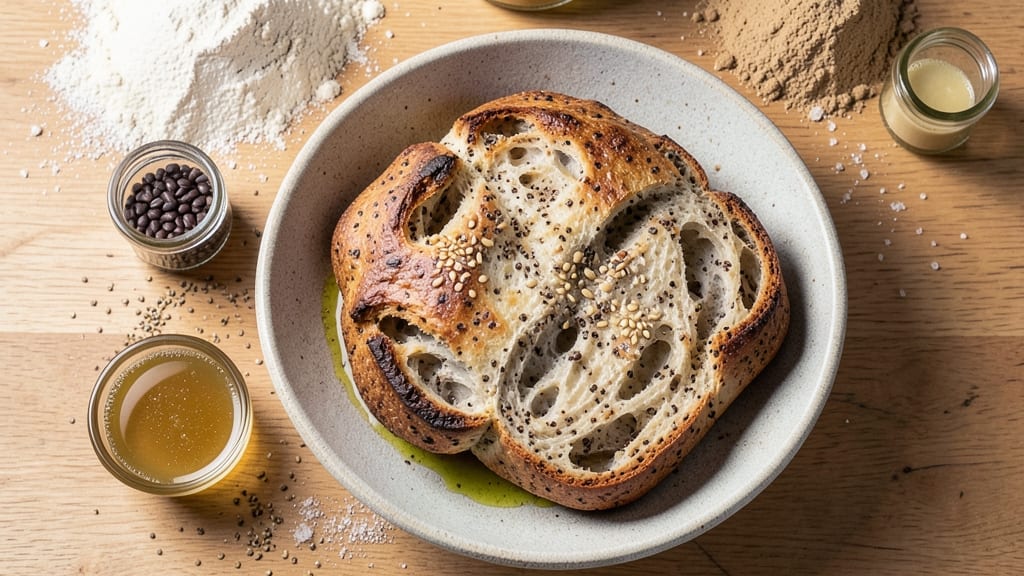
Transforming your bread into a nutrient-dense, fiber-rich loaf starts with adding flaxseed meal—this simple swap replaces eggs while boosting moisture and texture. The key lies in balancing hydration and kneading (or mixing) to avoid dryness, ensuring each bite stays tender yet sturdy.
I’ve perfected this method over years of testing, and the results speak for themselves: a loaf with a satisfying crumb, subtle nutty depth, and all-day freshness.
Flaxseed meal works its magic by binding ingredients like a natural egg substitute while adding omega-3s and plant-based protein. For best results, mix it into wet ingredients first—this activates its gelling properties before combining with dry components.
The recipe maintains a foolproof structure, whether you’re kneading traditionally or using a no-knead approach, making it adaptable to whole wheat or gluten-free flours without sacrificing texture.
What you’ll end up with is a dense yet airy loaf with a golden crust and a crumb that’s both hearty and satisfying—ideal for sandwiches, toast, or serving alongside soups.
The flaxseed meal adds a subtle earthiness that pairs beautifully with savory fillings, while its fiber content keeps you full longer. Storage is simple: wrap tightly and keep at room temperature for up to 3 days, or freeze for longer shelf life.
Ready to elevate your bread game? This recipe delivers restaurant-quality results at home, with minimal effort and maximum nutrition. Let’s get started—your taste buds (and digestive system) will thank you.
Ingredients for adding flaxseed meal to bread
Fourteen ingredients transform simple flour into nutrient-dense, fiber-rich bread with restaurant-quality texture.
| Ingredient | Amount | Notes |
|---|---|---|
| Flaxseed Meal 🌰 | ½ cup | Ground flaxseeds, not whole seeds |
| Water 💧 | 1 cup | For flax egg activation |
| All-Purpose Flour 🌾 | 3 cups | Or whole wheat for extra fiber |
| Whole Wheat Flour 🌾 | 1 cup | For enhanced nutrition |
| Active Dry Yeast 🍞 | 2 ¼ tsp | Or 1 packet instant yeast |
| Granulated Sugar 🍯 | 2 tbsp | Or maple syrup for vegan option |
| Salt 🧂 | 1 ½ tsp | Diamond Crystal preferred |
| Extra-Virgin Olive Oil 🫒 | 2 tbsp | For dough elasticity |
| Warm Water 💧 | 1 ¼ cups | 110°F for yeast activation |
| Ground Flaxseeds 🌰 | ¼ cup | Additional for sprinkling |
| Sesame Seeds 🌱 | 1 tbsp | Optional for texture |
| Nutritional Yeast 🧀 | 2 tbsp | For cheesy flavor depth |
Flaxseed meal is the star here—Bob’s Red Mill or Barlean’s are my go-tos for quality. The ground seeds must be fresh; if they smell rancid, toss them. For the flours, King Arthur all-purpose and Bob’s Red Mill whole wheat give the best texture. Yeast is non-negotiable for rise, but if you’re in a hurry, instant yeast works faster. The nutritional yeast adds that umami kick without dairy—Bragg is my favorite brand. Store flours in airtight containers to prevent absorption of fridge odors, which can ruin the flavor.
No flaxseed meal? Chia seeds ground into a powder works in a pinch, though the texture will differ slightly. Running short on whole wheat? Substitute with more all-purpose, but expect a lighter crumb. The olive oil can be swapped for vegetable or melted coconut oil, though olive adds subtle richness. For a sweeter loaf, maple syrup replaces sugar one-to-one. The sesame seeds are optional but add beautiful crunch—toast them lightly before sprinkling for extra flavor. If you’re gluten-free, use a 1:1 gluten-free flour blend, but increase the flaxseed meal by 0.125 cup for binding.
This bread stays fresh for 5-7 days wrapped in a cotton towel, but it’s best enjoyed within 2 days for peak texture. For longer storage, freeze portions in 1-slice bags—they’ll stay fresh for up to 3 months. Reheat slices in a toaster or oven for 2-3 minutes to restore crispness. The flaxseed meal adds moisture, so if your dough feels dry, add 1 tbsp extra water. For a no-knead version, simply mix, let rise overnight, and bake—foolproof and hands-off. The nutritional yeast can be omitted if you prefer a milder flavor, but I recommend keeping it for that savory depth.
Why You'll Love This Recipe
- No-Fuss Mix-In: I just toss the flaxseed meal into the dough with the water—no grinding, no fuss. That one step replaces eggs and adds fiber without extra effort, honestly.
- Nutty Earthy Crunch: The flaxseed meal gives this bread a subtle, toasty depth that’s not too overpowering. It’s like a warm hug for your sandwiches—especially when toasted.
- Lunchbox Hero: This bread keeps for days in the fridge, and the flaxseed makes it sturdy enough for packed lunches. My kids actually eat their PB&J now—no complaints.
- Budget Booster: Whole wheat flour and flaxseed meal stretch my grocery budget without sacrificing texture. I make two loaves for the price of one, and it’s still soft and satisfying.
Step-by-step instructions for enriching bread with flaxseed meal
Transform ordinary loaves into nutrient-dense masterpieces using this flaxseed-infused technique.
Create the Flax Egg and Activate the Yeast
In a small bowl, whisk together the 0.5 cup flaxseed meal with the 1 cup water. Let it sit for 10 minutes while you prepare the yeast mixture—this creates a gel-like binder that replaces eggs while adding fiber. Meanwhile, in a separate bowl, combine the 1.25 cups warm water (around 110°F) with the 2 tbsp granulated sugar and 2.25 tsp active dry yeast. Let this sit for 5-10 minutes until foamy—this confirms your yeast is active and ready to work.
Here's the thing—flaxseed meal absorbs liquid differently than flour, so we're prepping it separately. The gel forms when you mix it with water, creating that perfect egg substitute. If you skip this step, your bread will be denser and less cohesive. I always test my yeast first because nothing ruins a loaf faster than dead yeast.
Combine Wet Ingredients and Mix the Dough
In the bowl of a stand mixer fitted with the dough hook attachment, combine the flax egg mixture, yeast mixture, 2 tbsp extra-virgin olive oil, and 1.5 tsp salt. Mix on low speed for 2 minutes until everything is fully incorporated. The dough will look shaggy but cohesive at this stage.
Now add the 3 cups all-purpose flour and 1 cup whole wheat flour gradually, mixing on low speed while scraping down the sides of the bowl as needed. Switch to medium speed and knead for 8-10 minutes until the dough becomes smooth and elastic. You'll notice it's slightly stickier than regular bread dough due to the flax and whole wheat flour—this is normal and expected.
Real talk: The flaxseed meal adds moisture retention, so don't be tempted to add extra flour. The dough should pull away from the sides of the bowl but still feel slightly tacky. If it's too dry, add 1 tablespoon water at a time until it reaches the right consistency.
First Rise and Prepare for Shaping
Lightly oil a large bowl and transfer the dough to it. Cover with a damp kitchen towel or plastic wrap and let it rise in a warm place for 1-2 hours or until doubled in size. The flaxseed meal helps create a denser crumb, so the rise will be more pronounced than with regular bread dough.
While the dough rises, prepare your work surface by dusting it with 0.25 cup ground flaxseeds. This isn't just for flavor—it adds another layer of nutrition and prevents sticking when you shape the loaf. I like to gently deflate the dough by pressing it down once before shaping, which helps prevent air pockets and creates a more uniform loaf.
Shape and Second Rise for Maximum Flavor
Turn the risen dough onto your flaxseed-dusted surface and shape it into a round loaf or traditional boules. For extra flavor depth, sprinkle 2 tbsp nutritional yeast and 1 tbsp sesame seeds on top before placing it in a greased loaf pan or on a parchment-lined baking sheet. Cover again and let it rise for another 30-45 minutes until puffy.
This second rise is crucial for developing that beautiful open crumb structure. The flaxseed meal affects gluten development slightly differently than all-purpose flour, so I recommend using a gentle touch when shaping—don't overwork it. The sesame seeds add a delightful crunch and visual appeal, while the nutritional yeast contributes that cheesy, umami depth that makes this bread truly special.
Bake to Golden Perfection
Preheat your oven to 375°F with a baking stone or inverted baking sheet on the middle rack. This creates steam that helps develop that beautiful oven spring. Bake the loaf for 35-40 minutes until it's golden brown and sounds hollow when tapped on the bottom. The internal temperature should reach 190-200°F.
Here's where the flaxseed meal really shines—the bread will have a slightly denser crumb but with better moisture retention than traditional loaves. Let it cool on a wire rack for at least 30 minutes before slicing. The wait is worth it—the interior will be tender with a satisfying chew, and each slice will be packed with fiber and nutrients from the flaxseed.
Pro Tips For Making Adding Flaxseed Meal To Bread
- MIX FLAXSEED LAST: Stir the flaxseed meal into the wet ingredients after the yeast and flour are combined—otherwise, it’ll clump like glue and ruin your dough’s texture. I learned this the hard way when my first batch turned into a sticky mess.
- WEIGH YOUR FLOUR: Skip the scooping and use a kitchen scale for both all-purpose and whole wheat flour—flaxseed meal is dense, and volume measurements throw off hydration. A 10% difference in flour weight can mean dough that’s either too dry or gummy.
- LET YEAST BREATHE: Proof the yeast in warm water (105–110°F) for exactly 5 minutes before mixing—any longer, and it’ll overproof and taste bitter. Flaxseed meal slows fermentation slightly, so don’t rush this step, even if you’re eager to knead.
- CHILL THE DOUGH: After kneading, refrigerate the dough for at least 1 hour (up to overnight)—this lets the flaxseed’s natural oils hydrate evenly and prevents a dense, heavy crumb. I used to skip this, and my bread always tasted flat.
Wine and beer pairings for this recipe
Earthy Beer Pairings
This flaxseed-rich bread has a subtle nutty depth that pairs beautifully with malty beers. I love a crisp Belgian witbier like Allagash White—its citrusy notes and effervescence cut through the bread’s density while complementing the flaxseed’s earthiness.
The peppercorn and coriander flavors in witbiers mirror the subtle spice from the flaxseed meal, creating a harmonious balance. 🍺
Crisp White Wine
For wine lovers, a dry Sauvignon Blanc from New Zealand shines here. The wine’s bright acidity and herbal notes—think Cloudy Bay or Oyster Bay—cleanse your palate between bites, letting the bread’s nutty richness stand out.
The slight tartness of the wine also enhances the flaxseed’s natural sweetness, making each bite more vibrant.
Craft IPA Contrast
If you prefer beer, a hazy IPA with juicy hop flavors works surprisingly well. Brands like Tree House Hazy Juice or Modern Times Hop Juice bring fruity, tropical notes that contrast the bread’s hearty texture.
The IPA’s bitterness balances the flaxseed’s richness, creating a satisfying contrast that keeps every bite interesting.
Red Wine for Hearty Eaters
For those who love red wine, a Pinot Noir with earthy undertones—like La Crema Sonoma Coast—pairs elegantly. The wine’s light body and red fruit flavors don’t overpower the bread’s nutty profile, while its subtle tannins complement the flaxseed’s texture. It’s a sophisticated match that feels both rustic and refined.
Non-Alcoholic Options
Don’t overlook non-alcoholic pairings! A sparkling apple cider like Martinelli’s Sparkling adds a refreshing fizz that mirrors the bread’s airy crumb. For something richer, try a ginger beer—the spicy kick enhances the flaxseed’s earthiness without competing. Both options keep the meal feeling light and balanced.
Cheese Board Harmony
If you’re serving this bread as part of a spread, pair it with aged cheddar or blue cheese for a flavor explosion. The cheese’s sharpness contrasts the bread’s mild sweetness, while the flaxseed’s nuttiness ties everything together.
Add a drizzle of honey** or fig jam to round out the flavors—it’s a match made in snack heaven. 🧀
Nutrition facts
Frequently asked questions
Why does my bread turn out dense when using flaxseed meal?
Flaxseed meal adds moisture and fiber, which can make bread denser if not balanced properly. The key is adjusting hydration—reduce water by 1-2 tablespoons or add 1 extra tablespoon of flour per 0.5 cup flaxseed meal to compensate. Also ensure your yeast is active (it should foam within 5-10 minutes in warm water).
Can I substitute ground flaxseeds for flaxseed meal?
No, they're not interchangeable! Whole flaxseeds won't create the same binding effect or dissolve properly in water. For best results, always use pre-ground flaxseed meal (available at health stores or online). If you only have whole seeds, grind them fresh in a coffee grinder or food processor before using.
How do I prevent my flax bread from drying out?
Flaxseed meal absorbs moisture quickly, so store your bread in an airtight container with a slice of apple or a damp paper towel to maintain freshness. For extra moisture, brush warm slices with melted butter or olive oil before serving. The bread will stay fresh for 3-4 days at room temperature or 3 months frozen.
What's the best way to use flaxseed meal in gluten-free bread?
For gluten-free versions, increase flaxseed meal by 0.125 cup (total 0.625 cups) to compensate for lost binding properties. Use a mix of 1:1 gluten-free flour blend and xanthan gum (1 tsp per cup flour) for structure. Let the dough rest 20 minutes after mixing to hydrate fully before shaping.
Does flaxseed bread taste nutty?
Yes, but it's subtle and pleasant—like a mild almond or walnut flavor. The taste comes from the flaxseed meal's natural oils. If you prefer milder flavor, reduce to 0.375 cup flaxseed meal and add 0.125 cup chia seeds (ground) for similar binding without as much nuttiness. The nutritional yeast adds umami depth that balances it beautifully.