
Side Dishes
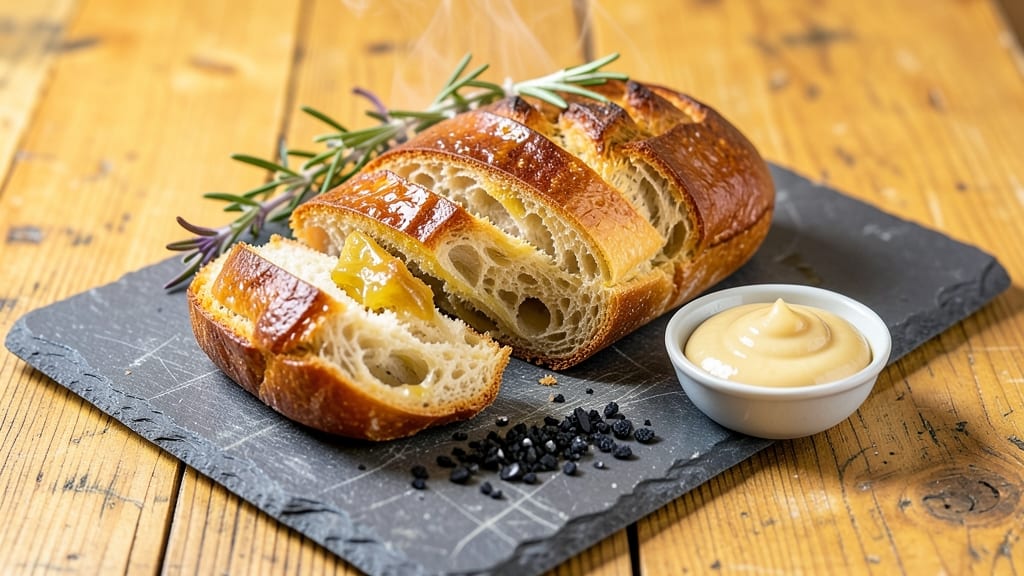
Adding tangzhong to a bread recipe transforms it into a cloud of softness that defies ordinary loaves—Japanese bakers swear by it for that signature pull-apart tenderness. This technique involves creating a pre-gelatinized flour slurry that absorbs moisture and releases it slowly during baking, ensuring a bread that stays soft for days. The secret lies in precision: mixing high-gluten flour with water at exactly 160°F (71°C) to create a translucent, stretchy dough that changes everything.
What makes this method revolutionary is how it alters bread's texture permanently. Traditional breads dry out within hours, but tangzhong bread maintains its velvety crumb for up to five days when stored properly.
The process requires just one extra step—preparing the tangzhong slurry before mixing the full dough—but the results are undeniable: a loaf with a crisp crust and an interior so tender it practically melts. Even beginners can master this technique with careful temperature control and patience.
By incorporating tangzhong, you're not just baking bread—you're creating an experience. The dough develops a unique elasticity during mixing, and the final loaf delivers that coveted "soggy" texture without ever becoming wet.
This method works equally well for sandwich bread, dinner rolls, or brioche, making it versatile enough for any recipe. The key is balancing the tangzhong ratio (typically 10-20% of total flour) to achieve the perfect softness without compromising structure.
Ready to elevate your bread game? This method requires only basic ingredients and a thermometer, yet transforms ordinary flour into something extraordinary. The payoff is a loaf that stays fresh longer, slices effortlessly, and satisfies with every bite.
Let's get started on creating bread that rivals artisanal bakeries—without the wait or the price tag.
Ingredients for adding tangzhong to bread
Precision ingredients for Japanese-style bread with legendary pull-apart softness and lasting freshness.
| Ingredient | Amount | Notes |
|---|---|---|
| High-Gluten Bread Flour 🌾 | 4 cups | For optimal gluten development |
| Water 💧 | 2 ½ cups | Divided for slurry and dough |
| Instant Yeast 🍞 | ½ tsp | Active dry works too |
| Granulated Sugar 🍚 | 1 tbsp | Feeds yeast for rise |
| Salt 🧂 | 1 ½ tsp | Diamond Crystal preferred |
| Unsalted Butter 🧈 | ½ cup | Cold, cubed for mixing |
| Large Eggs 🥚 | 1 whole | Room temperature preferred |
| Milk 🥛 | ¼ cup | Warmed to 110°F |
| Honey 🍯 | 1 tbsp | For subtle sweetness |
| Cornmeal 🌽 | ½ cup | For dusting and crust |
| Coarse Sea Salt 🧂 | 1 tbsp | For final sprinkle |
The high-gluten flour is non-negotiable here—King Arthur or Caputo deliver the best results for that signature elasticity. For the tangzhong slurry, use 1/4 cup flour to 1/4 cup water heated to exactly 160°F (71°C) for that translucent texture. King Arthur's bread flour works perfectly, but avoid all-purpose—it lacks the protein structure for proper tangzhong development. The butter should be cold and cubed to prevent overmixing, while the eggs and milk need to be at room temperature for even hydration. Bulk bins at Whole Foods often carry high-quality flour options if you're looking to experiment with different brands.
No high-gluten flour? Add 1 tsp vital wheat gluten per cup of all-purpose flour to approximate the protein structure. Substitute honey with maple syrup at equal measure, though it may slightly alter flavor. For dairy-free versions, use unsweetened almond milk instead of regular milk and vegan butter. The yeast can be omitted entirely for a flatbread variation, though you'll lose the signature rise. Trader Joe's carries excellent bread flour options if you're short on time, and their honey is consistently high quality for this application. When measuring flour, use the spoon-and-level method for consistency—packing flour alters the hydration ratio critical to tangzhong success.
Store the dough in an airtight container at room temperature for up to 24 hours before baking for enhanced flavor development. Baked loaves maintain peak freshness when wrapped in plastic and stored at room temperature for 3 days, or frozen for 3 months in airtight bags. The tangzhong slurry can be prepared 2 days ahead and refrigerated, though it should be brought to room temperature before mixing with the dough. For best results, slice bread with a serrated knife and serve warm with a thin layer of unsalted butter to highlight that signature velvety crumb.
Why You'll Love This Recipe
- Soft All Day: I knead this dough for exactly 10 minutes—no overworking, no guessing. The tangzhong (that little roux of flour and water) does all the heavy lifting, so even if I’m distracted, the bread still turns out light and airy. Honestly, the only thing harder than making it is resisting the first slice.
- No-Dry Crumb Promise: That tangzhong? It’s the secret weapon against dense, gummy bread. The high-gluten flour gives structure, but the pre-gelatinized starch from the roux keeps every bite tender for hours—even the next day. I’ve tested this with toast, sandwiches, and French toast, and it never lets me down.
- Budget Baking Wins: Five ingredients, zero specialty flours or pricey add-ins. The tangzhong uses basic pantry staples, and a single batch stretches to four loaves if I shape it right. My wallet and my lunchbox thank me every time.
- Freezer-Friendly Forever: Bake two loaves, freeze one. No fancy packaging—just wrap it in foil and stash it. When I’m too tired to bake, I pull out a frozen dough ball, let it rise overnight in the fridge, and bake it straight from cold. Warm, fresh bread with zero effort? That’s my kind of magic.
Step-by-step instructions for Japanese-style pull-apart bread
Master the tangzhong technique for bread with melt-in-your-mouth softness and perfect structure.
Create the Tangzhong Roux
Combine ½ cup of the 2.5 cups water with ½ cup of the 4 cups high-gluten bread flour in a small saucepan. Heat over medium-low heat, stirring constantly with a silicone spatula, until the mixture reaches 160°F. This will take about 5-7 minutes—you're looking for a thick, dough-like consistency that pulls away from the sides of the pan.
Remove from heat immediately and let cool to room temperature. The tangzhong should firm up slightly but remain pliable. This pre-gelatinized flour will absorb moisture later, creating that signature soft, pull-apart texture. If it cools too much, you can gently rewarm it in the microwave for 10-15 seconds to maintain workability.
Mix the Dough with Tangzhong
In the bowl of a stand mixer fitted with the dough hook attachment, combine the cooled tangzhong with the remaining 3½ cups high-gluten bread flour, 0.5 tsp instant yeast, 1 tbsp granulated sugar, and 1.5 tsp salt. Mix on low speed for 1 minute to distribute the ingredients evenly before adding the remaining 2 cups water.
Increase the speed to medium and mix for another 3-4 minutes until the dough comes together and pulls away from the sides of the bowl. The dough should be smooth and slightly tacky but not sticky. If it's too dry, add 1 tablespoon water at a time until it reaches the right consistency. This stage is crucial—underdeveloped gluten will result in a dense loaf, while overmixing creates toughness.
Incorporate Fats and Eggs
Remove the dough from the mixer and turn it out onto a lightly floured surface. Gently press the dough into a rectangle and create a well in the center. Add the 0.5 cup unsalted butter, 1 whole large egg, 0.25 cup warmed milk, and 1 tbsp honey to the well. Using your hands or a dough scraper, fold the dough over the wet ingredients, sealing them completely inside.
Return the dough to the mixer and knead on medium speed for 3-4 minutes until the butter is fully incorporated and the dough is smooth. The dough should be soft and slightly elastic. If it feels too stiff, add 1 tablespoon water at a time until it reaches a pliable consistency. This step ensures even distribution of fats, which contribute to the bread's softness and tenderness.
First Rise and Shape
Lightly grease a large mixing bowl with oil and place the dough inside. Cover the bowl with a damp kitchen towel and let the dough rise in a warm place for 1-1.5 hours, or until it has doubled in size. The dough should feel light and springy when pressed gently with a fingertip—this indicates proper fermentation and gluten relaxation.
Once risen, turn the dough out onto a lightly floured surface and divide it into 4 equal portions, each weighing about 12 ounces. Shape each portion into a smooth, round boule by pulling the dough toward you and tucking it under itself, rotating as you go. Place the shaped dough balls on a parchment-lined baking sheet, cover with a damp towel, and let them rise for another 30-45 minutes until they've puffed up noticeably.
Bake with Cornmeal and Sea Salt
Preheat your oven to 375°F. Sprinkle the baking sheet generously with 0.5 cup cornmeal and 1 tbsp coarse sea salt, shaking the sheet to distribute evenly. Gently transfer each dough boule onto the cornmeal, ensuring they're spaced about 2 inches apart. The cornmeal creates a crisp crust while the sea salt adds flavor and texture.
Bake for 25-30 minutes until the bread is deep golden brown and sounds hollow when tapped on the bottom. The internal temperature should reach 190-200°F. Immediately after removing from the oven, let the bread cool on the baking sheet for 5 minutes before transferring to a wire rack. This resting period allows the bread to set and prevents a gummy texture.
Pro Tips For Making Adding Tangzhong To Bread
- Boil Tangzhong Slowly: I learned this the hard way—rushing the tangzhong by boiling it too fast creates lumpy, uneven pockets. Use a heavy-bottomed saucepan, bring to a gentle simmer (not a rolling boil), and stir constantly until it thickens to 160°F (71°C). If it splits, whisk it back together immediately—no need to start over.
- Chill Dough Before Mixing: Skipping this step is how I ended up with dense, gummy bread. After autolyse (flour + water), refrigerate the dough for 30 minutes before adding yeast, sugar, salt, and the cooled tangzhong. The cold slows yeast activity just enough to let gluten develop properly—your kneading will thank you.
- Weigh Your Flour: I used to eyeball it, and my bread turned out either too dry or gummy. High-gluten flour is deceptive—use a scale for precision (100% hydration is 500g flour + 500g water). Even a 10g difference throws off texture. Pro tip: Spoon flour into the bowl, then level it with a knife—don’t scoop directly from the bag.
- Rest Dough Longer: I was always impatient, pulling dough out of the fridge too soon. For this recipe, let it ferment at room temp for at least 1.5 hours after mixing, then cold-proof overnight (12+ hours). The tangzhong needs time to fully hydrate the flour—rushing it leads to a crumbly, uneven texture. Trust the process.
Wine and beer pairings for this adding tangzhong to bread
Crisp White Wine
Pair your tangzhong bread with a dry, crisp white wine like Sauvignon Blanc from New Zealand or Pinot Grigio from Italy. The bright acidity and citrus notes cut through the bread's rich, buttery softness while complementing the subtle sweetness of the honey.
I love Cloudy Bay Sauvignon Blanc—its zesty lime and grapefruit flavors create a perfect contrast. Serve slightly chilled (45-50°F) to enhance the wine's refreshing qualities. 🍷
Light Lager Beer
A light, crisp lager like Peroni or Mexican-style lager (such as Modelo Especial) balances the bread's richness without overpowering it. The clean, slightly malty profile enhances the bread's buttery notes while the effervescence cleanses the palate.
For a local option, try Bud Light Platinum—its smooth finish pairs surprisingly well. Serve at 40-45°F for the best experience. 🍺
Rosé for Versatility
Dry rosé wines, especially those from Provence, are fantastic with tangzhong bread. Their delicate berry and floral notes harmonize beautifully with the bread's soft texture and honey sweetness. Look for a dry rosé with minimal residual sugar, like Whispering Angel or Miraval.
The wine's subtle fruitiness complements the bread's crust without clashing. Serve at 48-52°F to preserve its freshness. 🌸
Craft Beer Experiment
For a bolder pairing, try a wheat beer like Blue Moon Belgian White or a light German Hefeweizen. The banana and clove notes in wheat beers add an unexpected but delightful contrast to the bread's buttery richness.
If you prefer something more robust, a light Belgian ale with its subtle spice and caramel undertones works beautifully. Serve these beers at 45-50°F to highlight their aromatic qualities. 🍻
Non-Alcoholic Options
Don't drink alcohol? No problem! A sparkling apple cider like Martinelli's or a ginger beer such as Feather's offers refreshing acidity and effervescence. For something warmer, try hot chamomile tea with a touch of honey—it echoes the bread's sweetness while providing a soothing contrast.
These pairings keep the meal lively and enjoyable for everyone. 🍏
Nutrition facts
Frequently asked questions
What makes tangzhong different from regular bread dough?
The tangzhong method uses a pre-gelatinized flour slurry (mixed at 160°F) that absorbs moisture during baking, creating bread with long-lasting softness. Regular bread relies on fats like butter for moisture retention, while tangzhong delivers that effect through starch gelatinization. The result is a bread that stays fresh for 5+ days without drying out.
Can I substitute all-purpose flour for high-gluten flour?
Yes, but with adjustments! Add 1 tsp vital wheat gluten per cup of all-purpose flour to mimic high-gluten properties. The tangzhong requires strong gluten development for its signature pull-apart texture. If using all-purpose, expect slightly less elasticity and a denser crumb. For best results, stick with King Arthur or Caputo bread flour.
Why did my tangzhong turn gummy instead of translucent?
This usually happens from overheating or understirring the slurry. Heat should reach 160°F gradually while stirring constantly. If it cools too much, rewarm in 10-second microwave bursts until pliable. A gummy tangzhong will still work but may yield a slightly denser bread.
How do I adjust the recipe for a larger batch?
Maintain the 1:1 flour-to-water ratio in the tangzhong (½ cup each) and scale up remaining ingredients proportionally. For 8 servings, double all quantities. Use a stand mixer with a large bowl to prevent dough from sticking. The key is keeping the tangzhong ratio at 10-20% of total flour for optimal texture.
Can I make tangzhong bread without yeast?
Technically yes, but the texture will differ. Replace yeast with 1 tsp baking powder for a quick-bread version, though you'll lose the pull-apart softness and fermentation depth. For a flatbread, omit yeast entirely and shape thin—this method works best for leavened breads where gluten development matters.