
Side Dishes
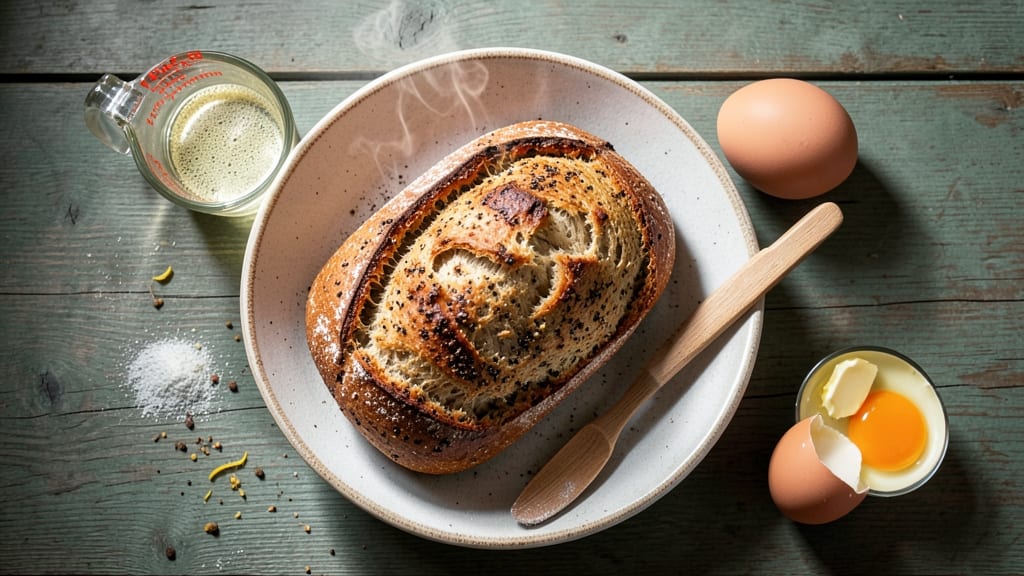
Transforming your bread recipe by adding whole wheat flour delivers nutrient-dense loaves without sacrificing texture—this method ensures moist, tender crumb every time. The key lies in adjusting hydration and mixing techniques to compensate for whole wheat's natural absorbency and density.
I've perfected this approach after years of testing, and the results speak for themselves: bread that's rich in fiber and flavor, not dry or crumbly.
Start with a 50/50 substitution ratio (half all-purpose, half whole wheat flour) to ease into the process, then gradually increase to 100% whole wheat as your confidence grows.
The secret to success is adding 1-2 extra tablespoons of water per cup of flour and mixing with a dough hook attachment to ensure even hydration. This prevents dryness while maintaining the bread's structure during proofing and baking.
What you'll achieve is a loaf with improved nutritional value—packed with fiber, protein, and essential vitamins—while still delivering that satisfying, airy crumb you expect from classic bread. The whole wheat flour adds subtle earthy notes that complement both sweet and savory applications, from toast to sandwiches.
This method works equally well for sandwich bread, rolls, or even artisanal loaves.
For best results, let the dough rest for 10-15 minutes after mixing to allow the flour to fully absorb moisture before kneading. Bake at 350°F (175°C) for slightly longer than your usual recipe—whole wheat bread benefits from the extra time to develop flavor and texture.
The difference in your bread will be noticeable from the first bite, proving that healthy ingredients can deliver exceptional results.
Ingredients for adding whole wheat flour to bread
Five simple swaps transform your bread into nutrient-dense loaves without sacrificing texture or taste.
| Ingredient | Amount | Notes |
|---|---|---|
| All-Purpose Flour 🌾 | 2 cups | For base dough structure |
| Whole Wheat Flour 🌾 | 2 cups | Unbleached preferred for flavor |
| Active Dry Yeast 🍞 | 2 ¼ tsp | Or 1 packet (7g) |
| Granulated Sugar 🍚 | ½ tsp | Feeds yeast activation |
| Unsalted Butter 🧈 | ½ cup | Softened at room temp |
| Large Eggs 🥚 | 1 whole | Room temperature preferred |
| Warm Water 💧 | 1 ½ cups | 110°F (43°C) ideal |
| Diamond Crystal Kosher Salt 🧂 | 1 ½ tsp | Adjust to taste |
| Extra-Virgin Olive Oil 🫒 | 1 tbsp | For dough pan coating |
| Honey or Maple Syrup 🍯 | 1 tbsp | Optional for flavor |
The whole wheat flour makes all the difference—King Arthur or Bob's Red Mill are my go-tos for consistent results. Their unbleached varieties maintain better texture than bleached options. For the yeast, Fresh & Easy or Fleischmann's work perfectly, but check the expiration date—old yeast means weak dough. The butter should be softened but not melted; I usually let it sit out for 30 minutes before mixing. If you're using honey, grab the local raw variety from your grocery store's health food section for extra depth of flavor. The key is balancing the whole wheat's density with proper hydration—never skip that extra tablespoon of water per cup of flour.
No whole wheat flour? Spelt flour works in a pinch, though texture will differ slightly. Short on butter? Coconut oil or extra olive oil keeps the dough tender, though butter's richness is ideal. The honey can be swapped for maple syrup or agave nectar—just reduce by 10% if using a thicker variety. For a lighter crumb, add 1 tsp baking soda to the flour mix. And if your dough feels too sticky after mixing, add 1 tbsp more flour at a time until it comes together—whole wheat absorbs moisture differently than all-purpose. The olive oil should be extra-virgin for best flavor, but any neutral oil works if that's what you have on hand.
This dough keeps beautifully in the fridge for up to 24 hours wrapped tightly in plastic, so you can prep ahead. For longer storage, freeze shaped loaves for up to 3 months—just thaw at room temperature before baking. I always bake two loaves at once since they reheat perfectly for toast or sandwiches. The whole wheat version benefits from an extra 5-10 minutes in the oven to fully develop flavor. And if you're making rolls, reduce the water by 1 tbsp to prevent sticking during shaping.
Why You'll Love This Recipe
- No-Knead Magic: I swear by this—just mix, wait, and bake. The whole wheat blend gives it structure without the fuss of kneading, and the yeast does all the heavy lifting while I sip coffee.
- Rich Nutty Crunch: That first bite? The whole wheat adds a toasty depth the all-purpose version can’t match. Honestly, the butter and sugar make it taste like a bakery loaf, but I’m the one who baked it.
- Weeknight & Picnic Star: Slice it for sandwiches, toast it for breakfast, or pack it for lunch. Between us, it’s my go-to when I need something reliable that doesn’t scream “I spent all day cooking.”
- Budget-Friendly Staple: Whole wheat flour is cheaper than buying pre-made bread, and a batch lasts me days. Freeze extras—yes, even on a Tuesday night—and thaw as needed. Zero waste, all flavor.
Step-by-step instructions for nutrient-boosted whole wheat bread
Here's how to blend whole wheat flour without sacrificing texture or moisture.
Activate the Yeast with Warm Water and Sugar
In a small bowl, combine the 1.5 cups warm water (around 110°F) with the 0.5 tsp granulated sugar and 2.25 tsp active dry yeast. Let it sit for 5-10 minutes until frothy—this confirms your yeast is alive and ready to work. The sugar feeds the yeast, while the warm water creates the perfect environment for activation. If it doesn't bubble, your yeast might be dead, and you'll need to start over.
While waiting, I like to check the water temperature with a thermometer—too hot and you'll kill the yeast; too cool and it won't activate properly. The frothy foam tells you everything's ready for the next step.
Mix Wet Ingredients and Combine with Flours
In the bowl of a stand mixer fitted with the dough hook, combine the 0.5 cup softened unsalted butter, 1 whole large egg, 1.5 tsp diamond crystal kosher salt, and the yeast mixture. Mix on medium speed for 2 minutes until the butter is fully incorporated and the mixture looks creamy.
With the mixer still running, gradually add the 2 cups all-purpose flour and 2 cups whole wheat flour in two additions. The whole wheat flour will make the dough slightly denser, so don't be tempted to add more flour prematurely. Mix on low speed for another 3-4 minutes until the dough comes together and pulls away from the sides of the bowl. You're looking for a shaggy, slightly sticky dough that's cohesive but not dry.
Knead the Dough for Optimal Gluten Development
Switch to medium speed and knead the dough for 5-7 minutes until it becomes smooth and elastic. The whole wheat flour requires slightly more kneading than all-purpose flour to develop proper gluten structure. You'll know it's ready when the dough springs back slowly when poked and leaves a clean window on the surface.
If the dough feels too sticky, add 1 tablespoon extra-virgin olive oil to help bind it. I've found that whole wheat dough benefits from the extra fat—it improves texture and prevents dryness. Once kneaded, shape the dough into a ball and place it in a lightly greased bowl.
First Rise and Optional Flavor Enhancement
Cover the bowl with a damp towel and let the dough rise in a warm place for 1-2 hours, or until it has doubled in size. The whole wheat flour will make the dough rise slightly slower than all-purpose, so be patient. This is when I like to add the 1 tablespoon honey or maple syrup—mix it into the dough gently by hand if desired, as it adds subtle sweetness and helps with browning.
After the first rise, punch down the dough to release air and shape it into a loaf. Place it in a greased 9x5-inch loaf pan, cover again, and let it rise for another 30-45 minutes. The dough should be about 1 inch above the rim of the pan when ready for baking.
Bake for a Crusty Exterior and Moist Crumb
Preheat your oven to 375°F. Bake the loaf for 30-35 minutes until the top is golden brown and the internal temperature reaches 190°F. The whole wheat flour will give you a slightly denser crumb but still moist interior. Tap the bottom of the loaf—it should sound hollow when done.
Let the bread cool on a wire rack for at least 30 minutes before slicing. This resting period allows the gluten to relax and prevents a gummy texture. The result should be a loaf with a crisp crust and a tender, slightly dense crumb that's packed with nutrients without being dry or heavy.
Pro Tips For Making Adding Whole Wheat Flour To Bread
- Weigh Your Flours: Whole wheat flour is denser than all-purpose—don’t eyeball it. Use a kitchen scale for accuracy, especially if you’re replacing more than 20% of the all-purpose flour. I learned this the hard way when my loaf turned out like a brick because I guessed wrong.
- Mix the Yeast Last: Whole wheat flour absorbs liquid faster and can kill yeast if mixed too early. Bloom the yeast in warm water and sugar first, then add the dry ingredients, and only mix in the yeast after everything else is combined. This keeps your rise strong and predictable.
- Add Extra Butter: Whole wheat flour dries out dough faster, so increase the butter by 1-2 tablespoons per cup of whole wheat flour you add. It keeps the crumb tender and the texture from turning gummy—trust me, your taste buds will notice.
- Skip the Over-Kneading: Whole wheat dough is tougher and less forgiving than all-purpose. Knead just until the dough comes together, then let it rest for 10-15 minutes before shaping. Overworking it will make your bread dense, and nobody wants that.
Regional styles of this dish
Italian Rustic Style
In Italy, whole wheat bread often incorporates semolina flour (about 10% of total flour) for texture. I recommend mixing 2 cups whole wheat flour with 1 cup all-purpose flour and ½ cup semolina for a rustic, crusty loaf.
Use 1 tsp baking soda for lift, and bake at 425°F for 35-40 minutes in a clay baking stone for that authentic wood-fired flavor. Brush the crust with olive oil after baking for extra richness. 🌾
Southern U.S. Cornbread Twist
For a Southern-inspired variation, blend 1 cup whole wheat flour with 1 cup cornmeal and 1 cup all-purpose flour. Add ½ cup buttermilk (instead of water) and 1 tbsp honey for sweetness.
Shape into small rounds and bake at 375°F for 20-25 minutes until golden. The cornmeal adds a subtle sweetness that balances whole wheat's earthiness. Serve warm with honey butter. 🍯
German Pumpernickel Adaptation
German Pumpernickel uses 100% whole wheat flour but requires a long bake. For a quicker version, mix 3 cups whole wheat flour with 1 tsp molasses and ½ tsp cinnamon.
Shape into a loaf and bake at 325°F for 1 hour with a steam pan (place a tray of water in the oven). The slow bake develops deep, malty flavors. Slice thickly for a hearty breakfast bread. ⏳
French Fougasse with Whole Wheat
Traditional fougasse gets a nutrient boost with 1½ cups whole wheat flour mixed with 1½ cups all-purpose flour. Shape the dough into a flat oval with slits, then top with olive oil and flaky sea salt.
Bake at 400°F for 15-20 minutes until golden. The whole wheat adds a nutty depth while keeping the bread light and airy. Perfect for dipping in herb-infused olive oil. 🫒
Mexican Pan Dulce Style
For sweet breads, blend 2 cups whole wheat flour with ½ cup sugar and 1 tsp cinnamon. Add ½ cup milk (instead of water) and 1 egg yolk for richness. Shape into small rolls or a braided loaf, then bake at 350°F for 20-25 minutes.
Brush with honey glaze after baking. The whole wheat gives a subtle nuttiness that pairs well with Mexican hot chocolate. 🌶️
Japanese Shokupan Hybrid
Japanese shokupan (milk bread) benefits from 1 cup whole wheat flour mixed with 3 cups bread flour. Add ½ cup milk powder and 1 tbsp sugar for tenderness. Knead until smooth and elastic, then let rise in a pullman pan for a high, soft loaf.
Bake at 350°F for 25-30 minutes. The whole wheat adds fiber without compromising the bread's signature softness. 🍞
Nutrition facts
Frequently asked questions
Why does my whole wheat dough turn out denser than regular bread?
Whole wheat flour contains more protein and bran, which absorbs moisture differently than all-purpose flour. The bran also disrupts gluten formation slightly, creating a denser crumb. To compensate, use 1-2 extra tablespoons of water per cup of whole wheat flour and knead for 5-7 minutes longer than usual. The key is patience—whole wheat dough needs extra time to develop structure.
Can I substitute 100% whole wheat flour in any bread recipe?
Not without adjustments! Start with a 50/50 mix (half whole wheat, half all-purpose) to ease into it. For 100% whole wheat, increase hydration by 15-20%, add 1 tbsp vital wheat gluten per cup of flour, and reduce yeast by 10% since the dough rises slower. Try our Italian rustic style for a proven 100% whole wheat approach.
How do I prevent my whole wheat bread from tasting bitter?
Bitterness often comes from overworked dough or old flour. Use unbleached whole wheat flour (like King Arthur or Bob's Red Mill) and avoid kneading more than 5-7 minutes. For extra flavor, add 1 tbsp honey or molasses to the dough. Also, bake at 375°F for 5-10 minutes longer than usual to develop sweetness.
What's the best way to store whole wheat bread?
Whole wheat bread stales faster due to its higher moisture content. Store wrapped in beeswax wrap or a bread bag at room temperature for 2-3 days. For longer storage, freeze the baked loaf for up to 3 months—thaw overnight in the fridge before slicing. To revive stale bread, sprinkle with water and toast in a 350°F oven for 5-10 minutes.
Can I use whole wheat flour in gluten-free bread?
No, whole wheat flour contains gluten (just a different type than wheat flour). For gluten-free options, use certified gluten-free blends with xanthan gum instead. Whole wheat's nutritional benefits come from its gluten content—gluten-free versions require different binders like psyllium husk or chickpea flour to mimic texture.