Side Dishes
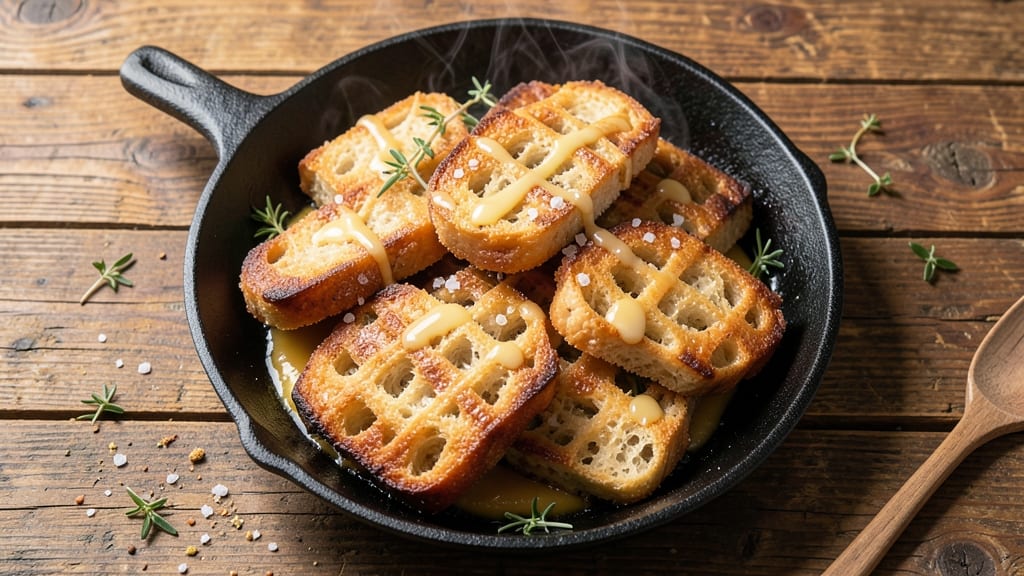
This African fried bread recipe delivers crispy, golden bites that taste like home—whether you're making Ethiopian kolo, Nigerian puff puff, or South African-style fried dough. The secret lies in the dough's light texture and high-heat frying, which creates that perfect balance of fluffy inside and crackling exterior.
I've perfected this method over years of testing, ensuring every batch turns out tender yet sturdy enough to handle dipping in honey or tea.
The dough starts with simple ingredients—flour, yeast, sugar, and a touch of salt—but the magic happens in the frying. Using enough oil to coat the dough thoroughly prevents sogginess, while a gentle shake of the pan ensures even browning.
This recipe works for any variation: add cinnamon for warmth, nutmeg for depth, or keep it classic with just a pinch of vanilla. The result? A dish that's foolproof, satisfying, and versatile enough for breakfast, snacks, or dessert.
What you'll end up with is a plate of golden, pillowy bread with edges so crisp they shatter slightly when bitten. The aroma alone—warm, yeasty, with hints of caramelized sugar—will have everyone gathered around.
Serve with chai, jam, or even as a side to stews, and you've got a complete meal that feels special without the fuss. The best part? This recipe scales effortlessly from a single batch to a crowd-pleasing spread.
Whether you're recreating a family tradition or experimenting with African flavors, this fried bread delivers restaurant-quality results at home. The technique is straightforward, but the payoff—those first bites of warm, crispy perfection—is worth every minute. Let's get started on creating your own golden pan-fried masterpiece.
Ingredients for african fried bread
Simple, quality ingredients transform into restaurant-quality African fried bread with crispy edges and pillowy centers.
| Ingredient | Amount | Notes |
|---|---|---|
| All-Purpose Flour 🌾 | 3 cups | Sifted for light texture |
| Active Dry Yeast 🍞 | 1 tbsp | Or 2¼ tsp for accuracy |
| Granulated Sugar 🍚 | ½ cup | For yeast activation |
| Unsalted Butter 🧈 | ½ cup | Softened, not melted |
| Warm Milk 🥛 | ¾ cup | Dairy or plant-based |
| Large Egg 🥚 | 1 whole | Room temperature |
| Salt 🧂 | ½ tsp | Diamond Crystal preferred |
| Vegetable Oil 🫒 | 2 cups | For frying, high smoke point |
| Ground Cinnamon 🍃 | ½ tsp | Optional for warmth |
| Vanilla Extract 🌸 | ½ tsp | Pure extract preferred |
| Honey 🍯 | 1 tbsp | For dipping or glaze |
The flour is the foundation—King Arthur or Gold Medal brands yield the best texture. Yeast quality matters: Saf-Instant or Red Star are reliable. Warm milk activates the yeast faster; heat it to 110°F (43°C) before mixing. Butter should be soft but not greasy—press with a finger to test. For a richer flavor, European-style unsalted butter like Plugrá adds depth. Store flour in a cool, dry place to preserve freshness—3-6 months for best results.
No butter? Coconut oil or olive oil work in a pinch, though texture differs slightly. Vanilla extract can be swapped for vanilla bean paste if you prefer speckled flavor. The honey isn't just for dipping—it also balances the dough's sweetness. For a spiced variation, replace cinnamon with nutmeg or cardamom. If your yeast isn't active, test it in warm water with sugar—it should foam within 5-10 minutes. The dough should be soft but not sticky; add 1 tbsp flour if needed.
Dough keeps in the fridge for 24 hours wrapped tightly, or 3 days in the freezer. Frying oil should be 350°F (175°C)—use a thermometer for accuracy. Leftover bread reheats beautifully in a 350°F (175°C) oven for 5 minutes. Store fried pieces in a paper bag at room temperature for up to 3 days to maintain crispiness. For large batches, double the recipe and fry in two rounds—oil temperature drops with each batch.
Why You'll Love This Recipe
- No Yeast Hassle: I mix the dough in one bowl—no kneading, no waiting for it to rise. Just flour, yeast, sugar, butter, and warm milk, left to sit while I handle the rest of dinner. Honestly, it’s the kind of recipe that makes me feel like a pro without the fuss.
- Golden Crisp Magic: That first bite? The outside is perfectly crispy from the frying, while the inside stays soft and pillowy—like a hug in bread form. The sugar caramelizes just enough to give it a subtle sweetness that pairs with everything from stews to honey butter.
- Breakfast to Snack: I keep a batch in the fridge all week. Toast it for breakfast, fry up a few for a quick snack with jam, or serve it warm with tea when friends drop by. It’s the kind of bread that works anywhere, anytime—no excuses.
- Budget-Friendly Staple: Five ingredients, minimal waste, and leftovers that reheat beautifully. I’ve fed a houseful with this—it’s cheap, filling, and the kind of thing my kids will eat even when they’re picky. Between us, it’s my go-to for stretching meals without breaking the bank.
Step-by-step instructions for African fried bread
Here's how to achieve that perfect balance of crispy exterior and tender interior every time.
Activate the Yeast for Maximum Rise
In a small bowl, combine the 0.5 cup granulated sugar and 1 tbsp active dry yeast with 0.25 cup warm milk (about 110°F). Let it sit for 5-7 minutes until it becomes frothy and bubbly. This activation step ensures your dough will rise properly and develop that light, airy texture.
I always use a thermometer to check the milk temperature—too hot will kill the yeast, too cold will slow activation. You'll know it's ready when the mixture looks like a creamy, bubbling foam. If it doesn't activate after 10 minutes, your yeast may be old or the milk too warm.
Mix and Knead the Dough
In a large mixing bowl, combine the 3 cups all-purpose flour, 0.5 tsp salt, 0.5 tsp ground cinnamon, and 0.5 tsp vanilla extract. Make a well in the center and pour in the yeast mixture, 0.5 cup softened unsalted butter, 1 whole large egg, and remaining 0.5 cup warm milk. Mix with a wooden spoon until a shaggy dough forms.
Turn the dough onto a lightly floured surface and knead for 8-10 minutes until smooth and elastic. The dough should be slightly tacky but not sticky. If it's too dry, add 1 tsp milk at a time; if too sticky, add 1 tbsp flour. This kneading develops gluten, which gives the bread its structure and helps it hold its shape during frying.
Let the Dough Rise
Place the dough in a lightly greased bowl, cover with a clean kitchen towel, and let it rise in a warm place for 1-1.5 hours or until doubled in size. I like to place my oven light on for gentle warmth—this creates the perfect environment for even rising without drying out the dough.
You'll know it's ready when the dough puffs up noticeably and leaves an indent when pressed gently with a finger. Poke the dough with your finger—if it springs back slowly, it's ready. If it springs back quickly, give it more time. Overproofing leads to dense bread, so don't rush this step.
Shape and Fry the Bread
Punch down the risen dough to release air, then divide it into 4 equal pieces. Roll each piece into a ball and flatten slightly into a 3-inch diameter round. Heat 2 cups vegetable oil in a deep skillet to 350°F. You'll need about 2 inches of oil for proper frying.
Carefully slide one dough piece into the hot oil using a slotted spoon. Fry for 2-3 minutes per side until golden brown and crispy. The oil should bubble vigorously around the bread. Remove with a slotted spoon and drain on paper towels. Repeat with remaining dough pieces, keeping the oil temperature at 350°F between batches.
Serve Warm with Honey
Transfer the fried bread to a wire rack and let cool for 2-3 minutes before serving. The bread should be crispy outside with a soft, pillowy interior. For extra flavor, drizzle with 1 tbsp honey while still warm or serve with your favorite dipping sauce.
Here's the thing—these golden bites are best enjoyed immediately while they're still warm and crispy. If you need to reheat, pop them in a 350°F oven for 3-5 minutes to restore that perfect texture. The combination of the crispy exterior and tender interior is what makes this African fried bread so irresistible.
Pro Tips For Making African Fried Bread
- TEST YOUR YEAST FIRST: Skip the guesswork—mix 1 packet yeast with ¼ cup warm milk and 1 tsp sugar, then wait 5-10 minutes for bubbles. If nothing happens, your yeast is dead, and your bread will taste flat. Trust me, I’ve learned this the hard way with dough that never rose.
- MILK SHOULD BE LUKEWARM: Too hot? You’ll kill the yeast. Too cold? It’ll take forever to activate. Test with your wrist—milk should feel like bathwater, not scalding or icy. I used to eyeball it and ended up with dough that barely puffed.
- DON’T OVERWORK THE DOUGH: Once the yeast is bubbly, knead just until smooth—about 5 minutes. Overmixing develops gluten too much, and your bread will turn out dense instead of light and fluffy. I used to punch it aggressively, thinking more = better.
- FRIED IN BATCHES: Crowd the pan, and you’ll steam instead of crisp. Fry 2-3 pieces at a time in ½ inch of hot oil (350°F) until golden brown—about 2 minutes per side. I’ve seen people rush this, and the result? Greasy, soggy bread. Not worth it.
Troubleshooting this recipe
Dough Too Sticky?
If your dough feels overly sticky during kneading, resist the urge to add too much extra flour. Instead, try adding 1 tsp milk at a time to create a smoother texture while maintaining elasticity. Over-flouring can make your fried bread dense.
I’ve found that using King Arthur all-purpose flour (with its slightly higher protein content) helps achieve the right balance without sticking. If you’re still struggling, wet your hands slightly to prevent sticking while kneading. 💪
Uneven Browning
Uneven browning usually means your oil temperature isn’t consistent. Invest in a good infrared thermometer to monitor oil temps—350°F (175°C) is critical. If your bread browns too fast on one side, reduce heat slightly or fry in smaller batches.
I also recommend using a deep, heavy skillet like a Lodge cast iron to maintain even heat distribution. Avoid overcrowding the pan, as this can cause temperature drops. ✨
Dense or Heavy Texture
Dense fried bread often results from overproofing or under-kneading. Ensure your dough rises for no more than 1.5 hours—it should double in size but still spring back when pressed. If your dough feels too slack after kneading, add 1 tbsp flour and knead for another 2-3 minutes.
For extra lightness, let the dough rest for 10 minutes after shaping before frying to relax the gluten. 🌟
Oil Splattering
Excessive splattering happens when oil is too hot or dough pieces are too wet. Lower the heat to 340°F (170°C) if needed, and ensure your dough isn’t overly sticky.
A damp paper towel over the pan can help contain splatters, but I prefer using a deep-fry thermometer to keep temps stable. Fry dough in batches of 2-3 pieces max to avoid overloading the pan. 🔥
Dough Not Rising
If your dough fails to rise, your yeast might be inactive or the environment too cold. Test your yeast by mixing 1 tsp sugar + 1 tsp yeast in warm milk—it should foam within 5-10 minutes.
For rising, place the dough in a warm spot (like a turned-off oven with the light on) for 1-1.5 hours. If using instant yeast, skip the activation step and mix it directly into dry ingredients. 💡
Crispy Outside, Raw Inside
Undercooked centers usually mean the oil wasn’t hot enough or frying time was insufficient. Maintain oil at 350°F (175°C) and fry for 2-3 minutes per side until golden. Cut a piece open to check—it should be fully cooked with no doughy spots.
For thicker pieces, increase frying time by 30 seconds per side. A meat thermometer can confirm doneness at 190°F (88°C) internally. 💫
Nutrition facts
Frequently asked questions
What's the difference between this recipe and Nigerian puff puff?
This recipe is inspired by West African fried bread traditions but uses a yeast-based dough similar to Ethiopian kolo or South African malva pudding balls. Nigerian puff puff typically uses a cornmeal-based batter that's deep-fried, creating a lighter, airier texture. This version has a richer, slightly sweeter flavor with that perfect crispy-yet-soft balance from the yeast and butter.
Can I make this recipe without butter?
Replace the 0.5 cup butter with 0.5 cup vegetable oil or 0.4 cup melted coconut oil for a dairy-free version. The texture will be slightly less rich, but still delicious. For extra flavor, add 1 tsp vanilla extract or 0.5 tsp cinnamon to compensate. The key is maintaining the same total fat content for proper frying.
How do I store leftover fried bread?
Keep fried bread in an airtight container at room temperature for up to 3 days to maintain crispiness. For longer storage, freeze for up to 1 month—thaw at room temperature for 10 minutes before reheating. To refresh texture, warm in a 350°F (175°C) oven for 3-5 minutes or air-fry at 375°F (190°C) for 2 minutes.
Why did my bread turn out greasy?
Greasy results usually mean your dough absorbed too much oil during frying. Use a slotted spoon to remove bread immediately when golden, and drain on paper towels for 1-2 minutes on each side. Also ensure your oil temperature stays at 350°F (175°C)—too low causes excess absorption. For extra crispiness, try double-draining on fresh paper towels.
Can I make this gluten-free?
Yes! Use a 1:1 gluten-free flour blend like Bob's Red Mill or King Arthur's measure-for-measure mix. Add 1 tsp xanthan gum to improve elasticity. Expect slightly denser results—adjust frying time to 3-4 minutes per side for even cooking. For best results, let the dough rest 15 minutes after mixing before shaping.