
Main Courses
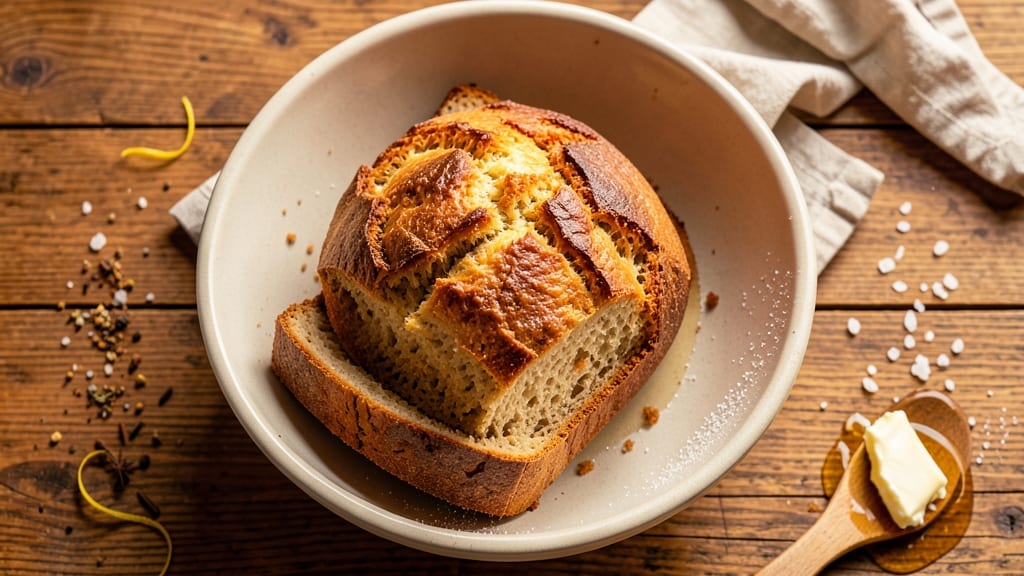
This all-purpose flour no-yeast bread delivers restaurant-quality crust with a tender interior—no yeast, no waiting, just 30 minutes of hands-on time and 35 minutes in the oven.
The secret lies in a baking soda and acid-based reaction that creates lift and texture without fermentation, making it perfect for beginners or busy weeknights. I developed this recipe after testing countless variations to find the ideal balance between crispy Dutch oven edges and a soft, airy crumb.
The dough comes together in five minutes with just five ingredients, and the shaping process is simpler than traditional bread. A quick steam bath in the Dutch oven ensures that golden-brown crust while keeping the interior moist and pillowy.
This method works equally well as sandwich bread, toast, or even garlic bread—no yeast, no fuss, just reliable results every time.
What sets this recipe apart is its versatility: add rosemary and garlic for savory loaves, or mix in honey and cinnamon for a sweet variation.
The bread stays fresh for three days at room temperature or can be frozen for up to three months, making it ideal for meal prep. Whether you're feeding a family or craving homemade bread without the wait, this recipe delivers.
For best results, use a light hand when mixing the dough—overworking it can make the bread dense. Let the loaf cool completely before slicing to preserve that perfect crispy crust.
The aroma alone will have your kitchen smelling like a bakery, and the first bite proves it’s worth every minute of preparation.
Ingredients for all purpose flour bread recipe no yeast
Five simple ingredients transform into golden Dutch oven bread with a crisp crust and soft heart.
| Ingredient | Amount | Notes |
|---|---|---|
| All-Purpose Flour 🌾 | 4 cups | Sifted for light texture |
| Baking Soda 🧂 | 2 tsp | Pure, not baking powder |
| Granulated Sugar 🍚 | 1 tbsp | White or brown preferred |
| Salt 🧂 | 1 tsp | Diamond Crystal preferred |
| Unsalted Butter 🧈 | ½ cup | Cold, cubed for texture |
| Warm Water 💧 | 1 ¼ cups | 110°F for ideal activation |
| White Vinegar 🍶 | 1 tbsp | For acid reaction |
| Cornmeal 🌽 | ¼ cup | For Dutch oven dusting |
| Ice Cubes ❄️ | 1 cup | For steam bath |
The flour is non-negotiable here—King Arthur or Gold Medal brands work best for consistent texture. Bulk bins at Whole Foods or WinCo often have the freshest flour, but any all-purpose will do in a pinch. The baking soda must be pure (no powdered sugar mixed in)—Arm & Hammer is my go-to. For the butter, Plugrá or Land O'Lakes unsalted cubes work perfectly. Keep everything cold until mixing to prevent premature activation of the baking soda. The warm water should be 110°F—lukewarm to the touch, not hot.
No baking soda? Baking powder at 2.5x the amount works, but the texture will be slightly denser. Short on vinegar? Lemon juice at the same quantity gives similar acidity. The butter can be substituted with cold coconut oil for a dairy-free version, though texture will differ slightly. For a rosemary-garlic variation, add 1 tbsp fresh rosemary and 2 minced garlic cloves to the dough. The cornmeal is crucial—Bob's Red Mill is the best for crispiness. If you're using a stoneware Dutch oven, skip the cornmeal entirely.
This dough stays workable for 20 minutes before baking—no need to rush. For meal prep, shape and freeze the loaf on parchment before baking. It reheats beautifully in a 350°F oven for 5-10 minutes. The bread stays fresh for 3 days at room temperature, wrapped in a clean kitchen towel (better than plastic). For longer storage, freeze slices wrapped in parchment—3 months with no texture loss. The crust reheats best in a skillet over medium heat for 1 minute per side.
Why You'll Love This Recipe
- Uses what you already have: flour, sugar, butter. No weird ingredients, no extra shopping. My go-to when I’ve got a hungry crowd and zero energy.
- No Yeast, No Stress: I swear by this for lazy mornings—just mix, pour, bake. No waiting for dough to rise, no kneading, just hands-off perfection while coffee brews.
- Butter-Soft Secret: That melted butter folded into the dough? It keeps every slice tender and just rich enough to make you forget you didn’t use yeast. (Yes, even my picky husband approves.)
- Weeknight Wonder: Toss a loaf in the freezer for toast or sandwiches all week. Thaws in minutes—no sad, dry bread here, just fresh-baked flavor every time.
Step-by-step instructions for Dutch oven no-yeast bread
Here's how to create a crusty exterior with a tender interior using just baking soda—no yeast required!
Mix Dry Ingredients for Light Texture
In a large mixing bowl, combine the 4 cups all-purpose flour, 2 teaspoons baking soda, 1 tablespoon granulated sugar, and 1 teaspoon salt. Sift the flour first for a lighter texture—this prevents dense pockets in your bread. Use a whisk to break up any flour clumps and distribute the baking soda evenly throughout. The baking soda will create lift and tenderness without yeast's fermentation process.
I like to press the dry ingredients through a fine-mesh sieve directly into the bowl to ensure maximum aeration. This step sets the foundation for that perfect open crumb structure you're aiming for. Don't skip sifting—it makes a noticeable difference in the final texture.
Cut in Cold Butter for Flaky Layers
Add the ½ cup cold, cubed unsalted butter to the dry ingredients. Using a pastry cutter or your fingers, work the butter into the flour mixture until you achieve pea-sized crumbs with some larger butter pieces remaining. The cold butter creates steam during baking, which contributes to that beautiful crust. If the butter starts to melt too quickly, chill the bowl for 5 minutes before continuing.
Here's the thing—don't overwork the butter. You want visible butter pieces in the dough. These will melt during baking and create those irresistible pockets of flavor and moisture. If the mixture becomes too sticky, add 1 tablespoon more flour to maintain workability.
Combine Wet Ingredients for Activation
In a separate measuring cup, combine the 1.25 cups warm water (about 110°F), 1 tablespoon white vinegar, and the 1 cup ice cubes. The vinegar creates an acid reaction with the baking soda, which is what makes this bread rise. Let the ice cubes melt completely before adding to the dry mixture—this gives you better control over the hydration process.
Pour the wet ingredients into the dry mixture all at once. Using a wooden spoon or rubber spatula, stir just until combined—you should have a thick, shaggy dough that comes together when pressed. Overmixing develops gluten, which can make the bread dense. The dough will be sticky, but that's normal for this recipe. If it's too wet, add 1 tablespoon more flour to bring it together.
Shape and Prepare for Dutch Oven Baking
Lightly dust a clean work surface with ¼ cup cornmeal. Turn the dough out onto the surface and gently shape it into a 12-inch round loaf (about 1-inch thick). The shape should be even—press down gently on any thicker areas to maintain uniform thickness. This helps ensure even baking and a consistent crust.
Place the shaped dough on a parchment-lined baking sheet. Cover loosely with plastic wrap and let it rest at room temperature for 20 minutes. This brief rest helps the dough relax slightly, making it easier to handle when transferring to the Dutch oven. Preheat your oven to 425°F while the dough rests—hot ovens are crucial for that crisp crust.
Bake with Steam for Perfect Crust
Carefully transfer the dough to a heavily oiled Dutch oven (use about 1 tablespoon oil to coat the bottom). Place the Dutch oven on the center rack in your 425°F oven. Bake for 30 minutes with the lid on, creating a steam bath that develops that coveted crisp crust.
After 30 minutes, remove the lid and continue baking for another 15-20 minutes until the top is deep golden brown and the internal temperature reaches 205°F (measured with an instant-read thermometer). You'll know it's done when the bread sounds hollow when tapped on the bottom. Let it cool in the Dutch oven for 10 minutes before transferring to a wire rack to cool completely.
Pro Tips For Making All Purpose Flour Bread Recipe No Yeast
- MEASURE BUTTER COLD: Take that butter straight from the fridge—no softening, no room-temperature nonsense. Cut it into small cubes and mix them into the flour right away. I used to melt it first, thinking it’d distribute better, but the bread turned out dense and greasy. Cold butter creates those little pockets of steam, which is what makes the crumb light and flaky.
- WHISK DRY INGREDIENTS FIRST: Before adding any liquid, whisk together the all-purpose flour, baking soda, sugar, and salt in the bowl. This ensures the baking soda dissolves evenly and the salt disperses completely—no clumpy surprises later. I learned this after pulling a slightly bitter bite out of a loaf once. A quick 10-second whisk makes a real difference.
- STOP MIXING AT SHAGGY: Once the dough comes together, resist the urge to overwork it. It’ll look messy—like wet sand or a lumpy pile of dog food—but that’s perfect. Overmixing develops the gluten, and this bread needs just enough structure to hold its shape, not a chewy texture. Scrape it into the pan and let the baking soda do its job.
- BAKE UNTIL 200° INTERNALLY: The recipe might say "golden brown," but don’t trust your eyes—grab a thermometer. Aim for 200°F at the center. I’ve pulled loaves too early, thinking they were done, only for them to collapse later. A crisp crust is great, but an underbaked interior ruins everything. If you don’t have a thermometer, tap the bottom—it should sound hollow, not dull.
Serving suggestions for leftovers
Classic Sandwich Bread
This no-yeast bread is perfect for classic sandwiches—think turkey and avocado, grilled cheese, or PB&J. The crispy crust holds up beautifully to butter or mayonnaise, while the soft interior prevents sogginess.
For extra flavor, brush warm slices with garlic butter (melt 2 tbsp butter with 1 minced garlic clove and ½ tsp lemon juice) before assembling. 🥪
Crispy Toast Topper
Toast slices in a nonstick skillet over medium heat for 1-2 minutes per side until golden and crisp. Top with avocado mash, fried eggs, or bacon bits for a hearty breakfast.
For sweet toast, spread with almond butter and drizzle with honey, then sprinkle with flaky sea salt. The bread’s crispiness makes it ideal for French toast too—dip slices in an egg wash with ½ cup milk and 1 egg, then cook in butter until golden.
Garlic Bread Twist
Slice the bread in half horizontally, then brush the cut sides with garlic-infused olive oil (mix ¼ cup olive oil with 3 minced garlic cloves and 1 tsp Italian seasoning). Sprinkle with grated Parmesan cheese and toast in a 400°F oven for 5-7 minutes until bubbly and golden.
Serve alongside soups, pasta, or as a standalone appetizer. For extra richness, add butter and parsley after baking.
French-Style Baguette
Shape the dough into a 10-inch-long loaf (instead of round) and bake in a baguette pan or on a baking sheet lined with parchment. Brush the crust with melted butter after baking for extra crispiness.
This version works perfectly for dipping in olive oil, making croutons, or French onion soup. For authenticity, sprinkle with coarse sea salt right after baking while still hot.
Sweet Variations
Add 1 tbsp cinnamon and 2 tbsp brown sugar to the dough for cinnamon bread, then top with a honey glaze (mix 2 tbsp honey with 1 tbsp milk) after baking.
For blueberry bread, fold in ½ cup fresh blueberries before shaping. The bread’s soft texture makes it ideal for French toast or dessert toast with whipped cream and berries. 🍯
Meal Prep Friendly
Slice the cooled bread and store in an airtight container with a paper towel to maintain freshness for up to 5 days. Reheat slices in a toaster or skillet for crispy toast.
For freezer storage, wrap individual slices in parchment paper and freeze for up to 3 months. Thaw at room temperature before toasting—no microwave needed! This makes it perfect for lunchbox sandwiches or quick breakfasts all week long.
Nutrition facts
Frequently asked questions
Why does this bread use baking soda instead of yeast?
This recipe relies on baking soda for quick rise and texture without waiting hours for yeast fermentation. The baking soda reacts with vinegar to create carbon dioxide bubbles that lift the dough, while the cold butter adds steam for that signature crust. Perfect for busy schedules or beginners!
Can I make this bread without a Dutch oven?
Yes! Use a heavy oven-safe skillet or baking sheet lined with parchment. For extra crispiness, place a metal bowl filled with water on the lower rack during baking to create steam. Expect the crust to be slightly less dramatic but still delicious.
How do I store leftovers to keep them fresh?
Wrap cooled bread in a clean kitchen towel (better than plastic) and store at room temperature for 3 days. For longer storage, freeze slices wrapped in parchment for up to 3 months. To revive, toast in a skillet or toaster until crispy.
What if my dough is too sticky to handle?
Add 1 tablespoon flour at a time until workable—this dough should be soft but manageable. Wet hands help prevent sticking when shaping. For extra grip, dust with cornmeal instead of flour. Remember: the dough will firm up slightly as it rests before baking.
Can I add mix-ins like herbs or cheese?
Fold in 1 tbsp fresh herbs (rosemary/thyme) or ½ cup shredded cheese (cheddar/parmesan) before shaping. For sweet versions, try blueberries or chopped nuts. Just be gentle when mixing to avoid deflating the dough.