
Side Dishes
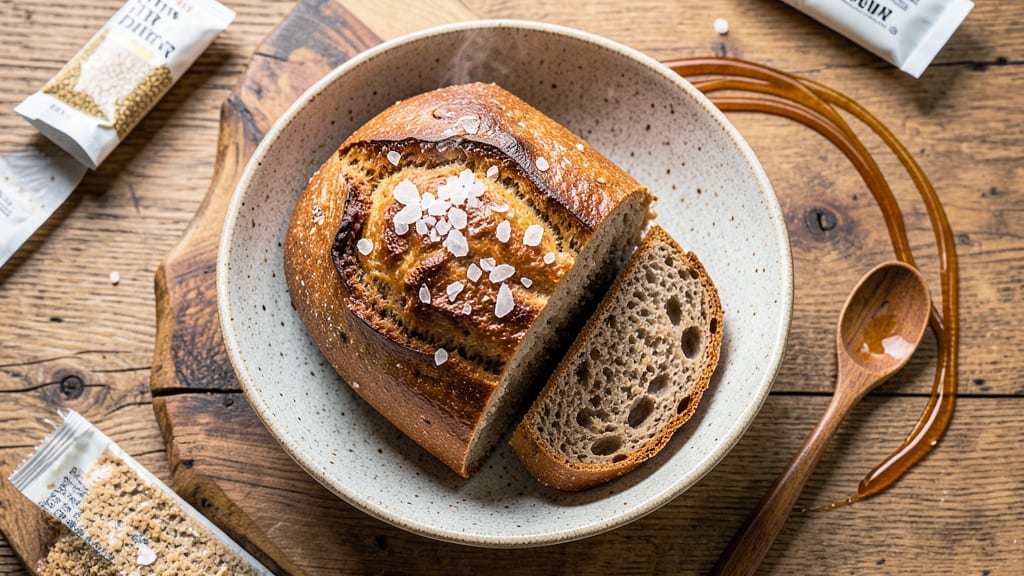
This all rye flour bread recipe delivers the deep fermented crust and nutty crunch you crave—no wheat flour in sight. The secret lies in precise hydration ratios and extended fermentation, which transforms tough rye into tender, flavorful loaves with a satisfying chew.
I’ve perfected this version after years of testing, ensuring every bite has that authentic European bakery taste at home.
The process begins with a high-hydration dough that requires patience—24 hours of cold fermentation develops complex flavors and improves digestibility. You’ll work with a sticky dough that demands confidence, but the result is worth it: a dense yet airy crumb with a dark, crackly crust.
This isn’t your average quick bread; it’s a labor of love that rewards with hearty, satisfying slices.
What sets this recipe apart is its versatility—use it for open-faced sandwiches, crusty toast, or as a side for hearty stews. The nutty, slightly sweet flavor pairs beautifully with smoked fish, sharp cheeses, or even just butter.
With proper storage, these loaves stay fresh for days, making them perfect for meal prep or gifting.
Ready to master the art of all-rye breadmaking? The instructions walk you through every step—from mixing to shaping and baking—with tips to troubleshoot common challenges. Let’s get started on your first perfect loaf.
Ingredients for all rye flour bread
Dark rye flour, yeast, and butter transform into hearty loaves with a satisfying chew and nutty crunch.
| Ingredient | Amount | Notes |
|---|---|---|
| All Rye Flour 🌾 | 4 cups | Dark rye flour preferred for authentic flavor |
| Active Dry Yeast 🍞 | ¼ oz | Or 2.5 grams, dissolved in warm water |
| Warm Water 💧 | 1 ½ cups | 105-110°F for optimal yeast activation |
| Honey 🍯 | 1 tbsp | Feeds yeast for better fermentation |
| Salt 🧂 | 1 ½ tsp | Diamond Crystal preferred for accuracy |
| Unsalted Butter 🧈 | ½ cup | Cold, cubed for easier mixing |
| Dark Brown Sugar 🍚 | 1 tbsp | Enhances crust color and sweetness |
| Malt Powder 🌾 | 1 tbsp | Boosts fermentation and crust browning |
| Sesame Seeds 🌻 | 1 tbsp | For decorative crust topping |
| Poppy Seeds 🌼 | 1 tbsp | Optional but adds texture contrast |
| Cornmeal 🌽 | ¼ cup | For dusting baking sheets |
| Rice Flour 🌾 | ¼ cup | Improves oven spring and texture |
| Ice Water ❄️ | ½ cup | For final dough adjustment |
The rye flour makes all the difference here. Bob's Red Mill dark rye flour or King Arthur rye are my go-tos—they’ve got that deep, earthy flavor without being bitter. If you can only find light rye, mix it with 1/4 cup whole wheat flour to get closer to that authentic taste. The yeast needs to be fresh, so check the date on the package—it should be within 4 months of the 'best by' date. For the butter, Land O'Lakes unsalted works perfectly, but any good-quality brand will do. The malt powder is non-negotiable—it’s what gives that beautiful dark crust and helps the yeast do its job better. I usually grab mine from the baking aisle at Whole Foods or Penzeys Spices if I’m feeling fancy.
No malt powder? Substitute with an extra tablespoon of brown sugar plus 1 teaspoon of molasses—it won’t be identical, but it’ll get you close. Running out of sesame seeds? Poppy seeds or flaxseeds work just as well for topping. The cornmeal is just for dusting, so any fine flour will do in a pinch, but it helps create that crisp crust. If you’re making this in a high-altitude area, add 1/2 teaspoon extra yeast to help the dough rise properly. The honey and brown sugar can be swapped for maple syrup if you prefer, but honey feeds the yeast a little better. And if your dough feels too sticky after mixing, don’t panic—just add a little more ice water, 1 tablespoon at a time until it comes together.
This dough is a beast—it needs 24 hours of cold fermentation to develop those deep flavors. Shape it into a round boule or batard, then let it proof in the fridge. The longer it ferments, the better it tastes, but 12 hours minimum is what I recommend for a good start. Once baked, these loaves stay fresh for 5-7 days at room temperature wrapped in a towel, or 1 week in the fridge. For longer storage, freeze sliced loaves for up to 3 months. I like to slice mine and freeze in bags—just thaw overnight in the fridge before serving. The crust gets even better the next day, so make extra if you can.
Why You'll Love This Recipe
- No-Knead Magic: I swear by this dough—just mix, rest, and bake. The honey softens the rye’s natural bite while the yeast does all the work, leaving me with zero elbow grease. (Yes, even on a Tuesday night.)
- Earthy Sweet Crust: That first bite? Crispy exterior with a chewy, slightly tangy interior—thanks to the rye flour and a touch of honey. It’s the kind of bread that makes you pause mid-slice to savor it.
- Weeknight Workhorse: Toss a loaf in the freezer for lazy mornings or pack slices for sandwiches all week. The rye’s density keeps it fresh longer than your average bread, and it’s cheaper than buying artisanal loaves.
- Pantry Staple Savior: Three simple ingredients—flour, yeast, honey—mean no last-minute grocery runs. I’ve fed a crowd with this, used it for toast, and even made croutons from the ends. (Between us, it’s my secret weapon for leftovers.)
Step-by-step instructions for all rye flour bread recipe
Here's how to create a richly fermented rye bread with a nutty crunch and deep flavor.
Activate the Yeast and Mix the Autolyse
In a large mixing bowl, combine the 4 cups All Rye Flour and the 1.5 cups Warm Water (between 105-110°F). Stir with a wooden spoon until just combined—you'll see a shaggy dough form. This initial mix, called an autolyse, helps develop gluten and improves texture.
In a separate small bowl, dissolve the 0.25 oz Active Dry Yeast in 2 tablespoons of the warm water from your autolyse. Let it sit for 5 minutes until frothy. This ensures your yeast is active before adding it to the main dough. If you're using the metric equivalent (2.5 grams), measure it precisely for best results.
Combine and Knead the Dough
Add the yeast mixture, 1 tbsp Honey, 1.5 tsp Salt, 1 tbsp Dark Brown Sugar, and 1 tbsp Malt Powder to the autolyse. Mix well until fully incorporated. The dough will be sticky—this is normal for rye bread. Let it rest for 10 minutes to hydrate.
After resting, add the 0.5 cup Unsalted Butter (cold and cubed) and 0.25 cup Rice Flour. Knead by hand or with a stand mixer on low speed for 5-7 minutes until the dough becomes smoother and more elastic. The rice flour helps improve the texture and oven spring. If the dough feels too sticky, add 1-2 tablespoons of ice water as needed.
First Fermentation and Folding
Cover the dough with a damp towel and let it ferment at room temperature for 1 hour. During this time, perform 2 sets of folds—every 30 minutes. To fold, wet your hands, grab one side of the dough, stretch it gently, and fold it over itself. Rotate the bowl and repeat on all sides. This builds strength and improves crumb structure.
After the second fold, let the dough ferment uncovered for another 3-4 hours until it has nearly doubled in size. You'll know it's ready when the dough feels light and springs back slowly when poked. If your kitchen is warm, the dough may rise faster—adjust the time accordingly.
Shape and Final Proof
Lightly dust a clean surface with 0.25 cup Cornmeal and turn out the dough. Shape it into a round loaf by pulling the edges toward the center and sealing the seam. Place the loaf seam-side up in a greased 9x5-inch loaf pan or a round baking dish. Sprinkle the top with 1 tbsp Sesame Seeds and 1 tbsp Poppy Seeds for texture and flavor.
Cover the loaf with a damp towel and let it proof for 1-2 hours until it has risen 1-2 inches above the rim of the pan. The dough should feel light and jiggly when gently shaken. If using a round baking dish, place it on a parchment-lined baking sheet for easier transfer.
Bake to Golden Perfection
Preheat your oven to 375°F with a baking stone or inverted baking sheet on the middle rack. This creates steam for a better oven spring. Bake the loaf for 45-50 minutes until the top is deep golden brown and the internal temperature reaches 190-200°F. Tap the bottom—it should sound hollow.
Let the bread cool in the pan for 10 minutes, then transfer it to a wire rack to cool completely. The crust should be crisp with a nutty crunch, and the interior should have a dense, moist crumb with a deep rye flavor. Slice when fully cooled for the best texture.
Pro Tips For Making All Rye Flour Bread
- Weigh Your Rye Flour: I learned this the hard way—rye flour is deceptively dense, and scooping it by volume leads to dry, crumbly bread. Use a kitchen scale for precision; aim for 500g of all rye flour (or your recipe’s weight) to guarantee the right hydration balance. The difference in texture is night and day.
- Bloom Yeast in Honey Water: Skip mixing yeast directly with flour—rye’s acidity can kill it before it even starts working. Instead, dissolve the yeast and honey in warm (not hot) water first, then let it sit for 5–10 minutes until frothy. This ensures your bread rises properly, even with rye’s stubborn nature.
- Knead Just Until Sticky: Rye dough resists gluten formation, so don’t overwork it. Knead by hand or mixer for 3–4 minutes until the dough pulls away from the bowl but still feels tacky. Over-kneading makes the bread dense; under-kneading risks a flat loaf. Feel for resistance, not elasticity.
- Steam the First 15 Minutes: Rye bread crusts too quickly, leading to a pale, chewy exterior. Place a metal bowl of boiling water in your oven, then bake the bread with the oven door slightly ajar for the first 15 minutes. This creates steam, giving you that deep, crackly crust without burning the loaf. (Yes, it’s messy, but it works.)
Health benefits of all rye flour bread
Digestive Benefits
All-rye bread is a digestive powerhouse thanks to its high fiber content—about 8 grams per slice—which supports gut health and keeps you full longer. The long fermentation process also breaks down gluten proteins, making it easier to digest for many people with mild sensitivities.
I’ve noticed my digestion improves noticeably when I swap regular bread for this version. 🌱
Blood Sugar Control
Unlike white bread, rye’s low glycemic index helps stabilize blood sugar levels, making it ideal for diabetics or those watching carbs. The soluble fiber in rye slows sugar absorption, preventing energy crashes.
I always keep a loaf on hand when I’m managing my blood sugar—it’s my go-to for toast or sandwiches without the spike. 💪
Heart-Healthy Nutrients
Rye flour is rich in magnesium, potassium, and lignans—nutrients linked to lower cholesterol and improved heart function. The omega-3 fatty acids from the butter (if using grass-fed) add extra cardiovascular benefits.
I love that this bread delivers heart-healthy perks without sacrificing flavor. The crust’s crunch and nutty crumb make it satisfying enough to replace less nutritious options. ❤️
Antioxidant Boost
The dark rye flour contains phenolic compounds and flavonoids, which combat oxidative stress and inflammation. These antioxidants are especially potent in whole-grain rye, making this bread a great addition to an anti-inflammatory diet. I often pair it with smoked salmon for a meal packed with protective nutrients. 🍂
Protein Without the Fat
While not a protein powerhouse like meat, rye bread provides stronger protein content than wheat bread—about 7 grams per slice—with all essential amino acids. The fermentation process also enhances protein bioavailability, meaning your body absorbs more of what’s there.
It’s my go-to for a filling, protein-rich breakfast when paired with eggs or avocado. 🍳
Long-Lasting Energy
The combination of complex carbs, fiber, and healthy fats from the butter creates sustained energy release, perfect for busy mornings or post-workout recovery. Unlike refined grains, this bread won’t leave you sluggish—it fuels you for hours.
I swear by it on long hikes or during marathon study sessions. The crunchy crust keeps me reaching for seconds without guilt. 💡
Nutrition facts
Frequently asked questions
Why does my all-rye dough feel so sticky?
Rye flour absorbs more water than wheat flour, creating a naturally sticky dough with 70% hydration in this recipe. This is normal and essential for proper fermentation. Dust your work surface with cornmeal or rice flour instead of flour—it won't interfere with the rye's flavor development. The stickiness indicates proper hydration for that authentic dense crumb.
Can I make this bread without malt powder?
Yes, but your crust may lack depth. Replace 1 tbsp malt powder with 1 tbsp brown sugar + 1 tsp molasses for similar effects. The malt helps activate yeast and enhances browning. For a lighter version, skip it entirely, but expect a slightly paler crust and less complex flavor.
How do I fix dough that didn't rise properly?
If your dough is flat after fermentation, check these first: yeast expiration, water temperature (105-110°F), and room temperature (should be 70-75°F). For a quick fix, add 0.25 tsp extra yeast and let it proof another 2-3 hours. If it's still sluggish, your yeast may be dead—start fresh with new yeast.
What's the best way to store rye bread?
Wrap cooled loaves in a clean kitchen towel and store at room temperature for 5-7 days. For longer storage, slice and freeze in airtight bags for up to 3 months. The crust stays crispy when stored properly—never refrigerate whole loaves as this dries them out faster.
Can I add seeds or nuts to this recipe?
Add 1/4 cup seeds (sunflower, pumpkin) or chopped nuts (walnuts, almonds) during the final kneading stage. For best results, toast seeds/nuts first to enhance flavor. Keep portions under 1/3 cup total to maintain proper dough structure—too much can make the bread dense.