
Side Dishes
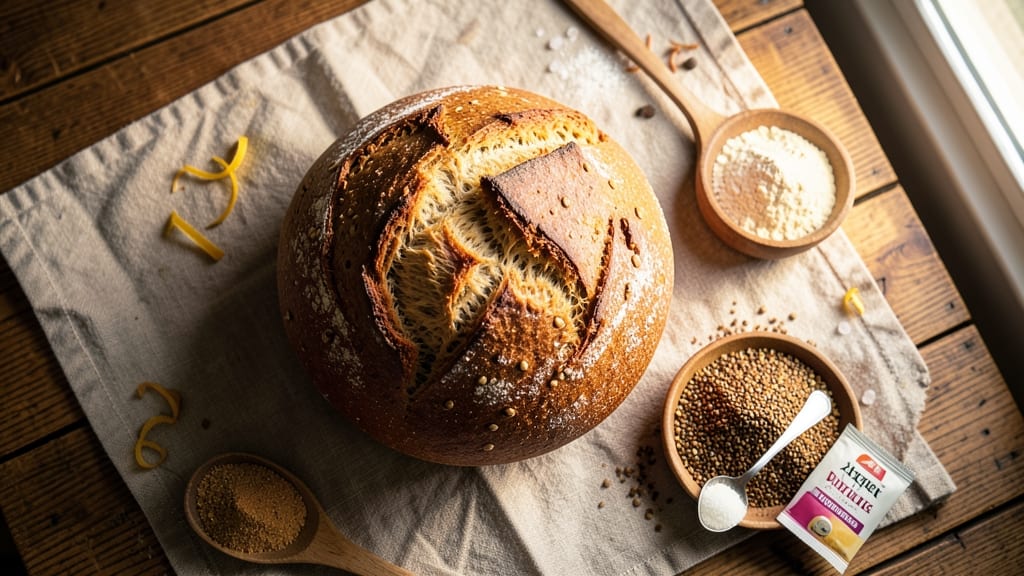
This all-wheat bread recipe delivers a nutty, hearty crust with a tender crumb—perfect for sandwiches, toast, or serving alongside soups. The secret lies in combining whole wheat flour with a touch of white flour for structure, creating a loaf that’s both wholesome and satisfying.
I’ve perfected this method over years of baking, ensuring every slice has that golden crust and subtle sweetness that makes it irresistible.
What sets this recipe apart is the foolproof technique for kneading and proofing, which guarantees a loaf with even texture and rich flavor without requiring advanced skills. The dough develops naturally over time, allowing the whole grains to soften just enough for a comforting, slightly chewy bite.
Whether you’re a beginner or an experienced baker, this method delivers restaurant-quality results with minimal effort.
The bread’s deep, nutty aroma fills your kitchen as it bakes, signaling a loaf that’s as beautiful as it is delicious. Store-bought options can’t compare—this version stays fresh for days when wrapped properly, making it ideal for meal prep or gifting.
The versatility of whole wheat flour also means you can easily adapt this recipe for vegetarian or vegan diets by using plant-based milk or flax eggs.
Ready in just 3 hours (including proofing), this recipe transforms simple ingredients into a homemade masterpiece. The crust develops a satisfying crunch, while the interior remains soft and flavorful—proof that wholesome bread can be indulgent too. Let’s get started on baking your perfect loaf.
Ingredients for all wheat bread
Whole wheat flour, yeast, and a touch of white flour create a loaf with nutty depth and satisfying texture.
| Ingredient | Amount | Notes |
|---|---|---|
| Bread Flour (White, All-Purpose) 🌾 | 1 cup | For structure and lightness |
| Whole Wheat Flour 🌾 | 3 cups | Unbleached, high protein preferred |
| Active Dry Yeast 🍞 | 2 ¼ tsp | Ensure yeast is fresh and viable |
| Granulated Sugar 🍚 | 1 tbsp | Enhances yeast activation |
| Instant Non-Fat Dry Milk Powder 🥛 | ¼ cup | Improves texture and browning |
| Salt 🧂 | 1 ½ tsp | Diamond Crystal preferred |
| Extra-Virgin Olive Oil 🫒 | ½ cup | High-quality for flavor |
| Warm Water 💧 | 1 ¼ cups | 110°F for optimal yeast activation |
| Honey 🍯 | 1 tbsp | For subtle sweetness and crust color |
| Cornmeal 🌽 | ¼ cup | For dusting the baking sheet |
| Egg Wash (Optional) 🥚 | 1 whole | For golden crust (omit for vegan) |
The quality of your flour is non-negotiable here. King Arthur or Bob’s Red Mill whole wheat flours are ideal—they’re finely milled and high in protein, which translates to a better crumb structure. For the white flour, Bread Flour gives the best oven spring, but all-purpose works in a pinch. The yeast should be fresh, so test it in warm water with a pinch of sugar—it should foam within 5-10 minutes. If it doesn’t, grab a new packet. The Diamond Crystal salt is preferred because it’s coarser and dissolves more slowly, enhancing flavor development. For the olive oil, California Avocado Ranch or Bertolli brands offer a balanced fruity profile that won’t overpower the dough.
No bread flour? All-purpose plus 1 tsp vital wheat gluten per cup mimics the protein structure. Running short on whole wheat? Substitute half the amount with rye flour for a deeper flavor, though the texture will be denser. Honey can be swapped for maple syrup at a 1:1 ratio, but it may darken the crust slightly. For a vegan version, replace the egg wash with a mix of 1 tbsp plant-based milk plus 1 tsp oil. The non-fat dry milk powder is crucial—it improves gluten development and gives that golden crust. If you can’t find it, powdered milk works too, though the results won’t be as crisp.
This dough is best made fresh, but you can prepare it up to 24 hours ahead by refrigerating the shaped loaf. Wrap it tightly in plastic wrap and let it come to room temperature before baking. For storage, wrap the cooled loaf in a clean kitchen towel and place it in a paper bag at room temperature—it’ll stay fresh for 3-4 days. To reheat, wrap a slice in foil and warm in a 200°F oven for 5-10 minutes. Freeze unsliced loaves for up to 3 months by wrapping tightly in plastic and aluminum foil. Thaw at room temperature before slicing.
Why You'll Love This Recipe
- No-Knead Magic: I swear by this—just mix, let it rise, and bake. The combo of bread flour and whole wheat gives it structure without the fuss of kneading, while the milk powder adds that subtle richness that makes it taste homemade in the best way.
- Rich Without Butter: Honestly, that instant non-fat milk powder is the secret weapon. It keeps the bread tender and adds a warm, slightly sweet depth that makes it taste like a bakery loaf, even when I’m too tired to measure yeast properly.
- Lunchbox Hero: Between us, this bread is my go-to for sandwiches—holds up to peanut butter and jam, doesn’t get soggy in a packed lunch, and the whole wheat keeps it satisfying enough to fill kids (or adults) until dinner. No sad, squished bread here.
- Pantry Goldmine: I buy whole wheat flour in bulk, and this recipe uses just enough to stretch my budget without breaking the bank. Plus, a single batch makes four days’ worth of toast or sandwiches—so it’s basically free bread after the first loaf. Win.
Step-by-step instructions for all wheat bread with nutty depth
Mastering this recipe delivers a bread with perfect structure and rich whole grain flavor.
Activate the Yeast for Optimal Rise
In a small bowl, combine the 1.25 cups warm water (about 110°F) with the 1 tbsp granulated sugar and 2.25 tsp active dry yeast. Let it sit for 5-10 minutes until foamy. This indicates the yeast is active and ready to work—if it doesn't foam, your yeast may be inactive and should be replaced.
While waiting, whisk together the 1 cup bread flour and 3 cups whole wheat flour in a large mixing bowl. The bread flour provides structure while the whole wheat flour delivers that characteristic nutty depth. Add the 1.5 tsp salt and 0.25 cup instant non-fat dry milk powder to the flour mixture and stir to combine. The milk powder improves browning and texture, creating a more professional result.
Combine Wet Ingredients and Develop Gluten
Make a well in the center of the dry ingredients and pour in the yeast mixture along with the 0.5 cup extra-virgin olive oil and 1 tbsp honey. Using a wooden spoon, gradually incorporate the wet ingredients into the dry, mixing until a shaggy dough forms. The honey adds subtle sweetness while enhancing crust color during baking.
Switch to a dough scraper and knead the dough on a lightly floured surface for 8-10 minutes until smooth and elastic. You'll know it's ready when it springs back slowly when poked. The whole wheat flour requires slightly more kneading than all-purpose flour to develop proper gluten structure. If the dough feels too sticky, add flour 1 tablespoon at a time—but don't overdo it, as excess flour can make the bread dense.
First Rise for Maximum Flavor Development
Lightly oil a large mixing bowl, place the dough inside, and cover with a damp kitchen towel. Let it rise in a warm place (like the top of your refrigerator) for 1-1.5 hours, or until doubled in size. The dough should feel light and airy when pressed gently with one finger—this indicates proper fermentation and flavor development.
During this time, preheat your oven to 375°F and line a baking sheet with parchment paper. Sprinkle the 0.25 cup cornmeal evenly over the parchment. The cornmeal creates a crisp bottom crust and prevents sticking. This is where the bread's texture truly transforms from dense to airy and crusty.
Shape and Proof for Perfect Crust
Punch down the risen dough to release air, then divide it into 4 equal portions (about 1 pound each). Shape each portion into a smooth, round loaf by pulling the dough toward you and sealing the seam. Place each loaf seam-side down on the prepared baking sheet, spacing them about 2 inches apart. Cover loosely with the damp towel and let proof for 30-45 minutes until puffy and slightly domed.
For an optional golden crust, whisk the 1 whole egg wash in a small bowl and brush lightly over each loaf just before baking. This step creates that bakery-style shine and crisp exterior. If you're making a vegan version, skip this step or use a plant-based milk wash.
Bake to Golden Perfection
Bake the loaves in the preheated oven for 30-35 minutes until they're deep golden brown and sound hollow when tapped on the bottom. The internal temperature should reach 190-200°F at the center. Rotate the baking sheet halfway through for even browning—this is especially important for whole wheat bread which can dry out more easily.
Remove from the oven and let cool on a wire rack for at least 30 minutes before slicing. The bread will continue to firm up as it cools, and this resting period prevents a gummy interior. For maximum flavor, serve within 2 days or freeze for up to 3 months. Each slice should reveal an open crumb structure with visible whole wheat flecks and a crisp, nutty crust.
Pro Tips For Making All Wheat Bread
- Mix the dough cold: Whole wheat flour gets gummy fast—start with ice cubes in your mixing bowl. The shock of cold water (about 65°F) keeps gluten from overdeveloping, and your dough won’t stick to your hands like a glue trap. (Yes, even if you’re impatient like me.)
- Bloom yeast in warm milk: Skip the dry yeast straight into flour—it’s a gamble. Instead, dissolve the yeast in warm water with the instant milk powder first (it’s like a pre-game meal for yeast). After 5 minutes, the mixture should look fizzy and smell like beer. If it’s sluggish, your oven’s too hot—yeast hates extremes.
- Shape tight, cover loose: Whole wheat dough fights back when shaping. Press it into a tight, smooth ball (no cracks) and let it rest 10 minutes before baking. Then cover it with a damp towel—not plastic—so the crust doesn’t dry out while it proofs. (I learned this the hard way when my loaves turned into hockey pucks.)
- Bake with steam, then dry: Preheat your oven to 375°F, then place a metal tray on the bottom rack and pour in 1 cup of boiling water. Bake the loaf for 10 minutes with the steam, then slide the tray out and bake another 20–25 minutes. This guarantees a crisp crust without burning the top—no more sad, flat loaves.
Storing and reheating this all wheat bread
Room Temperature Storage
Wrap your freshly baked all-wheat loaf in a clean kitchen towel and place it in a paper bag at room temperature. This method preserves moisture and prevents sogginess for 3-4 days. The towel absorbs excess moisture while the paper bag creates a breathable barrier.
For extra freshness, store it in a cool, dark place like a pantry—avoid direct sunlight which can dry out the crust. 🌾
To revive stale slices, wrap them in foil and warm in a 200°F oven for 5-10 minutes. The heat reactivates the bread's natural oils, restoring that fresh-baked aroma and texture. I find this method works better than microwaving, which can make whole wheat bread rubbery.
Refrigerator Preservation
If you need to store bread longer than 4 days, refrigerate it in an airtight container or resealable plastic bag. The cold slows staling, but whole wheat bread loses freshness faster than white bread—expect 5-7 days of quality storage.
To prevent freezer burn, remove as much air as possible before sealing. 🧊
When ready to use, let refrigerated bread sit at room temperature for 15-20 minutes before slicing. Cold bread is harder to cut cleanly and can become gummy.
I like to keep a loaf in the fridge for quick toast in the mornings, but I always take it out the night before to restore freshness.
Freezer Storage Tips
For maximum longevity, freeze unsliced loaves wrapped tightly in plastic wrap followed by aluminum foil. This double layer prevents freezer burn and preserves texture. Whole wheat bread freezes well for up to 3 months without significant quality loss. Label your packages with the date to track freshness. ❄️
Thaw frozen bread at room temperature for 2-3 hours or warm directly in the oven at 300°F for 10-15 minutes wrapped in foil. For quick use, you can also slice the frozen loaf and toast directly—just add 5-10 extra seconds to the toasting time.
The crust will be slightly firmer but still delicious.
Reviving Stale Bread
Got day-old slices? Don't toss them! Place stale bread in a 350°F oven for 5-8 minutes with a few drops of water sprayed on top. The steam helps restore moisture while the heat reactivates the starches.
This works especially well for whole wheat bread which tends to dry out faster than white bread. 🔥
For a creative twist, transform stale slices into breadcrumbs by processing in a food processor. These make perfect toppings for casseroles or meatballs. The nutty flavor from the whole wheat flour adds wonderful depth to savory dishes. I keep a small container in my freezer specifically for this purpose.
Nutrition facts
Frequently asked questions
Why does this recipe use both whole wheat and white flour?
Whole wheat flour gives that rich, nutty flavor and nutritional benefits, but it can make bread dense if used alone. The 1 cup bread flour adds structure and lightness, creating the perfect balance of wholesome taste and satisfying texture. Think of it as the "secret weapon" for a loaf that's both hearty and tender.
Can I make this bread without a stand mixer?
This dough is perfectly kneaded by hand on a lightly floured surface for 8-10 minutes. The key is to be patient and work the dough until it springs back slowly when poked. Whole wheat flour requires a bit more effort than all-purpose, but the result is worth it for that authentic whole grain flavor.
What if my dough doesn't rise properly?
Check your yeast first—it should foam within 5-10 minutes in warm water with sugar. If not, use fresh yeast. Also ensure your dough is in a warm spot (75-80°F) and covered loosely (not airtight). Whole wheat dough rises slower than white flour dough, so give it the full 1-1.5 hours before shaping.
How do I make this recipe vegan?
Replace the 1 whole egg wash with 1 tbsp plant-based milk + 1 tsp oil for the crust. For the dough itself, no changes are needed—this recipe is naturally vegan except for the egg wash. The non-fat dry milk powder can be omitted entirely if you prefer, though it does improve browning.
Can I substitute honey with something else?
Yes! Use maple syrup at a 1:1 ratio, or agave nectar for a neutral sweetness. Both work well, though maple syrup may darken the crust slightly. For a sugar-free option, try 1 tbsp molasses, but reduce to 0.5 tbsp as it's stronger. The honey adds subtle sweetness and helps with crust color—don't skip it if you want that bakery-style finish!