
Side Dishes
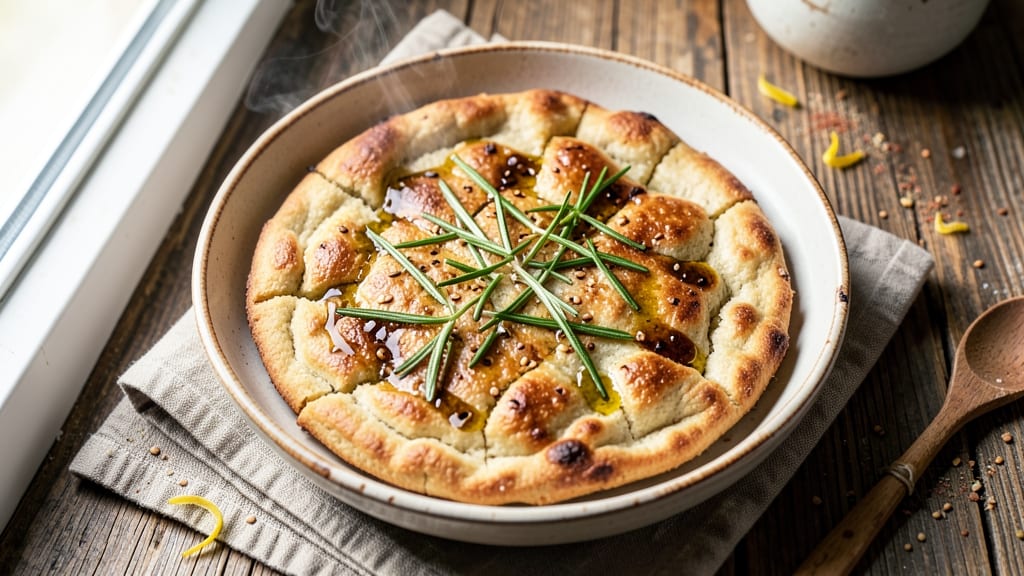
This almond flour flatbread recipe delivers crispy edges and chewy centers in just 10 minutes—perfect for gluten-free diets or anyone craving restaurant-quality flatbread at home.
The secret lies in the right blend of almond flour, eggs, and olive oil, which creates a dough that rolls out smoothly and bakes to golden perfection without cracking.
I developed this recipe after struggling to find a flatbread that stayed crispy while maintaining a tender interior, and this version finally nailed it every time.
The beauty of this recipe is its simplicity: just 5 ingredients and no kneading required. The almond flour provides a nutty depth and natural gluten-free structure, while the eggs bind everything together for a dough that’s easy to handle.
Whether you’re serving it with soups, dips, or as a side for grilled meats, the texture is what sets it apart—crispy on the outside, soft and pliable in the middle, with a subtle nutty flavor that pairs beautifully with almost anything.
What makes this recipe stand out is the foolproof technique for achieving that perfect texture. By pressing the dough gently into a thin circle before baking, you ensure even cooking and prevent any tough spots.
The result is a flatbread that’s sturdy enough to hold up to bold flavors but still tender enough to melt in your mouth. Plus, it’s naturally vegetarian, grain-free, and packed with protein, making it a versatile addition to any meal.
For extra flavor, try adding fresh herbs like rosemary or thyme, or sprinkle seeds like sesame or poppy before baking. Once you master this recipe, you’ll never reach for store-bought flatbread again—it’s that good. Let’s get started on making yours!
Ingredients for almond flour flat bread
Five simple ingredients transform into golden flatbreads with perfect crispy edges and chewy centers.
| Ingredient | Amount | Notes |
|---|---|---|
| Almond Flour 🌰 | 2 cups | Finely ground, unsweetened preferred |
| Large Eggs 🥚 | 2 whole | Room temperature for even mixing |
| Extra-Virgin Olive Oil 🫒 | ½ cup | High-quality, fruity variety |
| Diamond Crystal Kosher Salt 🧂 | ½ tsp | Fine grain preferred |
| Fresh Rosemary 🌿 | 1 tbsp | Finely chopped, stems removed |
| Sesame Seeds 🌾 | 1 tbsp | Toasted for enhanced flavor |
| All-Purpose Flour 🌾 | ¼ cup | For rolling surface only |
Almond flour is the foundation here—Bob's Red Mill or Anthony's Goods brands yield the finest texture. The flour should be finely ground to avoid gritty flatbreads; if using store-brand, pulse in a food processor for 10 seconds to ensure consistency. Eggs at room temperature mix more smoothly, so take them out 15 minutes before starting. Fresh rosemary adds aromatic depth, but dried rosemary at half the amount works in a pinch. The olive oil should be extra-virgin for that fruity richness—California-based brands like Corto or Colavita excel here. Toast the sesame seeds in a dry pan for 30 seconds before adding to intensify their nutty flavor.
No almond flour? Substitute half with oat flour for a lighter texture, though the nutty depth will diminish. Egg-free? Flax eggs (2 tbsp ground flaxseed + 6 tbsp water) bind the dough, though the flatbread may be slightly denser. For extra crispiness, brush the baked flatbreads with an additional 1 tsp olive oil while still warm. The all-purpose flour isn't essential but prevents sticking when rolling—use it sparingly to maintain the gluten-free integrity. If your dough feels too dry, add 1 tsp water at a time until pliable; too wet? Add 1 tbsp almond flour to absorb excess moisture.
Store flatbreads in an airtight container at room temperature for 2 days, or freeze between parchment paper for up to 3 months. Reheat in a 350°F oven for 3-5 minutes to restore crispiness. For make-ahead convenience, prepare the dough and refrigerate for up to 24 hours—bring to room temperature before rolling. The flatbreads reheat beautifully, making them ideal for meal prep. To keep them soft longer, store with a slice of bread or a damp paper towel in the container.
Why You'll Love This Recipe
- Four-Ingredient Magic: I swear, this recipe lives up to its name. Just almond flour, eggs, olive oil, and a pinch of salt—no measuring cups, no sifting, no fuss. Toss it all together, roll it out, and you’re done.
- Rosemary Crunch: That fresh rosemary? It’s the star. The crispy edges get a fragrant hit of piney brightness, while the inside stays tender—like a warm, herby hug in bread form. (Yes, even on a Tuesday night.)
- Dip or Wrap: Use it as a crusty vessel for soups, a wrap for sandwiches, or just tear it into chunks to snack on. The almond flour keeps it sturdy enough for holding, but light enough to eat by itself.
- Zero Waste, All Gain: The leftovers? They actually improve with time. Stale bread? Toast it or crumble it into salads—no sad, dry scraps here. Plus, almond flour stretches further than regular flour, so you’re saving money without sacrificing texture.
Step-by-step instructions for almond flour flatbread
Master this technique and you'll achieve golden, shatteringly crisp edges with a perfectly chewy interior every time.
Combine Wet and Dry Ingredients
In a large mixing bowl, whisk together the 2 cups almond flour, 2 whole large eggs, 0.5 cup extra-virgin olive oil, and 0.5 teaspoon diamond crystal kosher salt until fully incorporated. The mixture should form a thick, slightly sticky dough that clings together when pressed. I use a silicone spatula for this step—it prevents the almond flour from sticking to your utensils while ensuring even distribution.
Add the 1 tablespoon finely chopped fresh rosemary and 1 tablespoon toasted sesame seeds, mixing just until evenly distributed. The rosemary should be finely minced to prevent any large herb pieces that might create texture inconsistencies in the finished bread. At this stage, the dough will be quite thick—this is normal due to the high fat content from the olive oil and almond flour.
Form and Rest the Dough
Transfer the dough to a lightly floured surface using the 0.25 cup all-purpose flour (just enough to prevent sticking). Divide it into 4 equal portions, then gently shape each into a smooth, round ball. The key here is to handle the dough minimally—overworking will develop gluten and create a tougher texture. I press each ball between my palms while rotating to ensure even thickness.
Place the shaped dough balls on a parchment-lined baking sheet, cover with a clean kitchen towel, and let them rest at room temperature for 20-30 minutes. This resting period allows the dough to relax slightly, making it easier to roll out without tearing. The flatbreads will spread slightly during this time—this is expected and will help create that signature chewy center.
Roll and Preheat for Perfect Texture
Preheat your oven to 400°F while the dough rests. This high temperature is crucial for achieving those crisp edges. On a clean surface lightly dusted with additional all-purpose flour, roll each dough ball into a ⅛-inch thick circle, about 6 inches in diameter. The thinner you roll them, the crispier the edges will become, but don't go thinner than ⅛ inch or you'll risk burning before the centers cook through.
Transfer the rolled flatbreads to a second parchment-lined baking sheet, spacing them about 1 inch apart. The parchment prevents sticking and makes it easy to transfer the finished bread to a serving platter. Place the baking sheet in the preheating oven while it reaches temperature—this ensures the flatbreads hit the hot surface immediately upon baking.
Bake to Crispy Perfection
Bake the flatbreads for 6-8 minutes until the edges are deep golden brown and the centers remain slightly underdone. You'll notice they puff up slightly at the edges—this is when you know they're developing that perfect crisp texture. Rotate the baking sheet halfway through for even browning, but don't open the oven door during this time as the temperature drop will affect the crispness.
For the final 30 seconds of baking, increase the oven temperature to 425°F (if your oven allows) to intensify the browning. Watch closely—you want the edges to be shatteringly crisp while maintaining a soft, chewy center. Remove from the oven immediately when the edges reach this stage, as they'll continue cooking on the hot baking sheet.
Serve Immediately for Maximum Crispness
Transfer the flatbreads to a wire rack to cool for 2-3 minutes—just enough to make them handleable without losing any of that crisp texture. Serve them warm, ideally within 5 minutes of baking, as they'll lose crispness as they cool. The centers should be soft and slightly chewy, while the edges should be crisp enough to shatter when you press them gently.
For an extra touch, brush the warm flatbreads with a little more extra-virgin olive oil and sprinkle with additional sesame seeds before serving. These almond flour flatbreads pair beautifully with soups, salads, or as a base for dipping in hummus or olive tapenade. The combination of crispy edges and chewy centers makes them irresistibly textured—exactly as promised.
Pro Tips For Making Almond Flour Flat Bread
- Preheat Cast Iron Hot: Almond flour flatbread needs a screaming-hot skillet—450°F (230°C) for at least 10 minutes. I learned this the hard way: lukewarm pans make sad, greasy pancakes instead of crispy bread. Yes, even if your oven’s max is lower, let it sit until it’s visibly shimmering.
- Chill the Dough: Mix your almond flour, eggs, olive oil, and salt, then refrigerate the dough for 30 minutes. The flour’s natural oils need time to settle, or your bread will spread like a pancake. I was skeptical until I tried it—now I never skip this.
- Salt the Rosemary: Finely chop the rosemary and toss it with a pinch of salt before folding it into the dough. This brightens the flavor and prevents it from clumping. (Your future self will notice the difference.)
- Press Thin, Cook Fast: Roll the dough thinner than you think—about ¼-inch thick—and cook for 2-3 minutes per side. Rushing the cooking time is the mistake I made early on; patience here gives you a golden crust, not a gummy mess.
Perfect pairings for almond flour flat bread
Dip Perfection
These almond flour flatbreads are made for dipping—think hummus (I love roasted red pepper or garlic tahini varieties) or olive tapenade with its briny, herby complexity. The crisp edges soak up the dips beautifully while the chewy center holds its shape.
For a smoky twist, pair with spicy harissa yogurt dip—the heat cuts through the nutty richness of the almond flour. 🌿
Soup Companions
Warm bowls of minestrone or lentil soup become instant meals with these flatbreads. The crispy edges contrast perfectly with creamy soups, while the chewy centers soak up every last drop.
I especially love serving them with roasted tomato basil soup—the acidity in the soup balances the richness of the almond flour. For extra flavor, sprinkle the flatbread with flaky sea salt right before serving.
Protein Pairings
Use these flatbreads as a wrap for grilled chicken shawarma or spiced lamb kebabs. The nutty flavor complements Middle Eastern spices beautifully, while the crispy edges add texture.
For a vegetarian option, stuff with marinated halloumi cheese, roasted red peppers, and fresh mint—the cheese melts slightly from the residual heat, creating a gooey, delicious bite. 🥙
Breakfast Upgrade
Who says flatbreads are just for dinner? Top warm flatbreads with scrambled eggs, crumbled feta, and sautéed spinach for a quick, protein-packed breakfast. The crisp edges stay intact even with wet toppings, while the chewy center soaks up any runny egg.
For a sweet twist, spread with almond butter and drizzled honey—the nutty flavors play off each other perfectly.
Cheese Board Essential
These flatbreads elevate any cheese board. Serve them warm with aged cheddar, brie, and goat cheese—the crisp edges cut through the creaminess, while the chewy center provides a satisfying bite.
Add cured meats, fig jam, and walnuts for a well-rounded board. The almond flour’s natural sweetness balances the saltiness of the cheese and cured meats beautifully. ✨
Dessert Twist
For something sweet, brush warm flatbreads with melted dark chocolate and sprinkle with crushed pistachios or cinnamon sugar. The crisp edges hold up to the chocolate, while the chewy center creates a delightful contrast.
Serve with a scoop of vanilla bean ice cream for a decadent yet gluten-free treat. This is my go-to dessert when I want something impressive but easy!
Nutrition facts
Frequently asked questions
Can I make this flatbread without eggs?
Yes! Replace the 2 eggs with 2 flax eggs (2 tbsp ground flaxseed + 6 tbsp water) or 1/4 cup unsweetened applesauce. The texture will be slightly denser but still delicious. Let the flax eggs sit for 5 minutes to thicken before mixing. For extra binding, add 1 tbsp extra almond flour to compensate for the egg-free substitution.
Why is my almond flour flatbread cracking?
Cracking usually happens when the dough is too dry or rolled too thin. Ensure your dough feels slightly tacky (not sticky) by adding 1 tsp water at a time if needed. Roll to exactly ⅛-inch thickness—any thinner risks burning before the center cooks. Also, let the dough rest 20-30 minutes before rolling to relax the gluten.
How do I keep these flatbreads crispy for longer?
Store them in an airtight container with a slice of bread or a damp paper towel to absorb moisture. Reheat in a 350°F oven for 3-5 minutes until crispy again. For extra crispiness, brush with olive oil before reheating. Avoid refrigerating—it makes them soggy faster.
Can I add cheese to this recipe?
Fold 1/2 cup shredded mozzarella or feta into the dough before rolling, or sprinkle 1/4 cup grated parmesan on top before baking. For melted cheese, place shredded cheese on the rolled flatbread and bake for 1-2 minutes less to prevent burning. The cheese adds richness that pairs perfectly with the nutty almond flavor.
Is this flatbread gluten-free?
Yes, this recipe is naturally gluten-free since it uses only almond flour. The 1/4 cup all-purpose flour is just for rolling—omit it completely if you need strict gluten-free certification. Just work quickly and use a lightly oiled surface instead. The texture remains crispy and chewy without any gluten.