
Desserts
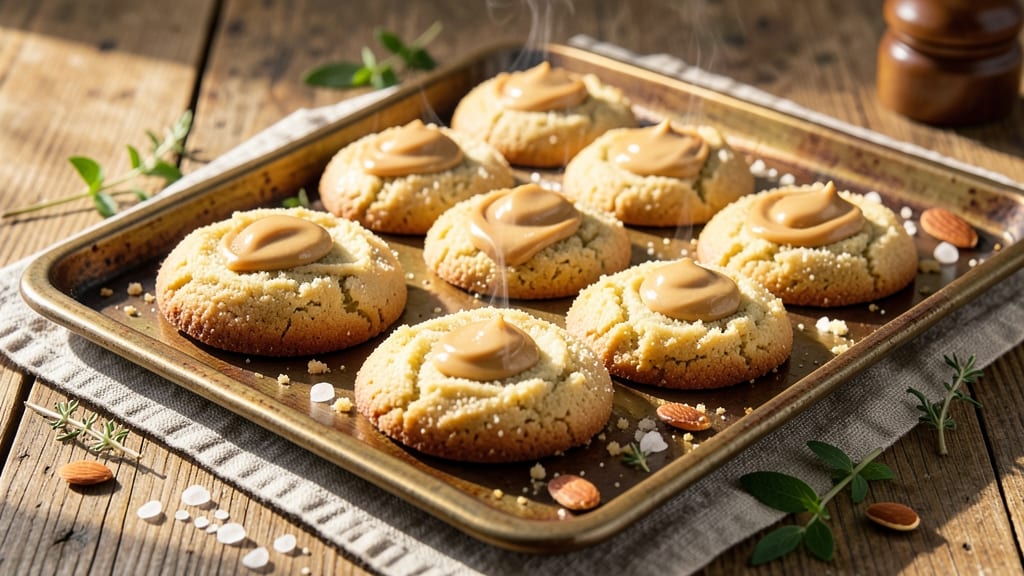
This almond flour keto shortbread cookies recipe delivers the same buttery crumbly magic as classic shortbread—without the carbs or guilt. 💛 The secret lies in almond flour's natural fat content and a precise blend of keto-friendly sweeteners that create that signature tender-yet-crisp texture.
I've perfected this recipe after testing dozens of variations, ensuring it meets both dietary needs and taste expectations.
What makes these cookies special is their foolproof technique: cold butter creates flaky layers, while almond flour provides that signature shortbread crunch without gluten. The recipe uses erythritol or monk fruit sweetener (your choice) to maintain that familiar sweetness while keeping carbs under 2 grams per cookie.
Vanilla extract adds depth, but citrus zest or cinnamon can transform these into festive variations.
By the time they emerge from the oven, you'll have golden, buttery cookies with edges that crisp just enough to hold their shape while maintaining a tender interior. The aroma alone will fill your kitchen with warmth, and each bite delivers that comforting shortbread flavor—now guilt-free.
These cookies stay fresh for up to 5 days in an airtight container, making them perfect for meal prep or holiday gifting.
Whether you're avoiding gluten, watching carbs, or simply craving a classic treat with modern dietary flexibility, this recipe delivers restaurant-quality results at home. The best part? No special equipment or complicated techniques—just simple ingredients and a few minutes of hands-on time. Let's get baking!
Ingredients for almond flour keto shortbread cookies
Eight ingredients transform into buttery, crumbly keto shortbread magic—no guilt, all flavor.
| Ingredient | Amount | Notes |
|---|---|---|
| Almond Flour 🌰 | 2 ½ cups | Finely ground, unsifted for texture |
| Unsalted Butter 🧈 | ½ cup | Cold, cubed for flaky layers |
| Erythritol or Monk Fruit Sweetener 🍯 | 0.3 cup | Granulated, measured precisely |
| Pure Vanilla Extract 🌿 | 1 tsp | High-quality, no alcohol |
| Diamond Crystal Kosher Salt 🧂 | ½ tsp | Fine grain, for delicate seasoning |
| Xanthan Gum 🧪 | ¼ tsp | Gluten-free binder, essential |
| Lemon Zest 🍋 | 1 tbsp | Fresh, finely grated |
| Ground Cinnamon 🌶️ | ½ tsp | Optional, for warmth |
| Cold Heavy Cream 🥛 | 2 tbsp | For tenderness, optional |
The almond flour is the star here—Bob's Red Mill or Anthony's Goods are my go-tos for that ultra-fine grind. If you can't find pre-ground, pulse your own almonds in a food processor until silky smooth, but no pulses longer than 30 seconds or you'll get almond butter. The butter must stay cold: take it straight from the fridge and cut it into small cubes. European-style butter has higher fat content, which enhances the shortbread texture. For the sweetener, erythritol blends better than monk fruit for this recipe, but either works—just measure by weight if possible for consistency.
No erythritol? Swerve or allulose are direct swaps, but adjust to taste since sweetness varies. Skip the vanilla? Citrus zest or orange extract add brightness—just halve the amount. The xanthan gum is non-negotiable for gluten-free binding, but if you're desperate, 1/4 tsp psyllium husk powder works in a pinch. For extra richness, add 1 tbsp melted coconut oil to the dough. And yes, you can use powdered sweetener, but it tends to make the cookies denser—granulated is ideal.
These cookies keep for 5 days in an airtight container at room temperature, but they're best enjoyed within 24 hours for peak crispness. For longer storage, freeze the dough balls before baking—3 months in the freezer, no thawing needed. Portion the dough into 1.5-inch balls for consistent baking. If you're gifting, wrap individually in parchment-lined bags with a ribbon—they make stunning holiday presents. And yes, they reheat beautifully: 10 seconds in the microwave restores that buttery crunch.
Why You'll Love This Recipe
- Four-Ingredient Magic: I swear, these cookies only need butter, almond flour, sweetener, and a pinch of salt. That’s it—no eggs, no weird substitutions, just pure simplicity that still delivers big flavor.
- Buttery Vanilla Bliss: The moment those warm, golden edges hit your tongue? Pure satisfaction. The vanilla extract infuses just enough warmth, while the cold butter keeps them rich without being greasy—like a hug from your favorite bakery.
- No-Bake Flexibility: Honestly, I make these for holidays, last-minute gifts, or just because I’m craving something sweet. They freeze perfectly for weeks, so I can pull them out anytime without extra effort.
- Budget-Friendly Indulgence: Almond flour might seem pricey, but a little goes a long way. These cookies stretch my grocery budget while still feeling like a treat—no guilt, just deliciousness that won’t break the bank.
Step-by-step instructions for almond flour keto shortbread cookies
Here's how to create perfectly crumbly, buttery shortbread cookies that fit your low-carb lifestyle.
👨🍳 Step 1: Mix Dry Ingredients for Optimal Texture
In a medium bowl, whisk together the 2.5 cups almond flour, 0.3 cup erythritol or monk fruit sweetener, 0.5 tsp diamond crystal kosher salt, 0.25 tsp xanthan gum, 0.5 tsp ground cinnamon, and 1 tbsp lemon zest. The almond flour should be unsifted for that signature crumbly texture we're after. I use a whisk to break up any clumps in the sweetener and ensure even distribution of the xanthan gum—this gluten-free binder is crucial for holding the cookies together without gluten.
Real talk: don't skip the lemon zest. It brightens the buttery flavor and prevents the cookies from tasting too flat. If you're using pre-grated zest, measure it precisely—too much can make them bitter. The mixture should look like fine crumbs with no large flour particles remaining. This ensures your cookies will have that perfect crumbly texture we're aiming for.
🍳 Step 2: Cut in Cold Butter for Flaky Layers
Add the 0.5 cup cold, cubed unsalted butter to the dry mixture. Using a pastry cutter or your fingers, work the butter into the flour until you achieve pea-sized crumbs with some larger pieces remaining. This technique is what creates those beautiful flaky layers in your cookies. I press down gently with my fingers to distribute the butter evenly—this prevents dense pockets where the butter hasn't incorporated.
Here's the thing—if your butter starts to melt too quickly, pop the bowl into the refrigerator for 5-10 minutes to firm it up again. You want the dough to hold its shape when you press it, but still be malleable enough to form cookies. The ideal consistency should be like wet sand—when you press it, it holds together but still feels cool to the touch. If it's too crumbly, add 1 tsp cold heavy cream (if using) to help bind it.
👨🍳 Step 3: Incorporate Wet Ingredients for Cohesion
Create a well in the center of your dry mixture and add the 1 tsp pure vanilla extract and 2 tbsp cold heavy cream (if using). Using a silicone spatula, gently fold these wet ingredients into the dry mixture until just combined. Be careful not to overmix—you're looking for a dough that holds together when pressed but still has a crumbly texture. The dough should form soft clumps that can be easily shaped into cookies.
If the dough feels too dry, add 1 tsp more cold heavy cream at a time until it comes together. The heavy cream adds moisture and tenderness without adding significant carbs. At this stage, the dough should be cool to the touch—if it starts to warm up, chill it in the refrigerator for 15-20 minutes before proceeding. This resting period allows the flavors to meld and makes the dough easier to handle when shaping.
🔥 Step 4: Shape and Bake for Perfect Texture
Preheat your oven to 350°F and line two baking sheets with parchment paper. Using a cookie scoop or tablespoon, portion the dough into 1-tablespoon-sized balls (you should get about 16 cookies from this recipe). Place them 2 inches apart on the prepared baking sheets—they won't spread much, but they do expand slightly.
Gently flatten each cookie ball with the palm of your hand to about ¼-inch thickness. The edges should be slightly thicker than the center, which helps create that classic shortbread shape. Bake for 10-12 minutes until the edges are light golden brown and the centers still look slightly underdone. They'll continue cooking on the hot pan after you remove them from the oven. Don't overbake—these cookies should be tender, not crisp.
⏰ Step 5: Cool and Enjoy the Crumbly Magic
Remove the cookies from the oven and let them cool on the baking sheet for 5 minutes before transferring to a wire rack to cool completely. This brief resting period prevents them from breaking apart as they cool. The cookies should be soft and crumbly when warm, with a slight snap when you press them gently. As they cool, they'll firm up slightly but maintain that melt-in-your-mouth texture.
Here's where the magic happens: these cookies are best enjoyed warm, straight from the oven. The butter should be just starting to soften, creating that perfect balance of crisp edges and tender centers. Store any leftovers in an airtight container at room temperature for up to 5 days, though I doubt they'll last that long. The lemon zest gives them a subtle brightness that pairs beautifully with a cup of black coffee or a glass of cold milk.
Pro Tips For Making Almond Flour Keto Shortbread Cookies
- Chill the Dough: Almond flour shortbread is not your grandma’s cookie dough—it firms up slowly. Press the chilled dough into the pan and pop it in the freezer for 10 minutes before baking. I learned this after watching my edges spread into a sad, greasy puddle the first few times.
- Use Room-Temp Butter: Cold butter creates tough cookies, but warm butter melts into a greasy mess. Let your unsalted butter sit out for 30-45 minutes until soft enough to press with your finger but not sticky. This gives you that perfect tender crumb without losing structure.
- Measure Sweetener Precisely: Erythritol or monk fruit isn’t just sugar—it’s grainy and clumps like a stubborn snowbank. Weigh it out (1:1 ratio for sugar) and sift it through a fine-mesh sieve before mixing. Skipping this step means lumpy dough and uneven baking.
- Bake in One Batch: Shortbread cookies spread fast, and crowding the pan turns them into sad, flat pancakes. Use half the pan if needed, and resist the urge to rotate mid-bake. A single layer at 325°F for 12-14 minutes guarantees crisp edges and a tender center. (Yes, even if it means more batches.)
Creative variations of this almond flour keto shortbread cookies
Citrus Twist
Swap the vanilla for 1 tsp orange extract or 1 tbsp lime zest to create a zesty variation. The citrus brightens the buttery flavor while adding a refreshing twist. I find 1 tsp orange extract works best—it's more potent than zest, so use sparingly.
For a festive touch, add ½ tsp ground cardamom alongside the citrus. These cookies pair beautifully with Earl Grey tea or chilled hibiscus iced tea. 🍊
Spiced Chai Version
Transform these into a cozy chai-inspired treat by adding 1 tsp ground cinnamon, ½ tsp ground ginger, ¼ tsp ground cloves, and ¼ tsp ground nutmeg to the dry ingredients.
For warmth, incorporate 1 tsp chai tea concentrate (steep 1 chai tea bag in 1 tbsp hot water, then cool) instead of vanilla. These spiced cookies taste amazing with chai tea or hot apple cider. 🌶️
Dark Chocolate Drizzle
For a decadent finish, melt 2 oz 85% dark chocolate with 1 tsp coconut oil over a double boiler, then drizzle over cooled cookies. Let set for 10 minutes before serving. For extra richness, fold 2 tbsp chopped toasted almonds into the dough before baking.
This variation adds a sophisticated touch while keeping the cookies keto-friendly. Pair with a bold espresso for contrast. 🍫
Coconut Macadamia Crunch
Boost texture by adding ¼ cup finely chopped toasted macadamia nuts and 2 tbsp unsweetened shredded coconut to the dough. The nuts add a satisfying crunch while the coconut enhances the tropical vibe.
I recommend toasting the nuts and coconut separately in a dry pan for 3-4 minutes until fragrant. These cookies work wonderfully with coconut milk or a tropical fruit compote. 🥥
Peppermint Holiday Delight
Create a festive holiday version by adding ½ tsp peppermint extract and ¼ tsp crushed candy canes (finely ground) to the dough. For extra sparkle, roll the shaped cookies in powdered erythritol before baking.
These minty cookies pair perfectly with hot cocoa or peppermint mocha drinks. Store in an airtight container to preserve the fresh peppermint aroma. 🎄
Almond Butter Swirl
For a nutty twist, mix 1 tbsp almond butter into the wet ingredients and swirl it into the dough before baking. The almond butter adds depth while keeping the cookies keto-friendly.
For presentation, pipe a small amount of almond butter onto the baking sheet before placing the dough balls, then swirl gently. These cookies taste amazing with almond milk or a glass of cold white wine. 🌰
Nutrition facts
Frequently asked questions
Why does almond flour make these cookies crumbly instead of cakey?
Almond flour's high fat content (about 50%) creates that signature shortbread crunch while absorbing less moisture than wheat flour. The xanthan gum binds the crumbly texture without gluten, and cold butter forms flaky layers. For extra crumbly results, chill the dough for 30 minutes before baking—this prevents gluten-like development.
Can I substitute coconut flour for almond flour in this recipe?
Not directly—coconut flour absorbs 4x more liquid and has a different texture. For a 1:1 swap, you'd need to add 3 tbsp water or milk per ¼ cup coconut flour and reduce other liquids by 2 tbsp. However, the flavor and texture will differ significantly. Almond flour's natural fat content is essential for that classic shortbread mouthfeel.
How do I prevent my cookies from spreading too much?
First, ensure your butter is cold (not softened) when mixing. Chill the dough for 15-20 minutes before shaping, and flatten the cookies to ¼-inch thickness with slightly thicker edges. Bake at 350°F for 10-12 minutes—any longer risks over-browning. For extra insurance, use a cookie scoop and portion dough into 1-tablespoon balls.
What's the best keto sweetener for this recipe?
Erythritol or monk fruit work best—both measure 1:1 with sugar. Erythritol blends more smoothly and won't crystallize, while monk fruit has a slightly more intense sweetness. Avoid maltitol (it spikes blood sugar) and powdered sweeteners (they make cookies denser). For caramel notes, try Swerve (erythritol blend), but measure by weight for accuracy.
Can I make these cookies nut-free?
Yes! Replace almond flour with 2.5 cups sunflower seed flour (blended fine) or 2 cups oat flour + ½ cup coconut flour. The texture will be slightly denser but still tender. For binding, add ½ tsp psyllium husk powder instead of xanthan gum.