
Side Dishes
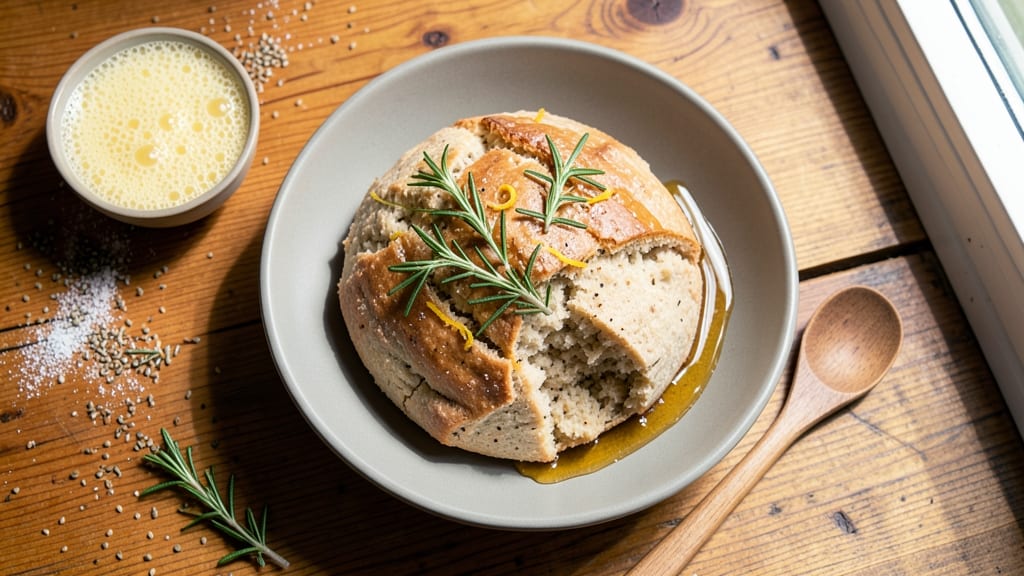
This almond flour unleavened bread recipe delivers a nutty, crispy delight that’s perfect for gluten-free diets and low-carb lifestyles. The secret lies in blending almond flour with binding agents like flaxseed meal and eggs (or aquafaba for vegan versions) to create a sturdy yet tender crumb.
Unlike traditional bread, this version skips yeast, relying instead on a simple mix that bakes up golden and fragrant.
The texture is what makes it special—crispy on the outside with a slightly chewy interior, ideal for dipping into soups or pairing with spreads. I’ve tested this recipe with both egg and vegan binders, ensuring it holds together beautifully whether you’re making a quick snack or a showstopping side dish.
The nutty flavor shines through, making it a standout for those avoiding gluten or grains.
Baking takes just 20 minutes at 350°F, and the dough requires minimal handling—no kneading, no waiting for yeast to rise. This makes it a foolproof option for busy cooks or beginners.
The open crumb structure also soaks up sauces and toppings perfectly, turning it into a versatile addition to any meal.
For extra flavor, try adding seeds like sesame or sunflower, or herbs like rosemary for a savory twist. Store leftovers in an airtight container for up to 3 days, or freeze for longer shelf life.
Ready to try a bread that’s as nutritious as it is delicious? Let’s get baking!
Ingredients for almond flour unleavened bread
Simple ingredients for a gluten-free, low-carb bread that bakes up crispy and nutty.
| Ingredient | Amount | Notes |
|---|---|---|
| Almond Flour 🌰 | 2 ½ cups | Finely ground, unsweetened preferred |
| Flaxseed Meal 🌾 | ½ cup | Ground flaxseeds, not whole seeds |
| Aquafaba 🥫 | ½ cup | Liquid from canned chickpeas |
| Ground Flaxseeds 🌾 | 2 tbsp | For extra binding and nutrition |
| Baking Powder 🧂 | 1 tsp | Aluminum-free preferred |
| Salt 🧂 | ½ tsp | Fine sea salt preferred |
| Sesame Seeds 🌱 | 2 tbsp | Toasted for extra crunch |
| Sunflower Seeds 🌻 | 2 tbsp | Optional for nutty flavor |
| Olive Oil 🫒 | ¼ cup | Extra-virgin for richness |
| Water 💧 | ½ cup | Room temperature |
| Apple Cider Vinegar 🍏 | 1 tbsp | For subtle tang |
| Rosemary 🌿 | 1 tsp | Dried or finely chopped fresh |
Almond flour is the star here—Bob’s Red Mill or Anthony’s Goods are my go-tos for consistency. The finer the grind, the better the texture, so avoid pre-ground flour that’s been sitting on shelves forever. Flaxseed meal is key for binding, but if you’ve got whole flaxseeds, grind them fresh in a coffee grinder. The aquafaba (chickpea brine) replaces eggs perfectly—just make sure it’s fresh, not that murky stuff at the bottom of a can left too long. For extra flavor, toast the seeds in a dry pan for 2-3 minutes before adding (they’ll smell amazing).
No aquafaba? Flax eggs (1 tbsp ground flaxseed + 3 tbsp water per egg) work too, but aquafaba gives a slightly lighter texture. Short on almond flour? Cashew flour or oat flour can stretch it, but the flavor will change. The baking powder is non-negotiable—this isn’t a flatbread, it needs that lift. For the seeds, if you’re not a fan of sesame, poppy seeds or pumpkin seeds work just as well. Rosemary is optional but adds a lovely earthy note—dried is fine, but fresh gives a brighter flavor if you’ve got it.
Mix the dry ingredients first, then add wet—this prevents clumping. The dough will be thick and sticky, almost like cookie dough, but don’t stress. Store leftovers in an airtight container for up to 3 days, or freeze for 3 months. Reheat slices in a toaster or oven for crispiness. This bread reheats beautifully, so it’s perfect for meal prep—just slice and freeze before baking if you want to save time later.
Why You'll Love This Recipe
- No Mixer Needed: I swear by this recipe because it’s literally three ingredients plus water—no whisking, no kneading, no stress. The aquafaba (yes, chickpea brine) acts as the binder, so you just fold it in like you’re making a pancake batter. Honestly, I’ve made this in a mug, a bowl, and even a takeout container when I forgot my mixing bowl.
- Nutty, Toasty Magic: That almond flour gives it a rich, almost buttery depth you’d never guess from a few dry ingredients. The ground flaxseeds add a subtle earthiness, and when it bakes, the crust gets this perfect crunch—like a cross between a cracker and a biscotti. I’ll be real: my kids think it’s “fancy bread” and fight over slices.
- Zero-Waste Pantry Hero: Between us, this recipe turns pantry staples into something edible when you’re down to your last almond flour or chickpeas. The flaxseed meal? That’s the same stuff I use for egg substitutes in muffins. And because it’s unleavened, it stays fresh for days—ideal for packing lunches or tossing into a salad when you’re too tired to bake.
- Budget-Friendly Staple: I make a double batch and freeze half—it’s my go-to for quick toast or sandwiches when I’m broke but still want to feel like I’m eating “real” food. The baking powder keeps it light, so it doesn’t taste like I’m surviving on nuts alone. Plus, almond flour is pricey, but a little goes a long way here. My wallet and my taste buds thank me.
Step-by-step instructions for almond flour unleavened bread
Here's how to make a wonderfully nutty, open-crumb bread that's both satisfying and easy to handle.
Mix the Wet Ingredients to a Smooth Paste
In a medium bowl, combine the 0.5 cup Aquafaba, 0.5 cup Water, 1 tbsp Apple Cider Vinegar, and 1 tsp Rosemary. Whisk vigorously until fully blended—you want to break up any rosemary sprigs if using fresh. This mixture will act as the binder in our unleavened bread, replacing traditional eggs.
Next, add the 2 tbsp Ground Flaxseeds and 0.5 cup Flaxseed Meal. Stir well until you have a smooth, slightly thick paste. The flaxseed meal will absorb the liquid and create a gel-like consistency, which is crucial for binding the dry ingredients. Let this mixture sit for 5 minutes while you prepare the dry ingredients—this resting time helps the flax fully activate.
Combine Dry Ingredients and Form the Dough
In a separate large bowl, whisk together the 2.5 cups Almond Flour, 1 tsp Baking Powder, and 0.5 tsp Salt. This dry mixture should be completely homogeneous—no flour clumps should remain. I like to use a fine-mesh sieve for the almond flour to ensure even distribution of the baking powder and salt.
Make a well in the center of the dry ingredients and pour in the wet flax mixture. Add the 0.25 cup Olive Oil and gently stir with a wooden spoon or spatula. The dough will be thick and sticky—this is normal. Mix just until all ingredients are combined. Avoid overworking the dough, as this can develop gluten and make the bread dense. The texture should resemble thick cookie dough.
Fold in Seeds and Prepare the Loaf Pan
Gently fold in the 2 tbsp Sesame Seeds and 2 tbsp Sunflower Seeds using a rubber spatula. The seeds will add texture and nuttiness to each bite. If your dough feels too sticky to handle, wet your hands slightly with water to prevent sticking. Transfer the dough to a lightly oiled 8x4-inch loaf pan (or similar size) and spread it evenly with the back of a spoon.
Use the spoon to create a slightly domed top—this helps create that beautiful open crumb structure we're after. Press down gently but firmly to ensure the dough fills the corners of the pan. The dough should be about 1.5 inches thick in the center. Cover the pan loosely with plastic wrap and let it rest at room temperature for 30 minutes. This resting period allows the flax to fully bind and makes the dough easier to handle.
Bake Until Golden and Firm
Preheat your oven to 350°F. Remove the plastic wrap and place the loaf pan on the middle rack. Bake for 40-45 minutes until the top is golden brown and a toothpick inserted in the center comes out clean. The bread should feel firm to the touch and pull away slightly from the edges of the pan.
Here's the thing—don't overbake. Almond flour bread can dry out quickly, so it's better to pull it out when it's just slightly underdone than to let it become tough. The center should be warm but not gummy when you remove it. Let the bread cool in the pan for 10 minutes, then transfer it to a wire rack to cool completely before slicing.
Slice and Serve for Maximum Crunch
Once completely cooled, slice the bread into ½-inch thick pieces using a sharp serrated knife. The open crumb structure will be visible in each slice, giving it that beautiful, airy texture. Serve at room temperature—this bread doesn't reheat well, so enjoy it fresh.
This bread pairs perfectly with soups, spreads, or even as a base for open-faced sandwiches. The nutty flavor from the almond flour and seeds makes it satisfying on its own, but it also absorbs flavors beautifully. Store any leftovers in an airtight container at room temperature for up to 3 days, or freeze for longer storage.
Pro Tips For Making Almond Flour Unleavened Bread
- Whisk Aquafaba First: Beat the aquafaba until stiff peaks form—like a meringue—before folding it into the batter. I learned this the hard way when my first batch collapsed like a sad soufflé. The extra air makes the bread light enough to hold together without tasting dense.
- Toast the Almond Flour: Dry-toast the almond flour in a 350°F oven for 5–7 minutes before mixing. This removes any raw almond bitterness and gives the bread a nuttier, more developed flavor. (Yes, even if you’re impatient like me—just set a timer.)
- Don’t Overmix the Batter: Stir the wet and dry ingredients just until combined—overmixing develops gluten-like proteins in the almond flour, making the bread tough. A few lumps are fine; they’ll disappear when baked.
- Press the Loaf Firmly: Pack the batter into the pan with your hands or a spatula, pressing down hard to eliminate air gaps. I used to skimp here, and my bread would end up with weird, hollow pockets. Think of it like tamping coffee grounds—firm pressure = even baking.
Common mistakes when making great almond flour unleavened bread
Skipping the Binders
Almond flour alone won’t hold together like traditional dough—you must use binders like aquafaba or flax eggs. I’ve seen recipes where people skip this step, and the result is a crumbly mess that falls apart.
The flaxseed meal creates a gel when mixed with liquid, acting like gluten. If you omit it, your bread will be more like a dense cracker than a cohesive loaf. 🌰
Overmixing the Dough
Once you combine the wet and dry ingredients, stop mixing as soon as everything is just incorporated. Overworking the dough—especially with almond flour—can create a dense, tough texture. Think of it like handling cookie dough: mix until combined, then stop.
I’ve ruined batches by stirring too long, and the result was more like a brick than bread. The dough should be thick and sticky, not smooth like cake batter.
Using Old or Clumpy Almond Flour
Freshly ground almond flour makes all the difference. Pre-ground flour that’s been sitting in your pantry for months loses its binding properties and can develop rancidity. I recommend using Bob’s Red Mill or Anthony’s Goods almond flour, and always check the expiration date.
If your flour looks clumpy, sift it before mixing to avoid uneven texture in your bread. Stale flour will make your bread taste bitter and dry.
Ignoring the Resting Time
That 30-minute rest before baking isn’t optional—it’s crucial. Skipping it means the flaxseed meal won’t fully activate, and your bread may crack or not hold its shape. During this time, the flax binds with the liquid, creating a stronger structure.
I’ve seen home bakers rush this step, and their breads often end up with a sad, uneven top. Trust the process—patience pays off with a better crumb.
Baking at the Wrong Temperature
Almond flour bread is delicate—baking it too hot (375°F+) causes the outside to burn before the inside cooks through, while too low (325°F) leaves it gummy. Stick to 350°F for even baking.
I’ve had batches where the center stayed raw because the oven wasn’t hot enough, and others where the crust turned charcoal black. Use an oven thermometer to verify your oven’s accuracy—many run 25°F hotter or cooler than set.
Slicing Too Soon
This is a common rookie mistake! Almond flour bread continues to set as it cools, so slicing too early (less than 30 minutes) gives you a crumbly, uneven slice. The bread needs time to firm up and develop that beautiful open crumb structure.
I’ve seen people cut into it right after baking, and the slices fall apart like sand. Let it cool completely on a wire rack—it’ll reward you with clean, crisp slices that hold their shape. 💫
Nutrition facts
Frequently asked questions
Can I make this bread without aquafaba?
Yes! Use flax eggs (1 tbsp ground flaxseed + 3 tbsp water per egg) or chia eggs (1 tbsp chia seeds + 3 tbsp water) as 1:1 substitutes. Let them sit for 5 minutes to thicken before mixing. The texture will be slightly denser but still delicious. For a lighter result, combine both binders (e.g., 1 flax egg + 2 tbsp aquafaba).
Why does my almond flour bread turn out dense?
Overmixing or skipping the 30-minute rest are the top culprits. Almond flour lacks gluten, so handle it gently—mix just until combined. The resting time lets flax bind properly. Also check your almond flour: stale or clumpy flour loses binding power. Sift it first if needed, and avoid adding extra liquid to compensate.
How can I make this bread more flavorful?
Boost flavor with toasted spices like smoked paprika (1 tsp), garlic powder (½ tsp), or dried herbs (thyme, oregano). For umami depth, add 1 tbsp nutritional yeast to the dry mix. Sweet versions? Swap seeds for cinnamon + 1 tbsp maple syrup in the wet ingredients. The possibilities are endless—just don’t exceed 2 tbsp total additions to avoid altering texture.
Can I bake this in a different pan shape?
Use a 9x5-inch loaf pan for a wider loaf or a round cake pan for flatbread-style slices. For free-form shapes, press the dough onto a parchment-lined baking sheet (about ½-inch thick) and cut into rectangles before baking. Just reduce bake time by 5-10 minutes for thinner shapes. The key is even thickness—1.5 inches for loaves, ½ inch for crackers.
How do I store or reheat leftovers?
Store in an airtight container at room temp for 3 days or freeze for 3 months. To reheat, wrap slices in foil and warm at 300°F for 5 minutes for crispiness. For extra crunch, toast in a toaster or oven for 2-3 minutes. Pro tip: Freeze pre-sliced bread to prevent sogginess—just thaw at room temp before serving.