
Side Dishes
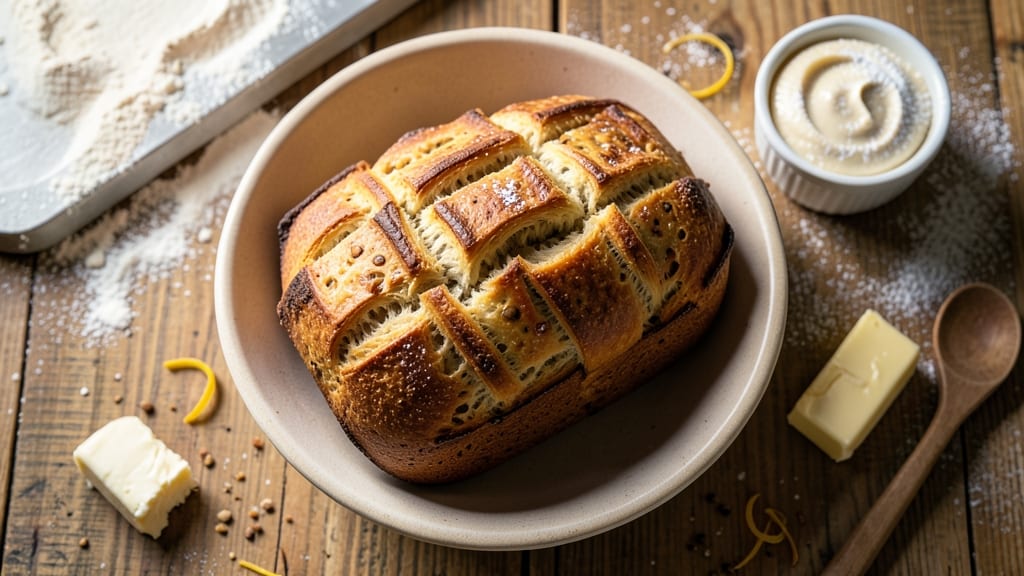
This almond paste bread recipe delivers a crispy, golden crust that encases a tender, nutty-sweet loaf—where every slice reveals layers of almond flavor and buttery richness. The secret lies in blending almond paste seamlessly into the dough, creating a texture that's both delicate and satisfying.
I developed this recipe after years of experimenting with almond-based breads, and it's become a staple for breakfast, dessert, or elegant sides.
The dough comes together with simple ingredients—flour, butter, eggs, and of course, high-quality almond paste—but the magic happens in the baking. A crispy crust forms while the interior stays soft and moist, thanks to a precise balance of hydration and baking time.
The almond paste adds natural sweetness without overpowering, making each bite a harmonious blend of bread and nutty indulgence.
Perfect for pairing with jam, honey, or even a dusting of powdered sugar, this bread is versatile enough for any occasion. Whether you're serving it warm from the oven or toasted the next morning, the crispy edges and tender crumb will impress every time.
The recipe includes clear steps for shaping and proofing, ensuring a foolproof result even for beginners.
With no dairy substitutes required and a straightforward process, this almond paste bread is ideal for those who love nutty flavors but want a traditional bread experience.
The aroma alone will have everyone asking for seconds, and the texture—crispy on the outside, soft within—is what makes this recipe truly special.
Ingredients for almond paste bread
Simple ingredients transform into a golden, crispy-crusted almond bread with nutty layers inside.
| Ingredient | Amount | Notes |
|---|---|---|
| All-Purpose Flour 🌾 | 3 cups | Sifted for light texture |
| Unsalted Butter 🧈 | ½ cup | Cold, cubed for even mixing |
| Granulated Sugar 🍚 | ¼ cup | For subtle sweetness |
| Large Eggs 🥚 | 2 whole | Room temperature for even baking |
| Almond Paste 🥜 | 1 cup | High-quality, smooth texture |
| Instant Yeast 🍞 | 1 tsp | Active dry works too |
| Salt 🧂 | ½ tsp | Kosher or sea salt |
| Milk 🥛 | ½ cup | Warmed for yeast activation |
| Vanilla Extract 🍯 | 1 tsp | Pure vanilla preferred |
| Cornmeal 🌽 | ¼ cup | For dusting baking surface |
| Powdered Sugar 🍚 | ¼ cup | Optional for dusting top |
| Almond Slices 🥜 | ¼ cup | For decorative topping |
The almond paste is the heart of this recipe—look for high-quality brands like Marzipan or La Maison du Macaron for smooth texture. The butter should be cold when mixing to prevent overdevelopment, but not rock-hard. King Arthur or Bob's Red Mill flour work best for a tender crumb. If you can't find almond paste, blend almond flour with a bit of oil as a substitute, though texture will differ. The vanilla extract adds depth, so pure Madagascar bourbon vanilla is ideal if you want to splurge.
No almond paste? Blend 1 cup almond flour with 2 tbsp neutral oil for a close substitute, though the texture will be denser. Warm the milk to 110°F to activate the yeast properly—too hot kills it, too cold slows it down. The powdered sugar is optional but adds a delicate finish; Domino brand works well for consistent results. For extra crispiness, brush the crust with melted butter after baking. The cornmeal helps prevent sticking, so don't skip it—Bob's Red Mill makes a fine version.
Store the bread in an airtight container at room temperature for 3-4 days to maintain crispiness. For longer storage, freeze slices wrapped in parchment for up to 2 months. Reheat in a 350°F oven for 5 minutes to restore crunch. The almond slices on top add visual appeal but aren't necessary—skip them if you prefer a simpler look. This bread freezes beautifully, making it perfect for batch baking.
Why You'll Love This Recipe
- No-Knead Magic: I swear by this—just mix, let it rise, and bake. The dough comes together in minutes, and the almond paste gives it that luxurious texture without any fuss. (Yes, even if you’re not a baker by trade.)
- Buttery Almond Bliss: That first bite? Warm, slightly sweet, with a melt-in-your-mouth almond richness from the paste and butter. It’s like a cross between a brioche and a marzipan roll—without the fuss of layering.
- Weekday to Weekend: Slice it for toast in the morning, pack it for lunch, or serve it at brunch with jam. The same loaf works for everything, and it keeps well for days. Honestly, I’ve had it last a full week in my fridge—still fresh.
- Budget Luxury: Almond paste might sound fancy, but a little goes a long way. You’re getting that gourmet vibe for pennies, and the butter and eggs keep it rich without breaking the bank. (My wallet thanks me.)
Step-by-step instructions for almond paste bread
Here's how to craft a tender, nutty-sweet loaf with a golden crust that cracks perfectly.
Activate the Yeast and Mix Wet Ingredients
In a small bowl, combine the ½ cup warm milk (about 110°F) with the 1 teaspoon instant yeast and ¼ cup granulated sugar. Let it sit for 5 minutes until foamy—this confirms the yeast is active. If it doesn't foam, your yeast may be expired.
In a separate large bowl, whisk together the 2 whole large eggs at room temperature, the 1 teaspoon vanilla extract, and the ½ cup unsalted butter cut into small cubes. Mix until the butter is fully melted and the mixture is smooth. The butter should create a creamy base for the almond paste to blend into evenly.
Combine Dry Ingredients and Almond Paste
In a medium bowl, sift together the 3 cups all-purpose flour and ½ teaspoon salt to eliminate any lumps. This step ensures a light, airy texture rather than a dense crumb. Gradually add the dry mixture to the wet ingredients, mixing on low speed with a hand mixer or dough hook until just combined.
Add the 1 cup almond paste and mix again until fully incorporated. The dough will be thick and sticky at this stage, but don't worry—this is normal. The almond paste adds richness and moisture, so resist the urge to add extra flour. If the dough feels too stiff, add 1 tablespoon milk at a time until it reaches a soft, pliable consistency.
Knead and Shape the Dough
Turn the dough onto a lightly floured surface and knead gently for 2-3 minutes until smooth. This bread doesn't require extensive kneading—overworking it can develop gluten and make the texture tough. Shape the dough into a round loaf and place it in a lightly greased bowl.
Cover the bowl with a damp towel and let the dough rise in a warm place for 1-1.5 hours, or until it has nearly doubled in size. The dough should feel springy when pressed gently—this indicates it's ready for shaping. If the dough doesn't rise well, your kitchen may be too cold; try placing the bowl near a warm oven with the light on.
Prepare and Bake the Loaf
Preheat your oven to 350°F and line a baking sheet with parchment paper. Lightly dust a work surface with ¼ cup cornmeal and shape the risen dough into a round loaf, about 8 inches in diameter. Place it on the prepared baking sheet and brush the top lightly with milk for a glossy finish.
Bake for 35-40 minutes until the top is golden brown and the internal temperature reaches 190°F. The bread should sound hollow when tapped on the bottom. Immediately after removing it from the oven, sprinkle the top with ¼ cup powdered sugar and arrange the ¼ cup almond slices decoratively on top while they're still warm.
Cool and Serve
Let the bread cool on a wire rack for 15 minutes before slicing. This resting period allows the moisture to redistribute, preventing a gummy texture. The crust should be crispy and crackly, while the interior remains tender and lightly sweet.
Slice the loaf into 4 even portions and serve warm. The almond paste infuses a delicate nutty flavor throughout, while the crispy crust adds a satisfying contrast. Store any leftovers in an airtight container for up to 3 days, or freeze for longer storage. Reheat slices in a 350°F oven for 5 minutes to restore freshness.
Pro Tips For Making Almond Paste Bread
- CREAM THE BUTTER SUGAR WELL: I used to eyeball this step, but almond paste bread demands a real butter-sugar mix—no lumps, no dry spots. Whip the butter and sugar together until it’s pale and fluffy (about 3-4 minutes), or the almond paste will taste like it’s fighting for flavor. (Yes, it’s tedious, but trust me—your bread will thank you.)
- CHILL THE DOUGH: Skip this at your peril. After mixing the almond paste into the dough, refrigerate it for at least 2 hours—overnight is even better. This prevents the butter from melting into a greasy mess when baking, and the texture stays tender, not gummy. (I learned this the hard way when my first batch turned out like a sad, dense brick.)
- WEIGH THE ALMOND PASTE: Almond paste varies wildly in density—some brands are sticky and loose, others packed like a brick. Weigh it (not scooping by volume) to ensure consistency, especially if you’re scaling the recipe. Aim for about 1 cup (225g) for a standard recipe, but check your package—this makes all the difference in moisture and flavor balance.
- BAKE LOW AND SLOW: Almond paste bread isn’t a race—start at 325°F (160°C) for the first 20 minutes to let the center set without burning the top. Too-high heat turns the crust bitter before the middle is done. (I was skeptical until I tried it—now I never rush it.)
Make-ahead tips for this recipe
Prep Ahead Dough
Mix the dough up to 24 hours ahead and store it in an airtight container in the fridge. The cold slows fermentation, giving you more control over the rise. When ready to bake, let the chilled dough sit at room temperature for 1 hour before shaping and proofing.
This method works especially well if you're baking for a morning breakfast—just pop it in the oven after a quick rise. 💡
Freeze Shaped Loaf
Shape the dough into a loaf, place it in a freezer bag, and freeze for up to 2 months. When you're ready to bake, thaw overnight in the fridge, then proof and bake as directed.
The texture remains tender, and the almond flavor stays vibrant. I love this for holiday baking—just pull it out when guests arrive! ❄️
Make Ahead Jam Filling
Prepare your favorite jam or preserve ahead of time and store it in a small jar in the fridge. Spread 1-2 tablespoons between slices before serving for a quick breakfast treat.
I like using apricot or raspberry jam—the fruity acidity balances the richness of the almond paste beautifully. Keep the jar sealed to maintain freshness for up to 2 weeks. 🍓
Batch Bake & Freeze Slices
Bake the entire loaf, then slice it into individual portions. Wrap each slice tightly in plastic wrap, then place them in a freezer bag. These freeze beautifully for 3 months and can be reheated straight from frozen.
Just pop a slice in a 350°F oven for 5-7 minutes until crispy again. Perfect for quick breakfasts or snacks! 🍞
Proofing Shortcut
If you're short on time, use the oven proofing method for a faster rise. After the initial rise, place the shaped dough in a turned-off oven with the light on (or a warm oven set to 100°F) for 20-30 minutes.
This creates a warm environment that speeds up proofing without overworking the dough. Just monitor closely to avoid overproofing. ⏰
Decorate Before Baking
Prepare your decorative elements—like almond slices or powdered sugar—before baking. Store them in small containers at room temperature. When the loaf comes out of the oven, work quickly to add these toppings while everything is warm.
This keeps the bread looking fresh and festive for up to 2 days after baking. 🎨
Nutrition facts
Frequently asked questions
Can I make this bread without almond paste?
Yes, but the flavor and texture will change significantly. For a similar nutty taste, blend 1 cup almond flour with 2 tablespoons neutral oil to mimic almond paste's moisture and richness. The bread will be denser, though. If you prefer no nuts, omit it entirely and increase flour by ¼ cup to maintain structure.
Why did my bread turn out dense instead of light?
Overmixing or over-kneading develops too much gluten, making the bread tough. This recipe requires gentle handling—just combine ingredients until just mixed, then knead for 2-3 minutes max. Also, ensure your yeast is active (foamy after 5 minutes in warm milk) and your oven is properly preheated to 350°F.
How do I store leftovers to keep the crust crispy?
Store slices in an airtight container at room temperature for 2-3 days, separated by parchment paper to prevent sogginess. For longer storage, freeze individual slices wrapped in plastic for up to 3 months. Reheat in a 350°F oven for 5 minutes to restore crispiness—no microwave needed!
Can I add chocolate chips or citrus zest?
Fold in ½ cup chocolate chips or 1 teaspoon lemon/orange zest when mixing the almond paste. The citrus brightens the almond flavor, while chocolate adds a decadent twist. For best results, use high-quality chocolate chips and zest from organic citrus to avoid bitterness.
Is this bread gluten-free?
No, this recipe uses all-purpose flour. For a gluten-free version, substitute with a 1:1 gluten-free flour blend (like Bob's Red Mill) and add ½ teaspoon xanthan gum to mimic gluten's structure. Note the texture will be slightly denser, and you may need to adjust hydration by 1-2 tablespoons less liquid.