
Side Dishes
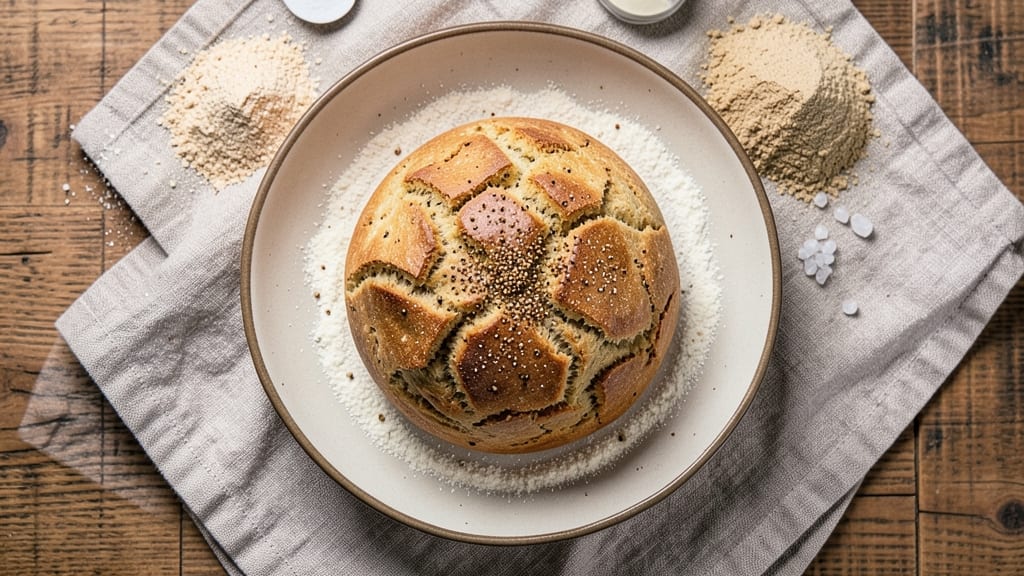
Alpha Gal bread recipe transforms dietary restrictions into something extraordinary—soft, pull-apart loaves that taste like traditional bread but work for alpha-gal syndrome. This no-knead, gluten-free version uses plant-based binders and simple techniques to deliver restaurant-quality texture without mammalian products. The secret lies in precise ingredient ratios and a slow rise that develops flavor naturally. What makes this recipe work is the combination of flaxseed meal and tapioca starch, which mimic gluten's structure while keeping the bread tender and moist. Unlike many gluten-free breads that turn out dense or crumbly, this version stays light and airy, with a crispy crust that begs to be torn apart. The no-knead method also makes it beginner-friendly—just mix, let it rise, and bake. By the time it emerges from the oven, you'll have golden-brown bread with a soft, pillowy interior that's perfect for sandwiches, toast, or dipping. The aroma alone will have everyone asking for seconds, and the texture holds up beautifully for days. This is gluten-free baking at its finest—no compromises, just delicious results. Whether you're baking for dietary needs or simply exploring plant-based options, this recipe delivers. Let's get started with the ingredients that make it possible.
Ingredients for alpha gal bread
Plant-based binders and precise ratios create gluten-free bread with restaurant-quality texture.
| Ingredient | Amount | Notes |
|---|---|---|
| Flaxseed Meal 🌾 | ½ cup | Ground flaxseeds for binding |
| Tapioca Starch 🥔 | 1 ½ cups | For gluten-free structure |
| Almond Flour 🌰 | 2 cups | Finely ground for texture |
| Coconut Flour 🥥 | ¼ cup | Absorbs moisture effectively |
| Baking Powder 🍞 | 2 tsp | Diamond Crystal preferred |
| Salt 🧂 | 1 tsp | Kosher or sea salt |
| Psyllium Husk Powder 🌿 | 1 tbsp | For elasticity and rise |
| Apple Cider Vinegar 🍎 | 1 tbsp | Activates baking powder |
| Water 💧 | 1 ¼ cups | Room temperature preferred |
| Olive Oil 🫒 | ¼ cup | Extra-virgin for richness |
| Active Dry Yeast 🍞 | 1 tsp | Ensure freshness |
| Sugar 🍚 | 1 tbsp | White granulated |
The flaxseed meal and tapioca starch are the backbone of this recipe, replacing gluten's structure while maintaining a light, airy crumb. Bob's Red Mill flaxseed meal is my go-to for consistency, and Anthony's Goods tapioca starch delivers the best texture. Almond flour should be finely ground—any lumps will create a gritty texture. For coconut flour, Nutiva is a reliable brand, but ensure it's unsweetened to avoid altering the recipe's balance. Psyllium husk powder is crucial for elasticity; Now Foods offers a high-quality powder that mixes seamlessly into the batter. If you're using a different brand, check the fiber content—some may require slight adjustments.
No psyllium husk? Ground chia seeds at double the amount work as a substitute, though the texture will be slightly denser. Short on tapioca starch? Arrowroot powder can replace up to half, but reduce the water by 1 tbsp to compensate for its lower moisture absorption. Olive oil can be swapped for avocado oil or melted coconut oil, though the flavor profile will shift slightly. For yeast, ensure it's active dry—not instant—unless you adjust the activation time. The sugar can be omitted entirely if you prefer a less sweet loaf, but it aids in browning and feeds the yeast during rise. Apple cider vinegar can be replaced with white vinegar or lemon juice in a pinch.
This dough requires no kneading, but it does need patience. After mixing, let it rest for 10 minutes before shaping to allow the flaxseed meal to fully hydrate. For best results, shape the dough into a greased loaf pan and let it rise in a warm, draft-free place for 1.5 to 2 hours—the kitchen near the oven with the light on works perfectly. Once baked, the bread is best enjoyed within 2 days for optimal freshness, though it can be stored in an airtight container at room temperature for up to 3 days. To revive stale slices, warm in a toaster or oven for 5-10 minutes until crispy again. Freezing is possible for up to 3 months; wrap tightly in plastic and thaw at room temperature.
Why You'll Love This Recipe
- No-Fuss Mix-In: The flaxseed meal and tapioca starch do all the heavy lifting—just toss them with dry ingredients, add water, and let the magic happen. No kneading, no waiting for dough to rise, just a simple batter that bakes into bread in under an hour.
- Nutty, Slightly Sweet Crunch: Between us, the almond and coconut flours give this bread a texture that’s ridiculously satisfying—like a cross between a dense scone and a cracker. Toast it, and that crunch turns into pure satisfaction.
- Meal Prep MVP: I make a double batch on Sundays, slice it up, and freeze half. Whether it’s a quick breakfast with jam, a snack for road trips, or a base for avocado toast during the week, it’s always ready. No reheating needed—just grab and go.
- Budget-Friendly Staple: Honestly, this recipe uses pantry basics that won’t break the bank. The flaxseed meal adds fiber, the tapioca keeps it light, and the nut flours stretch further than regular flour. Plus, it’s way cheaper than buying specialty breads at the store.
Step-by-step instructions for alpha gal bread
This gluten-free pull-apart bread achieves perfect texture without traditional kneading or gluten.
Activate the Yeast and Prepare the Wet Ingredients
In a small bowl, combine the 1.25 cups water, 1 tbsp sugar, and 1 tsp active dry yeast. Let this mixture sit for 5-10 minutes until it becomes foamy and bubbles form at the surface. This activation step ensures your bread rises properly.
While waiting, measure out the 0.25 cup olive oil and 1 tbsp apple cider vinegar in a separate bowl. The vinegar not only activates the baking powder but also adds subtle tang that complements the nutty flavors. Whisk these together until fully combined—this creates the base for your dough.
Combine Dry Ingredients for Optimal Texture
In a large mixing bowl, whisk together the 2 cups almond flour, 1.5 cups tapioca starch, 0.25 cup coconut flour, 2 tsp baking powder, and 1 tsp salt. The almond flour provides structure while the tapioca starch creates that classic bread-like crumb. Sift the ingredients lightly to eliminate any lumps that could affect texture.
Add the 0.5 cup flaxseed meal and 1 tbsp psyllium husk powder to the dry mixture. These ingredients are crucial—the flaxseed meal acts as a binder while the psyllium husk creates elasticity and rise. Whisk everything together until you achieve a uniform, fine powder without any visible streaks of flour.
Hydrate the Dough and Develop Structure
Pour the yeast mixture and the oil-vinegar combination into the dry ingredients. Using a spatula or wooden spoon, gently fold everything together until just combined. You'll notice the mixture becomes shaggy and sticky—this is normal for gluten-free bread. Avoid overmixing as it can develop toughness.
Let the dough rest for 10 minutes while you prepare your baking pan. During this time, the psyllium husk will begin absorbing moisture, which helps create that signature pull-apart texture. The dough should thicken slightly and become more cohesive, though it won't look like traditional bread dough.
Shape and Bake for Perfect Rise
Preheat your oven to 350°F and grease a 9x13-inch baking dish with olive oil. Transfer the dough to the prepared pan and spread it evenly using a wet spatula. The dough will be quite sticky—wet your hands if needed to handle it without tearing. Gently press down to create an even surface.
Bake for 35-40 minutes until the top is golden brown and a toothpick inserted in the center comes out clean. The bread will puff slightly during baking, developing that characteristic pull-apart texture. If the edges brown too quickly, tent loosely with foil to prevent over-browning while the center finishes cooking.
Cool and Serve for Maximum Flavor
Remove the bread from the oven and let it cool in the pan for 10 minutes. This resting period allows the internal structure to set properly. Then transfer to a wire rack to cool completely. The bread will continue to firm up as it cools, making it easier to slice or pull apart.
Serve warm for the best texture—this bread is perfect for dipping in soups, pairing with butter, or using as a base for sandwiches. The gluten-free formulation delivers that satisfying chewiness while maintaining a tender crumb. Store leftovers wrapped at room temperature for up to 3 days, or freeze for longer storage.
Pro Tips For Making Alpha Gal Bread
- Mix the Flaxseed First: Let the flaxseed meal soak in water for at least 10 minutes before adding it to the batter—this turns it into a proper egg substitute that binds better. I used to skip this, and my bread would crumble like dry sand. Trust me, the wait makes all the difference.
- Measure Coconut Flour Right: Coconut flour absorbs way more liquid than it looks—use a kitchen scale if you can, or spoon it into the measuring cup and level it off. Packing it down (like you would flour) guarantees a dense, gummy mess. Light and fluffy is the goal, not cement.
- Don’t Overmix the Batter: Stir just until the dry ingredients disappear—overmixing activates the gluten in almond flour, and your bread will turn out tough instead of tender. Think "loose and airy," not "pounded into submission." A few lumps are fine; they’ll bake out.
- Bake Until Internal Temp Hits 205°F: This bread’s done when the center reads 205°F, not when it looks golden. I learned this after cutting into a batch that was still gummy inside—now I use an instant-read thermometer and wait, even if it means an extra 5 minutes. Crumbly is better than raw.
Wine and beer pairings for this dish
Crisp White Wine
This bread’s nutty, slightly sweet profile pairs beautifully with dry Riesling or Sauvignon Blanc—their bright acidity cuts through the richness while complementing the almond flour’s natural sweetness.
I reach for a German Riesling from the Mosel region, like Dr. Loosen Blue Slate, which balances the bread’s texture with its crisp, mineral finish. The wine’s subtle fruitiness also enhances the apple cider vinegar’s tang in the recipe. 🍷
Light Beer Options
A wheat beer or Belgian witbier works wonders here, thanks to their citrusy notes and effervescence. Try Blue Moon Belgian White—its coriander and orange peel flavors mirror the apple cider vinegar’s brightness while cleansing the palate between bites.
For a lighter option, a German Hefeweizen like Weihenstephaner adds a creamy texture that contrasts the bread’s crispy crust. Avoid heavy lagers or stouts, which can overpower the delicate flavors. 🍺
Herbal Tea Pairing
If you prefer non-alcoholic pairings, hibiscus tea or earl grey elevates the experience. The tartness of hibiscus tea mirrors the apple cider vinegar, while earl grey’s bergamot notes add a floral contrast to the almond flour’s nuttiness.
Brew a strong cup and let it cool slightly before serving—this enhances the bread’s aromatic qualities without competing. 🍵
Coffee Contrast
For a bold pairing, try a light roast coffee with notes of caramel or hazelnut, like Starbucks Sumatra. The coffee’s earthiness complements the bread’s toasted almond flavor, while its acidity balances the richness.
Sip it black or with a splash of oat milk to keep the pairing dairy-free and cohesive. ☕
Fruit-Infused Water
For a refreshing, zero-alcohol option, infuse sparkling water with lemon slices and a pinch of sea salt. The citrus brightens the bread’s flavor, while the salt enhances its savory notes.
Add a few blackberries for a subtle sweetness that rounds out the almond flour’s nuttiness. This pairing is perfect for a light lunch or brunch. 💧✨
Nutrition facts
Frequently asked questions
Can I make this Alpha Gal bread without psyllium husk?
Yes, but the texture will be slightly denser. Replace the 1 tbsp psyllium husk with 2 tbsp ground chia seeds—they absorb moisture similarly and add elasticity. For best results, let the chia mixture sit for 5 minutes before mixing to form a gel-like consistency. This substitution works well but may reduce the pull-apart quality slightly.
Why does my Alpha Gal bread turn out gummy instead of crispy?
Overmixing the dough or underbaking are the most common causes. Avoid stirring once the wet and dry ingredients combine—just fold until just combined. For baking, check for doneness at 35 minutes—the internal temperature should reach 190°F. If unsure, tent with foil to prevent over-browning while the center finishes.
Can I substitute almond flour with another nut flour?
Yes, but texture may vary. Cashew flour works best as a 1:1 replacement—it's milder and more neutral. Avoid hazelnut or walnut flours, which can add bitterness. For a seed-based option, sunflower seed flour (1:1 ratio) is nut-free but slightly heavier. Always sift to prevent graininess, and expect a denser crumb compared to almond flour.
How do I store leftovers to keep them fresh longer?
Wrap the cooled bread tightly in plastic wrap or an airtight container to prevent staling. For short-term storage (3 days), keep at room temperature. For longer storage, freeze slices individually on a tray, then transfer to a bag. To revive, toast in a 350°F oven for 5-10 minutes until crispy again—no need to thaw first!
Is this bread safe for people with nut allergies?
Only if you replace the almond flour entirely. For a nut-free version, use sunflower seed flour or oat flour (certified gluten-free) as a 1:1 substitute. The psyllium husk and flaxseed meal remain safe, but always check labels for cross-contamination warnings. The texture will differ slightly—expect a more crumbly result without almond flour's fat content.