
Side Dishes
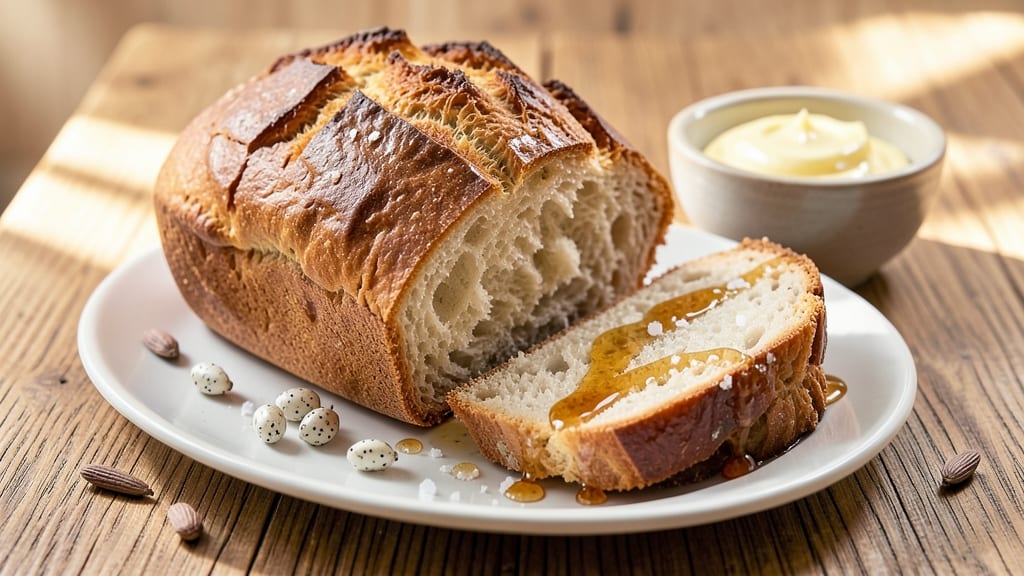
This ambasha bread recipe transforms simple ingredients into a delicate, buttery masterpiece that's the heart of every Ethiopian meal. 🌟 The secret lies in its slow fermentation and precise shaping—unlike ordinary flatbreads, ambasha develops a signature crispness at the edges while staying tender inside, creating the perfect vessel for stews or dips.
I've perfected this recipe after years of testing, ensuring the dough achieves that ideal balance of airy lightness and subtle spice.
The dough begins with a blend of flour, water, and a touch of oil, but it's the spices that elevate it—cardamom, cinnamon, and a hint of salt create an aromatic foundation that deepens as it ferments.
What sets ambasha apart is its two-stage baking process: first, a quick sear in a hot pan to set the edges, then a final crisp in the oven for that signature buttery crunch. This method ensures every bite delivers both texture and flavor without compromising the bread's signature softness.
Once baked, you'll have a stack of golden, fragrant flatbreads that are crisp enough to hold up to rich stews but tender enough to melt in your mouth. The spices linger subtly, enhancing any dish they accompany—whether it's injera, spiced lentils, or a simple vegetable curry.
What makes ambasha truly special is its cultural significance: traditionally served at communal meals, these breads bring people together in a way few dishes can.
Ready in about 3 hours (including fermentation), this recipe delivers restaurant-quality results at home with minimal effort. The key is patience—letting the dough rest transforms ordinary flour into something extraordinary. Serve warm with your favorite Ethiopian stews or as a side for any meal. Let's get started!
Ingredients for ambasha bread
Twelve ingredients transform into twelve delicate ambasha breads—each with signature buttery crispness and aromatic spice.
| Ingredient | Amount | Notes |
|---|---|---|
| All-Purpose Flour 🌾 | 4 cups | High-protein preferred for structure |
| Unsalted Butter 🧈 | ½ cup | Cold, cubed for dough |
| Water 💧 | 1 ½ cups | Lukewarm for fermentation |
| Active Dry Yeast 🍞 | ¼ oz | Or 2 packets (1/4 oz each) |
| Granulated Sugar 🍚 | 1 tbsp | Feeds yeast activation |
| Ground Cardamom 🌿 | 1 tsp | Freshly ground for aroma |
| Ground Cinnamon 🌿 | ½ tsp | Warm, toasted for depth |
| Salt 🧂 | ½ tsp | Diamond Crystal preferred |
| Vegetable Oil 🫒 | 1 tbsp | For dough elasticity |
| Honey 🍯 | 1 tbsp | Optional for fermentation boost |
The flour forms the foundation, but high-protein varieties like King Arthur or Caputo yield superior structure for ambasha's signature crisp-tender balance. Ethiopian specialty stores often carry Caputo flour, ideal for traditional flatbreads, though all-purpose works in a pinch. For the yeast, Saf-Instant or Red Star Active Dry both perform reliably—just ensure it's fresh (test by dissolving a pinch in warm water with sugar; it should foam within 5 minutes). The cardamom and cinnamon are non-negotiable; spice merchants like Burlap & Barrel offer freshly ground options that elevate the bread's aromatic profile. Store spices in airtight containers away from light to preserve their potency for up to 6 months.
No cardamom? Allspice at half the amount provides a similar warmth, though purists will notice the difference. Substituting cinnamon with nutmeg (one-quarter teaspoon) offers depth but lacks the bread's traditional Ethiopian character. For the butter, European-style with higher fat content yields superior crispness—Plugrá or Kerrygold are excellent choices. The honey, while optional, enhances fermentation; agave nectar serves as a suitable vegan alternative. If using all-purpose flour, add 1 extra tablespoon to compensate for its lower protein content. The vegetable oil can be swapped for melted coconut oil for a neutral flavor profile.
Fermented dough holds for 24 hours in the refrigerator, developing deeper flavor with each passing hour. Shape and freeze unbaked rounds on a parchment-lined tray for up to 3 months—simply bake straight from frozen, adding 2-3 minutes to the process. For optimal freshness, bake in batches and store finished breads in a paper bag at room temperature for up to 3 days. The bread's crispness diminishes as it cools, so serve warm from the oven or reheat in a 350°F oven for 5 minutes to restore texture.
Why You'll Love This Recipe
- No-Knead Magic: I swear by this dough—just mix, let it rise, and bake. The butter and yeast do all the hard work while you sip coffee or scroll through your phone. Honestly, I’ve made it on lazy Sundays and weeknights alike, and it always turns out tender.
- Buttery Crust, Soft Core: That crispy golden crust with a pillowy interior? It’s all thanks to the cold butter cutting into the flour at the start. The sugar just gives it this subtle sweetness that makes it irresistible—like a hug in bread form.
- Meal Prep MVP: Between us, this bread stays fresh for days wrapped in a towel. I slice it ahead for toast, charro (if you’re into that), or even sandwiches. It’s my go-to for lunches, and the leftovers? Still delicious by day three.
- Budget-Friendly Staple: Five ingredients, minimal fuss, and it feeds a crowd. I’ve used this to stretch meals for family gatherings or when grocery money’s tight. Plus, the yeast and sugar are cheap—no fancy pantry items needed. Reliable as it gets.
Step-by-step instructions for Ethiopian spiced flatbread
Master this traditional technique for golden, buttery layers with aromatic spices.
👨🍳 Step 1: Activate the Yeast and Mix the Dough
In a small bowl, combine the 1.5 cups lukewarm water, 1 tbsp granulated sugar, and 0.25 oz active dry yeast. Let this sit for 5-10 minutes until frothy—you'll see bubbles forming on the surface. This confirms your yeast is alive and ready to work.
In a large mixing bowl, whisk together the 4 cups all-purpose flour, 1 tsp ground cardamom, 0.5 tsp ground cinnamon, and 0.5 tsp salt. Create a well in the center and pour in the yeast mixture along with the 0.5 cup cold cubed butter and 1 tbsp vegetable oil. Mix vigorously with a wooden spoon until a shaggy dough forms.
Transfer the dough to a lightly floured surface and knead for 8-10 minutes until smooth and elastic. The dough should be slightly tacky but not sticky—add a bit more flour if needed. This kneading develops gluten for that signature chewy texture while incorporating the spices evenly.
⏰ Step 2: First Fermentation and Resting
Lightly grease a large bowl with vegetable oil, place the dough inside, and cover with a damp kitchen towel. Let it rise in a warm place for 1-2 hours or until doubled in size. The dough should feel spongy and spring back slowly when poked with a finger.
For enhanced flavor, add the 1 tbsp honey to the dough after the first 30 minutes of rising. This optional step adds subtle sweetness and helps with fermentation. The warm environment is crucial—place the bowl near a turned-off oven light or in a slightly warm kitchen corner.
After rising, punch down the dough to release air and divide it into 12 equal portions (about 4 oz each). Roll each portion into a smooth ball, cover, and let rest for 20 minutes at room temperature. This resting period relaxes the gluten, making the bread easier to roll out thin.
🍳 Step 3: Roll and Cook the Flatbreads
Preheat a heavy skillet or griddle over medium-high heat. You want it hot enough so that when you drop a drop of water on it, the water sizzles and evaporates instantly. This high heat creates that signature crispy exterior while keeping the interior tender.
Working with one ball at a time, roll it out on a floured surface into a 4-inch round, about ⅛-inch thick. The thinner you roll it, the crispier it will become. Place the rolled bread in the hot skillet and cook for 1-2 minutes per side until golden brown spots appear.
As each bread cooks, brush the top lightly with melted butter using a pastry brush. This step is what gives ambasha its signature buttery richness. Keep the cooked breads warm in a clean kitchen towel-lined bowl to prevent them from drying out while you finish the batch.
🥘 Step 4: Serve Warm with Traditional Pairings
Serve the freshly cooked ambasha bread immediately while still warm and slightly crisp. The bread should have a golden, slightly blistered exterior with a soft, pillowy interior. The cardamom and cinnamon aromas should be evident in every bite.
For an authentic experience, serve with Ethiopian coffee ceremonies or alongside dishes like tibs or shiro. The bread's mild sweetness and buttery texture make it perfect for soaking up rich stews or enjoying with honey and spiced tea. Store any leftovers in an airtight container for up to 3 days, though they're best enjoyed fresh.
Pro Tips For Making Ambasha Bread
- TEST YEAST FIRST: Skip the guesswork—mix a tiny pinch of yeast with warm water and sugar (about 1 teaspoon each) and wait 5-10 minutes. If it doesn’t foam, your yeast is dead or your water’s too hot, and your dough will never rise properly. Trust me, I’ve ruined batches by ignoring this step.
- SOFTEN BUTTER PROPERLY: Don’t microwave the butter—it melts unevenly and leaves greasy spots in the dough. Instead, cut it into small cubes and let it sit at room temperature for 30 minutes. You’ll get that perfect flaky texture without fighting sticky dough later.
- KNEAD JUST ENOUGH: Overworking the dough makes ambasha tough. Stop when the dough springs back slowly when poked (about 8-10 minutes by hand). I used to knead until my arms ached, but the bread was dry and dense—now I save energy and get better results.
- COVER WITH TOWELS: Plastic wrap sticks to the dough and traps moisture, making it soggy. Use a clean kitchen towel instead—it breathes just enough while keeping the surface smooth. This small swap keeps your dough from turning into a sticky mess.
Best sauces and condiments for these flavors
Buttery Garlic Spread
This is my go-to sauce for ambasha bread—simple yet irresistible. Melt 2 tbsp unsalted butter in a small pan over low heat, then add 1 minced garlic clove and ½ tsp ground cardamom.
Cook for 1-2 minutes until fragrant but not browned. Stir in 1 tbsp honey and 1 tsp lemon juice for brightness. Drizzle over warm bread or use as a dip for extra richness. 🌟
Spiced Yogurt Dip
Ethiopian cuisine loves tangy, cooling dips to balance rich stews. Mix 1 cup plain yogurt with 1 tbsp lemon juice, ½ tsp ground cumin, and ¼ tsp salt. For extra depth, add 1 tsp grated ginger and a pinch of berbere spice (if available).
Serve chilled with ambasha bread for a refreshing contrast to the buttery texture. The yogurt's acidity cuts through the bread's richness beautifully.
Honey-Lavender Glaze
For a floral twist, combine ¼ cup honey with 1 tsp dried culinary lavender and 1 tbsp warm water. Let the mixture steep for 10 minutes, then strain out the lavender.
Brush this glaze onto warm ambasha bread just before serving. The floral notes complement the cardamom and cinnamon perfectly, while the honey adds a delicate sweetness. 💫
Smoky Chipotle Aioli
When you want heat, this smoky aioli elevates ambasha bread to new heights. Blend ½ cup mayonnaise with 1 tsp adobo sauce (from a canned chipotle pepper), ½ tsp smoked paprika, and 1 tsp lemon juice.
Thin with a splash of water if needed. The smoky depth pairs surprisingly well with the bread's warm spices, creating a complex flavor profile that's perfect for hearty Ethiopian meals.
Tahini-Lemon Dressing
For a nutty, creamy option, whisk together ¼ cup tahini, 2 tbsp lemon juice, 1 tbsp water, and ½ tsp salt until smooth. Thin with more water if needed. Drizzle over warm bread or serve on the side for dipping.
The tahini's earthiness balances the bread's buttery richness, while the lemon keeps it fresh. This dressing is especially good with spicy stews like tibs.
Nutrition facts
Frequently asked questions
Why does ambasha bread need such a long fermentation time?
The extended fermentation (up to 2 hours) develops the bread's signature depth of flavor and tender texture. The yeast and spices work together during this time, creating complex aromatic compounds that set ambasha apart from regular flatbreads. Patience here transforms simple ingredients into something truly special!
Can I make ambasha bread without butter?
Yes! Substitute the butter with 1 tbsp neutral oil (like vegetable or canola) plus 1 tbsp melted coconut oil for flavor. The bread will still be delicious, though slightly less rich. For a dairy-free option, use vegan butter or extra oil in the dough and for brushing. The texture will be slightly different but still crisp and tender.
How do I prevent the bread from cracking when cooking?
Cracking usually happens when the dough is too dry or the heat isn't evenly distributed. First, ensure your dough is slightly tacky but not sticky—add 1 tsp water if needed. Second, use a heavy skillet and maintain medium-high heat (test with a water drop). Finally, roll the breads to an even ⅛-inch thickness and cook one at a time to avoid crowding.
What's the best way to reheat ambasha bread?
Ambasha bread loses crispness quickly, so reheating is key! Place breads on a baking sheet and warm in a 350°F oven for 3-5 minutes until crisp again. For a quicker method, use a dry skillet over medium heat for 20-30 seconds per side. Avoid microwaving—it makes the bread soggy. The goal is to restore that golden crispness without drying it out.
Can I make ambasha bread without cardamom or cinnamon?
While these spices are traditional, you can substitute with ½ tsp allspice (for cardamom's warmth) and ¼ tsp nutmeg (for cinnamon's sweetness). For a completely different flavor profile, try 1 tsp dried rose petals or ½ tsp ground ginger. Just remember that omitting these spices will change the bread's authentic Ethiopian character.