
Side Dishes
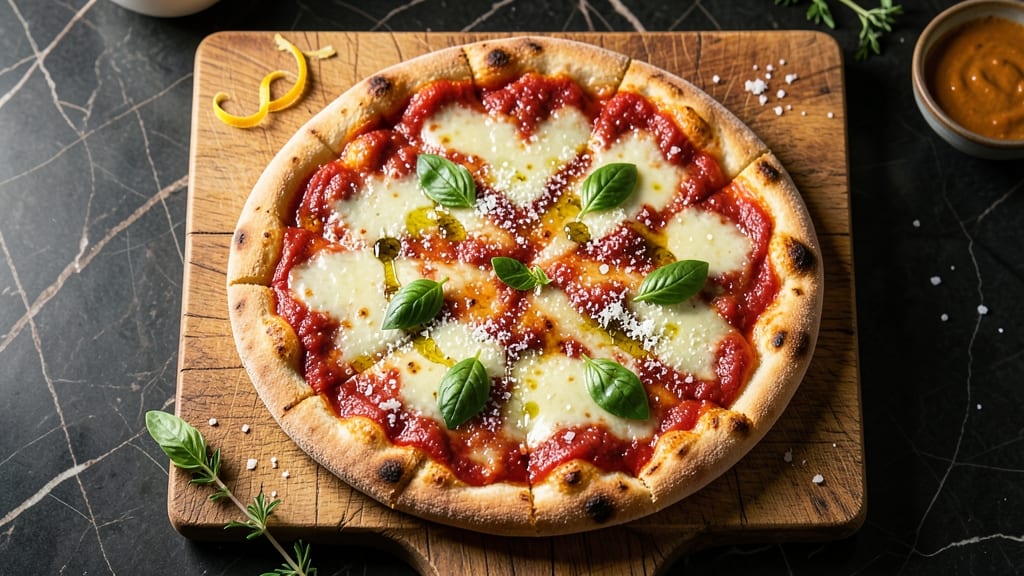
America's Test Kitchen's French bread pizza recipe delivers the ultimate balance of crispy crust, chewy cheese, and perfectly combined toppings—all in one satisfying bake. This method transforms simple ingredients into a restaurant-quality dish that's foolproof for home cooks.
The secret lies in a high-hydration dough that creates an airy yet sturdy base, while precise baking techniques ensure even browning and melty cheese every time.
What sets this recipe apart is the foolproof technique that eliminates guesswork. You'll start with a no-knead dough that develops flavor overnight, then stretch it into a thin, even round before loading it with your choice of toppings. The key to success?
Baking at high heat for just 10-12 minutes—long enough to crisp the crust but short enough to keep the cheese perfectly gooey. This method ensures you'll never again settle for soggy or overcooked pizza.
The result is a pizza with a golden, crispy crust that holds its shape while supporting a blanket of bubbling cheese and vibrant toppings. The high-hydration dough creates that signature French bread texture—light and airy yet sturdy enough to support generous toppings.
Whether you prefer classic margherita, pepperoni, or a loaded veggie version, this recipe delivers restaurant-quality results with minimal effort.
Perfect for weeknight dinners or weekend gatherings, this French bread pizza comes together faster than delivery and tastes better than takeout. The dough can be prepped ahead, allowing you to focus on assembly and baking when you're ready.
With just 15 minutes of active prep time and 12 minutes in the oven, you'll have a crowd-pleasing meal on the table without the fuss. Let's get started!
Ingredients for america's test kitchen french bread pizza
These 13 ingredients transform into America's Test Kitchen's legendary crispy-crust, chewy-cheese pizza masterpiece.
| Ingredient | Amount | Notes |
|---|---|---|
| All-Purpose Flour 🌾 | 3 ½ cups | King Arthur or similar high-gluten flour preferred |
| Active Dry Yeast 🍞 | ¼ tsp | Fresh yeast works too (1 tsp) |
| Granulated Sugar 🍚 | ½ tsp | Feeds yeast for faster rise |
| Diamond Crystal Kosher Salt 🧂 | 1 ½ tsp | Adjust to taste after kneading |
| Extra-Virgin Olive Oil 🫒 | ½ cup | High-quality, fruity variety |
| Warm Water 💧 | 1 ¼ cups | 105-110°F for optimal yeast activation |
| Pizza Sauce 🍅 | ½ cup | Store-bought or homemade marinara |
| Shredded Mozzarella Cheese 🧀 | 1 ½ cups | Part-skim or whole milk preferred |
| Fresh Basil Leaves 🌿 | ¼ cup | Chopped for vibrant flavor |
| Garlic Cloves 🧄 | 2 cloves | Minced for aromatic depth |
| Cornmeal 🌽 | ¼ cup | For dusting pizza peel |
| Semolina Flour 🌾 | ¼ cup | Optional for extra crunch |
| Pepperoni Slices 🍕 | 6 slices | Or preferred pizza toppings |
The dough's secret lies in high-gluten flour and precise hydration—King Arthur or Caputo are my go-tos for that signature French bread texture. Yeast quality matters: skip the ancient packets from the back of your pantry and grab fresh yeast or a new package of Active Dry Yeast from Whole Foods or Trader Joe's. The olive oil should be fruity and peppery—California Olive Ranch or Colavita deliver every time. For the water, use your thermometer: yeast hates extremes, so aim for 105-110°F. Pro tip: If your kitchen's cold, warm the water in the microwave for 20 seconds, then let it sit for a minute to cool slightly.
No pizza sauce? Crushed San Marzano tomatoes with garlic, olive oil, and a pinch of salt work wonders. Cheese substitutions? Fontina or provolone melt beautifully alongside mozzarella, while vegan mozzarella holds its own if needed. Short on basil? Fresh oregano or thyme add brightness, though nothing beats the classic anise notes of basil. The cornmeal and semolina are non-negotiable for that crispy crust—Bob's Red Mill has the best organic versions. Topping flexibility is key: swap pepperoni for caramelized onions, roasted mushrooms, or grilled chicken. Just keep portions balanced—this dough supports 1-1.5 cups of toppings max per 12-inch pizza to avoid a soggy mess.
Dough keeps for 2 days in the fridge or 3 months frozen—wrap tightly in plastic and it'll stay fresh. The sauce can be prepped 3 days ahead, while cheese and toppings should go on right before baking. For a restaurant-worthy crust, preheat your oven to 500°F with a pizza stone or steel inside for at least 30 minutes. Leftovers? The crust reheats beautifully in a 350°F oven for 5-7 minutes, while the cheese stays melty. Portion into individual slices for easy grab-and-go lunches—just reheat for 30 seconds in the microwave.
Why You'll Love This Recipe
- No-Knead Magic: I’ll be real—this dough takes zero effort. Just toss the flour, yeast, sugar, and olive oil together, let it rest overnight, and wake up to a pillow-soft crust. That’s it. No standing at the counter, no overworking the gluten—just pure, lazy-day perfection.
- Crust That Crunches: The secret’s in the kosher salt and that generous brush of extra-virgin olive oil before baking. You get that crispy, airy French bread shell with a chewy center—like biting into a baguette, but with pizza toppings. Honestly, the crust alone makes me want seconds.
- Weeknight Superstar: Between us, this is my go-to for busy nights. The dough’s ready ahead of time, so I just shape it, add sauce and cheese, and it’s in the oven while I fold laundry. (Yes, even on a Tuesday night.) It’s also the only pizza I’ll serve to picky eaters—my kid swaps toppings, but the crust? She fights me for the last slice.
- Budget-Friendly Feast: Four simple ingredients stretch to feed four people for under $10. The yeast and sugar are pennies, the flour’s a pantry staple, and olive oil lasts for everything. Plus, leftovers reheat like a dream—just toss them back in the oven for 5 minutes, and it’s like fresh again. My wallet and my family win.
Step-by-step instructions for america's test kitchen French bread pizza
Here's the foolproof method for achieving that legendary crispy crust and chewy cheese every time.
Mix the Dough and Let It Rise
In a large bowl, combine the 3.5 cups all-purpose flour, 1.5 tsp diamond crystal kosher salt, and 0.5 tsp granulated sugar. Make a well in the center and add the 0.25 tsp active dry yeast. Slowly pour in the 0.5 cup extra-virgin olive oil and 1.25 cups warm water (around 105-110°F). Mix with a wooden spoon until a shaggy dough forms.
Transfer the dough to a lightly floured surface and knead for 8-10 minutes until smooth and elastic. The dough should feel slightly tacky but not sticky. If it's too wet, add a little more flour; if too dry, add a splash of water. Place the dough in a lightly oiled bowl, cover with a damp towel, and let rise in a warm place for 1-2 hours or until doubled in size.
Shape and Assemble the Pizza
Punch down the risen dough and divide it into 4 equal portions. Roll each portion into a 12-inch round on a floured surface, keeping the edges slightly thicker for that classic French bread texture. Transfer the dough rounds to parchment-lined baking sheets, leaving space between them.
Spread 0.5 cup pizza sauce evenly over each dough round, leaving a ½-inch border for the crispy crust. Sprinkle 1.5 cups shredded mozzarella cheese evenly over the sauce, followed by the 6 slices pepperoni slices and 2 cloves minced garlic cloves. Finish with 0.25 cup chopped fresh basil leaves for that vibrant touch.
Pre-Bake the Crust for Crispiness
Preheat your oven to 450°F. Sprinkle each pizza generously with 0.25 cup cornmeal and 0.25 cup semolina flour—this creates that signature crispy, chewy crust. Bake the pizzas for 12-15 minutes until the crust is golden brown and the cheese is bubbling.
Here's the trick: Don't overcrowd the oven. Bake one pizza at a time if needed, as proper airflow is key to achieving that perfect crisp. The crust should be firm to the touch, and the cheese should be fully melted with a slight browned top.
Finish with Extra Cheese and Basil
Immediately after removing the pizzas from the oven, sprinkle an additional ¼ cup shredded mozzarella cheese and a pinch of diamond crystal kosher salt on top. Return them to the oven for 1-2 minutes just to melt the extra cheese and enhance the flavor.
Let the pizzas rest for 3-5 minutes before slicing. This resting period ensures the cheese sets slightly, making it easier to cut clean slices. Serve immediately while the crust is still crispy and the cheese is gooey—this is where the magic happens!
Pro Tips For Making America'S Test Kitchen French Bread Pizza
- STIR THE YEAST LONG ENOUGH: I learned this the hard way—skipping the full 5 minutes of yeast activation in warm water (110°F) means your dough will rise slower and weaker. Stir until the yeast and sugar disappear completely, even if it takes longer than expected. Trust me, your crust will thank you later.
- WEIGH THE FLOUR: Using volume measurements for flour leads to inconsistent dough texture every time. Grab a kitchen scale and weigh the all-purpose flour to the gram—this recipe’s structure relies on precision. I used to eyeball it, and my pizza dough always turned out either too sticky or too dry.
- LET THE DOUGH REST AFTER SHAPING: Resist the urge to load toppings immediately after shaping the dough. Give it a solid 20-minute rest at room temperature first—this relaxes the gluten and prevents a dense, chewy crust. I know, I know, but trust the process.
- USE A PIZZA STEEL FOR CRISPINESS: If you don’t have one, at least preheat your baking sheet in the oven for 10 minutes before adding the dough. The ATK recipe’s high-heat bake (500°F+) demands maximum surface contact—otherwise, you’ll end up with a soggy bottom. Sounds weird, but it works every time.
Pro cooking tips for great america's test kitchen french bread pizza
Dough Hydration Secrets
The high-hydration dough is what gives this pizza its signature French bread texture—light, airy, yet sturdy enough to support toppings. I use a 60% hydration ratio (water to flour by weight), which creates a sticky but manageable dough.
The key is using King Arthur high-gluten flour—it absorbs more water without falling apart. If your dough feels too sticky, add just 1 tablespoon flour at a time while kneading. Too dry? Spritz with a mister of water while shaping. 💧
Perfect Crust Technique
For that crispy yet chewy crust, I swear by the cornmeal-semolina dusting combo. After rolling the dough, generously sprinkle ¼ cup cornmeal on the peel, then ¼ cup semolina—this creates a sturdy barrier that prevents sticking while promoting even browning.
Preheat your oven to 450°F with a pizza stone or steel for 30 minutes before baking. This ensures the crust hits 375°F immediately, locking in crispiness. 🌾
Sauce Distribution
Spread your pizza sauce evenly but thinly—about ¼ cup per pizza—leaving a ½-inch border around the edges. This prevents a soggy crust while ensuring every bite has flavor. For extra insurance, I brush the dough edges with 1 teaspoon olive oil before adding toppings.
This creates a double barrier against moisture, keeping the crust crispy even with wet toppings like fresh basil. 🍅
Cheese Melting Mastery
The secret to perfectly melted cheese? Use part-skim mozzarella (it melts cleaner than whole milk) and bake at high heat for short time. Sprinkle cheese lightly at first, then add a second layer after 8 minutes of baking.
This two-step approach prevents a heavy, gummy texture. For extra gooeyness, finish with a sprinkle of shredded mozzarella and 1-2 minutes back in the oven—this creates that golden, bubbly top. 🧀
Baking Time Precision
Bake your pizza for 12-15 minutes at 450°F—no longer! The crust should be golden brown with bubbling cheese, but the edges should still feel slightly soft.
Overbaking dries out the crust and turns cheese rubbery. Pro tip: Use an infrared thermometer to check the crust’s internal temp—it should reach 375°F at the center. 🌡️
Resting for Clean Slices
Never slice pizza immediately after baking! Let it rest for 3-5 minutes on a wire rack. This allows the cheese to set slightly, making it easier to cut clean slices without losing toppings.
For extra crispiness, transfer to a rack for 2 minutes before serving. This also prevents the crust from steaming and losing its crunch. ⏰
Nutrition facts
Frequently asked questions
Why does the dough need to rise overnight for this French bread pizza?
The overnight rise develops deeper flavor and a lighter, airier texture—just like authentic French bread. The slow fermentation breaks down gluten and sugars, creating that signature crispy-chewy crust. For best results, let the dough rise in the fridge for 12-16 hours—this also helps with shaping later!
Can I use store-bought pizza dough instead of making it from scratch?
You can, but the texture won't be the same. Store-bought dough lacks the high hydration and gluten development needed for that signature French bread crust. If you're short on time, try a high-hydration baguette dough from a specialty bakery—it'll get you closer to the authentic texture.
How do I prevent a soggy crust with all these toppings?
The secret is the ½-inch sauce border and pre-baking technique. First, spread sauce thinly leaving that border, then bake the crust alone for 3-4 minutes before adding toppings. This creates a sturdy base that holds up to any toppings without getting soggy. For extra insurance, brush the edges with olive oil before baking.
What's the best way to reheat leftovers without drying out the crust?
Reheat slices in a 375°F oven for 5-7 minutes on a wire rack—this maintains crispiness. For microwave reheating, cover with a damp paper towel and heat for 20-30 seconds. Never reheat in the microwave uncovered, as this steams the crust and makes it rubbery.
Can I make this pizza ahead of time?
Assemble the pizza (without baking) and refrigerate for up to 24 hours. When ready to bake, let it sit at room temperature for 30 minutes before baking as directed. For frozen storage, bake the assembled pizza on parchment paper, then freeze. Reheat from frozen at 375°F for 15-20 minutes (covered with foil for the first 10 minutes).