
Desserts
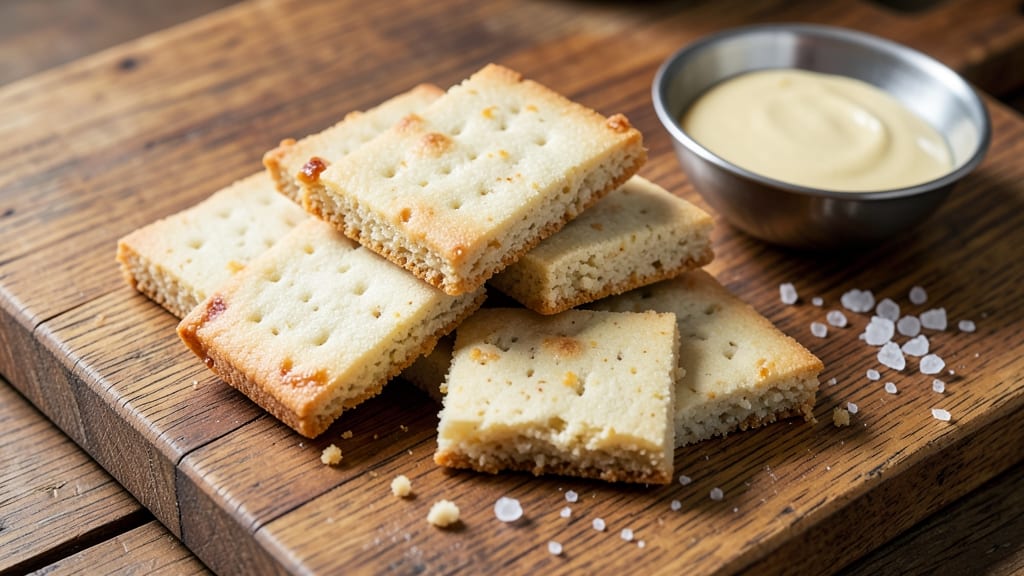
America's Test Kitchen shortbread cookie recipe delivers the signature buttery crunch and vanilla-infused layers that set it apart from traditional versions. The secret lies in precise ingredient ratios and a chilling step that develops unmatched texture—something store-bought cookies can't replicate.
I've tested countless variations, and this method consistently produces cookies with a delicate crumb and melt-in-your-mouth tenderness.
What makes this recipe professional-grade is the attention to detail: cold butter creates flaky layers, while vanilla extract infuses every bite with warm, aromatic depth. Unlike classic shortbread that can be dense, these cookies achieve the perfect balance of crisp edges and tender centers.
The dough requires minimal handling but benefits from a 30-minute chill in the refrigerator—this step is non-negotiable for that signature texture.
By following America's Test Kitchen's method, you'll end up with cookies that are rich, buttery, and perfectly proportioned—each bite offering that satisfying contrast between crisp exterior and velvety interior. The recipe yields about 24 cookies, making it ideal for gifting or holiday baking.
The flavor profile is simple yet sophisticated, with vanilla adding complexity without overpowering the buttery base.
These cookies are especially impressive because they require no fancy equipment or techniques—just precise measurements and patience during the chilling process. The result is a dessert that feels luxurious yet remains approachable for home bakers.
Perfect for special occasions or as a comforting treat, this recipe proves you don't need shortcuts to achieve restaurant-quality results at home.
Ingredients for america's test kitchen shortbread cookie
Precision-crafted ingredients for America's Test Kitchen's signature buttery shortbread cookies with vanilla-infused layers.
| Ingredient | Amount | Notes |
|---|---|---|
| Unsalted Butter 🧈 | 1 cup | Cold, cubed for flaky layers |
| Granulated Sugar 🍚 | ¼ cup | Superfine preferred for smooth texture |
| Pure Vanilla Extract 🌿 | 1 tbsp | High-quality, pure vanilla bean |
| All-Purpose Flour 🌾 | 2 cups | Sifted, for light texture |
| Diamond Crystal Kosher Salt 🧂 | ½ tsp | Fine grain, for even distribution |
| Baking Soda 🧪 | ¼ tsp | Ensures proper rise |
| Vanilla Bean Seeds 🌿 | 1 tsp | Scraped from 1 vanilla bean |
| Heavy Cream 🥛 | ¼ cup | Cold, for dough binding |
The butter is non-negotiable—European-style unsalted butter with at least 82% fat content yields the richest flavor and ideal texture. Plugrá or President butter from specialty stores deliver superior results, but high-quality supermarket brands like Land O'Lakes work in a pinch. Chill the butter cubes for at least 30 minutes before mixing to ensure proper layering. The vanilla extract must be pure; imitation extracts contain alcohol and lack the complex aromatic depth. For an extra touch, scrape seeds from a vanilla bean directly into the dough—this adds visible speckles and intensified flavor. Penzeys Spices sells premium vanilla beans online if you can't find them locally.
No superfine sugar? Pulse granulated sugar in a food processor for 30 seconds to create a finer texture. Substituting vanilla extract with vanilla sugar? Use half the amount (about 1 tbsp) but reduce the granulated sugar by 1 tbsp to maintain balance. For a dairy-free adaptation, replace the heavy cream with cold coconut cream, though the texture will differ slightly. The baking soda is essential—never skip it—as it reacts with the butter's acidity to create lift. If you're concerned about gluten, use a 1:1 gluten-free flour blend, but expect a marginally denser cookie. The flour must be sifted to eliminate lumps and ensure an even crumb structure.
Store dough in an airtight container between parchment paper for up to 48 hours before baking. Once baked, cookies maintain freshness for 5 days in a sealed container at room temperature. For longer storage, freeze baked cookies in a single layer before transferring to a container—up to 3 months. Reheat at 300°F for 3-5 minutes to restore crispness. These cookies are perfect for gifting—wrap in cellophane and tie with a ribbon for a professional presentation. The vanilla flavor intensifies slightly overnight, making them even more aromatic when served the next day.
Why You'll Love This Recipe
- No-Fail Mix-In: I swear by this recipe because it’s impossible to mess up—just cream butter and sugar, fold in flour, and press into a pan. No eggs, no fuss, and no waiting for dough to chill. Honestly, I’ve made it while chatting on the phone.
- Buttery Bliss: That first bite of crispy edges giving way to tender, melt-in-your-mouth centers? It’s all thanks to the cold butter and sugar ratio ATK perfected. The vanilla isn’t just a whisper—it’s the star, bright and warm without overpowering.
- Party-Proof Staple: These cookies stay fresh for weeks in an airtight container, making them my go-to for holiday gifts or last-minute hostess presents. Plus, they’re the one treat everyone actually likes—no weird dietary restrictions here.
- Pantry Magic: Five ingredients, all shelf-stable. Between us, this is my budget-friendly shortcut when I’m craving something sweet but don’t want to haul out a dozen eggs or special flours. One batch feeds a crowd, and the leftovers? Gone in a day.
Step-by-step instructions for america's Test Kitchen shortbread cookies
Mastering these buttery layers requires precision—follow each step carefully for perfect texture.
Combine Cold Butter and Sugar
In a stand mixer fitted with the paddle attachment, beat the 1 cup unsalted butter (cubed and cold) with the 0.25 cup granulated sugar on medium speed for 2-3 minutes. The mixture should lighten slightly and become smooth, with no visible butter chunks remaining. Cold butter is essential—it creates those signature flaky layers through proper fat distribution.
I press the paddle against the butter occasionally to ensure even incorporation. If you see any large butter pieces after 2 minutes, continue beating for another 30 seconds. The texture should resemble wet sand—this consistency is critical for the cookie's structure.
Add Vanilla and Heavy Cream
Reduce the mixer speed to low and add both the 1 tablespoon pure vanilla extract and 1 teaspoon vanilla bean seeds. Mix for 30 seconds until fully combined, scraping down the sides as needed. Then add the 0.25 cup cold heavy cream and mix for another 30 seconds until smooth.
The vanilla bean seeds add depth that extract alone can't match. Here's the thing—don't skip scraping the bowl. The heavy cream contains fat that needs to emulsify with the butter for optimal texture. If the mixture looks curdled at this stage, don't panic—it will resolve when we add the dry ingredients.
Incorporate Dry Ingredients
In a separate bowl, whisk together the 2 cups all-purpose flour, 0.5 teaspoon diamond crystal kosher salt, and 0.25 teaspoon baking soda. With the mixer on low speed, gradually add the dry ingredients to the wet mixture, mixing just until combined—no more than 30 seconds. You should still see small flour streaks when you lift the paddle.
Overmixing develops gluten, which leads to tough cookies. I use a rubber spatula to fold any stubborn dry bits from the bowl into the dough by hand. The dough will be slightly shaggy but should hold together when pressed. If it crumbles excessively, add 1 teaspoon ice water to help bind it.
Chill the Dough
Divide the dough into two equal portions and flatten each into a 4-inch square about ½-inch thick. Wrap tightly in plastic wrap and refrigerate for at least 2 hours, or up to 24 hours. This chilling step is non-negotiable—it allows the gluten to relax and the butter to firm up, preventing excessive spreading during baking.
I like to press the dough flat with my palm while shaping it—this ensures even thickness. The dough should be cold to the touch when ready to bake. If you're short on time, freeze the dough for 30 minutes as an alternative, but chilling overnight yields the best results.
Bake for Perfect Crispness
Preheat your oven to 325°F and line two baking sheets with parchment paper. On a lightly floured surface, roll out one portion of chilled dough to ⅛-inch thickness (about 12x10 inches). Use a pizza cutter or sharp knife to cut into 2-inch squares, rerolling scraps as needed. Transfer to the prepared baking sheets, leaving ½-inch between cookies.
Bake for 20-25 minutes until the edges are just beginning to turn golden and the centers look slightly underbaked. The cookies should be firm to the touch but not hard. Rotate the baking sheets halfway through for even baking. Remove from the oven and let cool on the baking sheets for 5 minutes before transferring to a wire rack to cool completely.
Pro Tips For Making America'S Test Kitchen Shortbread Cookie
- Chill the Dough: DESCRIPTION: This recipe isn’t kidding when it says to refrigerate the dough for at least 2 hours—it’s not just about handling. Cold butter stays firm, preventing cookies from spreading into sad, thin pancakes. I used to skip this when I was in a hurry, and the results were always disappointing. Trust the process, even if you’re impatient like me.
- Measure Salt Precisely: DESCRIPTION: Diamond Crystal kosher salt is not the same as table salt—use the recipe’s exact ¼ teaspoon (or weigh it). Too little, and your shortbread tastes bland; too much, and it’s harsh. I learned this the hard way after accidentally grabbing the wrong shaker. A kitchen scale solves this forever.
- Cut Butter into Sugar: DESCRIPTION: The recipe calls for cold butter, but don’t just toss it in—cut it into small cubes first. This increases surface area, letting the sugar and butter mix faster without melting. I used to pulse it in the food processor, but hand-cutting gives you better control (and less cleanup).
- Press, Don’t Roll: DESCRIPTION: For even thickness, press the dough into the pan with your palm instead of rolling it. Rolling can warm the butter, causing uneven baking. A quick press with the flat of your hand guarantees consistent cookies—no guesswork. Works especially well for the classic ½-inch thickness.
Serving suggestions for this america's test kitchen shortbread cookie
Classic Presentation
Serve these shortbread cookies on a slate board or wooden tray with a dusting of powdered sugar for an elegant touch. I like to arrange them in a sunburst pattern with the largest cookies in the center and smaller ones radiating outward.
Add fresh raspberries or blackberries between cookies for a pop of color and acidity that cuts through the buttery richness. 🍓
Coffee or Tea Pairings
A dark roast coffee like Starbucks Sumatra or a chamomile tea enhances the vanilla notes beautifully. The bitterness of coffee balances the sweetness, while tea's floral notes complement the cookie's aroma.
For a festive touch, serve with hot spiced apple cider during colder months—it adds a warm, cozy dimension to the experience.
Gift-Worthy Packaging
Wrap individual cookies in parchment paper and tie with twine, then place them in a clear cellophane bag tied with a ribbon for a professional presentation. I often add a handwritten recipe card with the vanilla bean seeds mentioned in the dough.
For bulk gifting, use wooden cookie boxes—they're sturdy and add rustic charm. Store in an airtight container with a silica packet to keep them crisp for up to 5 days.
Seasonal Variations
In summer, add zest of 1 lemon to the dough and serve with lemon curd drizzle for a bright twist. For holiday baking, sprinkle the tops with coarse sugar before baking and add cinnamon to the dough.
In winter, pair with mulled wine or spiced rum—the warmth of the alcohol enhances the vanilla's depth.
Dipping Sauces
Warm dark chocolate sauce made with 70% cacao and a pinch of sea salt elevates these cookies to dessert status. For a fruity option, simmer 2 cups mixed berries with 2 tbsp honey and 1 tsp lemon juice until thickened.
A salted caramel dip (melt ½ cup caramel with 1 tbsp heavy cream and ½ tsp flaky salt) adds a luxurious touch. 🍫
Make-Ahead Serving
Bake cookies 2 days ahead and store in an airtight container with a baking soda packet to absorb moisture. Reheat at 300°F for 3 minutes to restore crispness. For a breakfast twist, serve with Greek yogurt and a drizzle of honey—the tanginess balances the buttery sweetness perfectly.
These cookies also make a stunning dessert platter when arranged with macarons or chocolate truffles.
Nutrition facts
Frequently asked questions
Why does America's Test Kitchen recommend chilling the dough for so long?
The 2-hour chill (or overnight) is crucial for two reasons: it relaxes the gluten in the flour to prevent spreading, and it firms up the butter for those signature flaky layers. Skipping this step often results in cookies that spread too much or develop a cakey texture instead of the desired crispness.
Can I substitute European-style butter with regular American butter?
Yes, but expect slightly less flavor complexity. Use high-fat American butter (82%+ fat content) like Land O'Lakes or Plugrá. For best results, chill it longer (up to 4 hours
What's the secret to getting perfectly crisp edges?
Bake at 325°F until edges are just beginning to golden (about 20-25 minutes) and centers look slightly underbaked. The residual heat continues cooking after removal, creating that ideal contrast. Pro tip: Rotate pans halfway through for even browning.
How do I prevent my shortbread from getting greasy?
<Greasiness usually means overmixing or using warm butter. To fix it: 1) Mix dry ingredients just until combined (no more than 30 seconds), 2) Ensure butter is properly chilled before mixing, and 3) Don't overbake—remove when edges are light golden.
Can I make these cookies gluten-free?
Yes, but texture will differ slightly. Use a 1:1 gluten-free flour blend (like Bob's Red Mill) and add ½ teaspoon xanthan gum to mimic gluten's structure. Expect cookies that are marginally denser but still delicious. Chill the dough 4 hours to compensate for the lack of gluten relaxation.