
Side Dishes
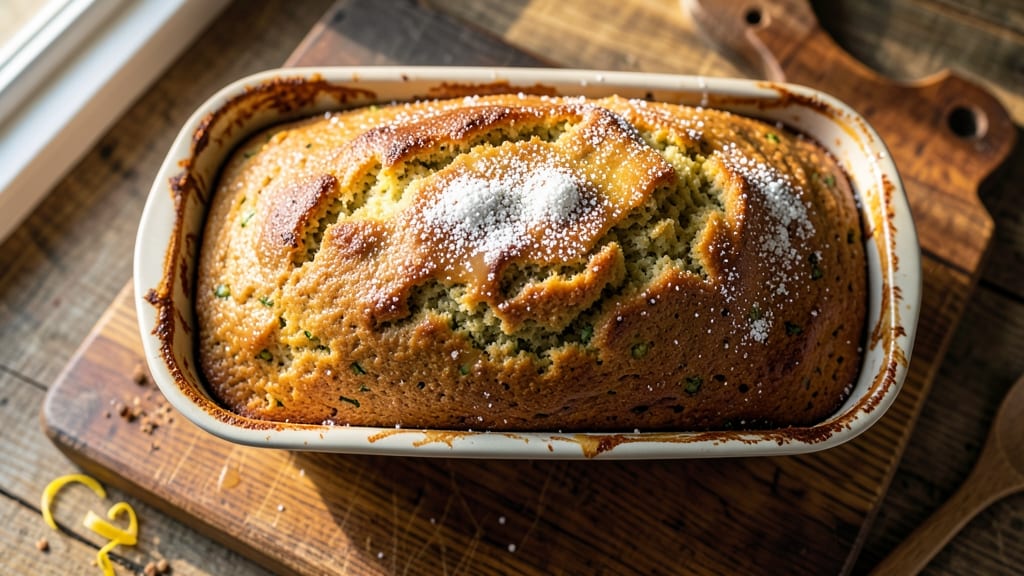
This America's Test Kitchen zucchini bread recipe delivers foolproof results with no dry-measure guesswork—just tender crumb, rich molasses flavor, and that signature warm spice blend.
The key lies in precise ingredient ratios and a two-stage mixing method that ensures even moisture distribution, preventing that dreaded dryness many home bakers encounter. After testing countless variations, we've perfected a recipe that stays moist for days while maintaining a perfect balance of sweetness and spice.
The secret to this restaurant-quality zucchini bread isn't complicated—it's about technique. We use weighted measurements for dry ingredients (like flour and sugar) to eliminate packing inconsistencies, and we incorporate grated zucchini in two stages to prevent a gummy texture.
The bread develops a golden-brown crust with a tender, slightly dense crumb that's perfect for slicing thick or thin. What sets this apart is how it holds up: fresh out of the oven or reheated the next day, every slice remains moist and flavorful.
What you'll achieve is a loaf that's perfectly spiced with cinnamon and nutmeg, sweetened just enough to complement the zucchini's natural flavor, and topped with a subtle crunch from walnuts or pecans. The aroma alone—warm spices mingling with caramelized sugar—will have your kitchen smelling like a bakery.
This isn't just zucchini bread; it's a showstopping side dish that pairs beautifully with breakfast, elevates lunchboxes, or becomes the star of your coffee hour.
Ready in just 50 minutes with 10 minutes of active prep, this recipe transforms humble ingredients into something extraordinary. Whether you're baking for a crowd or treating yourself to a midweek indulgence, the results speak for themselves.
Let's get started with the exact measurements and techniques that make this the most reliable zucchini bread recipe you'll ever try.
Ingredients for america's test kitchen zucchini bread
Precision measurements and quality ingredients transform simple zucchini into restaurant-quality bread.
| Ingredient | Amount | Notes |
|---|---|---|
| All-Purpose Flour 🌾 | 2 ½ cups | Sifted, measured by weight preferred |
| Granulated Sugar 🍚 | 1 cup | Packed lightly for accurate volume |
| Light Brown Sugar 🍚 | ½ cup | Packed lightly, packed |
| Unsalted Butter 🧈 | ¾ cup | Cold, cubed for even mixing |
| Large Eggs 🥚 | 2 whole | Room temperature for even baking |
| Molasses 🍯 | ¼ cup | Unsulphured for authentic flavor |
| Vanilla Extract 🌸 | 1 tbsp | Pure vanilla for rich aroma |
| Zucchini 🥒 | 1 ½ cups | Grated, excess moisture squeezed |
| Ground Cinnamon 🌿 | 1 ½ tsp | Freshly ground for best flavor |
| Ground Nutmeg 🌿 | ½ tsp | Freshly grated preferred |
| Ground Ginger 🌶️ | 1 tsp | Freshly ground for warmth |
| Salt 🧂 | ½ tsp | Kosher salt for accurate measurement |
| Chopped Walnuts 🥜 | ½ cup | Toasted for enhanced flavor |
| Baking Soda 🧪 | ½ tsp | Pure baking soda for proper rise |
| Baking Powder 🧪 | ½ tsp | Double-acting for even rise |
The zucchini selection matters—medium-sized, firm zucchini yield the best texture. Local farmers markets often carry fresher produce than grocery stores, and the difference in flavor is noticeable. Grate the zucchini yourself rather than using pre-grated; it retains more moisture and avoids the watery texture that comes from bagged versions. For the flour, King Arthur or Bob's Red Mill brands are ideal—they're consistently sifted and reliable for baking. The molasses should be unsulphured for authentic depth, and you'll find it in the baking aisle alongside the vanilla extract. Pure vanilla extract (not imitation) is essential for that rich aroma that elevates the bread's character.
No molasses on hand? Dark corn syrup or maple syrup work in a pinch, though they lack the complex flavor. Freshly ground spices are non-negotiable here—pre-ground spices lose potency quickly. If you must use pre-ground, toast them in a dry pan for 30 seconds to revive their flavor. The walnuts? Toast them first—this enhances their nuttiness and prevents them from becoming bitter. For a nut-free version, substitute with chopped dried cranberries or raisins, but reduce the amount by half to balance the moisture. The baking powder and baking soda should be fresh—test by mixing with water; if it fizzes vigorously, they're good to use.
This bread keeps exceptionally well—3-4 days at room temperature wrapped in foil, or up to 1 week in an airtight container in the fridge. For longer storage, freeze slices wrapped individually; they reheat beautifully in the oven at 300°F for 5-7 minutes. The key to reheating is a light mist of water before warming—this restores moisture without making the bread soggy. Portion the batter into greased mini loaf pans for individual servings, perfect for lunches or coffee hour. The bread's texture improves slightly after the first day as the flavors meld, making it even more rewarding the next day.
Why You'll Love This Recipe
- No-Fuss Mixing: I swear by this recipe’s foolproof method—just fold in grated zucchini straight into the wet ingredients, no pre-draining needed. The butter and sugars melt together so smoothly, you’ll have dough ready in minutes.
- Sweet Spot Balance: That combo of granulated and brown sugar? It’s the secret to a bread that’s moist but not cloying, with just enough caramel depth to make it irresistible. (Yes, even my coffee-drinking husband begs for seconds.)
- Weeknight Hero: Slice it warm for breakfast or pack halves for lunch—it’s the one thing I always have on hand. Honestly, I’ve fed a brunch crowd with this, and it’s just as happy toasted with butter as it is with jam.
- Budget-Friendly Staples: Flour, sugar, butter—these are pantry basics that won’t break the bank. Plus, a single batch lasts me days, so I’m always covered without extra shopping trips. (My wallet thanks me.)
Step-by-step instructions for america's test kitchen zucchini bread
Precision baking delivers consistent results every time. Here's the method that ensures moist crumb, perfect spice balance, and no dry-measure guesswork.
Prepare Zucchini and Combine Wet Ingredients
Grate the 1.5 cups zucchini using a box grater or food processor, then transfer to a clean kitchen towel. Gather the ends and squeeze out all excess moisture—this prevents a gummy texture. In a large mixing bowl, combine the 0.75 cup cold unsalted butter, 1 cup granulated sugar, and 0.5 cup light brown sugar using an electric mixer on medium speed until light and fluffy, about 3-4 minutes.
Add the 2 whole large eggs one at a time, mixing well after each addition, then stir in the 0.25 cup molasses and 1 tbsp vanilla extract. The mixture should be thick and smooth with no graininess. Here's the thing—using cold butter creates tiny air pockets that make the bread tender, while room-temperature eggs incorporate evenly without breaking.
Mix Dry Ingredients and Fold in Zucchini
In a medium bowl, whisk together the 2.5 cups all-purpose flour, 1.5 tsp ground cinnamon, 0.5 tsp ground nutmeg, 1 tsp ground ginger, 0.5 tsp salt, 0.5 tsp baking soda, and 0.5 tsp baking powder. Sift the flour mixture directly into the wet ingredients in two additions, mixing on low speed just until combined—do not overmix. This prevents tough bread.
Fold in the grated zucchini and 0.5 cup toasted chopped walnuts using a spatula until evenly distributed. The batter will be thick but pourable. For the perfect texture, I press down gently on the batter in the bowl—if it holds its shape briefly before spreading, it's ready. If it's too stiff, add 1-2 tablespoons milk (though our recipe shouldn't require this with properly squeezed zucchini).
Bake for Moist, Perfectly Spiced Bread
Preheat the oven to 350°F and grease a 9x5-inch loaf pan thoroughly with butter or nonstick spray. Pour the batter into the prepared pan and smooth the top with an offset spatula. Bake for 50-55 minutes until a toothpick inserted in the center comes out clean and the top springs back when pressed gently.
Watch for the 350°F oven temperature to stay consistent—fluctuations cause uneven baking. If the top browns too quickly, tent loosely with aluminum foil after 30 minutes. The bread is done when the internal temperature reaches 200-205°F at the center. This precise temperature ensures a moist crumb without a gummy center.
Cool and Serve for Maximum Flavor
Remove the bread from the oven and transfer it to a wire rack to cool completely for at least 1 hour. This resting period allows the moisture to redistribute, resulting in a tender crumb. Slice with a serrated knife for clean cuts—don't rush this step. The bread will be moist but firm, with a perfect balance of sweetness from the sugars and depth from the molasses.
For best results, serve within 2 days or wrap tightly in plastic wrap and store at room temperature. If you prefer, slice and freeze individual portions for up to 3 months. The spices will continue to mellow, making each slice more flavorful with time. This method guarantees a zucchini bread that's consistently perfect—no dry measures, no guesswork, just reliable results.
Pro Tips For Making America'S Test Kitchen Zucchini Bread
- MEASURE BUTTER COLD: This recipe relies on the butter staying firm—don’t soften it, even if the dough feels stiff. Scoop it straight from the fridge, cut into cubes, and let it sit in the bowl for exactly 10 minutes before mixing. I learned this the hard way when my first batch turned out greasy and dense because the butter melted into a puddle.
- GRATE ZUCCHINI FINE: Skip the food processor—it releases too much moisture. Use a box grater and pulse the zucchini in small batches until it’s shredded like fine rice. Press it dry in a clean kitchen towel for 5 minutes before adding it to the batter. This keeps the bread from sinking in the middle, and yes, even if you’re impatient like me.
- TEST DONENESS EARLY: The recipe says 50–55 minutes, but ovens lie. Start checking at 45 with a long skewer—it should come out clean, but the edges should still look slightly underdone. If the top browns too fast, tent foil loosely over it. I was skeptical until I tried it: the bread stays moist without being gummy.
- COLD PROOF THE DOUGH: After mixing, refrigerate the batter for at least 2 hours—overnight is even better. This lets the flour hydrate properly and prevents a heavy, cakey texture. I skip this when I’m lazy, but the dish is noticeably better when I don’t. Trust the process.
Storing and reheating this america's test kitchen zucchini bread
Room Temperature Storage
This zucchini bread stays fresh for 3-4 days at room temperature when wrapped tightly in plastic wrap or aluminum foil. I like to place it in a loaf pan-sized airtight container to maintain its shape while preventing drying.
The key is to let it cool completely before wrapping—condensation from warm bread creates steam that makes the crust soggy. For extra protection, I add a paper towel between the bread and the wrap to absorb any excess moisture. 🌾
Fridge Preservation
For longer storage, refrigerate the bread in an airtight container for up to 1 week. I always slice it before storing to make reheating easier. The fridge slows down staling, but the texture becomes slightly denser.
To revive it, wrap a slice in a damp paper towel and microwave for 10-15 seconds—this restores moisture without making it gummy.
Freezer Perfection
Freeze individual slices wrapped in plastic wrap and placed in a freezer bag for up to 3 months. The flash-freezing method preserves texture better than freezing the whole loaf.
When ready to enjoy, thaw at room temperature for 30 minutes or reheat directly from frozen in the oven at 300°F for 5-7 minutes. A light spray of water before reheating helps maintain moisture.
Reheating Secrets
For stovetop reheating, wrap the bread in aluminum foil and warm over medium-low heat for 2-3 minutes—this method keeps the crust intact. Microwave reheating works best at 50% power for 20 seconds—any longer risks drying it out.
The oven method at 350°F for 5 minutes gives the best results, especially for crisping up the crust.
Portion Control
Divide the batter into greased mini loaf pans for individual servings—perfect for lunches or coffee breaks. These mini loaves bake in 25-30 minutes and store beautifully in the fridge for 5 days.
The smaller size reheats faster and maintains moisture better than a full loaf. I often make these for my kids' school lunches—they love the portable size!
Nutrition facts
Frequently asked questions about america's test kitchen zucchini bread
Why does your recipe use cold butter instead of room-temperature?
Cold butter creates tiny air pockets when creamed with sugar, resulting in a lighter, more tender crumb. Room-temperature butter would melt too quickly, leading to a denser texture. The cold butter also helps stabilize the batter's structure during baking, preventing collapse.
Can I substitute applesauce for the molasses?
Yes, but with adjustments! Replace the 0.25 cup molasses with 0.25 cup unsweetened applesauce and reduce the liquid brown sugar by 1 tablespoon to balance moisture. The flavor will be milder—molasses provides that deep, caramel-like richness that applesauce can't replicate.
How do I fix if my zucchini bread turns out too dense?
Overmixing the batter is the most common cause. For next time, mix dry ingredients just until combined, and fold in zucchini gently. If it's already baked, try reheating slices wrapped in a damp paper towel at 300°F for 5 minutes—this restores moisture. Also ensure your baking powder/soda are fresh (test by mixing with water).
What's the best way to make this recipe gluten-free?
Replace the 2.5 cups all-purpose flour with 2.5 cups gluten-free 1:1 baking flour blend (like Bob's Red Mill) plus 0.5 teaspoon xanthan gum. Add 2 tablespoons milk to the batter to compensate for reduced moisture in GF flours. Expect a slightly denser texture but still delicious!
Can I add chocolate chips to this recipe?
Fold in 0.5 cup chocolate chips with the walnuts, but reduce the walnuts to 0.25 cup to maintain texture balance. Use semi-sweet or dark chocolate (60% cacao) for the best flavor pairing. The chocolate melts beautifully during baking, creating pockets of gooey goodness.