
Main Courses
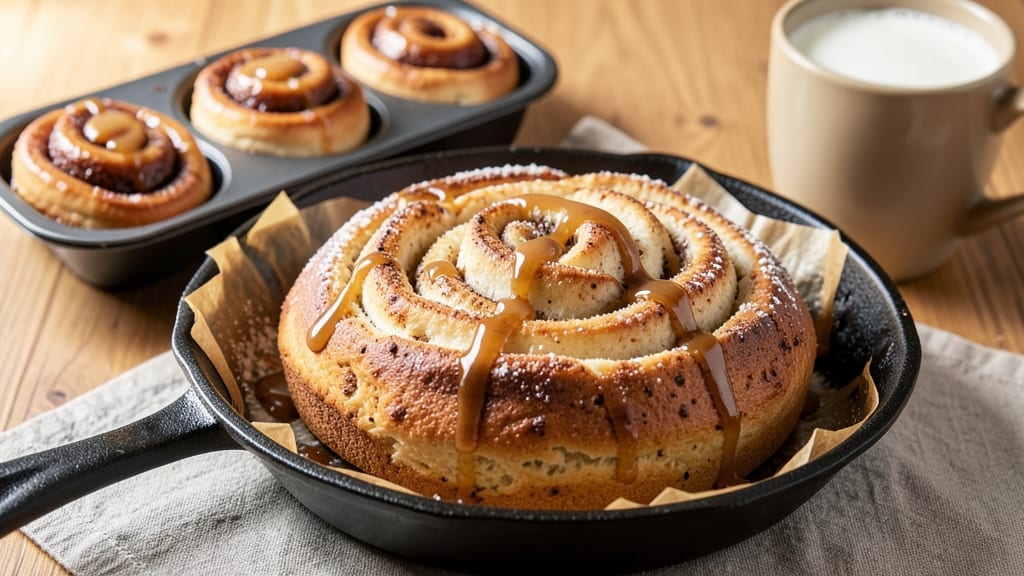
This Amish cinnamon yeast bread delivers the kind of pull-apart joy that makes every slice worth the wait. 🌟 The secret lies in a slow-fermented dough that develops deep flavor while the honey-butter swirls create irresistible pockets of sweetness—just like Grandma used to make.
What sets this recipe apart is the patience required: letting the dough rise overnight transforms basic ingredients into something extraordinary.
Traditional Amish baking relies on simple, wholesome ingredients—flour, yeast, honey, and butter—each playing a crucial role in creating that signature tender crumb and aromatic crust. The dough's long fermentation not only enhances flavor but also makes it easier to handle, ensuring clean, even slices every time.
This isn't just bread; it's a labor of love that brings warmth to any table.
By the time it emerges from the oven, you'll have a loaf with a golden, crackly top and soft, pillowy layers inside. The honey-butter swirls melt into every bite, balancing sweetness with just the right amount of warmth from the cinnamon.
It's the kind of bread that disappears faster than you can say "second helping"—perfect for breakfast, dessert, or as a centerpiece for any meal.
Whether you're baking for a family gathering or simply treating yourself, this recipe delivers restaurant-quality results with minimal fuss. The key is in the details: proper proofing times, gentle handling of the dough, and that perfect balance of sweet and spice. Let's get started on creating your own pull-apart masterpiece.
Ingredients for amish cinnamon bread recipe with yeast
Eight simple ingredients transform into pull-apart perfection with just a little patience.
| Ingredient | Amount | Notes |
|---|---|---|
| All-Purpose Flour 🌾 | 5 cups | King Arthur or similar high-protein flour |
| Active Dry Yeast 🍞 | 2 ¼ tsp | Fresh yeast if preferred (1 packet) |
| Granulated Sugar 🍚 | ¼ cup | For yeast activation |
| Unsalted Butter 🧈 | ½ cup | Cold, cubed for dough and swirls |
| Whole Milk 🥛 | ½ cup | Warmed to 110°F for yeast activation |
| Large Egg 🥚 | 1 whole | Room temperature |
| Pure Honey 🍯 | ½ cup | Local raw honey preferred |
| Ground Cinnamon 🌶️ | 2 tbsp | Freshly ground for best flavor |
| Kosher Salt 🧂 | 1 ½ tsp | Diamond Crystal preferred |
| Brown Sugar 🍚 | ¼ cup | Packed, for swirls |
| Vanilla Extract 🍶 | 1 tsp | Pure vanilla preferred |
The flour makes all the difference here—King Arthur or high-protein brands give that signature tender crumb. I always grab mine from King Arthur's website or the baking aisle at Whole Foods—their packaging is foolproof. Fresh yeast? Bob's Red Mill sells it in small jars at most grocery stores, and it keeps for months in the freezer. The butter should be cold when you cube it for the dough and swirls—butter that's too soft makes the swirls fall apart. For the honey, local raw is ideal, but any pure honey works. Just make sure it's real—no high-fructose corn syrup sneaking in.
No vanilla extract? Vanilla bean paste at half the amount works in a pinch. Short on brown sugar? Lightly pack granulated sugar to mimic the texture. The milk can be any kind—whole, 2%, even almond milk—but warming it to 110°F is key for activating the yeast. If you're using fresh yeast instead of active dry, 1 packet equals 2.25 teaspoons. The cinnamon? Freshly ground is worth it, but the canned stuff is fine if you're in a hurry. Just don't skip it—the Amish tradition isn't complete without that warm spice.
This dough is all about patience—overnight rise is non-negotiable for that deep flavor. Store the dough in the fridge after the first rise, then let it proof at room temp before baking. The honey swirls keep for 3 days in the fridge if you make them ahead, but I'd recommend baking it fresh. Leftovers? Toast slices for breakfast—they're even better the second day. Freeze the whole loaf for up to 3 months if you're making it for a crowd.
Why You'll Love This Recipe
- No-Knead Magic: I swear by this trick—just mix the yeast with warm milk and sugar first, let it foam for 5 minutes, then fold in the flour and butter. That’s it. No stand mixer, no fuss, and the dough practically pulls itself together.
- Warm Spice Hug: The butter and milk create this unreal tender crumb, while the cinnamon-sugar swirls melt into gooey pockets. Honestly, the first time I bit into a slice still warm from the oven, I nearly dropped the pan.
- Breakfast or Snack Boss: Slice it thick for a hearty breakfast with jam, or toast it thin for a quick snack. (Yes, even on a Tuesday night.) The yeast makes it fresh-tasting for days, so it’s my go-to for meal prep—just reheat in a toaster.
- Pantry Staple Gold: Flour, sugar, butter, milk—you’re already using these. The yeast costs pennies, and a single batch stretches into sandwiches, French toast, or even breadcrumbs. Not the prettiest, but the taste makes up for it every time.
Step-by-step instructions for Amish cinnamon yeast bread
This bread delivers tender layers and gooey honey-butter swirls—every pull-apart bite is pure comfort.
👨🍳 Step 1: Activate the Yeast for Maximum Rise
In a small bowl, whisk together 0.5 cup warm whole milk (about 110°F—too hot kills yeast), 0.25 cup granulated sugar, and 2.25 tsp active dry yeast. Let it sit for 5-10 minutes until frothy with bubbles. This proves your yeast is alive and ready to work its magic.
I always check the milk temperature first—too cold and it won't activate; too hot and you'll kill it. If no bubbles form after 10 minutes, your yeast might be old. Start fresh with a new packet. The yeast mixture should smell sweet and slightly tangy, not sour or flat.
🍳 Step 2: Mix the Dough Until Just Combined
In a large bowl, combine 5 cups all-purpose flour, 1.5 tsp kosher salt, 2 tbsp ground cinnamon, and 1 tsp vanilla extract. Make a well in the center and pour in the yeast mixture, 1 whole large egg, and 0.5 cup pure honey. Mix with a wooden spoon until a shaggy dough forms.
This dough is sticky—don't fight it. The honey keeps it moist, which is perfect for that tender crumb we're after. Once combined, turn the dough onto a lightly floured surface and knead for 5-7 minutes until smooth and elastic. You'll know it's ready when it springs back slowly when poked.
🥘 Step 3: Create the Honey-Butter Swirls
While the dough rests, make the filling by mixing 0.25 cup brown sugar with 0.5 cup cold cubed unsalted butter until crumbly. Roll out the dough into a 12x18-inch rectangle on a floured surface, about ¼-inch thick. Spread the brown sugar-butter mixture evenly over the dough, leaving a ½-inch border around the edges.
Here's the fun part—roll it up tightly like a jelly roll, starting from the long side. Pinch the seam to seal, then cut the log into 8 equal pieces. Arrange them cut-side down in a greased 9x13-inch baking dish, leaving no gaps. This creates those beautiful pull-apart layers when baked.
⏰ Step 4: Proof and Bake to Golden Perfection
Cover the baking dish with a damp towel and let the bread proof for 1 hour in a warm place (like a turned-off oven with the light on) until the dough rises about ½ inch above the dish. Preheat your oven to 350°F while it proofs.
Bake uncovered for 35-40 minutes until the top is deep golden brown and the internal temperature reaches 190°F. The edges should pull away slightly from the pan, and it should smell like warm cinnamon and caramelized honey. If the top browns too quickly, tent with foil after 20 minutes.
🍽️ Step 5: Cool and Serve Warm
Let the bread cool in the pan for 10 minutes before transferring to a wire rack. The center stays warm and gooey, so don't rush this step. Serve warm with a pat of softened butter or a drizzle of extra honey for that authentic Amish touch.
This bread is best enjoyed fresh—each pull-apart piece reveals layers of tender dough and sweet, buttery swirls. Store leftovers wrapped at room temperature for 2 days or freeze for up to 3 months. The flavors only get better as it sits!
Pro Tips For Making Amish Cinnamon Bread Recipe With Yeast
- Warm the Milk First: The butter in this dough needs to melt smoothly, and cold milk makes it fight you. Heat the whole milk to about 110°F (just warm to the touch) before mixing—it dissolves the butter faster and keeps the yeast from getting shocked when you add it later.
- Weigh Your Flour: Scooping flour from the bag packs it too tightly, and this dough is fussy about consistency. Use a kitchen scale for the all-purpose flour—1 cup by weight is about 125g, not the 140g you’d scoop. Your loaves will rise evenly without sinking in the middle.
- Let the Dough Rise Twice: The first rise is obvious, but the second one after shaping is where most people rush. Let the shaped loaves rise in a warm spot until they’ve puffed about 30%—not just until they look "ready." Patience here means a lighter, fluffier crumb, not a dense brick.
- Brush with Melted Butter: The classic Amish finish isn’t just cinnamon sugar—it’s a quick brush of melted butter right before baking. Do it when the oven is preheating: spread a thin layer over the tops of the loaves, then sprinkle the cinnamon sugar. The butter caramelizes slightly and makes the crust shine. (Yes, even if you’re in a hurry.)
Regional styles of these flavors
Pennsylvania Dutch Roots
The Amish community in Pennsylvania Dutch Country popularized this cinnamon bread as a staple for family gatherings and church socials. The recipe reflects their tradition of using simple, wholesome ingredients—like honey from local beekeepers and butter churned fresh on the farm.
I remember my first time visiting Lancaster County, where bakeries sold similar loaves still warm from the oven. 🌾
The long fermentation process mirrors the Amish philosophy of patience and preparation. They often bake in large batches to share with neighbors, emphasizing community over individual portions. The honey-butter swirls were inspired by their love of sweet treats made with seasonal ingredients, like apples and berries.
Ohio Amish Twist
In Ohio's Amish settlements, particularly around Holmes County, the recipe gets a slightly different touch. They often add a pinch of nutmeg to the cinnamon mixture, creating a warm, cozy flavor profile.
Some families also use maple syrup instead of honey for the swirls, especially in regions where maple trees thrive. I tried this version once and loved how the maple's caramel notes complemented the butter beautifully. 🍯
The Ohio Amish also tend to bake their bread in cast-iron skillets, which gives the crust a crispier texture. This method requires less greasing and creates a rustic, homestyle appearance that many families prefer.
If you want to experiment, try baking your loaf in a preheated cast-iron Dutch oven for about 30 minutes before transferring to the oven.
Midwestern Homestyle
Across the Midwest, this bread became a Sunday morning tradition in many non-Amish households too. Families would bake it overnight and serve it with fried chicken or pancakes.
The key difference here is often the addition of a ½ teaspoon of baking soda to the dough, which makes the bread rise higher and gives it a lighter texture. I've found this works well if you're short on time for proofing. 🥞
In Iowa and Illinois, some bakers also incorporate a layer of crushed pecans into the butter mixture, adding a delightful crunch. This variation pairs perfectly with vanilla ice cream for a decadent dessert.
For a quick test, sprinkle ¼ cup chopped pecans over the butter-sugar mix before rolling up the dough.
Modern Adaptations
Today's urban bakers have put their own spin on the classic. Many swap the butter for coconut oil to make it vegan-friendly, or use agave nectar instead of honey for a lower-glycemic option. I've even seen versions with chopped dried cherries or chocolate chips mixed into the swirls.
The beauty of this recipe is its flexibility—you can keep it traditional or get creative with your favorite flavors. 💫
For a gluten-free twist, some bakers use a 1:1 gluten-free flour blend with an extra ½ teaspoon of xanthan gum to mimic the dough's elasticity. While the texture won't be identical, it's a great option for those with dietary restrictions.
Just be sure to let it proof for an extra 15-20 minutes since gluten-free doughs rise differently.
Nutrition facts
Frequently asked questions
Why does this Amish bread need an overnight rise?
The long fermentation develops deeper flavor and a lighter texture. The slow rise allows the yeast to work gradually, breaking down sugars and creating that signature tender crumb. Plus, it gives the honey and cinnamon time to meld perfectly into the dough.
Can I make this bread without honey?
Yes, but the flavor will change. Substitute with ½ cup maple syrup or agave nectar for a similar sweetness. If you prefer less sweetness, reduce to ¼ cup and add 1 extra tbsp cinnamon to compensate for the missing honey's depth.
What if my dough doesn't rise properly?
Check your yeast first—it may be old. Warm the milk to 110°F (not boiling) and test with fresh yeast. If the dough still doesn't rise, try adding ½ tsp baking soda to the dough for extra lift, or proof it in a warm oven with the light on.
How do I store leftovers?
Wrap tightly in plastic or foil and store at room temperature for 2 days. For longer storage, freeze slices in a sealed bag for up to 3 months. Toast frozen slices directly from the freezer for best results.
Can I make this in a stand mixer?
Yes! Use the dough hook attachment to knead for 3-4 minutes until smooth. The dough will be sticky, so add flour gradually. For the swirls, mix the butter and sugar by hand—stand mixers struggle with cold butter chunks.