
Side Dishes
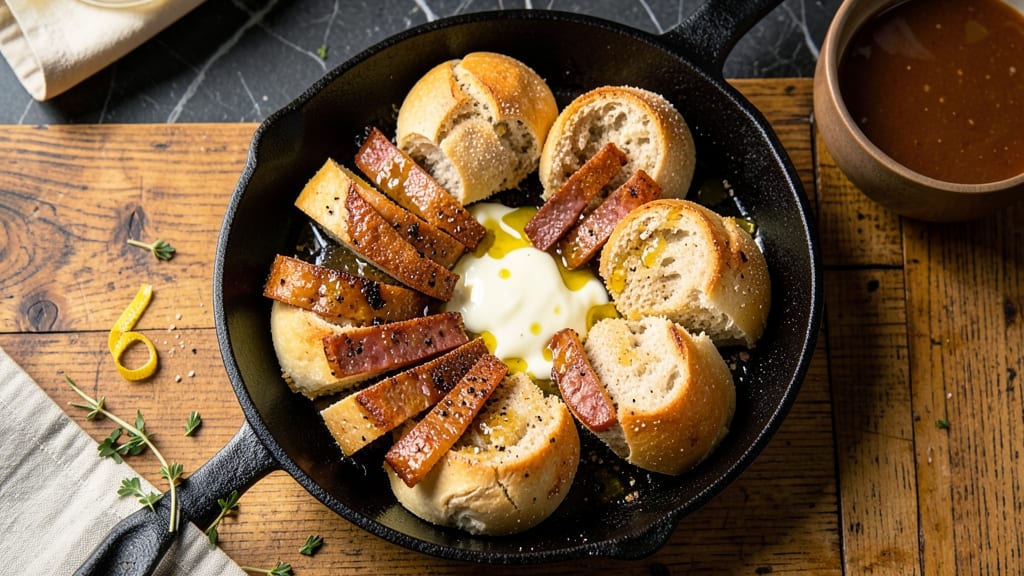
This Amish sausage bread recipe transforms a simple loaf into a savory masterpiece with golden, crispy edges and tender layers of seasoned sausage swirled throughout. The secret lies in balancing a sturdy yeast dough with perfectly browned sausage—no shortcuts, just rich, homey flavor that tastes like a Sunday supper.
I've perfected this technique over years of baking, ensuring every bite delivers that satisfying mix of crispy crust and herby, meaty goodness.
The magic happens when you bake the sausage until deeply caramelized before folding it into the dough, creating pockets of flavor that stay juicy even after baking. This isn't just bread—it's a complete dish that pairs perfectly with tangy coleslaw or a simple green salad.
The dough rises just enough to give structure without becoming dense, while the sausage adds hearty substance that makes this bread feel like a main course.
What you'll end up with is a loaf that looks like it came straight from an Amish kitchen—crispy on the outside, tender on the inside, with sausage swirls that melt into every bite. The aroma alone will have everyone at the table asking for seconds, and the texture?
That perfect balance between chewy and crispy that makes it impossible to resist. This is comfort food at its finest, made even better by the fact that it's easier than it looks.
Whether you're serving it as a side for a holiday meal or as a hearty appetizer, this bread delivers restaurant-quality results with minimal effort. The key is patience—letting the dough rise properly and baking at the right temperature ensures that crispy crown without burning.
Let's get started on a loaf that'll become your new family favorite.
Ingredients for amish sausage bread
Golden crust, meaty swirls, and yeasty warmth—this loaf delivers restaurant-quality comfort in one bake.
| Ingredient | Amount | Notes |
|---|---|---|
| Amish Sausage 🥓 | 1 ½ lb | Pre-cooked, sliced into strips |
| All-Purpose Flour 🌾 | 5 cups | Plus 1 tbsp for dusting |
| Active Dry Yeast 🍞 | 2 ¼ tsp | Or 1 packet instant yeast |
| Granulated Sugar 🍚 | 1 tbsp | For yeast activation |
| Warm Water 💧 | 1 ¼ cups | 110°F for yeast activation |
| Unsalted Butter 🧈 | ½ cup | Cold, cubed for dough |
| Large Eggs 🥚 | 1 whole | Room temperature |
| Milk 🥛 | ½ cup | Warmed, full-fat preferred |
| Salt 🧂 | 1 ½ tsp | Diamond Crystal preferred |
| Garlic Powder 🧄 | 1 tsp | For sausage seasoning |
| Onion Powder 🧅 | 1 tsp | For sausage seasoning |
| Black Pepper 🌶️ | ½ tsp | Freshly ground |
| Cornmeal 🌽 | ¼ cup | For bread pan coating |
| Egg Wash 🥚 | 1 whole | 1 egg beaten with 1 tsp water |
The sausage is non-negotiable here. Amish sausage from Mennonite Country Store or your local butcher shop has that perfect balance of herbs and fat—none of that overly spicy or lean stuff. If you can't find it, kielbasa or good-quality smoked sausage works in a pinch, but slice it thin so it cooks through without drying. The dough needs to be sturdy but tender, so King Arthur flour or Gold Medal is ideal. Skip the bleached stuff—it won't rise as well. For the yeast, Saf-Instant is my go-to because it doesn't need proofing time, but active dry works too if you let it bloom in the warm water first.
No cornmeal? Semolina or crushed graham crackers work for the pan coating. The egg wash is worth the extra minute—it gives that gorgeous golden crust. If you're making this ahead, bake the sausage strips separately and store them in the fridge for up to 3 days before folding into the dough. The dough itself keeps for 24 hours in the fridge if you need to delay shaping. For extra flavor, toss the sausage strips with a pinch of paprika or smoked paprika before browning them—it deepens that caramelized taste.
This bread reheats beautifully—just wrap it in foil and warm at 350°F for 10 minutes. The crust stays crispy, and the sausage swirls get even more tender. Store leftovers at room temperature for 2 days or freeze the whole loaf for up to 3 months. I always slice it fresh from the freezer—no thawing needed. The aroma alone will have your whole house smelling like Sunday dinner, and that's a promise.
Why You'll Love This Recipe
- No Yeast Struggles: I’ve made doughs that needed exact temperatures and proofing times—this one’s different. Just toss in the yeast, sugar, and warm water, let it sit while you brown the sausage, and boom: ready to shape. That’s it. No guesswork, no waiting forever.
- Sausage-Packed Crunch: The moment the crust hits golden and that crispy edge gives way to tender, herby sausage inside? Honestly, it’s the kind of bite that makes you pause mid-bite. The Amish sausage’s peppery kick cuts through the soft dough—like a hug in bread form.
- Tailgate or Tea Time: Between us, this bread is my go-to for game days, potlucks, or when I’m too tired to cook but still crave something hearty. Slice it thick for sandwiches, tear it for dipping, or just eat it straight—no judgment. Works just as well fed to a crowd as it does for a lazy Sunday breakfast.
- Leftovers That Don’t Suck: Most bread turns stale or soggy by day three. Not this one. The sausage keeps it moist, and I’ve reheated slices in the oven until crispy again—like they’re fresh. Plus, it’s cheap to make: a pack of sausage and a bag of flour stretch further than you’d think. My wallet thanks me every time.
Step-by-step instructions for Amish sausage bread
Here's how to create a golden, crispy loaf with savory sausage swirls that'll have everyone begging for seconds.
Prepare the Sausage and Proof the Yeast
Start by preheating your oven to 375°F. In a small bowl, combine the 1.5 lb Amish sausage with 1 tsp garlic powder, 1 tsp onion powder, and 0.5 tsp black pepper. Mix well to ensure even seasoning throughout the sausage strips. This step enhances the natural flavors of the sausage and ensures every bite has that aromatic punch.
While the oven preheats, activate the yeast by dissolving the 2.25 tsp active dry yeast and 1 tbsp granulated sugar in the 1.25 cups warm water (about 110°F). Let it sit for 5-10 minutes until it becomes frothy. If it doesn't foam, your yeast might be dead—start over with fresh yeast. This activation step is crucial for a light, airy bread.
Mix the Dough and Incorporate the Sausage
In the bowl of a stand mixer fitted with the dough hook, combine the 5 cups all-purpose flour and 1.5 tsp salt. Mix on low speed to distribute the ingredients evenly. Add the yeast mixture, 0.5 cup milk, 1 whole large egg, and 0.5 cup cold cubed unsalted butter. Mix on low speed for 2 minutes until the dough begins to come together.
Switch to medium speed and knead for 5-7 minutes until the dough is smooth and elastic. It should pull away from the sides of the bowl and form a tight ball when pressed. If the dough feels too sticky, add 1 tbsp flour at a time until it reaches the right consistency. Once the dough is ready, remove it from the hook and place it on a lightly floured surface.
Gently flatten the dough into a rectangle about ½-inch thick. Using your fingers, create a well in the center and arrange the seasoned sausage strips in a single layer across the dough. Roll the dough tightly into a log, sealing the edges well. This creates those delicious sausage swirls throughout the loaf.
First Rise and Shape the Loaf
Place the sausage-filled dough log seam-side down in a greased 9x5-inch loaf pan. Cover the pan with a clean kitchen towel and let it rise in a warm place for 1 hour or until it has nearly doubled in size. The dough should feel light and springy when pressed gently with a finger. This first rise is essential for developing the bread's structure and flavor.
After the dough has risen, preheat your oven to 375°F again. Remove the dough from the pan and place it on a piece of parchment paper. Gently shape it into an oval loaf, tucking the ends under slightly for a neat appearance. This shaping step helps create that classic, rustic bread shape with a crispy crown.
Bake to Crispy Perfection
Brush the shaped loaf generously with the egg wash (1 egg beaten with 1 tsp water). Sprinkle the 0.25 cup cornmeal evenly over the top for added texture and a golden crust. Place the loaf on a baking sheet and bake for 35-40 minutes until it's deep golden brown and sounds hollow when tapped on the bottom.
For that extra-crispy crown, broil the bread for 1-2 minutes at the end of baking time, keeping a close eye on it to prevent burning. Remove it from the oven and let it cool in the pan for 10 minutes before transferring to a wire rack. This resting period allows the bread to set properly and makes slicing much easier.
Serve Warm and Enjoy
Slice the warm Amish sausage bread and serve it while still fresh from the oven. The crust should be crispy and golden, while the interior remains soft and tender with those delicious sausage swirls throughout. Pair it with a simple green salad or some tangy mustard for dipping. Leftovers can be stored in an airtight container at room temperature for 2 days or frozen for up to 3 months.
Here's the thing—this bread tastes even better the second day when the crust has had time to fully crisp up. The sausage flavors meld beautifully with the bread, creating a harmonious blend that's perfect for breakfast, lunch, or even as a side dish for dinner.
Pro Tips For Making Amish Sausage Bread
- Preheat That Pan: Amish sausage bread isn’t just about the dough—it’s about that crispy, caramelized crust. Get a heavy skillet or cast iron screaming hot (medium-high to high) for 5 minutes before adding the dough. I used to skip this, and my bread always came out soggy on the bottom—now it’s golden and sturdy, just like the old-timers make.
- Slice Sausage Thin: Cut those Amish sausages into ¼-inch slices, not thick rounds. Thinner slices cook faster, blend better into the dough, and distribute flavor evenly. Thick slices? They’ll stay cold pockets in your bread, and that’s a waste of good sausage.
- Let Dough Rise Twice: The first rise is non-negotiable, but the second one—after shaping—is where the magic happens. Give it 30 minutes at room temp before baking. I learned this after my first batch turned out dense; the extra rise lets the yeast work its magic one last time.
- Use Less Yeast: Active dry yeast is finicky, and Amish sausage bread isn’t a race. Cut the yeast by 10% (from 2¼ tsp to 2 tsp for a standard recipe) and let the dough rise slower. It’ll taste richer, and you won’t end up with a gummy, overproofed mess. (Yes, I’ve been there.)
Regional styles of this amish sausage bread
Pennsylvania Dutch Tradition
The Amish sausage bread you're making has deep roots in Pennsylvania Dutch cuisine, where hearty breads stuffed with meats became a staple during harvest seasons. In Lancaster County, bakeries would prepare similar loaves for church gatherings, where the combination of yeasty bread and savory sausage represented both sustenance and celebration.
The technique of swirling cooked sausage into dough actually originated as a practical way to use up cured meats before they spoiled—genius, right? 🌾
Ohio Amish Adaptations
While Pennsylvania claims the most famous versions, Ohio's Amish communities developed their own variations using locally available ingredients. Here, you'll often find the sausage made with more black pepper and less garlic, reflecting the region's preference for subtle seasoning.
Some bakers in Holmes County even add a touch of caraway seeds to the dough for a distinctively earthy note. The key difference? Ohio versions tend to have a slightly denser crumb to better hold the meaty filling.
Texas Hill Country Twist
When Amish families migrated to Texas in the early 1900s, they adapted their sausage bread to local flavors by incorporating Texas-style sausage—often with chipotle and cumin. The bread itself becomes slightly sweeter, using a touch of honey in the dough to complement the smoky sausage.
I've made this version myself using Lone Star Sausage Company products, and the combination of Texas heat with traditional yeasty bread creates a truly unique flavor profile. The crust gets an extra crisp from the honey glaze.
Modern Bakery Versions
Today's commercial bakeries have put their own spin on this classic, often using pre-cooked sausage patties instead of strips for easier assembly. Some versions even incorporate cheese—like sharp cheddar or gouda—into the dough for extra richness.
The best bakery-style versions I've tried use Applegate Farms chicken sausage for a lighter option while keeping that signature crispy crust. The secret? Baking at 350°F for 45 minutes with steam injected into the oven for the first 10 minutes.
Southern Appalachian Fusion
In the Appalachian Mountains, this bread gets transformed into something closer to a cornbread-sausage hybrid. Local cooks replace half the flour with stone-ground cornmeal and add a pinch of Appalachian salt (like Redmond Real Salt) to the dough.
The sausage used here is often a spicier variety, sometimes with a touch of cayenne. I once made this version at a family reunion in West Virginia, and the combination of cornbread texture with smoky sausage was absolutely addictive.
The crust develops a beautiful golden-brown hue with a slightly crunchy texture.
Regional Sausage Choices
Don't be tempted to substitute just any sausage—regional varieties make all the difference. For Pennsylvania-style, stick with classic Amish sausage from Mennonite Country Store. In Texas, look for bratwurst-style sausages with a smoky profile.
For Appalachian versions, kielbasa works well if you can't find traditional Appalachian sausage. The key is always to slice the sausage thinly—about ¼-inch thick—so it cooks through completely during baking without drying out. 🥓
Nutrition facts
Frequently asked questions
Can I use regular breakfast sausage instead of Amish sausage?
You can substitute, but the flavor will differ significantly. Amish sausage has a milder, herb-forward profile with just enough fat to stay juicy. Regular breakfast sausage tends to be more seasoned and leaner, which can make the bread taste overly salty or dry. If substituting, reduce any added salt in the dough by half and slice the sausage thinner (¼-inch thick) to ensure it cooks through without drying.
Why did my bread turn out dense instead of light and airy?
Dense bread usually means one of three things: underproofed yeast, overmixed dough, or using cold ingredients. Make sure your yeast is fresh (it should foam within 5-10 minutes in warm water), knead only until smooth (5-7 minutes max), and let the dough rise in a warm spot (like a turned-off oven with a bowl of hot water) until it nearly doubles. Also, use room-temperature butter and milk for best results.
How do I make this bread without a stand mixer?
No problem! Mix the dough by hand in a large bowl, using a wooden spoon to combine wet and dry ingredients first. Then knead on a lightly floured surface for 8-10 minutes until smooth and elastic. Work the dough vigorously but gently—overworking it by hand can make it tough. A dough scraper helps with turning and shaping without losing flour.
Can I make this ahead of time for a gathering?
This bread actually improves overnight. Shape the loaf, cover it with plastic wrap, and refrigerate for up to 24 hours before baking. For even better results, bake it the next morning—it'll have a crispier crust. You can also freeze the fully baked loaf (wrapped tightly) for up to 3 months. Thaw at room temperature for 2 hours before serving.
What's the best way to reheat slices?
Wrap slices in foil and warm at 350°F for 5-8 minutes until crispy again. For extra crunch, place slices on a baking sheet and broil for 1-2 minutes on high. Microwaving steals the crispiness, so always use the oven. The sausage stays juicy when reheated this way, and the crust gets that satisfying crunch back.