
Main Courses
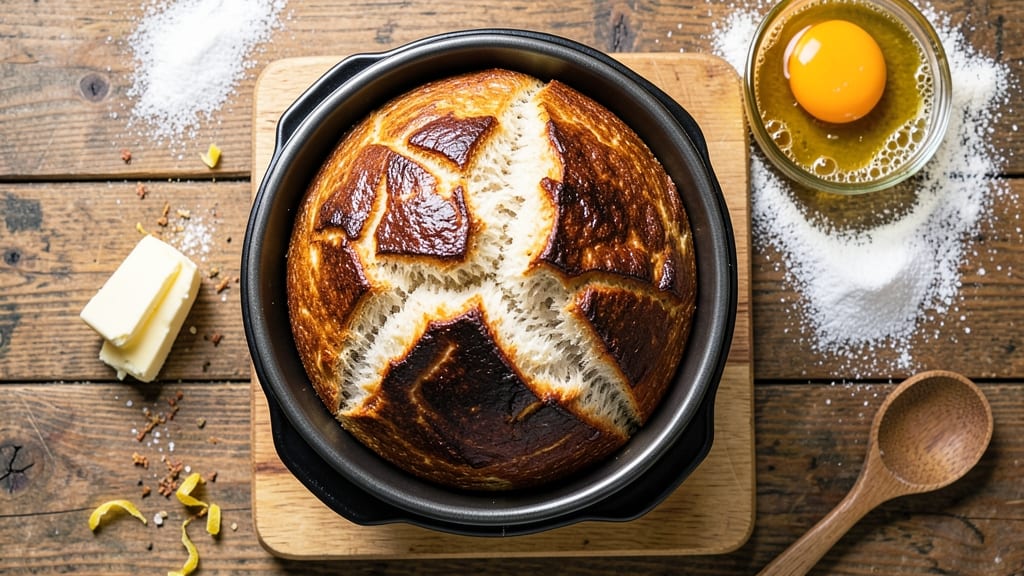
This Amish white bread maker recipe delivers the perfect balance of golden crust and soft, pillowy crumb with minimal effort. Inspired by traditional Amish baking techniques, this hands-off method transforms simple ingredients into a loaf so tender it practically melts in your mouth.
The beauty of using a bread maker lies in its ability to replicate old-world texture without the hours of kneading or baking.
The secret to achieving that classic Amish white bread texture lies in the bread maker's settings and a few key techniques. Using all-purpose flour and a touch of sugar creates the ideal structure, while the bread maker handles the kneading and baking for you.
For an extra-crisp crust, I recommend adding a small bowl of hot water to the bread maker pan during the final baking cycle—this creates steam that mimics a home oven's effect.
What you'll end up with is a perfectly proportioned loaf with a crackly crust and a soft, even crumb that's ideal for sandwiches, toast, or serving alongside soups. The bread maker does all the heavy lifting, but the result tastes like it came from a rural Amish kitchen.
This recipe is designed to work with most standard bread maker models, making it accessible for both beginners and experienced bakers.
Once baked, let the bread cool completely before slicing to maintain its texture. For best results, store wrapped in a clean kitchen towel to keep it fresh longer. The versatility of this bread makes it perfect for any meal—whether you're making grilled cheese sandwiches or serving warm slices with butter.
Let's get started on creating your homemade loaf.
Ingredients for amish white bread recipe for bread maker
Nine simple ingredients transform your bread maker into an Amish-style loaf with golden crust and tender crumb.
| Ingredient | Amount | Notes |
|---|---|---|
| All-Purpose Flour 🌾 | 3 ½ cups | White bread flour preferred |
| Granulated Sugar 🍚 | ¼ cup | White granulated sugar |
| Active Dry Yeast 🍞 | ¼ tsp | Or 1 packet instant yeast |
| Warm Water 💧 | 1 cup | 110°F (43°C) for activation |
| Unsalted Butter 🧈 | ½ cup | Softened to room temperature |
| Large Egg 🥚 | 1 whole | Room temperature preferred |
| Salt 🧂 | 1 tsp | Diamond Crystal preferred |
| Milk 🥛 | ¼ cup | Whole milk for richness |
| Vegetable Oil 🫒 | 1 tbsp | For greasing bread maker |
| Cornmeal 🌽 | 1 tbsp | For dusting bread maker pan |
The flour is non-negotiable here—white bread flour gives that classic Amish texture, though all-purpose works in a pinch. King Arthur or Bob's Red Mill are my go-tos for bread flour, but any brand labeled 'bread flour' will do. The yeast? Fresh is best—check the expiration date, and if it's been sitting in your pantry for months, grab a new packet. Warm water activates the yeast perfectly, but don't let it get too hot or you'll kill it. For the butter, room temperature is key—soft enough to mix but not melted. I always use Land O'Lakes unsalted butter because it's consistent and reliable.
No bread flour? All-purpose plus 1 tbsp vital wheat gluten mimics it pretty well. Short on milk? Water plus 1 tsp powdered milk works, but the bread won't be quite as tender. The cornmeal is optional but creates that crisp crust—skip it if you're in a hurry. For the egg, if you're avoiding it, 1 tbsp ground flaxseed plus 3 tbsp water (let it sit for 5 minutes) works as a binder. The sugar can be swapped for honey or maple syrup, but it'll add moisture. And if you're using a glass bread maker pan, grease it with oil—nonstick pans need less.
This dough keeps in the fridge for 24 hours if you want to prep ahead, but it's best to bake it fresh. The bread maker does all the work, but for that extra-crisp crust, add a small bowl of hot water to the pan during the final baking cycle. Store wrapped in a clean kitchen towel to keep it soft for 3-4 days. Freeze slices for up to 3 months—just toast from frozen. And if you're making a big batch, double the recipe—most bread makers can handle it.
Why You'll Love This Recipe
- No-Fuss Dough: The bread maker does all the heavy lifting—just toss in flour, yeast, sugar, and a pat of butter, then let it knead itself. I swear, I’ve made this while folding laundry.
- Buttery Soft Magic: That warm, pillowy crumb? It’s the butter melting into the dough during the rise. Honestly, it’s the kind of bread that makes you pause mid-slice just to admire how good it looks.
- Weeknight Hero: Freeze half the loaf and toast it straight from frozen—no thawing, no fuss. Perfect for lazy mornings or when you’ve got a house full and no time to bake.
- Penny-Perfect Staple: Five ingredients, minimal waste, and enough loaves to feed the family for days. Between us, this is how I stretch my grocery budget without sacrificing taste.
Step-by-step instructions for Amish white bread maker recipe
Here's how to transform simple ingredients into that iconic Amish white bread—soft, pillowy crumb and a golden crust every time.
Activate the Yeast for Perfect Rise
In a small bowl, combine the 1 cup warm water (about 110°F) with the 0.25 cup granulated sugar and 0.25 tsp active dry yeast. Let it sit for 5-10 minutes until you see plenty of bubbles forming on the surface—this tells you the yeast is alive and ready to work its magic. If it doesn't bubble, your yeast might be dead, and you'll need to start over.
This activation step is crucial because it kickstarts the fermentation process. The sugar feeds the yeast, creating those tiny bubbles that will later make your bread light and airy. Don't rush this part—wait until you see consistent, vigorous bubbling before moving forward.
Mix the Dough in Your Bread Maker
In your bread maker pan, combine the 3.5 cups all-purpose flour and 1 tsp salt. Add the yeast mixture, 0.5 cup softened unsalted butter, 1 whole large egg, and 0.25 cup milk to the flour mixture. Use the dough hook attachment if your bread maker has one, or simply mix with a wooden spoon until everything comes together into a shaggy dough.
Here's a pro tip: After mixing, use your hands to gently knead the dough in the pan for about 1 minute. This helps develop the gluten, which gives the bread its structure. The dough should be soft but not sticky—if it's too wet, add a little more flour, 1 tablespoon at a time.
Set Up the Bread Maker for Optimal Baking
Lightly grease the inside of your bread maker pan with 1 tablespoon vegetable oil, then dust the bottom with 1 tablespoon cornmeal. This creates a non-stick surface and adds that classic Amish bread texture. Transfer the dough to the pan and give it a gentle shape, making sure it fits snugly in the corners.
Select the "Basic White Bread" setting on your bread maker and let it do its work. The machine will automatically knead, rise, and bake the bread. The kneading cycle typically lasts about 10 minutes, followed by a rising period of 1-2 hours depending on your bread maker model and ambient temperature.
Bake to Golden Perfection
Once the bread maker completes its cycle, you'll hear a beep and see that beautiful golden crust. Let the bread cool in the pan for 5 minutes before removing it to a wire rack. This cooling period is essential—it allows the steam inside the bread to redistribute, preventing a gummy texture.
For the ultimate Amish white bread experience, I recommend brushing the warm bread with a little melted butter while it's still on the rack. This adds a subtle richness that complements the soft crumb and golden crust. The bread should have a crisp exterior with a tender, slightly sweet interior—just like the bread you'd find at an Amish bakery.
Pro Tips For Making Amish White Bread Recipe For Bread Maker
- MEASURE WATER TO 110°F: I learned this the hard way—yeast is picky. Too hot and it dies; too cold and it won’t activate. Use a thermometer to hit 110°F for the warm water, or just dip your pinky finger in—if it feels like bathwater, you’re golden. No guessing, no sad dough.
- SOFTEN BUTTER FIRST: Cold butter cubes? Skip it. Melt the unsalted butter slightly (just until it’s pliable but not liquid) before adding it to the bread maker’s wet ingredients. This ensures even distribution and prevents greasy pockets in the finished loaf—no one wants a dense, oily mess.
- DON’T OVERMIX THE DOUGH: The bread maker does the work, but if you pre-mix by hand, stop as soon as the flour is just incorporated. Overworking the dough kills gluten development and leads to a gummy texture. Two minutes max—then let the machine handle the kneading.
- ADD SUGAR LAST: Toss the granulated sugar in after the yeast and water mix, right when the machine starts kneading. This keeps the yeast from going into overdrive too early, which prevents a dense, flat loaf. Trust me, the timing matters more than you’d think.
Perfect pairings for this amish white bread recipe for bread maker
Classic Sandwich Pairings
This Amish white bread shines in grilled cheese sandwiches with sharp cheddar and crisp apple slices. I love adding a smear of Dijon mustard on the butter side for extra flavor.
For a hearty lunch, try it with turkey, Swiss cheese, and honey mustard—the soft crumb soaks up the flavors beautifully. 🥪
Breakfast lovers will adore it with scrambled eggs, crispy bacon, and maple syrup for dipping. The bread's mild sweetness balances the savory flavors perfectly. For a vegetarian option, spread with cream cheese and smoked salmon, then top with cucumber slices.
Soup and Stew Companions
Serve warm slices alongside creamy tomato basil soup or chicken noodle soup—the bread's soft texture makes it ideal for dipping. I often make a double batch when I'm preparing soup season, as the bread stays fresh for days wrapped in a towel. 🍲
For heartier meals, pair with beef bourguignon or lentil stew. The bread's neutral flavor lets the rich stew flavors take center stage. A sprinkle of fresh parsley on the warm bread adds a bright contrast to the deep, savory broths.
Butter and Jam Pairings
Nothing beats this bread with Land O'Lakes cultured butter straight from the fridge—its cool richness pairs perfectly with the warm, slightly sweet bread. For a sweet treat, try it with strawberry jam or raspberry preserves.
The bread's tender crumb makes it ideal for fancy tea sandwiches with cucumber and cream cheese filling. 🍓
For a breakfast twist, spread with peanut butter and honey, then drizzle with a little chocolate syrup for a decadent treat. The combination of textures and flavors creates a satisfying contrast that's perfect for any time of day.
Beverage Pairings
Sip on hot black coffee or chamomile tea with your toasted bread slices. The bread's subtle sweetness complements the bitterness of coffee beautifully. For a festive touch, pair with apple cider or mulled wine during the holidays. 🍂
Cold beverages like iced tea with lemon or sparkling lemonade refresh the palate when serving the bread as an appetizer. The effervescence of the drinks cuts through the bread's richness, creating a balanced flavor experience.
Nutrition facts
Frequently asked questions
Can I use all-purpose flour instead of white bread flour?
Yes, you can substitute all-purpose flour for white bread flour, though the texture will be slightly less tender. For best results, add 1 tablespoon vital wheat gluten per 3 cups all-purpose flour to mimic the protein structure. The bread will still turn out delicious—just expect a marginally denser crumb.
Why did my bread turn out dense instead of soft?
Dense bread usually results from over-kneading, expired yeast, or cold ingredients. Check your yeast first—it should bubble vigorously in 5-10 minutes when mixed with warm water. Also, ensure your butter and milk are at room temperature, and don't skip the 5-minute cooling after baking. If using a bread maker, select the "Basic White Bread" setting for optimal texture.
How do I make this bread without a bread maker?
Mix all ingredients in a large bowl, then knead by hand for 8-10 minutes until smooth. Let the dough rise in a greased bowl for 1-2 hours (until doubled), then shape into a loaf. Bake at 375°F for 25-30 minutes with a bowl of water in the oven for steam. Brush with melted butter after baking for that classic finish.
Can I add seeds or herbs to this recipe?
Try 1 tablespoon poppy seeds or 1 teaspoon dried rosemary for extra flavor. For a savory twist, add 1/4 cup grated Parmesan to the dough. Just reduce the flour by 1 tablespoon to maintain the right consistency. The bread maker will distribute them evenly during kneading.
How long can I store this bread, and how do I revive stale slices?
Wrap the loaf in a clean kitchen towel to keep it fresh for 3-4 days at room temperature. For longer storage, freeze slices for up to 3 months. To revive stale slices, wrap them in a damp paper towel and microwave for 10-15 seconds. For a crispy texture, toast in a 375°F oven for 3-5 minutes.