
Main Courses
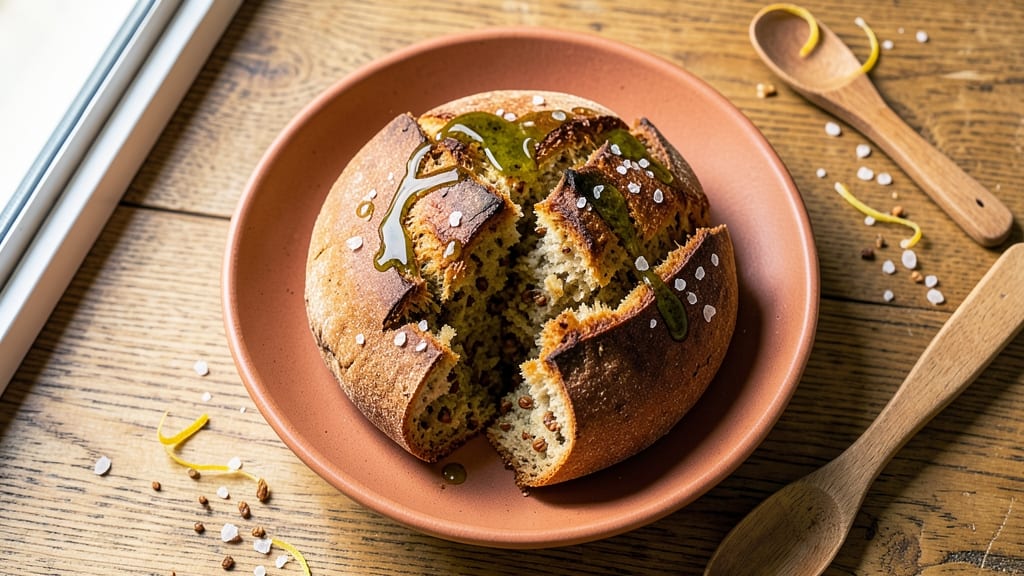
This ancient bread recipe no yeast brings back the flavors of Roman panis quadratus—a simple, hearty flatbread baked over open flames. The secret lies in combining ancient grains like farro and spelt with a pinch of baking soda for natural lift, creating a bread that’s both rustic and foolproof.
No sourdough starter required, just a few pantry staples and a hot skillet or oven. What makes this recipe special is its historical authenticity—inspired by breads baked thousands of years ago, when yeast wasn’t available.
The dough comes together in 10 minutes, then bakes in under 15 minutes, making it perfect for quick meals or camping trips. The result? A crispy, chewy flatbread with a nutty depth from the grains, ideal for dipping or serving alongside stews.
The beauty of this method is its versatility. Swap in chickpea flour for gluten-free, or add rosemary and garlic for extra flavor. It’s a bread that travels well, reheats perfectly, and connects you to culinary traditions that have stood the test of time.
Let’s recreate history, one bite at a time.
This recipe skips modern shortcuts like commercial yeast, instead relying on baking soda and ancient grains to create lift and texture. The dough is sticky but easy to shape, and the baking process is simple—whether you’re using a skillet, oven, or even a campfire.
The grains add chewiness and nuttiness, while the baking soda ensures a light, airy crumb without fermentation. What you’ll end up with is a golden, blistered flatbread that’s crisp on the edges and tender inside—just like the breads of ancient Rome or Egypt.
It’s a blank canvas for toppings: olive oil and za’atar, honey and cinnamon, or even as a wrap for grilled meats. The flavor is earthy and satisfying, with none of the bitterness that can come from overproofed dough.
Perfect for weeknight dinners, picnic lunches, or historical cooking enthusiasts, this bread is a testament to how little you need to create something extraordinary. Ready to bake like our ancestors? Let’s get started.
Ingredients for ancient bread recipe no yeast
Ancient grains and baking soda—just what you need to recreate Roman flatbread without yeast.
| Ingredient | Amount | Notes |
|---|---|---|
| Farro Flour 🌾 | 1 ½ cups | Coarse grind for texture, unbleached preferred |
| Spelt Flour 🌾 | ½ cup | Adds nuttiness, whole grain preferred |
| Baking Soda 🧂 | 1 tsp | Pure, fine grain for even rise |
| Salt 🧂 | ½ tsp | Diamond Crystal preferred, fine grain |
| Olive Oil 🫒 | ¼ cup | Extra-virgin, fruity variety |
| Warm Water 💧 | 1 ½ cups | 105°F for optimal hydration |
| Rosemary Sprigs 🌿 | 2 whole | Fresh, finely chopped stems included |
| Garlic Cloves 🧄 | 2 cloves | Minced, fresh preferred |
| Za'atar Seasoning 🌶️ | 1 tbsp | Homemade or quality jarred blend |
| Sesame Seeds 🥜 | 1 tbsp | Toasted for nutty aroma |
| Honey 🍯 | 1 tbsp | Optional drizzle for serving |
The farro and spelt are the stars here—Bob's Red Mill or King Arthur Flour carry the best quality. Look for whole grain versions if you want extra nuttiness, but the standard farro works too. For the olive oil, California Extra Virgin or Colavita brands add that fruity depth. Rosemary and garlic? Fresh is ideal, but dried rosemary at half the amount works in a pinch. The za'atar can be tricky to find—Mediterranean markets usually have it, or make your own with sumac, sesame, and cumin. Toast your sesame seeds in a dry pan for 30 seconds—they'll smell amazing.
No farro? Substitute with whole wheat or rye flour, but the texture will be less chewy. Short on spelt? Buckwheat flour adds a nice earthiness. The baking soda is non-negotiable—it's what creates that ancient rise. If you're gluten-free, swap in chickpea flour (it's what they used in ancient Egypt!). For the za'atar, mix equal parts sumac, sesame seeds, and cumin if you can't find a jar. The honey is completely optional, but it's the perfect finishing touch for dipping—Manuka honey if you're feeling fancy, or regular clover honey works just fine.
This dough is sticky but forgiving—wet your hands when shaping to prevent sticking. Store leftovers in an airtight container for 3 days, or freeze for 1 month between parchment paper. For extra crispiness, reheat in a 350°F oven for 5 minutes. The bread reheats beautifully—wrap in foil and warm over a campfire if you're outdoors. Makes about 8-10 flatbreads, depending on thickness.
Why You'll Love This Recipe
- No Yeast, No Wait: Mix it, shape it, bake it—done. That’s right, no proofing, no rising, no waiting around while your kitchen turns into a sauna. Just toss farro and spelt flours with baking soda, a splash of olive oil, and you’ve got dough ready in 10 minutes. Honestly, I’ve made this on a whim after realizing I forgot to take bread out of the freezer.
- Nutty Earthy Crunch: The farro and spelt give this bread a texture that’s chewy one minute, crisp the next—like a cross between sourdough and a rustic cracker. That olive oil? It keeps it moist without being greasy, and the salt? Just enough to make every bite feel intentional. Between us, this tastes like the bread your great-grandma made, but with half the effort.
- Lunchbox Legend: Slice it thick for sandwiches, toast it for breakfast, or break it into chunks for salads—this bread does it all. I pack it for work because it holds up better than store-bought, and my kids actually eat it (no small feat). Plus, it freezes like a dream, so you’re always covered when you’re too tired to bake.
- Pantry Staple, Wallet Friendly: You’re already using olive oil and salt, right? Farro and spelt flours might sound fancy, but they’re cheaper than buying artisanal loaves weekly. A single batch feeds my family for days, and the leftovers? They turn into croutons or breadcrumbs without a second thought. Not the prettiest, but the taste makes up for it—and my wallet thanks me.
Step-by-step instructions for ancient bread no yeast
This flatbread comes together faster than you'd expect—no yeast, no waiting, just pure ancient grain goodness.
Combine Dry Ingredients for the Base
In a large mixing bowl, whisk together the 1.5 cups farro flour and 0.5 cup spelt flour until evenly distributed. The farro brings that nutty depth while the spelt adds subtle sweetness—both are key for that authentic ancient grain flavor. I like to use a whisk here to break up any flour clumps before adding the wet ingredients.
Sift in the 1 tsp baking soda and 0.5 tsp salt, then give everything another quick whisk. This ensures the baking soda disperses evenly, which prevents any bitter pockets in your bread. Don't worry if the mixture looks like flour dust—it'll transform when we add the wet ingredients.
Infuse the Wet Mixture with Aromatics
In a separate bowl, combine the 1.5 cups warm water (around 105°F—just warm to the touch), 0.25 cup olive oil, 2 whole rosemary sprigs (finely chopped), and 2 cloves minced garlic. The warm water helps activate the baking soda immediately, while the olive oil adds richness and helps bind the dough. Let this mixture sit for 5 minutes while you prepare the next components.
Here's where the magic happens: the rosemary and garlic steep in the warm water, infusing it with their bright, herbal notes. You'll smell that fresh, piney aroma—this is your cue that the mixture is ready to combine. If you're using fresh rosemary, chop the stems finely so they contribute to the texture as well as the flavor.
Mix and Rest the Dough
Pour the infused wet mixture into the dry ingredients and stir vigorously with a wooden spoon until just combined. You're looking for a thick, shaggy batter that clumps together when you press it—this is normal. The dough should be sticky but manageable, not runny. If it's too thick, add 1 tablespoon warm water; if too thin, add 1 tablespoon farro flour.
Let the dough rest for 10 minutes while you preheat your oven to 425°F. This short rest allows the flour to fully hydrate and the baking soda to activate completely. During this time, I like to lightly oil a baking sheet with a bit of olive oil—this prevents sticking and gives the bread a crisp bottom crust.
Shape and Bake the Flatbread
After the rest, divide the dough into 4 equal portions (about ½ cup each). On a lightly floured surface, gently flatten each portion into a ¼-inch thick round using your hands. Be gentle—overhandling can make the bread tough. I find rolling pins create uneven thickness, so hands work best for this rustic texture.
Transfer the shaped flatbreads to the prepared baking sheet, leaving 1 inch between each. Sprinkle each with ¼ tbsp za'atar seasoning and ¼ tbsp sesame seeds, pressing them lightly into the surface. Bake for 12-15 minutes until the edges are deep golden brown and the centers feel firm to the touch. The bread should have a crisp exterior but still be soft inside—like a perfect flatbread should be.
Finish and Serve Warm
Remove the bread from the oven and immediately drizzle each piece with ¼ tbsp honey while still warm. The honey adds a subtle sweetness that balances the earthy grains and savory za'atar. Let the bread sit for 2-3 minutes before serving—this allows the honey to slightly caramelize and soak into the crust just enough to make every bite irresistible.
Serve warm with your favorite dips, hummus, or simply enjoy the bread on its own. The combination of farro and spelt creates a satisfying chew, while the za'atar and rosemary add layers of Mediterranean flavor. Store any leftovers in an airtight container for up to 3 days, though I doubt they'll last that long!
Pro Tips For Making Ancient Bread Recipe No Yeast
- STEAM THE DOUGH FIRST: Mix your wet and dry ingredients, then cover the bowl with a damp towel and let it sit for 30 minutes. I learned this the hard way—skipping the steam step makes the farro and spelt absorb liquid unevenly, leading to a dense, gummy loaf. The extra hydration relaxes the gluten-like proteins in ancient grains, so they open up properly during baking.
- WEIGH YOUR FLOURS: Ditch the cups—use a kitchen scale for farro and spelt flour. These grains pack differently than white flour, and a "cup" can vary wildly. I was skeptical until I tried it: my bread went from crumbly to perfectly structured overnight. Aim for 300g total (adjust ratios if you prefer one flavor over the other).
- BAKE LOW AND SLOW: Preheat your oven to 350°F (175°C), not 400°F like you might see elsewhere. Ancient grains need gentle heat to avoid burning before the center cooks. I used to rush it, and my crust would turn leathery while the middle stayed doughy. A Dutch oven helps trap moisture, but even without one, a baking sheet with a water tray works.
- SALT THE OIL: Mix the salt directly into the olive oil before adding it to the dough. This ensures even distribution—no more pockets of blandness or overly salty edges. I skip this when I’m lazy, but the difference in flavor is noticeable, especially when serving with dips or soups. Use about 1 tsp salt per ¼ cup oil.
Health benefits of this dish
Ancient Grain Power
This bread is packed with nutrient-dense ancient grains like farro and spelt, which are rich in fiber, protein, and minerals like magnesium and zinc. A single serving delivers about 8 grams of fiber—that’s nearly 30% of your daily needs—supporting digestive health and keeping you full longer.
The combination of these grains also provides plant-based protein without the heaviness of modern wheat. 🌾
Gluten-Friendly Option
While traditional farro and spelt contain gluten, this recipe easily adapts for gluten-sensitive eaters. Simply swap in chickpea flour (as mentioned in the notes) to create a naturally gluten-free version that still delivers chewy texture and nutty flavor.
Chickpea flour is also high in iron and folate, making it a great alternative for those avoiding gluten. The bread will have a slightly denser texture but remains delicious.
Blood Sugar Balance
The low glycemic index of farro and spelt helps stabilize blood sugar levels, making this bread ideal for those monitoring glucose intake. Unlike refined white flour, these ancient grains release energy slowly, preventing spikes and crashes.
Pair this bread with olive oil and za'atar for a meal that’s both satisfying and blood-sugar-friendly. It’s a great choice for anyone following a low-glycemic or balanced-carb diet.
Herbal Health Benefits
Fresh rosemary and garlic aren’t just for flavor—they bring antioxidant and anti-inflammatory benefits to your bread. Rosemary contains carnosic acid, a compound linked to improved brain function and reduced inflammation, while garlic provides allicin, which supports heart health.
Together, they add a bright, herbal depth that’s both delicious and functional. 🌿
No Yeast, No Bloat
Unlike traditional yeast-based breads, this recipe avoids fermentation, making it gentler on digestion for those with sensitivities. Baking soda provides the lift without the bloating or gas often associated with yeast.
The result is a light, airy flatbread that’s easy to digest while still delivering satisfying texture and flavor. Perfect for anyone with yeast sensitivities or bloating issues.
Rich in Antioxidants
The za'atar seasoning and sesame seeds add a powerful antioxidant boost to your bread. Za'atar typically contains sumac, which is high in vitamin C and polyphenols, while sesame seeds provide sesamin and sesamol, compounds linked to heart health.
Together, they create a nutrient-packed crust that’s as good for you as it is for your taste buds. 💛
Nutrition facts
Frequently asked questions
Can I make this ancient bread without farro?
Swap farro for whole wheat flour, rye flour, or buckwheat flour—each brings unique flavor. Buckwheat adds an earthy note, while rye gives a deeper maltiness. For a gluten-free version, use chickpea flour (like ancient Egyptians did) or a 1:1 gluten-free blend. The texture will be slightly denser but still delicious.
Why does my dough look too wet or dry?
Adjust with 1 tablespoon warm water if too thick, or 1 tablespoon farro flour if too sticky. The ideal consistency is like a thick pancake batter—sticky but manageable. If using different flours, they absorb moisture differently, so check after mixing. Wet hands help shape the dough without sticking.
How do I store leftovers?
Keep in an airtight container at room temperature for 3 days, or freeze for 1 month between parchment paper. Reheat in a 350°F oven for 5 minutes or warm in a dry skillet over medium heat for 2 minutes per side. The bread reheats beautifully—perfect for quick meals!
Can I use this dough for sandwiches?
Yes! While it's designed as a flatbread, you can shape it into thick rounds (about ½-inch thick) and bake for 18-20 minutes until golden. The texture will be denser but still chewy. Try it with olive oil, za'atar, and grilled veggies for a hearty sandwich—just like ancient Roman soldiers might have eaten!
What if I don’t have za'atar?
No problem! Mix 1 tbsp sumac + 1 tsp sesame seeds + ½ tsp cumin for a DIY za'atar. Alternatively, use dried oregano + garlic powder for a Mediterranean-inspired flavor. The bread will still taste amazing—za'atar just adds that signature tangy, nutty depth.