
Side Dishes
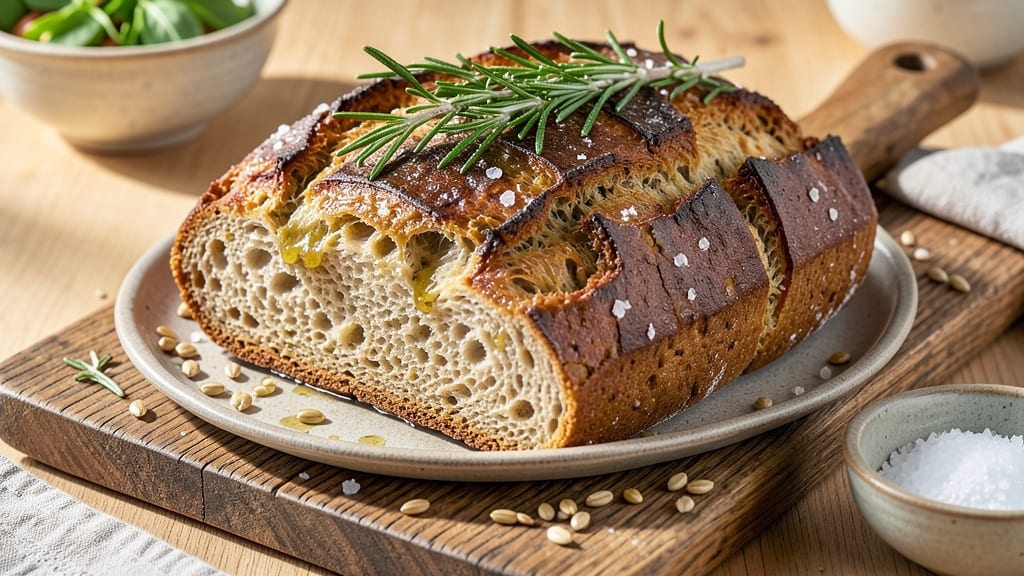
This Anglo-Saxon bread recipe brings medieval baking to your kitchen with its rustic charm and simple ingredients. 💛 Unlike modern loaves, this version relies on ancient grains like barley or rye, shaped into a dense, hearty loaf with a crisp crust—just as bakers would have crafted it over a thousand years ago.
The beauty of this recipe lies in its authenticity: no yeast or sourdough starter required. Instead, we use a traditional method of mixing flour, water, and salt into a stiff dough, then baking it in a hot oven to achieve that signature medieval texture.
The result is a loaf with a satisfying chew and a slightly charred crust that adds depth to any meal.
Perfect for history lovers or those seeking a rustic, no-fuss bread, this recipe delivers a loaf that’s both practical and impressive. The simplicity of the ingredients—just flour, water, salt, and optional herbs—makes it accessible, while the technique connects you to baking traditions that have stood the test of time.
Whether you're serving it alongside a hearty stew or enjoying it plain, this bread offers a taste of the past with every bite. Let’s bring history to your table with this timeless recipe.
Ingredients for anglo saxon bread
Ancient grains and simple techniques bring medieval baking to life with this rustic loaf.
| Ingredient | Amount | Notes |
|---|---|---|
| Barley Flour 🌾 | 2 cups | Coarse grind for texture |
| Rye Flour 🌾 | 1 cup | Dark rye for depth |
| All-Purpose Flour 🌾 | 1 cup | Balances texture |
| Warm Water 💧 | 1 ½ cups | Room temperature preferred |
| Kosher Salt 🧂 | 1 ½ tsp | Diamond Crystal preferred |
| Fresh Rosemary 🌿 | ¼ cup | Chopped, optional herb |
| Fresh Thyme 🌿 | ¼ cup | Chopped, optional herb |
| Olive Oil 🫒 | 2 tbsp | For crust brushing |
| Sesame Seeds 🌰 | 1 tbsp | Optional for topping |
The flours are key here—barley and rye give that historic density, while all-purpose keeps it manageable. Bob's Red Mill has great pre-mixed ancient grain flours, but you can blend your own. For rye, dark rye flour adds depth—light rye won't cut it. If you can't find barley flour, whole wheat plus extra water works in a pinch. The herbs? Fresh is best, but dried at half the amount gets you close. Rosemary and thyme were common in Saxon kitchens, but parsley or sage would work too.
No rosemary? Fresh sage or marjoram carries that earthy medieval vibe. Short on thyme? Dried oregano at one-third the amount mimics the herbal notes. The olive oil matters for that crisp crust—use extra-virgin if you've got it. For the water, warm (not hot) helps the dough come together better. If your dough feels too sticky, add a splash more flour. Too dry? A teaspoon of water at a time. The sesame seeds are optional but add that authentic touch—toasted quickly in a dry pan before sprinkling.
This dough keeps 2 days wrapped in plastic in the fridge, but it's best baked fresh. The loaf reheats beautifully—5 minutes at 350°F wrapped in foil revives that crust. For storage, slice and freeze portions between parchment. 3 months frozen, it stays hearty. The crust? Crisp when warm, sturdy when cold—perfect for dipping in soups or stews, just like in Saxon times.
Why You'll Love This Recipe
- No-Knead Magic: I swear by this dough—just mix, let it rest, and bake. The barley and rye do all the heavy lifting while you sip tea or scroll through your phone. Honestly, I’ve made it twice while pretending to supervise homework.
- Earthy Depth: That first bite? Nutty, chewy, with a subtle bite from the rye and barley—like a medieval feast in your mouth. The warm water keeps it tender without needing butter or oil, and the salt? Just enough to make it sing.
- Weeknight Workhorse: Toss it in a Dutch oven for dinner, then reheat slices the next day with jam or cheese. It’s my go-to for lazy breakfasts, picnic lunches, or even a fancy charcuterie board. No one will guess it’s basically just flour, water, and time.
- Pantry Goldmine: You’re already using stuff you’ve got—no fancy ingredients, no last-minute grocery runs. A single batch stretches for days, and the leftovers? Toast them until crispy for a snack that costs pennies. My budget and my taste buds thank me.
Step-by-step instructions for ancient grain loaf with rustic crust
Here's how to recreate an Anglo-Saxon-inspired loaf with hearty texture and aromatic herbs.
👨🍳 Step 1: Combine Dry Ingredients and Hydrate the Dough
In a large mixing bowl, whisk together the 2 cups barley flour, 1 cup rye flour, and 1 cup all-purpose flour. This combination creates the perfect balance of rustic texture and structure. Add the 1.5 tsp kosher salt and mix thoroughly to distribute evenly.
Create a well in the center and pour in the 1.5 cups warm water. I like to use water that's around 80°F—warm enough to activate the gluten but not hot enough to cook the flour. Begin mixing with a wooden spoon or your hands, gradually incorporating the water into the dry ingredients until a shaggy dough forms.
👨🍳 Step 2: Develop the Dough and Incorporate Herbs
Transfer the dough to a clean, lightly floured surface and knead for 8-10 minutes until smooth and elastic. You'll know it's ready when it springs back slowly when poked. The barley and rye flours require more kneading than all-purpose, so don't rush this step—it's crucial for developing gluten structure.
While kneading, add the 0.25 cup chopped fresh rosemary and 0.25 cup chopped fresh thyme to the dough. The herbs will infuse the bread with their earthy aromatics. Once incorporated, shape the dough into a smooth ball, place it back in the mixing bowl, and lightly oil the surface with 1 tablespoon of the olive oil to prevent drying.
⏰ Step 3: Bulk Ferment for Optimal Flavor Development
Cover the bowl with a damp kitchen towel and let the dough rise at room temperature for 2-3 hours until it has nearly doubled in size. The warm environment encourages yeast activity and helps develop those complex flavors we associate with ancient grain breads. I like to place my bowl in a slightly warm spot, like near the oven with the light on, to speed up this process.
During this time, the dough should become light and airy. You'll notice bubbles forming on the surface and the dough will feel spongy to the touch. If the dough rises too quickly and looks overproofed (large bubbles, collapsed top), it's okay—just proceed with shaping. The fermentation time can vary based on your kitchen temperature, so keep an eye on it.
🥘 Step 4: Shape and Proof the Loaf
After the bulk fermentation, punch down the dough to release air and shape it into a round loaf. For an authentic Anglo-Saxon style, I recommend creating a slightly flattened top with a well in the center—this mimics the shape of breads baked in clay ovens. Place the shaped loaf in a lightly oiled bowl, cover again, and let it proof for another 1-2 hours until puffy.
This second rise allows the dough to develop even more flavor and texture. The loaf should spring back slowly when gently pressed. Once properly proofed, preheat your oven to 375°F and place a baking stone or inverted baking sheet on the middle rack to create steam for a crispy crust.
🔥 Step 5: Bake to Golden Perfection and Finish
Carefully transfer the loaf to the preheated baking stone or sheet. Brush the top generously with the remaining 1 tablespoon olive oil and sprinkle with 1 tablespoon sesame seeds for added texture and visual appeal. Bake for 35-40 minutes until the crust is deep golden brown and the internal temperature reaches 205-210°F.
For that authentic rustic look, I like to bake the bread uncovered. The steam from the oven will create a beautiful, irregular crust. When done, remove from the oven and let the bread cool on a wire rack for at least 30 minutes before slicing. This resting period allows the crumb to set and makes for easier slicing. The resulting loaf should have a crisp, crackly crust with a tender, open crumb and fragrant herbal notes throughout.
Pro Tips For Making Anglo Saxon Bread
- MIX THE DOUGH BY HAND: I learned this the hard way—skipping a mixer for this dense, grain-heavy dough saves you from overworking it. Barley and rye are stubborn; kneading too much turns the bread gummy. Use your knuckles to press and fold for 8-10 minutes until just combined. The dough should feel tacky, not silky.
- SIFT THE FLOURS FIRST: Barley and rye flours are heavy and clumpy. Sift them together with the all-purpose flour before adding salt—this guarantees even distribution and prevents gritty pockets. I skip this sometimes, but the texture suffers when I do.
- STEAM THE OVEN: This bread’s crust is its soul, but rye and barley dry it out fast. Place a baking sheet under the rack 10 minutes before baking, then pour 1 cup of boiling water into it. The steam keeps the crumb tender while the crust gets that deep, crackly char.
- WEIGH THE WATER: Warm water is key, but eyeballing it leads to disaster. Use a scale—aim for 65% hydration (by weight of flour) for this recipe. Too much water makes the dough sticky and gummy; too little makes it dense. I’ve ruined batches both ways.
Serving suggestions for this recipe
Medieval Meal Pairings
This hearty Anglo-Saxon bread pairs beautifully with dishes from the era. Serve it alongside a slow-cooked beef and barley stew—the dense bread soaks up the rich broth perfectly. I like to add wild mushrooms and onions to the stew for extra depth.
For a lighter option, try it with herb-roasted chicken thighs and a side of honey-glazed carrots. The bread's rustic texture contrasts wonderfully with tender meats. 🌿
Crusty Dipping Bread
Anglo-Saxon bread was often used to scoop up soups and stews, just like today! Warm slices make an excellent dipping bread for lentil soup or vegetable broth. For extra flavor, brush the crust with garlic-infused olive oil before serving.
The crispy edges add texture while the soft interior soaks up the broth beautifully. This was a common practice in medieval kitchens—simple yet effective. 🍲
Herbal Tea Pairings
Complement your bread with herbal teas that were popular in Anglo-Saxon times. A rosemary-infused tea mirrors the bread's herbs, while thyme tea enhances its earthy notes. For something warmer, try ginger tea—the spice was used in medieval remedies and pairs well with the bread's robust flavors.
Serve with honey for a touch of sweetness, just as they did in the past. ✨
Modern Twist: Breakfast Style
Why stop at dinner? Toast thick slices of this bread and top with scrambled eggs, crumbled feta, and a sprinkle of flaky sea salt. The dense texture holds up well to toppings, making it a great medieval-inspired breakfast bread.
For a sweet option, spread with whipped honey and crushed nuts—a nod to Saxon sweet treats. It’s a fun way to enjoy this bread anytime of day. 🍳
Cheese Board Companion
Create a historically inspired cheese board with this bread as the base. Pair it with aged cheddar, goat cheese, and blue cheese—all cheeses that were available in medieval England. Add dried fruits, nuts, and cured meats for a well-rounded spread.
The bread’s herbal notes balance the richness of the cheeses beautifully. This setup would fit right into a Saxon feast. 🧀
Storage-Friendly Serving
If you’ve made extra bread, store it in an airtight container for up to 5 days at room temperature. Reheat slices in a 350°F oven for 5-7 minutes to restore that crispy crust.
Serve with butter or olive oil for a simple, satisfying snack. The bread’s sturdy texture makes it perfect for packing lunches or picnic spreads—just like medieval travelers would have done. 🧺
Nutrition facts
Frequently asked questions
Why does this recipe use barley and rye flour instead of just wheat?
Barley and rye were staple grains in Anglo-Saxon England because they grew well in the climate and required less fertile soil than wheat. The barley adds a nutty depth, while rye contributes a slightly tangy flavor that mimics medieval baking traditions. Using all-purpose flour balances the texture for a more manageable dough.
Can I make this bread without yeast?
This recipe relies on natural fermentation from the flour and warm water, just like ancient bakers did. The dough develops flavor and structure through the bulk fermentation process (2-3 hours). The result is denser but more flavorful than yeasted breads, with that authentic medieval texture.
What if my dough doesn't rise much during fermentation?
Cold kitchens or using too much flour can slow fermentation. Try placing your dough in a warmer spot (like near the oven light) or cover it with a damp towel to trap heat. If it still doesn't rise, don't worry—the bread will still bake well. The key is to shape it properly and bake at 375°F for a crisp crust.
How do I achieve that authentic Anglo-Saxon crust?
For a rustic crust, bake the bread uncovered on a preheated stone or sheet. Brush the top with olive oil before baking and sprinkle sesame seeds for texture. The high heat creates steam, which helps form that beautiful crackly crust. For extra authenticity, bake in a clay pot if possible—it mimics medieval clay ovens!
Can I substitute any of the herbs?
Yes! Rosemary and thyme were common in Saxon times, but you can use sage, marjoram, or parsley instead. For a stronger flavor, increase to 0.5 cup chopped fresh herbs. If using dried herbs, reduce to half the amount. The key is to keep the earthy, aromatic profile that complements the dense grain bread.