
Side Dishes
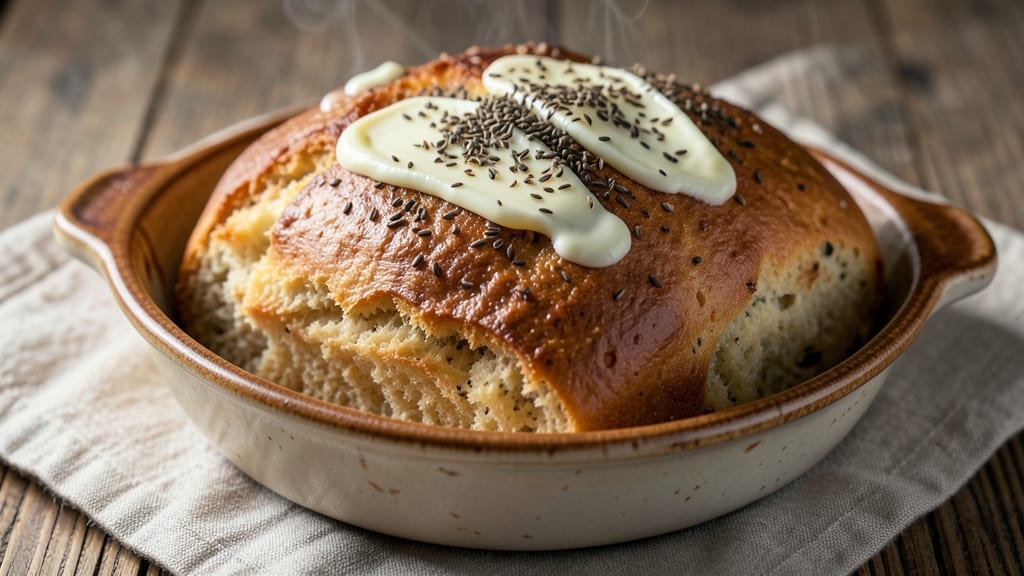
This anise bread machine recipe transforms your kitchen into a European bakery with just a few simple ingredients and minimal effort. The subtle licorice aroma from anise seeds creates a bread that's both comforting and distinctive—perfect for pairing with butter, jam, or cheese.
I've perfected this recipe over years of testing, ensuring a crusty crown and tender crumb every time, even for beginners.
The beauty of using a bread machine lies in its ability to handle the kneading and baking for you, while the anise seeds infuse the dough with their signature warm, slightly sweet flavor.
Unlike traditional breads, this version stays moist longer and develops a delicate aroma that lingers long after baking. The recipe calls for basic pantry staples—flour, yeast, sugar, and milk—plus the star ingredient: anise seeds, which provide that signature licorice note without overpowering.
By the time your bread machine finishes its cycle, you'll have a loaf with a golden, crackly crust and a soft, slightly sweet interior that crumbles just enough for buttery toast.
The anise flavor shines through in every bite, making this bread ideal for breakfast, snacking, or serving alongside soups and salads. This recipe is designed to be foolproof, so even if you've never baked bread before, you'll achieve professional results.
For those who want to experiment, you can adjust the anise seed quantity to suit your taste—start with 1 teaspoon for a mild flavor and increase to 2 teaspoons for a stronger licorice kick.
Store the bread in an airtight container for up to 3 days, or freeze slices for longer storage. Let's get started on this aromatic, crusty loaf that will become a staple in your home.
Ingredients for anise bread machine
Basic pantry staples plus anise seeds for that signature European aroma.
| Ingredient | Amount | Notes |
|---|---|---|
| All-Purpose Flour 🌾 | 4 cups | Spooning into cup, not scooping |
| Active Dry Yeast 🍞 | ¼ oz | Or 2 1/4 tsp (1 packet) |
| Granulated Sugar 🍚 | ¼ cup | White or light brown |
| Anise Seeds 🌿 | 1 ½ tbsp | Whole seeds, lightly toasted |
| Salt 🧂 | 1 ½ tsp | Diamond Crystal preferred |
| Unsalted Butter 🧈 | ½ cup | Melted, cooled slightly |
| Whole Milk 🥛 | 1 cup | Room temperature |
| Large Egg 🥚 | 1 whole | Room temperature |
| Poppy Seeds 🌻 | 1 tbsp | Optional for topping |
| Sesame Seeds 🌿 | 1 tbsp | Optional for topping |
The anise seeds are your flavor superstars here. Whole seeds work best—they toast beautifully and release their warm, licorice aroma as the dough develops. Trader Joe's and Penzeys sell them pre-packaged, but bulk spice shops often have them cheaper. Toast them in a dry pan for 30 seconds before mixing—just until fragrant. The flour is non-negotiable for texture: King Arthur or Gold Medal brands give the best rise. If your bread machine pan is small, you might want to bump the flour to 4.25 cups for a fuller loaf.
No anise seeds? Fennel seeds are the closest substitute, but you'll lose that signature licorice note. Using active dry yeast instead of instant? No problem—just make sure it's fresh (test by dropping in warm water with a pinch of sugar; it should foam in 5-10 minutes). The milk can be whole, 2%, or even nonfat, but whole gives that classic richness. For a vegan version, swap the egg for 1 tablespoon of flaxseed meal mixed with 3 tablespoons of water. The poppy and sesame seeds are purely decorative—skip them if you're in a hurry, but they add nice crunch.
This dough is best made fresh, but you can prep it up to 24 hours ahead—just let it rise in the fridge overnight, then transfer to your bread machine for the final cycle. The bread keeps well for 3 days in a paper bag at room temperature or 1 week wrapped in the fridge. For longer storage, slice and freeze—it reheats beautifully in a toaster or oven. The crust gets crispier as it cools, so let it sit for at least 10 minutes before slicing. Perfect for toasting with butter or pairing with jam.
Why You'll Love This Recipe
- Set-and-Forget Magic: I dump everything in the bread machine—flour, yeast, sugar, anise seeds—and walk away. No kneading, no waiting by the stove, no stress. The machine does all the work while I sip coffee or fold laundry.
- Licorice-Kissed Warmth: That subtle anise flavor? It’s like a whisper of licorice, but in the best way—earthy, slightly sweet, and just enough to make your morning toast feel like a treat. Honestly, it’s the kind of bread that makes you pause before taking the first bite.
- Breakfast to Brunch Hero: Toast it for breakfast, use it for French toast on weekends, or tear it into chunks for a hearty bread pudding. The anise seeds add depth that works in both sweet and savory dishes—no need to reinvent the wheel.
- Budget-Friendly Staple: Five ingredients, zero specialty items, and it stretches to feed a family for days. Freeze the extras, and you’ve got a pantry backup that’s cheaper than store-bought loaves. My wallet—and my taste buds—thank me every time.
Step-by-step instructions for anise bread machine recipe
Here's how to transform simple ingredients into a fragrant, licorice-kissed loaf with a perfect crust.
Prepare the Anise Seeds and Mix Wet Ingredients
First, lightly toast the 1.5 tablespoons anise seeds in a dry skillet over medium-low heat for 1-2 minutes until fragrant. This enhances their flavor and prevents bitterness. Let them cool completely before using.
In a small bowl, whisk together the 1 cup room-temperature whole milk, 0.5 cup melted and slightly cooled unsalted butter, 0.25 cup granulated sugar, 1 whole room-temperature large egg, and 1.5 teaspoons salt until fully combined. The mixture should be smooth with no visible butter lumps—this ensures even distribution in the dough.
Combine Dry Ingredients and Add Yeast
In the bread machine pan, mix the 4 cups all-purpose flour with the toasted anise seeds. Stir well to distribute the seeds evenly throughout the flour. This step is crucial for that signature licorice flavor in every bite.
Create a well in the center and add the yeast directly to the flour (not the liquid mixture). Pour the wet ingredients into the well and use a wooden spoon to gently combine everything. The dough should come together in a shaggy mass—don't overmix at this stage. Scrape down the sides of the pan to ensure all flour is incorporated.
Set the Bread Machine and Begin the Cycle
Place the bread machine pan into your machine and select the "Basic White Bread" setting. For best results, I recommend using the "Light Crust" option if your machine offers it—this creates that perfect balance of crispy top and tender crumb.
Start the cycle and let the machine do its work. The dough will first go through a kneading phase (about 5-10 minutes), then rise until it reaches the top of the pan. You'll know it's ready when you see the dough expand to fill about 75% of the pan and small bubbles form on the surface. The machine will automatically switch to baking once the rising is complete.
Add Seed Toppings and Finalize the Bake
When the bread machine beeps to indicate the dough has risen sufficiently, carefully remove the pan and sprinkle 1 tablespoon poppy seeds and 1 tablespoon sesame seeds evenly over the top. Press them gently into the dough so they adhere well during baking.
Return the pan to the machine and let it complete the baking cycle. The bread is done when it's deep golden brown and sounds hollow when tapped on the bottom. For a perfect crust, I like to brush the warm loaf with a little melted butter while it's still in the pan—this adds extra richness and shine.
Cool and Slice for Maximum Freshness
Remove the bread from the machine and transfer it to a wire rack to cool completely. This is where patience pays off—the bread will continue to set and develop its full flavor as it cools. Resist the temptation to slice it warm, as it will be denser and harder to cut cleanly.
Once fully cooled (about 1 hour), slice the loaf with a serrated knife. You'll notice the beautiful golden crust and that signature anise aroma wafting through your kitchen. Store any leftovers in an airtight container at room temperature for up to 3 days, or freeze slices for up to 3 months for fresh-tasting toast anytime.
Pro Tips For Making Anise Bread Machine
- TOAST ANISE SEEDS FIRST: I learned this the hard way—raw anise seeds can taste bitter and overpower the dough. Lightly toast them in a dry pan for 30 seconds until fragrant, then cool completely before mixing. The aroma becomes richer, and the bread gets that subtle licorice note without harshness.
- USE WARM MILK, NOT HOT: Your yeast will either die or take forever to activate if you dump boiling milk into the dough. Warm it to about 110°F (43°C)—just warm enough to dissolve the sugar, but not so hot you’d burn your finger. A quick test: dip your pinky in; if it’s comfortable, it’s ready.
- DON’T OVERMIX THE DOUGH: I used to punch and fold like I was kneading by hand, and the bread turned out dense. With a bread machine, mix just until the ingredients combine—about 3-4 seconds after the yeast dissolves. Overworking it develops gluten too much, and you’ll end up with a brick instead of a light, airy loaf.
- ADD SALT LAST: This isn’t just a rule—it’s the thing that matters most for flavor balance. Sprinkle the salt in during the final 10 seconds of mixing, right after the yeast. It dissolves better and distributes evenly, so every bite gets that perfect touch of savory depth without a salty aftertaste.
Perfect pairings for this recipe
Butter Pairings
This anise bread shines when paired with European-style cultured butter—I love Plugrá or Kerrygold for their rich, slightly tangy flavor. Spread a thin layer on warm slices for a luxurious breakfast, or melt it over the top of the loaf while still in the pan for extra richness.
The butter's saltiness balances the bread's subtle licorice notes beautifully. 🧈
Jam Combinations
Raspberry or blackberry jam creates a perfect contrast with the anise's warm, licorice flavor. I recommend Bon Appétit or Smucker's for their balanced sweetness. Spread a generous layer on toasted slices for a sweet-savory balance that's ideal for brunch.
The jam's acidity also cuts through the bread's richness, making each bite more vibrant.
Cheese Pairings
Soft cheeses like brie or camembert elevate this bread to new heights. The creamy, buttery cheese melts wonderfully with the anise flavor, creating a decadent combination. For a lighter option, try goat cheese with a drizzle of honey—its tangy notes complement the bread's subtle sweetness perfectly.
Coffee & Tea
This bread pairs exceptionally well with morning coffee or herbal tea. The anise's warm, licorice aroma enhances the experience of a rich dark roast like Starbucks Sumatra, while chamomile tea brings out the bread's comforting qualities. The combination creates a cozy, European-inspired breakfast or afternoon treat.
Sweet Spreads
For a sweet twist, try pairing with honey or fig jam. The natural sweetness of local raw honey complements the anise's subtle flavor, while fig jam adds depth with its fruit-forward taste. Drizzle lightly over slices or spread generously for a dessert-like experience that's perfect for snacking.
Savory Uses
Don't limit this bread to sweet pairings—it's fantastic with savory elements too. Serve with olive oil tapenade or whipped feta for a Mediterranean-inspired snack. The bread's crusty texture contrasts beautifully with creamy or chunky spreads, making it a versatile option for any meal. 🥖
Nutrition facts
Frequently asked questions
Can I substitute anise seeds with another spice?
Yes, but you'll lose the signature licorice flavor. Fennel seeds are the closest alternative (use 1 teaspoon for 1.5 tablespoons anise seeds), while star anise is too strong. For a sweeter note, try 1 teaspoon ground cinnamon, but the aroma won't be the same. The seeds are key for that authentic European taste!
Why did my bread turn out dense instead of crusty?
This usually happens if the dough didn't rise enough. Make sure your yeast is fresh (test by dissolving in warm water with sugar—it should foam in 5-10 minutes). Also, check your bread machine settings: use the \"Basic White Bread\" cycle with \"Light Crust\" option if available. Overloading the pan with too much flour can also prevent proper expansion. Try reducing flour by 0.25 cups next time.
Can I make this recipe without a bread machine?
Mix the dough by hand, then let it rise for 1-2 hours (or until doubled). Punch it down, shape into a loaf, and bake at 375°F for 30-35 minutes with a baking sheet underneath for a crispy bottom. Brush with melted butter while warm for that bread machine shine. The texture will be slightly different but still delicious!
How do I store anise bread to keep it fresh longer?
Wrap the cooled loaf in a paper bag (not plastic) and store at room temperature for up to 3 days. For longer storage, slice and freeze in airtight containers for 3 months. To revive, toast frozen slices in a toaster or oven until crispy. The paper bag helps maintain moisture while preventing sogginess—perfect for keeping that crusty texture!
What's the best way to reheat anise bread?
For maximum crispiness, wrap slices in foil and warm at 350°F for 5-7 minutes. For a quick fix, use a toaster or toaster oven until golden brown. Avoid microwaving—it makes the bread gummy. Pro tip: Brush warm slices with melted butter right after reheating for that fresh-baked taste!