
Desserts
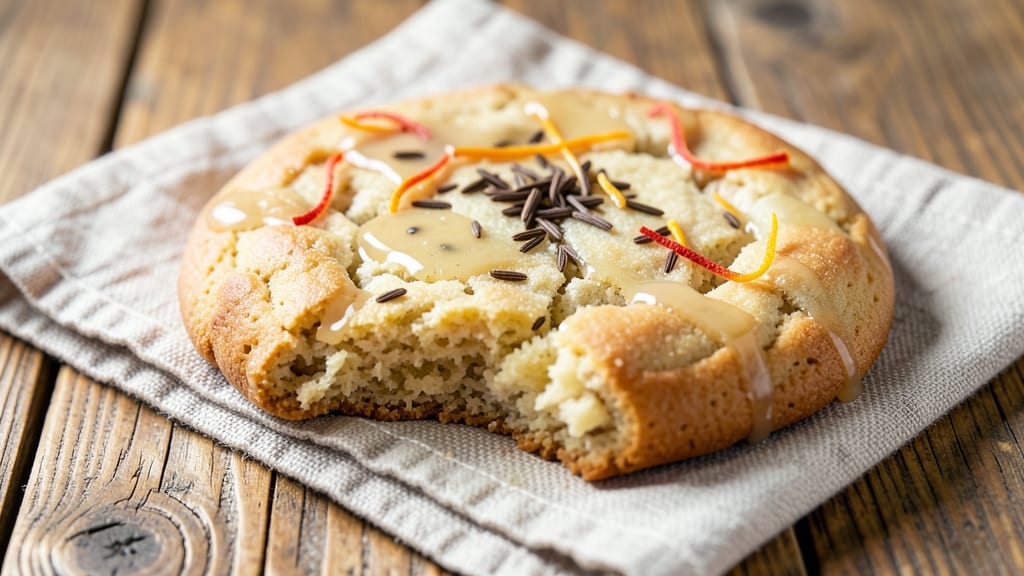
This anise shortbread cookie recipe delivers the perfect balance of buttery crunch and licorice-kissed warmth in just 10 minutes of active time. The secret lies in anise seeds, which infuse each bite with a subtle, aromatic sweetness that sets these apart from classic shortbread.
I developed this recipe after years of perfecting the texture—crisp edges, tender interior, and that signature melt-in-your-mouth quality that makes them disappear faster than you can say "licorice flavor." What makes these cookies truly special is the technique: cold butter creates flaky layers, while anise seeds provide depth without overpowering.
The dough comes together in minutes, requiring no chilling, and bakes to golden perfection in just 12-15 minutes. Unlike traditional shortbread, these have a delicate crunch that gives way to a velvety finish, making them ideal for holiday gifting or elegant dessert displays.
The flavor profile is where this recipe shines—anise adds a sophisticated sweetness that pairs beautifully with vanilla and a hint of citrus zest. These cookies stay fresh for days, making them perfect for meal prep or last-minute baking.
Whether you're serving them with tea or as a festive treat, the aroma alone will have everyone asking for the recipe. For those who love baking but want foolproof results, this is the recipe that delivers every time.
The anise seeds can be swapped for fennel seeds if preferred, but the traditional licorice note is what makes these cookies truly special. Let's get baking!
Ingredients for anise shortbread cookie
Eight simple ingredients transform into anise shortbread cookies with buttery crunch and subtle licorice warmth.
| Ingredient | Amount | Notes |
|---|---|---|
| Unsalted Butter 🧈 | 1 cup | Cold, cubed for flaky layers |
| Granulated Sugar 🍚 | ½ cup | Superfine preferred for smooth texture |
| Anise Seeds 🌿 | 2 tbsp | Whole seeds for authentic flavor |
| Vanilla Extract 🍯 | 1 tsp | Pure vanilla for depth |
| All-Purpose Flour 🌾 | 2 cups | Sifted for light texture |
| Orange Zest 🍊 | 1 tsp | Freshly grated for bright flavor |
| Diamond Crystal Kosher Salt 🧂 | ½ tsp | Fine grain preferred |
| Ground Vanilla Bean Powder 🍯 | ½ tsp | Optional for enhanced vanilla flavor |
The butter is non-negotiable—cold cubes create those signature flaky layers. Grab European-style butter from Whole Foods or Trader Joe's for richer flavor, but any unsalted butter works. Anise seeds are the star here; Penzeys sells high-quality whole seeds, but the bulk section at Walmart or Target has them too. Toast the seeds for 30 seconds in a dry pan to deepen their aroma—trust me, it makes a difference. For the flour, King Arthur is my go-to for consistent results, but any all-purpose brand will do.
No anise seeds? Fennel seeds work beautifully at the same amount, though they have a slightly sweeter profile. Short on vanilla? Vanilla sugar at half the quantity gets you close. The orange zest can be swapped for lemon zest if you prefer a brighter note. For a nutty twist, fold in 1/4 cup toasted hazelnuts or almonds with the dough. The sugar can be brown sugar for a caramelized edge, but granulated keeps the classic shortbread texture. If you're feeling fancy, add a pinch of cardamom for complexity.
These cookies stay fresh for 5-7 days in an airtight container at room temperature, but their aroma lingers for weeks. For longer storage, freeze the dough balls and bake straight from frozen—just add 2 extra minutes to the bake time. I like to portion the dough into 1-inch balls before baking for uniform cookies. The secret to crisp edges? Bake them on the middle rack and rotate the tray halfway through. Leftovers? Crumble them over yogurt or ice cream for a flavor-packed topping.
Why You'll Love This Recipe
- Five-Ingredient Magic: I swear by this recipe—just butter, sugar, flour, anise, and vanilla. That’s it. No fancy mix-ins, no last-minute grocery runs. The dough comes together in minutes, and honestly? You’ll forget how simple it is until you’re licking the bowl.
- Liquorice-Like Love: The anise seeds give these cookies a subtle, aromatic kick—like a whisper of licorice without the overpowering sweetness. Pair that with the buttery vanilla, and you’ve got a flavor that’s sophisticated but still feels like comfort food.
- Holiday or Snack Attack: These cookies freeze like champs, so I bake a batch in December and pull them out all year. Perfect for holiday gifts (they look fancy, but they’re foolproof), or just because you’re craving something crisp and sweet at 3 PM.
- No Crumbs, No Stress: Shortbread is forgiving—no chilling the dough, no precise shaping, no waiting for perfect golden edges. Even if you overbake them (we’ve all been there), they’ll still taste buttery and delicious. My kids think they’re "cookie science" because they’re so easy to mess up and still turn out.
Step-by-step instructions for anise shortbread cookies
Here's the method for perfectly crisp, aromatic anise shortbread with layers that melt in your mouth.
Cream Butter and Sugar for Flaky Layers
In a stand mixer fitted with the paddle attachment, beat the 1 cup unsalted butter and 0.5 cup granulated sugar on medium speed for 3-4 minutes. You're looking for a pale, fluffy texture that nearly doubles in volume—the mixture should look like light whipped cream. This creaming process incorporates air, which creates those signature flaky layers.
I like to stop and scrape down the sides of the bowl every minute to ensure even mixing. The butter should be completely smooth with no graininess, and the sugar should be fully dissolved. This step is critical—under-creaming leads to dense cookies instead of the delicate, crumbly texture we want. If you don't have a mixer, use a hand mixer or vigorously whisk by hand for 5-6 minutes.
Add Aromatics and Dry Ingredients
Reduce the mixer speed to low and add the 1 tsp vanilla extract, 1 tsp orange zest, 0.5 tsp diamond crystal kosher salt, and 0.5 tsp ground vanilla bean powder. Mix for 30 seconds until these ingredients are evenly distributed throughout the butter-sugar mixture. The orange zest will add a bright citrus note that balances the licorice-like anise flavor.
Next, add the 2 tbsp anise seeds and mix for another 30 seconds on low speed. Be careful not to overmix—just until the seeds are evenly dispersed. The anise seeds will release their distinctive flavor as the cookies bake, giving them that authentic licorice-kissed aroma. Remove the bowl from the mixer and set aside.
Incorporate Flour for Light Texture
In a separate bowl, whisk together the 2 cups all-purpose flour until smooth. This step ensures there are no lumps in your dough, which would create dense spots in the cookies. Gradually add the flour to the butter mixture, mixing on low speed just until combined—about 30-45 seconds. You should still see some flour streaks, but the dough should come together into a soft, slightly crumbly mass.
I press down gently on the dough with my fingers to check its consistency. It should hold together when pressed but still feel slightly dry. If it's too crumbly, you can add 1-2 tablespoons of cold water to bring it together. The dough shouldn't be sticky—shortbread should be more like a crumbly paste than a soft cookie dough.
Chill and Shape for Perfect Cookies
Divide the dough into 4 equal portions (about ½ cup each) and flatten each into a ½-inch thick disk. Wrap each disk tightly in plastic wrap and refrigerate for at least 1 hour or up to 24 hours. Chilling is essential—it firms up the butter, which prevents the cookies from spreading too much in the oven and ensures those beautiful flaky layers.
During chilling, the gluten in the flour will relax, making the dough easier to handle. If you're short on time, you can freeze the dough disks for 30 minutes instead of refrigerating. Once chilled, preheat your oven to 325°F and line two baking sheets with parchment paper.
Bake to Golden Perfection
Using a sharp knife or bench scraper, cut each chilled dough disk into 24 equal squares (about 1-inch by 1-inch). Place the squares 2 inches apart on the prepared baking sheets—they won't spread much, but you want room for even baking. Bake for 12-15 minutes until the edges are just beginning to turn golden and the centers look slightly underbaked.
Here's the thing—shortbread bakes quickly and can go from perfectly golden to overdone in seconds. I pull mine out when the edges are light golden brown and the centers still look pale. They'll continue cooking on the hot baking sheet for another 2-3 minutes after removal. Let them cool on the baking sheet for 5 minutes before transferring to a wire rack to cool completely.
For the best results, serve these cookies at room temperature. The anise flavor will be most pronounced when the cookies are fully cooled, and the texture will be perfectly crisp with a tender, melt-in-your-mouth center. Store in an airtight container for up to 5 days or freeze for up to 3 months for freshly baked cookies anytime.
Pro Tips For Making Anise Shortbread Cookie
- CHILL THE DOUGH: I learned this the hard way—rolling out warm shortbread makes it stick to the board and spread like a sad pancake. Wrap the dough in plastic and refrigerate for at least 30 minutes (yes, even if you're impatient like me). The anise flavor will thank you later by staying balanced instead of turning bitter from overworking.
- TOAST THE ANISE: Skip the raw seeds—lightly toast them in a dry pan over medium heat for 30 seconds until fragrant. They’ll release their aroma better and avoid that bitter aftertaste that sneaks in when you just dump them straight from the jar. Grind them fresh after toasting for maximum punch.
- WEIGH THE BUTTER: Cold butter is your friend here, but don’t eyeball it. Use a kitchen scale for the butter and sugar—shortbread is unforgiving if the ratio slips. Room-temp butter (65°F) works best, but if it’s too soft, pop it in the fridge for 10 minutes. No one wants a greasy mess instead of crisp edges.
- PRESS NOT ROLL: Forget the rolling pin—press the dough into the pan with your hands or a glass, then use a fork to make the classic crisscross pattern. This keeps the texture tender and prevents the cookies from turning into dense bricks. A little uneven? Good. Authentic shortbread isn’t about perfection.
Wine and beer pairings for these flavors
Wine Pairings
These anise shortbread cookies with their subtle licorice notes and buttery crunch pair beautifully with dry sparkling wines—think Prosecco or Cava. The effervescence cuts through the richness while the anise flavor complements the wine's crisp acidity.
I love serving them with La Marca Prosecco from Italy, which has a delicate floral note that harmonizes perfectly with the orange zest in the cookies. 🍷
Beer Pairings
For beer lovers, a Belgian witbier like Hoegaarden is an ideal match. The coriander and citrus notes in the beer echo the orange zest and anise in the cookies, creating a refreshing balance.
If you prefer something darker, a light lager such as Stella Artois works well—its clean, crisp profile lets the cookie flavors shine. For a seasonal twist, try a winter ale with notes of caramel and spice during the holidays.
Coffee Pairings
These cookies are perfect with light to medium roast coffee that has subtle nutty or floral undertones. A Vietnamese-style drip coffee with its bright, slightly sweet profile enhances the anise flavor without overpowering it.
I often enjoy them with a cortado—the creamy milk balances the crisp texture of the cookies while the espresso's bitterness complements the sweetness. For a festive touch, add a sprinkle of cinnamon to your coffee grounds.
Tea Pairings
Anise pairs wonderfully with Earl Grey tea, especially when served with a splash of lemon to mirror the orange zest in the cookies. The bergamot in the tea enhances the anise flavor, creating a sophisticated flavor profile.
For a caffeine-free option, try chamomile tea—its floral notes complement the cookies' subtle sweetness and make for a soothing afternoon treat. A warm cup of jasmine tea also works beautifully, especially during cooler months.
Liqueur Pairings
For a decadent touch, serve these cookies with anise-flavored liqueurs like Ouzo or Sambuca. The anise in the liqueur amplifies the cookie’s flavor, creating a harmonious pairing. A small glass of Ouzo with ice and a splash of water makes for a refreshing accompaniment.
For a sweeter option, try Licorice-flavored Baileys—the creamy texture contrasts beautifully with the cookies' crisp edges. 💫
Nutrition facts
Frequently asked questions about anise shortbread cookies
Why do these cookies need to chill before baking?
Chilling the dough for at least 1 hour is crucial for two reasons: it firms up the butter so the cookies maintain their shape (instead of spreading too much), and it relaxes the gluten for that perfect crisp-yet-tender texture. The cold butter also creates those beautiful flaky layers that make these cookies so special.
Can I substitute anise seeds for something else?
If you can't find anise seeds, fennel seeds work beautifully at the same amount—they have a similar licorice-like flavor. For a different twist, try cardamom or star anise powder (use half the amount). Just remember, the seeds are what give these cookies their signature aroma, so don't skip them if you love that anise kick!
How do I store these cookies to keep them fresh?
For maximum freshness, store them in an airtight container at room temperature for up to 5-7 days. The cookies will stay crisp, but the anise flavor actually deepens over time! For longer storage, freeze the dough balls (unbaked) for up to 3 months—just add 2 extra minutes to the bake time when ready. The aroma alone will make your kitchen smell amazing!
Why did my cookies turn out greasy?
Greasy cookies usually happen when the butter wasn't cold enough before mixing. Make sure your butter is cubed and chilled (not softened) when you start. Also, avoid overmixing the dough—just combine until it comes together. If the dough feels too warm, chill it for 15-20 minutes before shaping. The key is that cold butter creates flaky layers, not greasy ones!
Can I make these gluten-free?
Yes, but with some adjustments! Replace the all-purpose flour with a 1:1 gluten-free flour blend (like Bob's Red Mill) and add 1/4 tsp xanthan gum to help bind the dough. You may also need to reduce the bake time by 1-2 minutes since gluten-free dough can bake faster. The texture will be slightly different but still delicious—just expect a denser crumb.