
Side Dishes
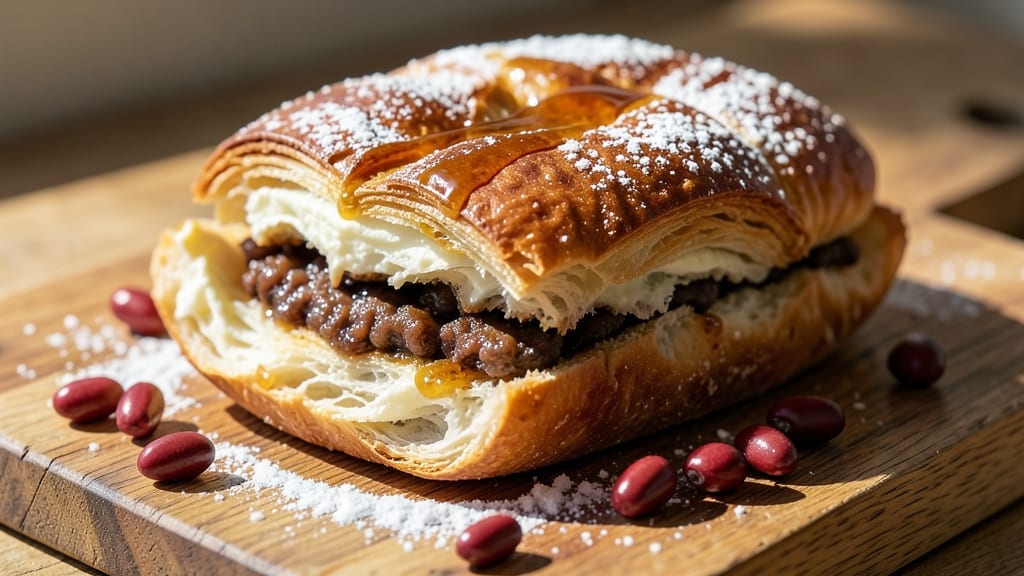
This Anpan bread recipe brings the comforting flavors of Japan to your kitchen with its signature sweet red bean filling encased in a golden, crusty shell. 🌟 The secret lies in the perfect balance between the tender, slightly chewy dough and the rich, velvety anko filling—a match made in culinary heaven.
What makes this recipe special is how it captures the essence of traditional Japanese baking while being approachable for home cooks.
The dough requires a touch of patience, but the process is straightforward once you master the technique. You'll work with a simple combination of flour, sugar, and butter, kneaded just enough to create a smooth, pliable base.
The anko filling, made from adzuki beans, adds a natural sweetness that pairs beautifully with the crispy exterior. This recipe delivers on both texture and flavor, ensuring every bite is a delightful experience.
By the time you pull this bread from the oven, you'll have a golden, crackly shell with a soft interior, perfectly cradling the sweet red bean filling. The aroma alone will transport you to a bustling Japanese bakery, where anpan is a beloved treat.
Whether you're baking for a special occasion or simply craving something sweet, this recipe is sure to impress.
The best part? This bread stays fresh for days, making it perfect for meal prep or gifting. Once you try it, you'll understand why anpan has become a staple in Japanese households and cafes alike. Let's get started on creating this delicious masterpiece!
Ingredients for anpan bread
Eight simple ingredients transform into golden anpan bread with crispy shells and velvety sweet filling.
| Ingredient | Amount | Notes |
|---|---|---|
| All-Purpose Flour 🌾 | 4 cups | Sifted for light texture |
| Unsalted Butter 🧈 | 1 cup | Cold, cubed for dough |
| Granulated Sugar 🍚 | ¼ cup | Superfine preferred for smoothness |
| Active Dry Yeast 🍞 | 2 ¼ tsp | Fresh yeast if available |
| Warm Water 💧 | ¾ cup | 110°F for yeast activation |
| Adzuki Beans (Dried) 🌱 | 1 ½ cups | Soaked overnight for filling |
| Granulated Sugar (for filling) 🍚 | ¾ cup | Adjust to taste |
| Water (for filling) 💧 | ½ cup | For blending beans |
| Salt 🧂 | ½ tsp | Kosher or sea salt |
| Egg Yolk 🥚 | 1 whole | For egg wash |
| Milk 🥛 | 1 tbsp | For brushing dough |
| Sesame Seeds 🌾 | 2 tbsp | Toasted for garnish |
| Vegetable Oil 🫒 | 1 tbsp | For greasing pan |
The adzuki beans are the heart of this recipe—soaking them overnight is non-negotiable for that perfect silky texture. Japanese grocery stores carry dried adzuki beans in bulk, but don't worry if you can't find them: sub with dried red lentils in a pinch, though the flavor won't be identical. For the dough, King Arthur flour works beautifully, but any all-purpose will do. The butter should be cold—this is key for that signature flaky crust. If your kitchen runs warm, chill the dough between kneading sessions to prevent overdevelopment. And trust me, the extra yeast ensures a light, airy crumb that's worth the slight effort.
No adzuki beans? Canned sweet red beans (like those in a syrup) can be used, but drain and rinse thoroughly to remove excess liquid. For the sugar in the filling, coconut sugar adds a caramel note that pairs wonderfully with the beans. Short on sesame seeds? Toasted poppy seeds give a similar crunch, though they lack that nutty depth. The egg wash is crucial—don't skip it! For a richer finish, mix the egg yolk with 1 tsp milk for extra shine. And if you're feeling adventurous, add a pinch of vanilla extract to the dough for a modern twist on this classic.
Anpan keeps best at room temperature for 2-3 days in an airtight container, though it's best enjoyed fresh. For longer storage, freeze the filled dough balls (before baking) for up to 2 months—just thaw overnight before baking. The filling can also be made ahead and stored in the fridge for 5 days. Pro tip: Brush the baked bread with a little milk or honey while still warm for that bakery-fresh finish. These little loaves freeze beautifully too—reheat in a 350°F oven for 10 minutes to restore that crispy shell. Perfect for gifting or stashing for lazy mornings!
Why You'll Love This Recipe
- No-Knead Magic: I swear by this dough—just mix, let it rise, and fold. That butter gets worked into the flour like a dream, and the yeast does all the heavy lifting while I sip my coffee.
- Sweet-Savory Crunch: The moment you bite into that crispy, caramelized sugar crust with the soft, pillowy center? It’s like a hug for your taste buds. Honestly, the sugar isn’t just sweet—it’s the star.
- Picnic or Party: Pack these for a lunchbox, serve them warm at a potluck, or even freeze half for later. They’re small enough for a crowd but feel special enough for a weekend brunch.
- Zero-Waste Winner: Leftovers? None. The dough’s so rich it disappears fast, and the recipe’s budget-friendly—just flour, butter, sugar, and yeast. My wallet and my fridge thank me every time.
Step-by-step instructions for anpan bread
Let's make these iconic Japanese sweet breads with a perfect balance of crispy crust and tender dough!
👨🍳 Step 1: Prepare the Sweet Adzuki Bean Filling
Start by draining and rinsing the soaked 1.5 cups adzuki beans. In a saucepan, combine the beans with the 0.75 cup granulated sugar (for filling) and 0.5 cup water (for filling). Bring to a boil over medium-high heat, then reduce to low heat and simmer for 45-60 minutes until the beans are tender and the mixture thickens to a jam-like consistency.
I like to mash about half of the beans with a potato masher while cooking—this creates a delightful mix of chunky and smooth textures. The filling should coat the back of a spoon and have a glossy sheen. Taste and adjust sweetness if needed, then let it cool completely before using. This cooling step is crucial to prevent the yeast from activating prematurely in the dough.
👨🍳 Step 2: Make the Dough and Let It Rise
In a large bowl, whisk together the 0.75 cup warm water and 2.25 tsp active dry yeast until dissolved. Let it sit for 5-10 minutes until foamy. In a separate bowl, combine the 4 cups all-purpose flour and 0.5 tsp salt, then mix in the yeast mixture and 0.25 cup granulated sugar.
Add the 1 cup cold, cubed unsalted butter and knead everything together until a soft dough forms. I use my stand mixer with a dough hook for this—knead on medium speed for 5-7 minutes until the dough is smooth and elastic. If it's too sticky, add 1 tablespoon flour at a time until it comes together. Transfer to a lightly oiled bowl, cover with a damp towel, and let rise in a warm place for 1-2 hours or until doubled in size.
🥘 Step 3: Shape the Anpan and First Rise
Once the dough has risen, punch it down to release air and divide it into 8 equal portions (about 2 ounces each). Roll each portion into a ball and flatten slightly into a disc. Place a spoonful of the cooled adzuki bean filling in the center of each disc, then seal the dough around it to form a ball, pinching the edges to create a smooth surface.
Arrange the shaped anpan on a baking sheet lined with parchment paper, leaving 2 inches between each. Cover with a damp towel and let rise for another 30-45 minutes until puffy. The dough should spring back slowly when pressed gently—this is your signal it's ready for baking. I like to preheat my oven to 375°F while the dough rises to save time.
🔥 Step 4: Bake to Golden Perfection
Brush the risen anpan with a mixture of 1 egg yolk and 1 tablespoon milk for a beautiful golden finish. Sprinkle generously with 2 tablespoons toasted sesame seeds while the egg wash is still wet. Bake in the preheated oven for 20-25 minutes until the crust is deep golden brown and the internal temperature reaches 190°F.
Here's the thing—don't overbake! The bread will continue cooking slightly after you remove it from the oven. You want a crispy crust that gives way to a soft, slightly chewy interior. For extra crispiness, I sometimes broil for 1-2 minutes at the end, watching carefully to avoid burning. Let the bread cool on a wire rack for 10 minutes before serving to allow the filling to set slightly.
🍽️ Step 5: Serve Warm and Enjoy!
Slice the anpan bread while still warm and serve with a dusting of powdered sugar or a drizzle of honey. The contrast of the crispy, slightly sweet crust with the soft, jammy adzuki bean filling is what makes this bread so special. I love serving them with a cup of green tea for that classic Japanese café experience.
Real talk: these taste even better the next day when the crust gets extra crispy. Store any leftovers in an airtight container at room temperature for up to 3 days. If you're feeling fancy, you can even reheat slices in the oven for 5 minutes at 350°F to restore that fresh-baked texture!
Pro Tips For Making Anpan Bread
- Weigh Your Flour: Ditch the scooping—use a kitchen scale for the dough. Anpan dough is delicate, and too much flour makes it dense. I learned this the hard way when my first batch turned out like a brick. Aim for 300g of flour for the dough; it’s more precise than volume measurements.
- Chill the Butter: Softened butter should be cool but pliable—like a ripe avocado, not melted. If it’s too warm, the dough gets greasy and hard to handle. I skip the microwave and just let it sit on the counter for 20 minutes in summer, 30 in winter. Trust me, your filling will thank you.
- Skip Overproofing: The dough should double in size, but stop when it’s just puffy—not wobbly. Overproofed anpan collapses when baked, and no one wants a sad, flat loaf. Press two fingers gently into the dough; if it springs back slowly, it’s ready. If it leaves a dent, give it 5 more minutes.
- Brush with Milk: Instead of water, brush the baked bread with warm milk before adding the filling. It keeps the crust soft and makes the filling stick better—no more dry, crumbly edges. I use about 1 tablespoon, just enough to lightly coat the top. It’s a tiny effort for a noticeable upgrade.
Serving suggestions for this dish
Morning Café Style
Anpan makes an instant breakfast star—slice warm loaves and serve with a steaming cup of matcha latte or hōjicha tea for that quintessential Japanese café vibe. 🌿 I like to add a thin layer of whipped cream and a sprinkle of kinako (roasted soybean flour) for extra richness.
For a modern twist, pair with vanilla yogurt and fresh berries to balance the sweetness.
Afternoon Snack Pairings
These breads shine as elevated snack bites—pack them in a bento box with cucumber sticks, pickled plum (umeboshi), and soft-boiled eggs for a balanced lunch. For a sweet-and-salty combo, serve with salted caramel sauce or dark chocolate ganache.
I often bring anpan to picnics with green tea ice cubes to keep drinks refreshing.
Dessert Presentation
For a restaurant-worthy dessert, dust slices with powdered sugar and arrange on a platter with edible gold leaf or toasted coconut flakes. Serve with Japanese black sesame ice cream or miso caramel for a sophisticated finish.
Pro tip: Brush warm bread with honey before serving for a glossy, bakery-style presentation.
Kids' Lunchbox Favorite
Cut anpan into fun shapes using cookie cutters (stars, hearts) for a kid-approved lunchbox treat. Pair with milk pouches and fruit leather for a balanced snack. I like to include a small Japanese cookie (like a melon pan) to round out the meal.
The sweet filling makes it irresistible, while the crusty exterior adds satisfying texture.
Tea Time Tradition
Anpan is perfect for Japanese tea ceremonies—serve with sencha or gyokuro for an authentic experience. For a festive touch, add matcha-infused anko to the filling. I often prepare mini anpan (using 1-inch dough balls) for tea gatherings, as they're easy to share and bite-sized.
Gift-Worthy Packaging
Wrap cooled anpan in parchment paper and tie with twine, then place in a burlap sack or Japanese-style gift box for presents. Include a handwritten note with tea pairings for a thoughtful touch.
These breads stay fresh for 3 days at room temperature, making them ideal for gifting to neighbors or coworkers. 🎁
Nutrition facts
Frequently asked questions
Can I make anpan bread without adzuki beans?
Yes, but the flavor won't be authentic. Use 1 can (15 oz) sweet red bean paste (like the kind used for mochi) as a shortcut. For a homemade alternative, blend 1 cup cooked red lentils with 0.5 cup sugar and 2 tbsp honey until smooth. The texture won't be identical, but it'll work in a pinch.
Why did my anpan dough rise but collapse when baking?
This usually happens when the dough is overworked or the yeast was too active. Make sure your water is 110°F (not hotter) and let the dough rise in a warm spot (like a turned-off oven with a bowl of hot water). Also, don't overfill the dough balls—use 1 tbsp filling per ball max to prevent cracking.
How do I get that perfect crispy crust?
The secret is in the egg wash and baking time! Brush the dough with 1 egg yolk + 1 tbsp milk right before baking, then sprinkle with sesame seeds. Bake at 375°F for 20-25 minutes until golden brown—don't overbake! For extra crunch, broil for 1-2 minutes at the end, watching closely.
Can I make anpan ahead of time?
The dough balls can be shaped and filled, then refrigerated overnight. Let them rise at room temperature for 30 minutes before baking. For longer storage, freeze the filled dough balls (unbaked) for up to 2 months3 days at room temperature.
What's the difference between anpan and melon pan?
While both are Japanese sweet breads, anpan has a soft, sweet red bean filling wrapped in dough, while melon pan features a crusty, melon-patterned exterior with no filling. Anpan is more like a cross between a bun and a pastry—think of it as Japan's answer to a sweet, jam-filled roll!