
Side Dishes
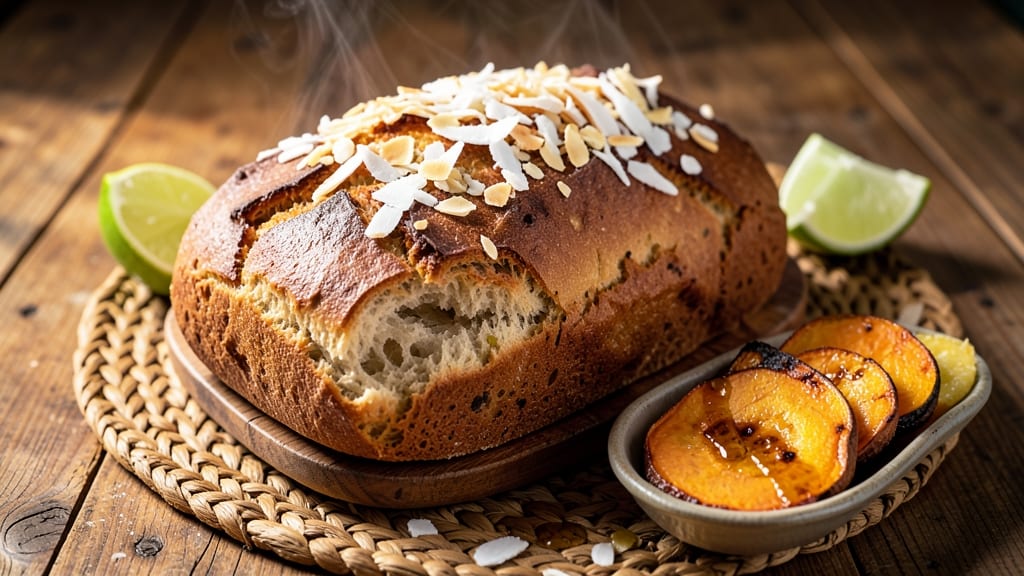
This Antigua bread recipe brings the warm, comforting essence of Caribbean baking to your kitchen with its signature sweet potato heart and dense, slightly chewy crust. 🌟 The traditional method combines simple ingredients—flour, water, yeast, and sweet potato—to create a bread that’s both hearty and subtly sweet, perfect for soaking up soups or pairing with savory dishes.
What sets it apart is the sweet potato center, which adds natural moisture and a delicate sweetness to every bite.
The key to achieving the right texture lies in proper kneading and proofing, which develop the bread’s signature density without making it heavy. Unlike many breads, Antigua bread relies on a slow fermentation process that enhances its flavor and structure.
This recipe stays true to tradition while offering flexibility—whether you prefer a classic version or a slightly sweeter take with extra sweet potato or spices.
By the time you pull this bread from the oven, you’ll have a golden-brown loaf with a crisp crust and a tender, slightly chewy interior, all centered around that moist, sweet potato heart.
The aroma alone will transport you to the Caribbean, where this bread is a staple at family gatherings and Sunday meals.
This recipe is designed to be both authentic and approachable, making it ideal for bakers of all levels. Whether you’re serving it as a side or enjoying it on its own, the result is a bread that feels like a warm hug—perfect for any occasion. Let’s get started!
Ingredients for antigua bread
Simple Caribbean staples that transform into a bread with a sweet potato surprise at its heart.
| Ingredient | Amount | Notes |
|---|---|---|
| All-Purpose Flour 🌾 | 4 cups | Unbleached preferred for traditional flavor |
| Sweet Potatoes 🍠 | 1 ½ lb | Medium-sized, peeled and cubed |
| Active Dry Yeast 🍞 | 0.03 oz | 1 packet (2.25g) |
| Granulated Sugar 🍚 | ¼ cup | Light brown sugar for depth |
| Salt 🧂 | 1 ½ tsp | Fine sea salt preferred |
| Warm Water 💧 | 1 ¼ cups | 110°F for yeast activation |
| Vegetable Oil 🫒 | 2 tbsp | For dough softness |
| Milk 🥛 | ¼ cup | Warm, for dough richness |
| Ground Cinnamon 🌿 | ½ tsp | Optional for subtle warmth |
| Ground Nutmeg 🌶️ | ¼ tsp | Freshly grated preferred |
| Egg 🥚 | 1 whole | For egg wash finish |
Sweet potatoes are the secret star here. Orange-fleshed varieties like Beauregard work best—they’re naturally sweet and moist. If you can’t find them, regular sweet potatoes will do, but they’ll be slightly less vibrant. Caribbean markets or specialty grocery stores often carry them year-round, but regular supermarkets usually stock them in the fall. For best results, pick firm potatoes with smooth skin—none of that wrinkly, dried-out stuff. Peeled and cubed, they’ll cook down into a sweet, moist center that’s worth every extra minute of prep time.
No yeast on hand? Instant yeast works 1:1, but active dry is traditional here. Running short on milk? Warm water or plant-based milk keeps the dough soft, though dairy adds that rich depth. The spices are optional but recommended—Penzeys Spices has great ground cinnamon and nutmeg if you want to splurge. For a quicker version, skip the egg wash and just brush with melted butter instead. The dough needs time to develop flavor, so don’t rush the proofing—patience is key for that signature chewy texture.
This bread keeps beautifully for 3-4 days wrapped in a clean kitchen towel. For longer storage, freeze the fully baked loaf (unwrapped) for up to 3 monthsit disappears fast around here, especially when paired with spicy Caribbean stews or just slathered with butter.
Why You'll Love This Recipe
- Sweet Potato Swap: I’ll often grab the last few sweet potatoes from the fridge and turn them into this bread—no waste, just flavor. That natural sweetness from the cooked potatoes cuts through the dough’s richness, giving it a subtle caramel depth I can’t get with just flour and sugar.
- Yeast-Free Rise: Honestly, I was skeptical about skipping yeast, but the sugar and mashed sweet potatoes create enough fermentation on their own. It’s lighter than I expected, with that perfect airy crumb—like a cross between a quick bread and a loaf, but without the fuss of waiting for yeast to proof.
- Breakfast to Dessert: This bread is my go-to for toast slathered in butter or jam, but I’ll also slice it up for French toast or even serve it warm with honey. (Yes, even on a Tuesday night.) The sugar in the dough caramelizes just enough when toasted to make it feel special without extra effort.
- Budget Baking: Between us, this recipe uses pantry staples and stretches further than most breads. A single batch feeds my family for days—sandwiches, toast, or even crumbled over salads—and the sweet potatoes make it feel indulgent without costing a fortune.
Step-by-step instructions for Antigua bread
Let's bake this Caribbean-inspired bread with a sweet potato center and golden crust.
👨🍳 Step 1: Prepare the Sweet Potato Filling
Preheat your oven to 375°F. Peel and cube the 1.5 lb sweet potatoes into ½-inch pieces. Spread them on a baking sheet and roast for 20-25 minutes until they're fork-tender and slightly caramelized at the edges. You want them soft enough to mash easily but not falling apart.
While they roast, combine 0.25 cup granulated sugar, 0.5 tsp ground cinnamon, and 0.25 tsp ground nutmeg in a small bowl. Once the sweet potatoes are done, transfer them to a mixing bowl and mash with a potato masher until smooth. Stir in the spice mixture until fully combined. The filling should be thick but spreadable—like a sweet potato purée with warm Caribbean spices.
🍳 Step 2: Activate the Yeast and Mix the Dough
In a small bowl, dissolve the 0.03 oz active dry yeast in 1.25 cups warm water (about 110°F) with 1.5 tsp salt and 2 tbsp vegetable oil. Let it sit for 5-10 minutes until frothy—this tells you your yeast is alive and ready to work. If it doesn't bubble, start over with fresh yeast.
In a large mixing bowl, combine the 4 cups all-purpose flour and the yeast mixture. Stir with a wooden spoon until a shaggy dough forms. Then add the 0.25 cup milk and the 1 whole egg. Mix until everything comes together into a smooth, elastic dough. If it feels too sticky, add 1-2 tablespoons more flour—just enough to make it pliable but not dry.
🥘 Step 3: Shape the Dough and Add Filling
Lightly flour a clean surface and turn out the dough. Gently pat it into a 12-inch circle about ½-inch thick. Using a rolling pin, roll it out evenly to create a thin crust. Here's the thing—don't press too hard or you'll make it tough.
Spread the sweet potato filling evenly over the dough, leaving about 1-inch border around the edges. Roll the dough up tightly from one long side, like a jelly roll, and pinch the seam to seal. Place it seam-side down on a parchment-lined baking sheet. Cover with a clean kitchen towel and let it rise in a warm place for 1 hour or until doubled in size. You'll know it's ready when it springs back slowly when gently pressed.
🔥 Step 4: Bake to Golden Perfection
Preheat your oven to 375°F again. Brush the risen dough with a beaten egg to create a glossy finish. Bake for 25-30 minutes until the crust turns a beautiful golden brown and sounds hollow when tapped on the bottom. The filling inside should be warm but not runny—just set enough to hold its shape.
Let the bread cool on a wire rack for at least 15 minutes before slicing. This resting time lets the filling firm up slightly and prevents it from oozing out when you cut into it. Slice it thickly and serve warm with butter or jam—this bread is perfect for breakfast or as a sweet treat any time of day.
Pro Tips For Making Antigua Bread
- Boil Sweet Potatoes Until Fork-Tender: I learned this the hard way—undercooked sweet potatoes turn your bread dough gummy. Boil them until a fork slides in like butter, then mash while still hot. Cold potatoes resist blending, and that’s when you end up with lumps that ruin texture.
- Dissolve Yeast in Warm Sugar Water: Skip the dry yeast straight into flour—it’s a gamble. Mix it with warm (not hot) water and a teaspoon of sugar first, then let it foam for 5 minutes. This guarantees active yeast, not wasted dough. (Yes, even if you’re impatient like me.)
- Knead Just Until Smooth: Overworking the dough after adding sweet potato purée makes it tough. Stop when it’s elastic but still slightly sticky—about 8-10 minutes by hand. Antigua bread should be soft, not a chewy loaf.
- Shape Loaves Tightly, Then Rest: Pack the dough into pans firmly, then let it rest 20 minutes under a towel. This relaxes the gluten, so your bread rises evenly instead of cracking or collapsing. (Your future self will thank you.)
Make-ahead tips for leftovers
Sweet Potato Prep
Roast your sweet potatoes the night before if you're prepping ahead—they’ll be even easier to mash in the morning. Store them in an airtight container in the fridge, and just reheat them gently in the microwave for 1-2 minutes before mixing with spices.
This shortcut saves 20-30 minutes of active prep time the next day. 🍠
Dough Prep Ahead
Mix the dough up to 12 hours before baking and store it in the fridge, covered with plastic wrap. The cold slows fermentation, giving you more control over the rise time.
When ready to bake, let it sit at room temperature for 30-45 minutes to warm up before shaping. This method actually enhances flavor development!
Filling Storage
If you're making the filling separately, store it in a small airtight container with a damp paper towel on top. It keeps in the fridge for 2 days, and you can reheat it gently before spreading on the dough.
I like to double the filling recipe and freeze half—just thaw overnight in the fridge before using. 🥄
Proofing Shortcut
No time for a full hour proof? Place your shaped dough in a warm oven with a bowl of boiling water on the bottom rack for 20-25 minutes.
The steam creates a humid environment that speeds up rising without sacrificing texture. Just monitor closely—overproofing leads to flat bread. This works especially well for make-ahead baking.
Baking Timeline
For true make-ahead convenience, bake the bread completely and store it wrapped in foil at room temperature for 2 days. Reheat slices in a 350°F oven for 5-7 minutes to restore freshness.
The sweet potato filling stays moist even after reheating, making this perfect for meal prep. I often bake two loaves—one for immediate use and one to freeze for later. ❄️
Freezing Fully Baked
Cool the bread completely, then slice and wrap individual portions in plastic wrap. Store in a freezer bag for up to 3 months. To serve, toast directly from frozen in a toaster or warm in the oven.
The crust stays crisp while the filling remains tender—just like fresh-baked. This is my go-to for busy mornings! 🥖
Nutrition facts
Frequently asked questions
Why does Antigua bread have a sweet potato center?
This Caribbean bread features sweet potatoes for their natural moisture and subtle sweetness that contrasts beautifully with the dense crust. The filling creates a tender, flavorful surprise at the heart of each slice, inspired by traditional Caribbean baking techniques that use local ingredients for maximum flavor.
Can I make Antigua bread without yeast?
Yes! For a quick version, replace the yeast with 1 tsp baking powder and 1 tsp baking soda. The texture will be denser and less airy, but still delicious. This works best if you're in a hurry or avoiding yeast for dietary reasons.
How do I store Antigua bread to keep it fresh?
Wrap the cooled loaf in a clean kitchen towel and store at room temperature for 3-4 days. For longer storage, freeze slices wrapped in plastic for up to 3 months. Thaw at room temperature before serving—no reheating needed unless you prefer it warm.
What's the secret to a crispy crust?
Brush the risen dough with beaten egg before baking, then bake at 375°F until golden brown. For extra crispiness, place a tray of water in the oven during baking to create steam, which helps develop a perfect crust while keeping the filling moist.
Can I substitute regular potatoes for sweet potatoes?
Regular potatoes work but won't be as sweet or moist. If using them, add 1 extra tablespoon of sugar to the filling and roast them 5 minutes longer to ensure they're fully tender. The flavor will be more neutral but still delicious.