
Desserts
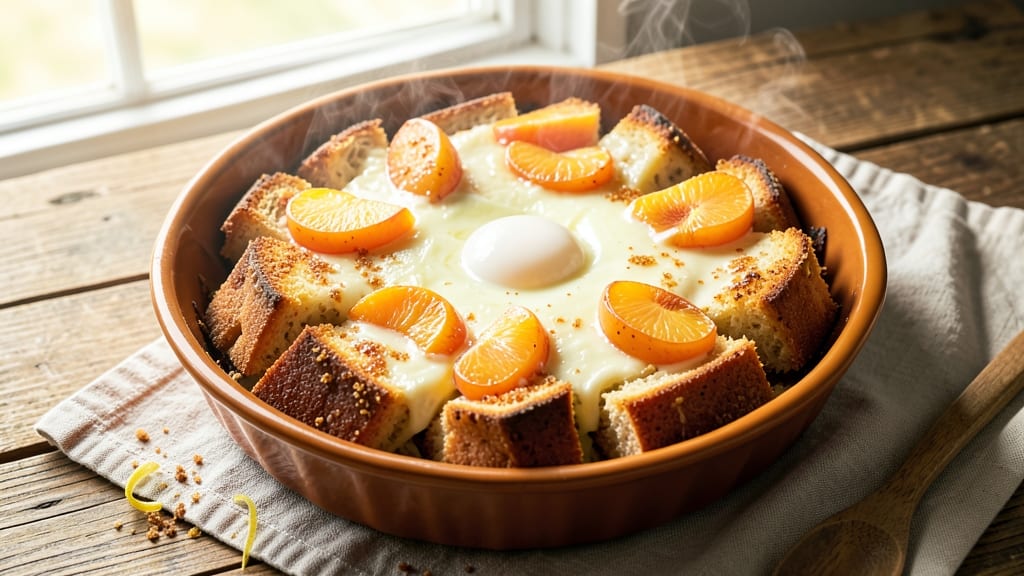
This apricot bread pudding recipe transforms stale bread into golden, custardy perfection with bursts of caramelized fruit and warm cinnamon. The secret lies in layering soft, buttery bread cubes with plump apricots and a rich egg-milk custard, then baking until the edges are crisp and the center is silky.
I perfected this version after years of experimenting—every bite delivers a perfect balance of sweet, tangy, and spiced flavors that taste like a hug in dessert form.
The magic happens in the custard, where vanilla extract and a touch of cinnamon infuse the milk while eggs create that signature creamy texture. Fresh or dried apricots work beautifully, but I prefer halved fresh ones for natural juices that soak into the bread, creating pockets of fruity goodness.
This recipe builds on classic bread pudding techniques but elevates them with apricot's distinct flavor profile—no artificial extracts or shortcuts, just real, comforting dessert.
What you'll end up with is a golden, caramelized masterpiece that's tender on the inside and crisp at the edges, with apricots that stay juicy and slightly sticky. The aroma alone will have everyone gathering in the kitchen, and the first bite delivers that perfect harmony of textures and flavors.
Serve warm with a scoop of vanilla ice cream or a drizzle of honey for an extra touch of indulgence.
This dessert is equally impressive as a showstopper for dinner guests or a comforting treat for a quiet weeknight. The recipe scales beautifully, and leftovers reheat perfectly—making it ideal for meal prep or holiday gatherings. Here's how to create this foolproof, restaurant-quality apricot bread pudding at home.
Ingredients for apricot bread pudding
Golden bread cubes, juicy apricots, and a velvety custard—this dessert delivers restaurant-quality comfort.
| Ingredient | Amount | Notes |
|---|---|---|
| Stale Bread 🍞 | 8 cups | Day-old or slightly stale, cubed |
| Fresh Apricots 🍑 | 2 cups | Pitted, halved, fresh preferred |
| Large Eggs 🥚 | 6 whole | Room temperature for even baking |
| Whole Milk 🥛 | 2 cups | Full-fat for creaminess |
| Granulated Sugar 🍚 | 1 cup | White or light brown |
| Unsalted Butter 🧈 | ½ cup | Melted, full-fat preferred |
| Pure Vanilla Extract 🌿 | 1 tbsp | High-quality, no imitation |
| Ground Cinnamon 🍃 | 2 tsp | Freshly ground preferred |
| Salt 🧂 | ½ tsp | Fine sea salt preferred |
| All-Purpose Flour 🌾 | ¼ cup | For thickening custard |
| Honey 🍯 | 2 tbsp | For drizzling, optional |
| Vanilla Ice Cream 🍦 | 1 ½ cups | For serving, optional |
The bread is the foundation, so don't skimp. Sourdough or brioche adds depth, but any stale loaf works—French, Italian, or even whole wheat. For the apricots, fresh from Whole Foods or Trader Joe's gives the best texture, but dried (reconstituted) works in a pinch. The custard is where the magic happens: room-temperature eggs blend smoother, and full-fat milk ensures that signature creamy texture. I always toast the cinnamon briefly in a dry pan to deepen its flavor—worth the extra minute.
No fresh apricots? Dried apricots soaked in warm water for 20 minutes work beautifully. Substituting milk? Heavy cream makes it richer, but almond milk keeps it lighter. For extra caramelization, toss the bread cubes with 1 tbsp melted butter before layering. The honey drizzle is optional but adds that restaurant-quality finish—local raw honey has the best flavor. If you're feeling fancy, swap the vanilla extract for vanilla bean seeds scraped fresh.
This dessert reheats beautifully—just 10 minutes at 350°F until warmed through. Store leftovers in an airtight container for 3 days in the fridge, or freeze for 2 months. I always make a double batch because it disappears fast. For serving, a scoop of vanilla ice cream or a sprinkle of toasted coconut flakes adds the perfect finishing touch.
Why You'll Love This Recipe
- No Waste Magic: I swear by this trick—turning yesterday’s crusty bread into something golden and irresistible. Just tear it up, no fancy slicing, and you’ve already saved money while cutting prep time.
- Sunshine in Every Bite: That caramelized sugar on fresh apricots? It’s like summer in a bowl. The eggs bind it all together with a custardy hug, and the milk keeps it rich without being heavy.
- Crowd-Pleaser Always: Serve it warm for breakfast or chilled as dessert—no one will judge. Honestly, my book club requested it twice for their meetings, and they’re not exactly the easy-please type.
- Budget Breakfast Hack: Eggs, milk, and stale bread? Check. Apricots stretch further than you’d think. I’ve made this for under $8 and still had leftovers for days—no guilt, all flavor.
Step-by-step instructions for apricot bread pudding
Transform simple ingredients into a rich, caramelized dessert with this foolproof method.
Prepare the Bread and Fruit
Cut the 8 cups stale bread into 1-inch cubes and spread them evenly in a 9x13-inch baking dish. The cubes should fit snugly without overcrowding—this ensures even baking and proper custard absorption. Place the dish on a wire rack set over a bowl to catch any crumbs that fall through as you work.
Arrange the 2 cups fresh apricots (pitted and halved) in a single layer over the bread cubes, pressing them gently into the bread. This creates pockets for the custard to seep into while allowing the fruit's natural juices to infuse the dessert. Save any large juice drops that accumulate in the bowl for later—you'll use them to enhance the custard mixture.
Make the Custard Mixture
In a large bowl, whisk together the 6 whole large eggs, 2 cups whole milk, 1 cup granulated sugar, 1 tbsp pure vanilla extract, 2 tsp ground cinnamon, and 0.5 tsp salt until completely smooth. The mixture should be pale yellow with no visible streaks of egg whites. If you collected any apricot juice earlier, whisk it in now—this adds natural fruit sweetness and depth.
Melt the 0.5 cup unsalted butter in a small saucepan over low heat, then whisk it into the egg mixture along with the 0.25 cup all-purpose flour. This creates a velvety custard base that will thicken beautifully as it bakes. The butter adds richness while the flour helps stabilize the texture, preventing a watery pudding.
Combine and Bake
Pour the custard mixture evenly over the bread and apricots, letting it seep into the crevices. Gently press down on the bread cubes to help them absorb the custard fully. Cover the dish with aluminum foil and refrigerate for at least 1 hour—this chilling step is crucial for preventing a soupy pudding and ensuring a firm texture when baked.
After chilling, preheat your oven to 350°F. Remove the foil and bake uncovered for 45-50 minutes until the top is golden brown and the center is just set (a knife inserted should come out clean but slightly moist). The edges should pull away from the pan easily, indicating the custard has thickened properly. If the top browns too quickly, tent loosely with foil for the last 10 minutes of baking.
Finish and Serve
Let the bread pudding cool for 10 minutes before drizzling with 2 tbsp honey warmed in a small saucepan. The honey will create a glossy, caramelized finish that complements the warm spices. For an extra indulgent touch, serve immediately with 1.5 cups vanilla ice cream on the side or dolloped on top of each portion.
Each slice should reveal tender bread soaked in rich custard, with tender apricot halves peeking through. The contrast of warm, spiced pudding against cool ice cream makes this dessert truly exceptional. Store leftovers covered in the refrigerator for up to 3 days, though I doubt you'll have any—this recipe disappears quickly!
Pro Tips For Making Apricot Bread Pudding
- Soak the Bread Properly: Don’t just pour milk over the bread and call it a day—cut the loaf into 1-inch cubes and let them soak in warm milk for at least 15 minutes. I learned this the hard way: dry bread soaks up too much custard, leaving you with a dense, gummy mess instead of a tender pudding.
- Slice Apricots Thin: Fresh apricots are tricky—they can turn mushy if overcooked. Slice them paper-thin (about 1/8-inch) and toss them in a little lemon juice before folding into the batter. This keeps their shape while adding just the right burst of jammy sweetness.
- Bake Until Golden: Skip the temptation to rush it—bake at 350°F until the top is deep golden brown, not just set. I used to pull mine out too soon, and it’d stay pale and doughy. A toothpick test works, but the real sign is that crust: it should be crackly and caramelized.
- Use Room-Temp Eggs: Cold eggs won’t blend smoothly into the custard, leaving you with lumps that ruin the texture. Take them out of the fridge 30 minutes before mixing—it’s a small step, but it makes a real difference in how silky the pudding turns out.
Flavor customization for this apricot bread pudding
Sweet Variations
Boost the natural sweetness by adding 1 tbsp apricot jam to the custard mixture—it thickens beautifully while deepening the fruit flavor. For a caramelized twist, toss the bread cubes with 1 cup chopped dates before baking, creating pockets of chewy sweetness alongside the apricots. 🍯
Spiced Enhancements
Increase warmth by adding ½ tsp ground cardamom or ¼ tsp nutmeg to the custard—these spices pair beautifully with apricot's floral notes. A pinch of cayenne pepper (just ⅛ tsp) adds subtle heat that balances the dessert's richness without overpowering.
Nutty Additions
Toast ½ cup pecans or walnuts in a dry pan until fragrant, then sprinkle over the bread before adding custard. The crunch contrasts perfectly with the soft pudding, and the nuts' earthiness complements the apricot's tang. For extra indulgence, fold ¼ cup chopped candied pecans into the custard itself.
Liquor Infusions
Swap 1 tbsp of the milk for 1 tbsp bourbon or brandy to add depth—this works especially well with dried apricots. For a citrusy twist, add 1 tsp orange zest to the custard alongside the vanilla.
The alcohol cooks off during baking, leaving behind a subtle warmth that enhances the fruit's natural sweetness.
Seasonal Twists
In summer, replace half the apricots with peaches or nectarines—the custard's spice profile works beautifully with stone fruits. For fall, add ½ cup chopped dried figs—their jammy texture pairs perfectly with the cinnamon.
In winter, a sprinkle of cinnamon-sugar on top before baking adds a festive crunch.
Dairy-Free Adaptations
Use unsweetened almond milk—thickened with 2 tbsp cornstarch—to replace the dairy while keeping the custard creamy. For richness, stir in ½ cup coconut cream—it adds a subtle tropical note that complements the apricot. The texture remains tender, though slightly lighter than the original.
Nutrition facts
Frequently asked questions
Can I use dried apricots instead of fresh?
Soak ½ cup dried apricots in warm water for 20 minutes to soften, then drain and chop them before using. For extra moisture, add 1-2 tbsp of the soaking liquid to the custard mixture. Dried apricots work beautifully and add intense flavor, though fresh ones provide juiciness that soaks into the bread more dramatically.
Why did my bread pudding come out gummy? This usually happens when the custard didn't set properly—likely from underbaking or too much liquid.
What type of bread works best for this recipe?
Any stale or slightly dry bread works perfectly—French bread, brioche, or even sourdough add wonderful texture. Avoid very dense breads like rye, as they absorb less custard. Pro tip: Toast the bread cubes lightly before layering to create a crispier texture that contrasts with the creamy custard.
Can I make this ahead of time?
Yes! This dessert actually tastes better the next day. Assemble the pudding and refrigerate it overnight before baking. For make-ahead serving, bake it 1 day ahead, then reheat individual portions in the oven at 350°F for 10-15 minutes until warmed through. The flavors meld beautifully over time!
How do I prevent the top from browning too quickly?
Tent the baking dish loosely with aluminum foil for the last 10-15 minutes of baking to slow browning while allowing steam to escape. Alternatively, reduce the oven temperature to 325°F for the final 10 minutes of baking. A lightly browned top is perfect—this indicates the custard is fully set beneath.