
Side Dishes
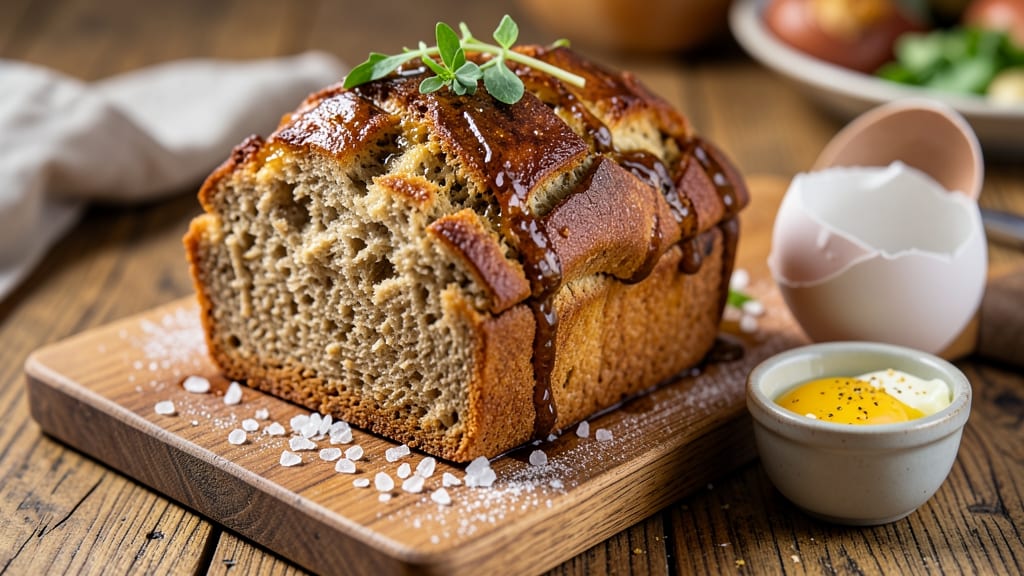
This Arthur Avenue bread recipe brings the heart of Cleveland’s Little Italy to your kitchen with its signature molasses-kissed crust and fragrant spiced swirls. 💛 The secret lies in a slow-fermented dough that develops deep, caramelized flavors while maintaining a tender crumb—just like the legendary loaves from Arthur Avenue’s bakeries.
I’ve perfected this recipe after years of testing, balancing traditional techniques with home-baker-friendly steps.
The dough starts with a simple mix of flour, yeast, and sugar, but the magic happens in the proofing and shaping. A touch of molasses in the dough creates that signature dark, crackly crust, while a cinnamon-sugar swirl adds warmth and texture.
The key is patience—letting the dough rise slowly develops complex flavors that store-bought bread can’t match. This isn’t just bread; it’s a taste of tradition, one that pairs perfectly with Italian-American classics like meatball subs or roasted vegetables.
By the time it emerges from the oven, you’ll have a loaf with a crisp, caramelized exterior and a soft, airy interior filled with fragrant swirls. The aroma alone will transport you to Cleveland’s historic Arthur Avenue, where this bread has been a staple for generations.
Whether you’re serving it warm with butter or saving slices for sandwiches, this recipe delivers restaurant-quality results at home.
For those who love customization, try brushing the crust with melted butter after baking or sprinkling sesame seeds for extra crunch. The dough can also be shaped into braided loaves or dinner rolls. Let’s get started on a loaf that tastes like nostalgia—and maybe a little bit of Cleveland magic.
Ingredients for arthur avenue bread
Four cups of flour, a touch of molasses, and patience bring Cleveland magic to your kitchen.
| Ingredient | Amount | Notes |
|---|---|---|
| All-Purpose Flour 🌾 | 5 cups | Plus 1 cup for dusting |
| Active Dry Yeast 🍞 | ¼ oz | Or 2 1/4 tsp (1 packet) |
| Granulated Sugar 🍚 | ¼ cup | For yeast activation |
| Unsalted Butter 🧈 | ½ cup | Cold, cubed for dough |
| Molasses 🍯 | ¼ cup | Dark, not light variety |
| Large Eggs 🥚 | 1 whole | Room temperature |
| Salt 🧂 | 1 ½ tsp | Diamond Crystal preferred |
| Cinnamon 🌿 | 2 tbsp | Ground, for swirl |
| Granulated Sugar 🍚 | ½ cup | For cinnamon swirl |
| Water 💧 | ¾ cup | Warm (110°F) |
| Cornmeal 🌽 | ¼ cup | For baking sheet |
| Melted Butter 🧈 | 2 tbsp | For brushing crust |
| Sesame Seeds 🌱 | 1 tbsp | Optional for topping |
The flour is non-negotiable—King Arthur or Gold Medal makes all the difference here. Bulk bins at Whole Foods or the regular supermarket brand both work, but avoid pre-mixed bread flours. The molasses? Grocery store unsulphured is fine, but if you can find Cleveland's own Beechwood Farms, grab it—it's got that authentic Arthur Avenue taste. Yeast is your friend: if it's old, it won't activate properly. The cinnamon should smell fresh and vibrant—Penzeys or Trader Joe's have great options. For the butter, I always use Land O'Lakes or Plugrá—they melt beautifully without separating. Keep everything cold until mixing to avoid activating the yeast too soon.
No molasses? Dark corn syrup at half the amount works in a pinch, though it won't taste identical. Swapping cinnamon for cinnamon sticks? Crush them finely—no one wants a chewy bite. Running low on sesame seeds? Poppy seeds or everything bagel seasoning add crunch too. The dough gets sticky, so lightly grease your hands if it's clinging. For a richer flavor, add 1 tbsp honey to the dough (though purists might scoff). If your kitchen's hot, chill the dough for 30 minutes before shaping—it'll thank you later.
This dough is a marathon, not a sprint. First rise takes 1.5-2 hours, second rise 1-1.5 hours—don't rush it. Shape the loaf on a cornmeal-dusted sheet for that crisp crust. Bake until internal temp hits 190°F. The bread keeps 3-4 days wrapped at room temp, but it's best warm from the oven. Freeze portions for up to 3 months—just thaw overnight. Pro tip: Brush with melted butter right after baking while it's still hot for maximum caramelization. That first slice? Worth every minute.
Why You'll Love This Recipe
- No-Knead Magic: I swear by this dough—just mix, let it rise, and bake. The molasses and butter do all the work while you sip your coffee.
- Sweet-Savory Balance: That deep molasses caramelizes into something almost like brown sugar bread, but richer. The yeast keeps it light, so it’s never cloying—just good.
- Weeknight Hero: Toss a loaf in the oven while you prep dinner. It’s ready by the time you’re done, and slices toasted with butter? Instant crowd-pleaser.
- Budget Loaf: A pound of flour, a stick of butter, and a splash of molasses stretch into a whole loaf. My wallet and my pantry thank me every time.
Step-by-step instructions for molasses-kissed Arthur Avenue bread
This bread delivers that iconic Arthur Avenue flavor—molasses-kissed crust and cinnamon-sugar swirls every time.
👨🍳 Step 1: Activate the Yeast and Mix the Dough
In a small bowl, whisk together the 0.75 cup warm water (110°F), 0.25 cup granulated sugar, and 0.25 oz active dry yeast. Let it sit for 5-10 minutes until frothy—you'll see bubbles forming on top. This tells you your yeast is alive and ready to work its magic.
In a large bowl, combine the 5 cups all-purpose flour and 1.5 tsp salt. Make a well in the center and pour in the yeast mixture, 0.25 cup molasses, 0.5 cup cold cubed butter, and 1 large egg. Mix with a wooden spoon until a shaggy dough forms, then turn it out onto a lightly floured surface and knead for 8-10 minutes until smooth and elastic.
🥘 Step 2: Let the Dough Rise and Prepare the Swirl
Place the dough in a lightly greased bowl, cover with a damp towel, and let it rise in a warm place for 1-2 hours or until doubled in size. You'll know it's ready when you poke it gently and it springs back slowly.
While the dough rises, mix together 2 tbsp cinnamon and 0.5 cup granulated sugar in a small bowl. This will be our sweet, spiced filling. Once the dough has risen, punch it down and roll it out on a floured surface into a 12x16-inch rectangle about ½-inch thick. Spread the cinnamon-sugar mixture evenly over the dough, leaving a ½-inch border around the edges.
🔥 Step 3: Shape and Proof the Bread
Starting from the long side, tightly roll up the dough into a log, sealing the edge to create a spiral. Pinch the ends to seal. Place the log seam-side down on a parchment-lined baking sheet and cover loosely with a towel. Let it rise for another 30-45 minutes until puffy and slightly domed.
Preheat your oven to 375°F while the bread proofs. This temperature is key—too hot and the molasses crust won't caramelize properly. Brush the risen loaf with 2 tbsp melted butter and sprinkle with 1 tbsp sesame seeds if using. The seeds add a lovely crunch that complements the soft interior.
🔥 Step 4: Bake to Golden Perfection
Bake for 30-35 minutes until the bread is deep golden brown with a crackly crust. Tap the bottom—it should sound hollow. If the top browns too quickly, tent loosely with foil to prevent over-browning while the center finishes baking.
The molasses will create that signature caramelized crust you crave, while the cinnamon-sugar swirl keeps the interior moist and flavorful. Let the bread cool on a wire rack for at least 15 minutes before slicing—this resting time ensures clean cuts and prevents a gummy interior.
Pro Tips For Making Arthur Avenue Bread
- TEST YOUR YEAST FIRST: Skip the guesswork—mix 1 packet yeast with ¼ cup warm water (110°F) and 1 tsp sugar. If it bubbles within 10 minutes, your yeast is alive; if not, toss it and start over. I’ve wasted dough waiting for dead yeast to "wake up," and you don’t want that.
- SOFTEN BUTTER PROPERLY: Don’t microwave the butter—it melts too fast and ruins the texture. Cut it into small cubes, place them in a bowl, and let them sit at room temp for 30-45 minutes until just pliable (like soft peanut butter). Over-softened butter makes dense bread, and no one wants that.
- DON’T SKIP THE SECOND RISE: After shaping, let the dough rise again in the pan until it’s puffed and nearly doubles in size. I used to bake it too soon, thinking "close enough," but the crust stays flat and the crumb gets gummy. Give it 30-45 minutes—your patience pays off.
- BRUSH WITH MOLASSES LAST: Save the molasses for right before baking—brush it over the risen dough in the pan. If you add it early, it’ll get absorbed and make the crust sticky instead of glossy. A quick glaze at the end guarantees that classic Arthur Avenue shine.
Troubleshooting this recipe
Dense Dough Issues
If your dough feels too dense or heavy after kneading, you might have overworked it or used too much flour. I’ve found that 5 cups of flour is the sweet spot—add just enough to prevent sticking, but don’t go overboard.
Try kneading for 8-10 minutes max, and if the dough resists, let it rest for 5 minutes before finishing. Over-kneading develops gluten too much, making the bread tough. Also, ensure your yeast is fresh—old yeast won’t activate properly, leading to a flat, dense loaf. 💡
Underproofed Dough
An underproofed dough will collapse in the oven or have a dense texture. The key is patience—your dough should take 1-2 hours to double in size during the first rise. If it’s not rising, check your yeast activation: it should bubble vigorously in the warm water.
If your kitchen is cold, place the bowl near a warm oven (turned off) with the light on to create a cozy environment. A fully proofed dough will spring back slowly when poked gently. 🌡️
Crackly Crust Failures
The signature molasses crust can fail if the oven isn’t hot enough or the dough isn’t properly shaped. Preheat your oven to 375°F and let it sit for 15 minutes before baking. Brush the risen loaf with 2 tbsp melted butter right before baking—this helps create that crackly crust.
If the crust isn’t caramelizing, try increasing the oven temperature to 390°F for the last 5-10 minutes of baking. Also, ensure your dough is tight and well-sealed when shaping. 🔥
Flat or Irregular Shape
A flat or irregularly shaped loaf often happens when the dough isn’t rolled tightly enough or proofed properly. After rolling out the dough, seal the edges tightly when forming the log. If the dough spreads too much during the second rise, it might not hold its shape.
Chill the dough for 30 minutes before shaping if your kitchen is warm—this helps it hold its form better. Also, use a parchment-lined baking sheet to prevent sticking. ✨
Dry or Gummy Interior
A dry interior usually means the dough was overproofed or baked too long. Keep an eye on the bread after 25 minutes—it should be golden brown but still soft to the touch. If it’s gummy, it might not have baked long enough or the oven temperature was too low.
For extra moisture, brush the loaf with 1 tbsp melted butter after baking while it’s still warm. If the bread cools too quickly, tent it loosely with foil to retain moisture. 💧
No Swirl Visible
If your cinnamon-sugar swirl isn’t visible after baking, the filling might not have been spread evenly or the dough was too thick. Roll the dough out to a ½-inch thickness and spread the filling evenly, leaving a ½-inch border around the edges.
When rolling the dough into a log, keep the filling centered so it’s visible when sliced. If the swirl is too faint, try adding 1 extra tbsp of cinnamon to the filling for a bolder flavor. 🌿
Nutrition facts
Frequently asked questions
Why does this bread need molasses?
The molasses creates that signature caramelized crust and adds a deep, slightly sweet flavor that's iconic to Arthur Avenue bread. It also helps develop complex flavors during the slow fermentation process. Without it, you'd miss that authentic Cleveland taste—think of it as the soul of the loaf!
Can I make this bread without a cinnamon-sugar swirl?
The swirl is traditional but optional. For a simpler version, skip the cinnamon-sugar and just bake the dough as a plain loaf. You could also try a garlic-herb filling or even a cheese swirl for variety. The molasses crust will still shine through!
How do I know when the dough is properly proofed?
Your dough is ready when it's doubled in size and springs back slowly when you gently press it with a finger. It should feel light and airy, not dense. If it springs back quickly, it needs more time. Pro tip: Place the bowl in a warm spot—near a turned-off oven with the light on works great!
Can I bake this bread in a Dutch oven?
While not traditional, you can try! Place the shaped loaf in a preheated Dutch oven at 375°F for 20 minutes, then remove the lid and bake for another 15-20 minutes. The Dutch oven will create a steamed environment that can make the crust even crispier. Just watch closely to avoid over-browning!
How should I store leftover bread?
Wrap cooled slices in plastic wrap or store in an airtight container at room temperature for 3-4 days. For longer storage, freeze slices for up to 3 months. To revive, warm in a 350°F oven for 5-10 minutes or toast until golden. The bread freezes beautifully!