
Side Dishes
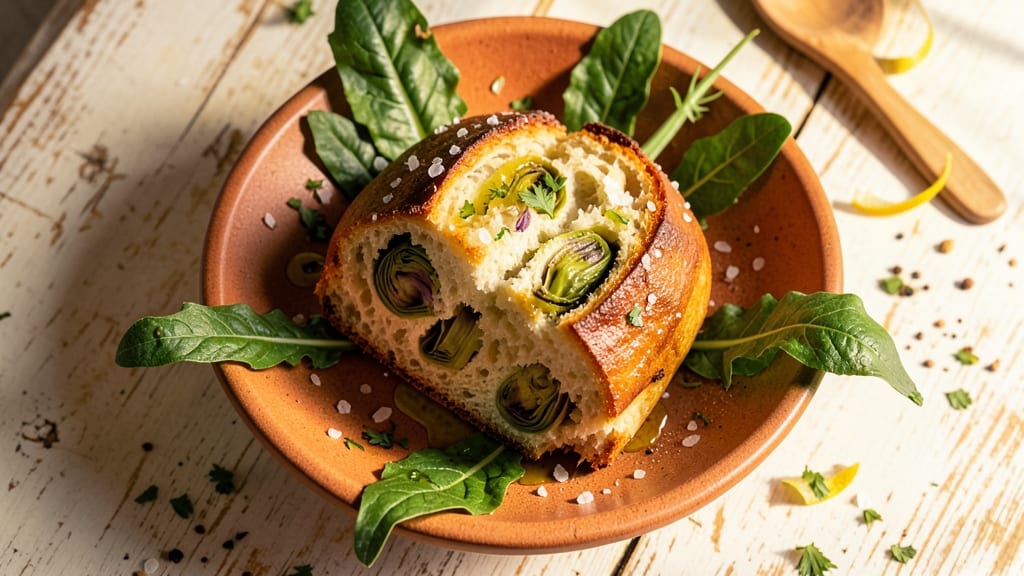
This Artichoke Bread Pescadero recipe brings the coastal charm of California's Pescadero region to your kitchen table, where fresh artichokes meet herby crusts in a symphony of flavors.
The secret lies in the dough's tender texture and the zesty dill twist that elevates every bite—perfect for pairing with seafood or enjoying on its own. I've perfected this recipe over years of baking, ensuring the crust stays crisp while the interior remains soft and inviting.
The beauty of this recipe is its versatility—whether you're baking it as a standalone side or using it to complement grilled fish or salads, the herb-infused crust adds a sophisticated touch.
The artichoke filling, combined with a hint of garlic and lemon zest, creates a bright, tangy contrast that balances the richness of the bread. It's a dish that feels both rustic and refined, making it ideal for any meal.
What sets this recipe apart is the dill twist, which gives the crust a fresh, slightly tangy flavor that pairs beautifully with the artichokes. The dough is simple to prepare, with just a few key ingredients that work together to create a tender, flavorful loaf.
Once baked, the aroma alone will have everyone at the table reaching for seconds.
This bread is especially perfect for pescatarian meals, as it pairs wonderfully with grilled shrimp, salmon, or even a simple olive oil drizzle. The recipe is designed to be foolproof, ensuring you achieve a golden, aromatic loaf every time. Let's get started on creating this coastal-inspired masterpiece!
Ingredients for artichoke bread pescadero
Fresh artichokes, zesty dill, and coastal-inspired dough create this artisan bread's signature flavor.
| Ingredient | Amount | Notes |
|---|---|---|
| All-Purpose Flour 🌾 | 4 cups | Sifted for lighter texture |
| Active Dry Yeast 🍞 | 2 ¼ tsp | One packet, room temperature |
| Granulated Sugar 🍚 | 1 tbsp | For yeast activation |
| Warm Water 💧 | 1 ¼ cups | Lukewarm, not hot |
| Extra-Virgin Olive Oil 🫒 | ⅓ cup | Plus extra for brushing |
| Salt 🧂 | 1 ½ tsp | Diamond Crystal preferred |
| Fresh Artichoke Hearts 🌿 | 1 cup | Chopped, jarred or fresh |
| Fresh Dill 🌿 | ⅓ cup | Chopped, stems removed |
| Garlic Cloves 🧄 | 3 cloves | Minced, fresh preferred |
| Lemon Zest 🍋 | 1 tbsp | From organic lemon |
| Egg 🥚 | 1 whole | For egg wash |
| Sesame Seeds 🌱 | 2 tbsp | For topping |
| Coarse Sea Salt 🧂 | 1 tbsp | For sprinkling |
The artichoke hearts are the star—fresh is ideal, but quality jarred works too (look for Muir Glen or California artichokes in season). Fresh dill is non-negotiable for that bright, tangy flavor; Whole Foods or your local market usually have the best bunches. For the flour, King Arthur or Bobs Red Mill brands yield the lightest texture. If using jarred artichokes, drain well and pat dry to prevent a soggy crust. The lemon zest should be vibrant yellow—organic lemons from the grocery store's produce section work perfectly.
No fresh dill? Dried dill at one-third the amount is a decent swap, though it lacks freshness. Substituting jarred artichokes for fresh? Drain and chop them finely—don't skip this step. Running short on sesame seeds? Poppy seeds or everything bagel seasoning add a nice contrast. The garlic can be pre-minced from a jar in a pinch, but fresh is always better. For the olive oil, California avocado oil is a great alternative if you prefer a lighter flavor. If your yeast isn't fresh, test it in warm water—it should foam within 5 minutes.
Store the dough in the fridge for up to 24 hours if prepping ahead—it develops more flavor. Once baked, keep the bread wrapped in a clean kitchen towel at room temperature for 2 days or freeze slices for 3 months. The crust stays crisp best when reheated in a 350°F oven for 5 minutes. I always make a double batch—this bread freezes beautifully and makes an amazing gift. For extra crispiness, brush the crust with melted butter before baking.
Why You'll Love This Recipe
- No-Knead Magic: I swear by this dough—just mix, let it rise, and forget it. The yeast does all the work while you sip coffee or scroll through your phone.
- Olive Oil Secret: That splash of extra-virgin olive oil doesn’t just make it taste fancy—it keeps the bread tender for days. Honestly, it’s the little things that make a difference.
- Picnic or Pantry: Toss a loaf in your bag for a beach day or stash slices in the freezer for lazy mornings. It’s the kind of bread that works everywhere.
- Budget Stretch: Flour, yeast, sugar—these are staples you already have. No specialty ingredients, no wasted money. Just reliable, delicious bread that won’t break the bank.
Step-by-step instructions for artichoke bread with herb-infused crust
This method delivers a perfectly textured loaf with vibrant artichoke flavor and crispy sesame-dill crust.
Activate the Yeast and Mix the Dough
In a small bowl, combine the 1.25 cups warm water, 1 tbsp granulated sugar, and 2.25 tsp active dry yeast. Let it sit for 5-10 minutes until foamy—this confirms your yeast is active. If it doesn't foam, start over with fresh yeast.
In a large mixing bowl, whisk together the 4 cups all-purpose flour and 1.5 tsp salt. Make a well in the center and pour in the yeast mixture along with the 0.33 cup extra-virgin olive oil. Using a wooden spoon, stir until a shaggy dough forms, then turn it out onto a lightly floured surface.
Knead Until Smooth and Elastic
Knead the dough for 8-10 minutes by pressing down, folding, and turning it on a floured surface. You're looking for a smooth, elastic dough that springs back when poked. If it feels sticky, add flour 1 tablespoon at a time—but don't overdo it, or your bread will be dense.
Here's the thing—this kneading step develops gluten, which gives your bread that perfect chewy texture. I press down firmly during each fold to ensure even gluten development throughout the dough. When you're done, the dough should feel soft but not sticky, and it should cleanly pull away from the work surface.
Incorporate Artichoke and Herb Mixture
In a separate bowl, combine the 1 cup chopped fresh artichoke hearts, 0.33 cup chopped fresh dill, 3 minced garlic cloves, and 1 tbsp lemon zest. Mix well to distribute the flavors evenly.
Add this mixture to your kneaded dough and gently work it in by hand, using your fingers to press the artichoke and herbs into the dough. Be careful not to overwork it—just enough to distribute the ingredients evenly. The artichoke pieces should be visible but not concentrated in one area. This step infuses your bread with that signature Pescadero flavor profile.
First Rise and Shape the Loaf
Place the dough in a lightly oiled bowl, cover it with a damp kitchen towel, and let it rise in a warm place for 1-1.5 hours or until doubled in size. The dough should feel light and springy when pressed gently with one finger—this indicates it's ready for shaping.
Punch down the dough to release air, then shape it into a rectangular loaf about 10x6 inches. Place it on a parchment-lined baking sheet, seam-side down. Cover again and let it rise for another 30-45 minutes while you preheat your oven to 375°F. This second rise helps develop the final texture and flavor.
Prepare and Bake the Crust
Whisk together the 1 whole egg and 2 tbsp sesame seeds in a small bowl for the egg wash. Brush the risen dough with this mixture, then sprinkle generously with the 1 tbsp coarse sea salt. This creates that signature crispy, flavorful crust we're after.
Bake for 30-35 minutes until the bread is golden brown and sounds hollow when tapped on the bottom. The internal temperature should reach 190°F. For best results, bake on the middle rack where heat circulates evenly. The sesame seeds should be toasted and the crust should be crackly—this is your signal that it's perfectly done.
Cool and Serve
Remove the bread from the oven and transfer it to a wire rack. Let it cool for 10-15 minutes before slicing—this allows the crumb to set properly. The artichoke and dill flavors should be bright and fresh, with a subtle garlic and lemon zest complexity.
Slice the bread into 1-inch thick pieces and serve warm. The crust should be crispy and fragrant with sesame seeds, while the interior should be soft with pockets of artichoke and herb throughout. This bread pairs beautifully with soups, salads, or simply enjoyed on its own with a pat of butter.
Pro Tips For Making Artichoke Bread Pescadero
- Bloom Yeast Properly: Skip the guesswork—proof your yeast in warm water (105–110°F) with a pinch of sugar for 5–10 minutes until frothy. I learned the hard way that cold water or skipping this step means dough that rises like a sad balloon instead of a fluffy loaf.
- Use Olive Oil Generously: The Pescadero version relies on that garlicky olive oil for flavor—don’t skimp. Drizzle after mixing wet ingredients, then let the dough absorb it for 5 minutes before kneading. The oil should coat your fingers when you handle it.
- Knead Until Silky: This dough needs muscle. Work it for 8–10 minutes by hand (or 5–6 on a stand mixer) until it’s smooth and springs back when poked. Over-kneading is hard to do—stop when it’s elastic, not doughy.
- Let It Rise Twice: First rise (1–1.5 hours) builds flavor; second rise (30–45 minutes) ensures height. Resist the urge to rush—cold-proofing (fridge overnight) even works if you’re short on time. The longer it rests, the better the texture.
Common mistakes when making great artichoke bread pescadero
Over-Kneading the Dough
I've made this mistake more times than I'd admit—over-kneading turns your artichoke bread into a dense, chewy brick instead of the light, airy loaf you want. The dough should feel smooth and elastic after 8-10 minutes, not tough or resistant.
When you press your finger into it, it should spring back slowly, not immediately. If you're unsure, do the "windowpane test": stretch a small piece until it's translucent—if it tears easily, you've kneaded enough. 💪
Skipping the First Rise
Rushing the first rise is a common shortcut that backfires. The dough needs that 1-1.5 hour rise to develop flavor and structure—skipping it results in a flat, flavorless loaf.
Place your bowl in a warm spot (like a turned-off oven with a cup of hot water) to speed up the process if needed. Pro tip: The dough should double in size and feel light and springy when pressed gently.
Uneven Artichoke Distribution
Unevenly distributed artichoke hearts create flavor pockets instead of a balanced taste throughout. I learned this the hard way when I just tossed in the chopped artichokes without proper mixing.
After kneading, gently press the artichoke mixture into the dough using your fingertips—this ensures even distribution while keeping the artichokes visible. Think of it like folding in chocolate chips, but with more finesse. 🌿
Overloading with Wet Ingredients
The artichoke hearts and herbs add moisture, so be cautious with extra liquids. If your dough feels too sticky after incorporating them, add flour 1 tablespoon at a time while kneading. A well-hydrated dough is ideal, but too much water leads to a gummy texture.
The dough should be soft but not wet—it should cleanly pull away from your work surface when you lift it.
Baking at Wrong Temperature
Baking at 375°F is crucial—too low, and your bread will be dense; too high, and the crust burns before the interior cooks. I once baked mine at 400°F and ended up with a burnt exterior and undercooked center.
Use an oven thermometer to verify your oven's accuracy. The bread is done when it's golden brown and sounds hollow when tapped on the bottom.
Ignoring the Second Rise
The second rise after shaping is often overlooked, but it's what gives your bread that final lift and flavor development. Skip it, and your loaf will be flat and compact. Let it rise for 30-45 minutes until it's noticeably puffier.
This step also helps the artichoke and herb flavors meld together beautifully. Don't rush it—patience here pays off in texture and taste. ✨
Nutrition facts
Frequently asked questions
Can I substitute jarred artichokes for fresh in this recipe?
Yes, but with one key step: drain and pat them completely dry first. Jarred artichokes contain extra liquid that can make your dough sticky and lead to a gummy texture. Look for brands like Muir Glen or California artichokes in season for the best flavor. Chop them finely to mimic fresh artichoke hearts.
What makes this Pescadero-style bread different from regular artichoke bread?
The Pescadero twist comes from the herb-infused crust and coastal-inspired flavors. This recipe uses fresh dill (not dried) and sesame seeds for a crispy, aromatic crust, plus lemon zest that brightens the artichoke flavor. It's designed to pair perfectly with seafood dishes, making it a pescatarian-friendly centerpiece.
How do I know when my dough is properly kneaded?
Your dough is ready when it's smooth, elastic, and springs back slowly when pressed (not immediately). Do the "windowpane test": stretch a small piece until it's translucent—if it holds without tearing, you're good. Over-kneading (beyond 8-10 minutes) makes the bread tough, so stop when it passes these tests.
Can I make this bread without a stand mixer?
This recipe is designed for hand-kneading. Work the dough on a floured surface for 8-10 minutes, pressing down and folding it repeatedly. The key is consistency—press firmly during each fold to develop gluten evenly. Your arms will get a workout, but the result is worth it!
How should I store leftovers to keep them fresh?
Wrap cooled slices in a clean kitchen towel and store at room temperature for 2 days. For longer storage, freeze slices (wrapped individually) for up to 3 months. To reheat, warm in a 350°F oven for 5 minutes until crispy again. The sesame seeds stay crunchy when stored properly!