Breakfast & Brunch
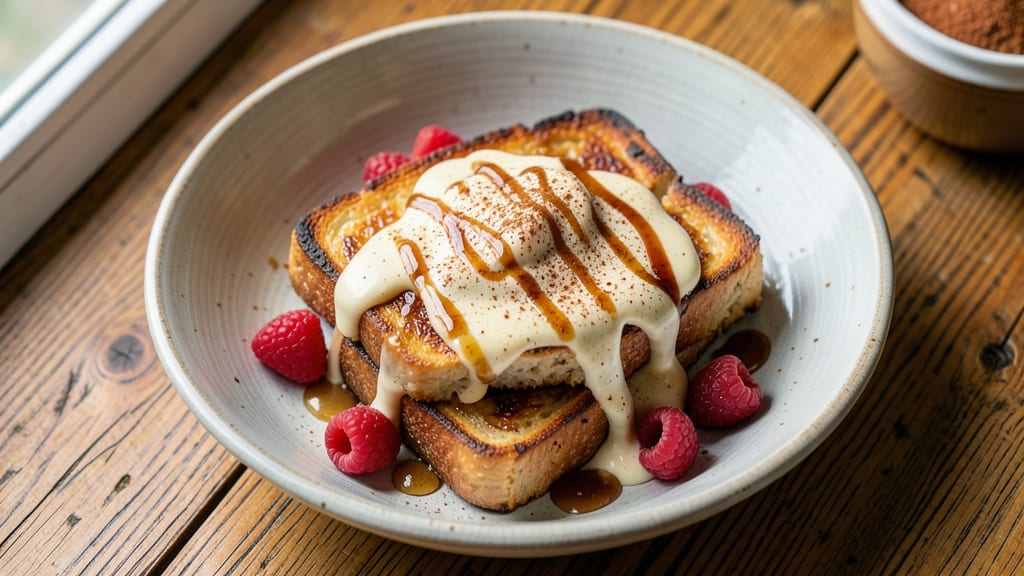
This artisan French toast recipe transforms stale bread into golden, crispy bites with a caramelized vanilla swirl that feels like a bakery masterpiece. The secret lies in using thick-cut artisan bread—its crusty exterior and airy interior create the perfect texture contrast when soaked in a spiced egg-milk batter.
I developed this method after experimenting with different bread types, and the results are worth the extra effort: every bite delivers a satisfying crunch followed by a custardy center.
The process is simpler than it sounds: slice the bread thickly, soak it in a vanilla-infused batter, and cook it slowly in butter until golden brown. The key to those signature swirls is adding vanilla extract directly to the batter, which caramelizes beautifully as it cooks.
This isn’t your average French toast—it’s a restaurant-quality dish that feels indulgent yet simple to make at home.
What you’ll end up with is a stack of crispy-edged, custardy French toast topped with powdered sugar and a drizzle of warm syrup. The vanilla swirls add a touch of elegance, while the crusty bread bites provide that satisfying texture in every bite.
It’s the kind of breakfast that makes weekend mornings feel special, without requiring any fancy equipment.
Serve this French toast with fresh berries, whipped cream, or a sprinkle of cinnamon for extra flavor. The recipe scales easily, so you can make enough for a crowd or save leftovers for a quick dessert. Let’s get started on creating your perfect morning masterpiece.
Ingredients for artisan bread french toast
Thick-cut artisan bread, rich milk, and vanilla swirls—this is your bakery-style morning masterpiece.
| Ingredient | Amount | Notes |
|---|---|---|
| Artisan Bread 🍞 | 1 loaf | Stale or day-old preferred |
| Large Eggs 🥚 | 4 whole | Room temperature for even cooking |
| Whole Milk 🥛 | 1 cup | Full-fat for creaminess |
| Pure Vanilla Extract 🌿 | 1 tbsp | High-quality for caramelization |
| Granulated Sugar 🍚 | ¼ cup | White or brown preferred |
| Ground Cinnamon 🌶️ | 1 tsp | Freshly ground preferred |
| Salt 🧂 | ¼ tsp | Kosher or sea salt |
| Unsalted Butter 🧈 | 4 tbsp | Cold for even browning |
| Powdered Sugar 🍚 | ¼ cup | For dusting |
| Maple Syrup 🍯 | ¼ cup | For drizzling |
| Fresh Berries 🍓 | 1 cup | Optional garnish |
| Heavy Whipping Cream 🥛 | ½ cup | Optional whipped topping |
The bread is everything here. Look for thick-cut artisan loaves at specialty bakeries or the bakery section of Whole Foods—those crusty, airy slices are perfect. If you're using stale bread, it soaks up batter better, but day-old works too. The key is the crust: it should be thick enough to hold its shape but still soft enough to get crispy. I usually grab Brioche or Sourdough from Trader Joe's—they're reliable and give that perfect texture contrast. Skip the pre-sliced white bread; the flavor just isn't worth it.
No vanilla extract? Vanilla bean paste works in a pinch, or even vanilla sugar at half the amount. The milk can be swapped for half-and-half or coconut milk if you're avoiding dairy, but full-fat milk gives that classic richness. If you don't have heavy cream for whipped topping, Greek yogurt or coconut whipped cream are great alternatives. The sugar is flexible too—brown sugar adds a subtle caramel note, while powdered sugar is perfect for dusting. For the berries, frozen works in a pinch, but fresh is always better if you're treating yourself to a fancy weekend breakfast.
This batter keeps for 2 days in the fridge, but the bread gets soggy if soaked too long. Make it fresh morning-of for best results. Leftover French toast reheats beautifully in a 250°F oven for 10 minutes—just cover with foil to keep it crispy. Store leftovers in an airtight container for 3 days. Pro tip: double the batter and freeze half for lazy mornings. Just thaw and cook like fresh.
Why You'll Love This Recipe
- No-Fuss Starter: I swear by this for lazy mornings—just tear the bread, dip it, and cook. No fancy slicing, no waiting for dough to rise.
- Crispy-Creamy Magic: That first bite? Crunchy exterior, custardy middle—all thanks to the milk-soaked artisan crust. The vanilla ties it together like a secret handshake.
- Breakfast or Brunch: Serve it for a quick weekday breakfast or stack it high for weekend brunch. Add berries and maple syrup, or keep it simple with powdered sugar—it works both ways.
- Leftovers? Even Better: The second round is always better because the bread absorbs extra custard. I make a big batch on Sundays and reheat slices all week—no waste, all flavor.
Step-by-step instructions for artisan French toast
Here's how to transform your crusty artisan bread into golden, caramelized bites with a velvety vanilla swirl.
Prepare the French Toast Batter
In a large bowl, whisk together the 4 whole Large Eggs, 1 cup Whole Milk, 1 tbsp Pure Vanilla Extract, 0.25 cup Granulated Sugar, 1 tsp Ground Cinnamon, and 0.25 tsp Salt until completely smooth. I like to use a fork first to break up the eggs, then switch to a whisk for about 1 minute—this ensures everything is well combined without creating too many bubbles. The batter should be thick but pourable, with no visible streaks of egg whites.
Let the batter sit at room temperature for 5 minutes while you prepare the bread. This resting time allows the flavors to meld slightly, giving you a more cohesive taste in each bite. If you're using stale artisan bread, you'll notice it absorbs the batter beautifully without falling apart—this is why stale bread works best for French toast.
Cut and Soak the Bread
Slice the 1 loaf Artisan Bread into ½-inch thick pieces. For even cooking, I recommend cutting each slice diagonally to create rectangular pieces that stay flat in the pan. Arrange the slices on a plate and pour the batter over them, letting it soak in for 1-2 minutes on each side. You'll see the bread transform from dry to plump as it absorbs the liquid—this is when you know it's ready to cook.
Don't rush this soaking step. If the bread isn't fully saturated, it'll cook unevenly and might stay dry in the center. I like to work in batches so I can give each piece full attention. The ideal slice should feel heavy with batter but not dripping—it should hold together when you pick it up.
Cook the French Toast to Golden Perfection
Heat a large skillet over medium heat and melt 2 tbsp Unsalted Butter (I use half the total amount at a time to avoid overcrowding). Once the butter is foaming but not smoking, add the bread slices in a single layer. Cook for 2-3 minutes per side until they develop a deep golden brown color with crispy edges. The key here is patience—rushing will give you pale, soggy toast instead of that perfect caramelized crust.
As each piece finishes, transfer it to a plate covered with a clean kitchen towel to keep it warm. I like to keep the cooked toast in a 200°F oven while I finish the rest—this maintains its warmth and prevents it from drying out. The towel also helps absorb any excess moisture, keeping the slices crispy on the outside.
Create the Vanilla Swirl and Assemble
In a small saucepan, combine 0.25 cup Maple Syrup and 0.25 cup Powdered Sugar over low heat. Bring to a gentle simmer and cook for 3-4 minutes until slightly thickened—this creates a glossy, caramel-like syrup perfect for drizzling. While this heats, whip the 0.5 cup Heavy Whipping Cream to soft peaks and set aside.
To assemble, place two French toast slices on each plate. Drizzle generously with the warm maple syrup mixture, then add a dollop of whipped cream. Top with 1 cup Fresh Berries for freshness and color. The contrast of warm, caramelized toast with cool whipped cream and juicy berries makes this dish truly special. Serve immediately while everything is at its best—this isn't a dish that waits!
Pro Tips For Making Artisan Bread French Toast
- USE STALE BREAD: Artisan bread dries out fast—this is actually better. Toss it in the freezer overnight, then thaw completely before slicing. The extra dryness soaks up the custard like a sponge, giving you that perfect crispy edge without soggy centers.
- WHISK EGGS VIGOROUSLY: Stop slapping those eggs around like you’re in a hurry. Beat them with the milk, vanilla, and sugar until the mixture is thick and glossy—about 2 full minutes. This coats the bread evenly and prevents that sad, uneven browning where the edges burn before the middle cooks.
- CUT SLICES THICKER THAN YOU THINK: Thin slices mean thin French toast. Aim for ½-inch thick cuts—yes, even if your bread is dense. Thicker slices hold their shape better, caramelize more evenly, and give you that satisfying bite. (I used to eyeball it and always regretted it.)
- COOK LOW AND SLOW: Crank the heat to medium-low, not medium-high. Artisan bread’s crust is tougher than your average loaf, and high heat will steam it instead of sear it. A gentle sizzle lets the custard set properly without a rubbery exterior—trust me, your first batch will be greasy if you skip this.
Essential equipment for perfect results
Skillet Essentials
Your choice of skillet makes all the difference for crispy, golden French toast. I swear by a 10-inch cast iron skillet like the Lodge Pre-Seasoned—its heavy weight distributes heat evenly, preventing hot spots that can burn your bread.
If you don’t have cast iron, a non-stick stainless steel skillet like All-Clad works beautifully too, especially for delicate artisan bread that might stick. Avoid thin, flimsy pans—they can’t maintain consistent heat, leading to uneven cooking. 🔥
Butter vs. Oil
For that signature caramelized flavor, unsalted butter is non-negotiable. I use European-style butter like Plugrá because it has a higher fat content (82-86%) and lower water content, which means it browns beautifully without steaming.
If you’re avoiding dairy, avocado oil or ghee are excellent substitutes—they both have high smoke points and add richness. Just avoid vegetable oils like canola or soybean, which can make the toast taste flat.
Batter Whisking Tools
A balloon whisk or French whisk is ideal for blending the batter smoothly, but a fork or rubber spatula works in a pinch. I’ve even used a hand mixer on low speed for lazy mornings—just be sure to scrape down the sides to avoid lumps.
The goal is a thick, velvety batter with no streaks of egg whites. Pro tip: If your batter seems too thin, let it sit for 5-10 minutes—the eggs will thicken slightly on their own. ✨
Heat Control Tools
An infrared thermometer like the Kizen is a game-changer for monitoring skillet temperature—aim for medium heat (around 325-350°F). Without one, watch the butter closely: it should foam but not smoke. If your stove runs hot, reduce the heat to medium-low and let the butter melt gradually.
For even more control, I sometimes use a stove thermometer to keep the heat steady, especially if I’m cooking a big batch. 🌡️
Serving Essentials
Don’t skip the kitchen towels—they’re essential for keeping cooked French toast warm and crispy while you finish the batch. For plating, a wooden serving board or slate platter elevates the presentation, but even a simple white ceramic plate works.
If you’re serving syrup on the side, use a small ramekin or squeeze bottle for easy drizzling. And for that final touch, a fine-mesh sieve helps dust powdered sugar evenly without clumping. 💫
Nutrition facts
Frequently asked questions
Can I use any type of artisan bread for this recipe?
Thick-cut, crusty artisan bread works best—think brioche, sourdough, or a rustic baguette. The crust should be firm enough to hold its shape but still soft enough to soak up batter. Avoid overly dense bread like whole grain or rye, as they won’t get crispy. For extra flavor, try a challah or ciabatta with a chewy interior.
Why does my French toast turn out soggy instead of crispy?
Soggy French toast usually means one of three things: over-soaking the bread, too-low heat, or not enough butter. Soak slices for only 1-2 minutes per side, cook over medium heat (not low), and use 2 tbsp butter per batch—this creates a crispy crust. Let cooked toast rest on a wire rack for 2 minutes before serving to keep it crisp.
How can I make this recipe ahead of time?
Prepare the batter 1 day ahead and store it in the fridge—it thickens slightly but works fine. For the bread, slice it 2 days ahead and keep it in an airtight container. Reheat slices in a 350°F oven for 5 minutes before soaking. For leftovers, reheat in a 200°F oven for 10 minutes to restore crispiness. Pro tip: Freeze cooked slices for 1 month—reheat in a skillet with butter for 1-2 minutes per side.
What’s the best way to add extra flavor to the batter?
Boost the batter with ½ tsp almond extract for nutty depth, 1 tsp bourbon or rum for warmth, or zest from 1 lemon for brightness. For chocolate lovers, whisk in 2 tbsp cocoa powder with the sugar. Swap cinnamon for cardamom or nutmeg for a spiced twist. Just remember: 1 tbsp vanilla extract is non-negotiable for those signature swirls!
Can I make this gluten-free or vegan?
For gluten-free, use a 1:1 gluten-free bread flour blend and ensure your bread is certified GF. For vegan French toast, replace eggs with ¼ cup aquafaba (chickpea brine) + 1 tbsp cornstarch, swap milk for almond or oat milk, and use vegan butter. The texture will be slightly denser but still delicious. For extra binding, add 1 tbsp flaxseed meal + 3 tbsp water to the batter.