
Side Dishes
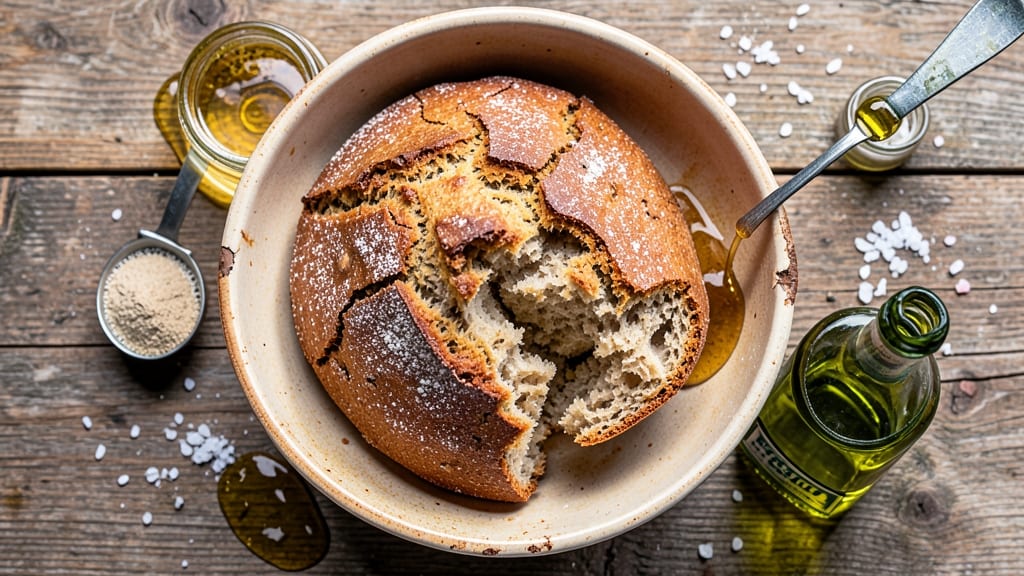
This artisan spelt bread recipe delivers a nutty crust and open-crumbed texture that rivals any bakery loaf. The secret lies in a precise blend of spelt flour, hydrated just enough to develop gluten without overworking the dough.
I’ve perfected this recipe after years of experimenting with ancient grains, and the results are worth the effort—each slice offers a satisfying crunch and a subtly sweet, earthy flavor.
The process begins with a simple dough that requires no-knead technique, making it accessible even for beginners. You’ll mix, rest, and shape the dough with minimal handling, allowing the natural fermentation to create that signature open crumb.
Optional additions like seeds or herbs can elevate the flavor further, but the base recipe stays true to spelt’s rustic charm.
By the time it emerges from the oven, your bread will have a golden-brown crust with deep cracks and a tender, airy interior. The nutty aroma fills the kitchen, signaling a loaf that’s both impressive and comforting. This bread pairs perfectly with soups, salads, or simply buttered and toasted.
Whether you’re baking for a crowd or treating yourself to homemade goodness, this recipe delivers restaurant-quality results with minimal fuss. Let’s get started on your first perfect loaf.
Ingredients for artisan spelt bread
Four cups of spelt flour and precise hydration create a rustic loaf with signature open crumb and nutty aroma.
| Ingredient | Amount | Notes |
|---|---|---|
| Spelt Flour 🌾 | 4 cups | Organic preferred for optimal flavor |
| Active Dry Yeast 🍞 | ¼ oz | Or 2 packets (1/4 oz each) |
| Warm Water 💧 | 1 ½ cups | 105-110°F for yeast activation |
| Extra-Virgin Olive Oil 🫒 | ¼ cup | High-quality for crust development |
| Sea Salt 🧂 | 1 ½ tsp | Diamond Crystal preferred |
| Honey 🍯 | 1 tbsp | For subtle sweetness and crust color |
| Sesame Seeds 🌰 | 1 tbsp | Optional for decorative crust |
| Sunflower Seeds 🌻 | 1 tbsp | Optional for added texture |
| Cornmeal 🌽 | ¼ cup | For dusting baking surface |
| Ice Water ❄️ | ¼ cup | For dough shaping and tension |
Spelt flour is the heart of this recipe, and King Arthur or Bob's Red Mill brands deliver the most consistent results. Look for organic varieties—they retain more of the grain's natural sweetness and earthy notes. Yeast quality matters too; Saf-Instant or Red Star brands activate reliably. The warm water should be between 105-110°F to prevent killing the yeast while ensuring proper activation. For the olive oil, California-based brands like Corto or Colavita provide that fruity depth that translates beautifully into the crust. The honey should be raw and unfiltered—Manuka or clover varieties work best for their subtle floral undertones.
No spelt flour? Whole wheat pastry flour can substitute at a 1:1 ratio, though texture will differ slightly. Running short on sesame seeds? Poppy seeds or flaxseeds offer similar crunch. The cornmeal can be swapped for semolina flour if preferred. For those avoiding honey, maple syrup or agave nectar work equally well for sweetness and crust color. The ice water is crucial for creating surface tension in the dough—don't skip it. If you're concerned about gluten development, let the dough rest an extra 15 minutes before shaping. The seeds can be omitted entirely if you prefer a cleaner look, though they add beautiful contrast to the crust.
This dough ferments best at room temperature for 2-3 hours, though it can go up to 4 hours for deeper flavor. Store any unused dough in an airtight container in the fridge for up to 3 days, allowing it to come to room temperature before baking. The baked loaf keeps well wrapped at room temperature for 3 days or frozen for 3 months. For reheating, wrap slices in foil and warm in a 350°F oven for 5 minutes. The crust develops best when baked immediately, but you can shape the dough ahead and refrigerate overnight for a more pronounced flavor.
Why You'll Love This Recipe
- Four-Ingredient Magic: I swear by this combo—spelt flour, yeast, olive oil, and salt. That’s it. No fancy mixers or obscure ingredients cluttering my pantry. The dough comes together in minutes, and honestly? It’s the kind of recipe that makes me feel like I’ve earned my bread without the fuss.
- Nutty, Earthy Crust: Between us, this isn’t your basic bland loaf. The spelt flour gives it a subtle, toasty depth that pairs perfectly with the rich olive oil crust. Toast a slice, slather it with butter, and you’ve got a flavor punch that’ll make store-bought bread feel like a sad afterthought.
- Weeknight Meal Upgrade: I keep a batch in the fridge for lazy mornings—just pop it in the toaster and you’ve got breakfast. Or tear it into chunks for soup, rub it with garlic for bruschetta, or use it to soak up sauces like a pro. It’s the unsung hero that turns simple meals into something special.
- Budget-Friendly Staple: Spelt flour might sound fancy, but it’s cheaper than most specialty bread mixes, and a little goes a long way. Plus, this recipe makes two loaves, so I’m always covered for leftovers—no sad, dried-out bread here. Freeze half, and you’ve got fresh bread on demand without the store price tag.
Step-by-step instructions for artisan spelt bread
A methodical approach yields a rustic loaf with signature nutty crust and open crumb structure.
Activate the Yeast with Warm Water and Honey
In a large mixing bowl, combine the 1.5 cups warm water (between 105-110°F) with the 1 tbsp honey and 0.25 oz active dry yeast. Let this mixture sit for 5-10 minutes until it becomes frothy and bubbles vigorously at the surface. This activation process ensures your yeast is alive and ready to work.
I check for activation by looking for visible bubbles and a slight rise in the liquid. If no activity occurs after 10 minutes, your yeast may be dead—start fresh with a new packet. The honey not only feeds the yeast but also contributes subtle sweetness that enhances the spelt's natural nuttiness.
Mix the Dough with Spelt Flour and Olive Oil
To the yeast mixture, add the 4 cups spelt flour and 1.5 tsp sea salt all at once. Using a wooden spoon or dough whisk, stir vigorously until a shaggy mass forms. Then add the 0.25 cup extra-virgin olive oil and continue mixing until the dough begins to come together.
At this stage, the dough will be sticky and wet—this is normal with spelt flour. I like to use my hands to work the dough for 5-7 minutes, developing the gluten while keeping the dough moist. The olive oil creates a tender crumb and contributes to that signature crust development. When the dough pulls away from the sides of the bowl and forms a smooth, elastic ball, it's ready for the next step.
Knead and Autolyse for Optimal Texture
Turn the dough onto a lightly floured surface and knead for 8-10 minutes until smooth and elastic. Spelt dough requires more gentle handling than wheat dough—avoid overworking it, which can make the bread dense. The goal is to develop enough gluten for structure while preserving the bread's natural open crumb.
After kneading, place the dough in a lightly oiled bowl, cover with a damp towel, and let it rest (autolyse) for 1 hour. This resting period allows the gluten to relax and the flour to fully hydrate, resulting in a more extensible dough that's easier to shape later. I find this step particularly important for spelt bread, which can be more fragile than wheat-based doughs.
Bulk Fermentation and First Fold
After the autolyse, perform the first fold: wet your hands with water, grab one side of the dough, stretch it upward, and fold it over itself. Rotate the bowl and repeat this process on all four sides. This technique strengthens the gluten structure without adding more kneading time.
Cover the bowl and let the dough ferment at room temperature for 3-4 hours until it has roughly doubled in size. You'll know it's ready when the dough feels light and airy, and gentle poking leaves a slow, deliberate indentation. The longer fermentation time enhances the bread's flavor complexity and contributes to that open crumb structure we're aiming for. I typically perform two more sets of folds at 1-hour intervals during this bulk fermentation to further develop the gluten.
Shape and Final Proof
Turn the dough onto a lightly floured surface and gently shape it into a round boule. To do this, use your hands to create surface tension by pulling the dough toward you in a circular motion. The dough should feel slightly tacky but hold its shape when lifted. Place it seam-side up on a baking sheet dusted with 0.25 cup cornmeal.
Cover the shaped dough and let it proof at room temperature for 1-2 hours until it has visibly risen by about 50%. The final proof is crucial for achieving that open crumb structure. When ready, the dough should spring back slowly when gently pressed. Just before baking, sprinkle the 1 tbsp sesame seeds and 1 tbsp sunflower seeds on top for added texture and visual appeal.
Bake for Crisp Crust and Open Crumb
Preheat your oven to 450°F with a Dutch oven inside for 45 minutes. This high heat creates steam that's essential for developing that signature open crumb. Carefully transfer the dough (still on the cornmeal-dusted sheet) into the hot Dutch oven, cover with the lid, and bake for 30 minutes.
After 30 minutes, remove the lid and continue baking for another 15-20 minutes until the crust is deep golden brown and sounds hollow when tapped on the bottom. The internal temperature should reach 205-210°F. For the best results, I like to bake the bread on the middle rack where heat is most even. Let the bread cool on a wire rack for at least 1 hour before slicing—this allows the crumb to set properly and prevents a gummy texture.
Pro Tips For Making Artisan Spelt Bread
- Autolyse First: Mix just the spelt flour and warm water (no yeast or salt) and let it sit for 30 minutes before adding anything else. This relaxes the gluten, making the dough easier to handle—and your bread less dense. I learned this the hard way after kneading spelt dough like it was wheat; it’s tougher, so give it a break first.
- Use Olive Oil Wisely: Add the extra-virgin olive oil after the autolyse, not at the start. A little goes a long way—about 1 tablespoon per 500g flour—so save the rest for scoring or finishing. Too much oil makes the dough sticky and gummy, and your bread will feel heavy instead of light.
- Don’t Overproof the Dough: Spelt dough rises faster than wheat, so check for doneness by doing the "poke test" early: press a finger gently into the dough. If it springs back slowly (not immediately), it’s ready. Overproofing leads to a collapsed loaf, and no one wants sad bread. I’ve ruined batches by waiting too long—trust your instincts.
- Score Deeply, Not Lightly: Use a sharp lame or razor to slash the dough just before baking, cutting about ½ inch deep. Spelt crusts are thicker than wheat, so a shallow score won’t release enough steam for that dramatic oven spring. A deep cut also looks better—because let’s be honest, presentation matters.
Flavor customization for artisan spelt bread
Sweet & Nutty Twist
Enhance the flavor profile by adding 1 tbsp cinnamon and ½ cup chopped walnuts to the dough during the final mix. The cinnamon deepens the bread's natural sweetness, while walnuts add a satisfying crunch and earthy depth.
I find this works especially well when paired with morning coffee or apple butter. 🍂
Herb-Infused Variations
For a savory profile, incorporate 1 tbsp fresh rosemary or thyme leaves into the dough. These herbs complement spelt’s nutty notes beautifully and add an aromatic complexity. I like to finely chop the herbs and mix them in during the autolyse stage for even distribution.
Fresh herbs also pair wonderfully with roasted vegetables or charcuterie boards.
Seed & Grain Boost
Elevate texture and nutrition by mixing in ¼ cup pumpkin seeds and ¼ cup flaxseeds along with the sesame and sunflower seeds. These seeds add a satisfying crunch and extra protein. For a rustic look, sprinkle them on top before baking.
I’ve found this variation holds up exceptionally well when toasted, making it perfect for sandwiches or as a side to hearty soups.
Whole Grain Fusion
Blend 1 cup whole wheat flour into the spelt flour for a heartier loaf. This combination creates a denser crumb with a deeper flavor. I recommend using King Arthur whole wheat flour for the best texture.
The added fiber makes this version particularly satisfying for breakfast or as a side with rich stews. The dough will be slightly stickier, so dust your work surface generously with cornmeal.
Spiced & Smoky Option
Add ½ tsp smoked paprika and ¼ tsp cayenne pepper to the dough for a subtle smoky kick. This variation works beautifully when served with grilled meats or spicy dips.
For extra depth, brush the baked loaf with a mixture of 2 tbsp melted butter and 1 tsp honey after baking. The smoky notes complement the spelt’s natural nuttiness perfectly. 🔥
Gluten-Free Adaptation
For a gluten-free version, replace 1 cup of spelt flour with 1 cup gluten-free all-purpose flour blend**> (like Bob’s Red Mill 1:1). Add 1 tsp xanthan gum to improve elasticity.
Note that the texture will differ slightly—expect a denser crumb. This adaptation still delivers the nutty flavor but requires extra attention during shaping to maintain structure. 🌱
Nutrition facts
Frequently asked questions
Why does spelt bread have a different texture than regular wheat bread?
Spelt contains less gluten than modern wheat varieties, creating a more delicate crumb structure. The lower gluten content means spelt dough requires gentler handling and longer fermentation to develop its signature open crumb and nutty flavor. This is why the recipe uses an autolyse step and minimal kneading—it preserves the bread's natural airiness while still providing structure.
Can I make this bread without a Dutch oven?
Yes, but you'll need to create steam another way. Place a baking sheet on the lower oven rack with 1 cup hot water before baking. The steam helps create that open crumb, though results may be slightly less dramatic. For best results, bake on the middle rack at 450°F for 40-45 minutes, covering loosely with foil if the crust browns too quickly.
How do I know when the dough is properly proofed?
Gently press your finger into the dough—it should spring back slowly (not immediately) and leave a slight indentation. For the final proof, the dough should rise about 50% of its original size. A good test is the "poke test": if the indentation stays for 10-15 seconds before slowly springing back, it's ready to bake. The dough should also feel light and airy when picked up.
What's the best way to store leftover spelt bread?
Wrap cooled bread tightly in plastic wrap or place in an airtight container to preserve freshness. It stays good at room temperature for 3 days, or freeze for up to 3 months. For reheating, wrap slices in foil and warm at 350°F for 5-7 minutes. To prevent staleness, avoid storing in the fridge—this accelerates drying.
Can I substitute whole wheat flour for spelt flour?
Yes, but expect a denser texture and slightly different flavor. Use a 1:1 ratio of whole wheat pastry flour, but add 1 extra tablespoon of water per cup of flour since whole wheat absorbs more moisture. The bread will be heartier but lose some of spelt's delicate crumb structure. For best results, use King Arthur whole wheat flour which has better gluten development.