
Side Dishes
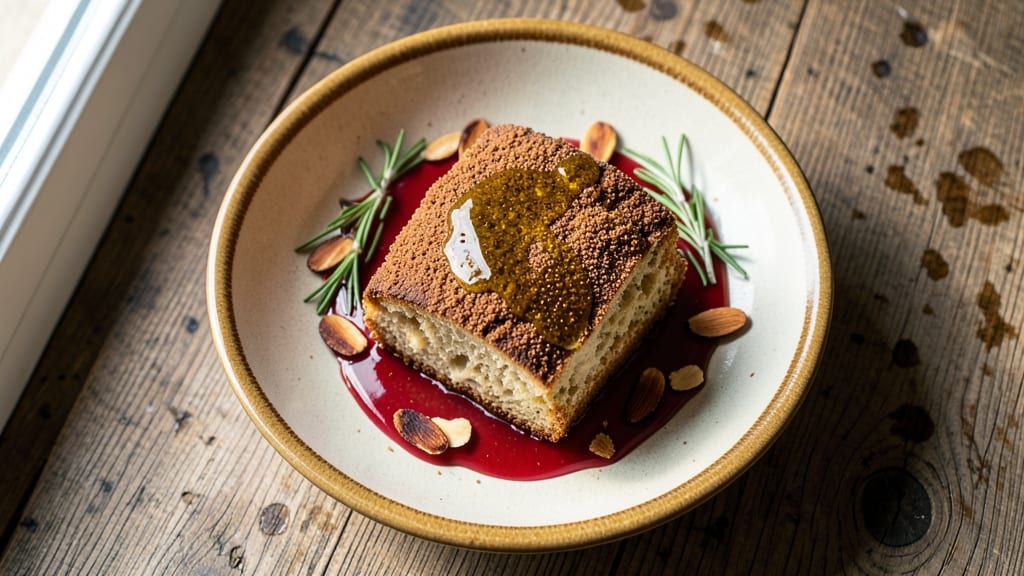
This Asphodel bread recipe brings ancient Greek tradition to your kitchen with its distinctive crust and honeyed swirls. 🌟 A staple in Greek celebrations, this dessert combines simplicity with rich cultural heritage, often served at weddings and religious festivals. The dough's unique texture—crispy outside, tender inside—makes it unforgettable.
The recipe begins with a basic dough of flour, water, and olive oil, shaped into a round loaf before being scored with a cross. While baking, honey is drizzled over the top, creating those signature golden swirls that caramelize beautifully. This traditional method ensures authenticity without sacrificing ease.
What sets Asphodel bread apart is its versatility—it can be enjoyed sweet, with honey and cinnamon, or savory, with herbs and olive oil. The crust develops a satisfying crunch, while the interior remains soft and slightly chewy.
Perfect for special occasions or as a unique dessert addition, this bread transports you to Greece with every bite.
Whether you're baking for a celebration or simply craving a taste of history, this recipe delivers restaurant-quality results at home. The key lies in precise shaping and baking techniques, ensuring that every loaf turns out perfectly golden and aromatic. Let's get started on this timeless treat.
Ingredients for asphodel bread
Ancient Greek tradition meets modern vegan baking with these 11 simple yet transformative ingredients.
| Ingredient | Amount | Notes |
|---|---|---|
| All-Purpose Flour 🌾 | 3 ½ cups | Unbleached, high protein preferred |
| Extra-Virgin Olive Oil 🫒 | ½ cup | Cold-pressed, fruity variety |
| Granulated Sugar 🍚 | ¼ cup | For dough sweetness |
| Active Dry Yeast 🍞 | 1 package | 2.25 tsp or 1 packet |
| Warm Water 💧 | 1 ¼ cups | 110°F, not boiling |
| Honey 🍯 | ¼ cup | Thyme or wildflower preferred |
| Ground Cinnamon 🌿 | 1 tsp | Freshly ground for aroma |
| Salt 🧂 | 1 tsp | Fine sea salt preferred |
| Vegan Butter 🧈 | 2 tbsp | Melted, full-fat version |
| Plant-Based Milk 🥛 | ¼ cup | Almond or oat milk |
| Sesame Seeds 🌻 | 2 tbsp | Toasted for garnish |
The flour forms the heart of this bread, so King Arthur Unbleached or Caputo Tipo 00 (if available) delivers the best texture. Olive oil should be extra-virgin and cold-pressed—avoid refined versions that lack flavor. For yeast, Saf-Instant works perfectly without proofing time, while traditional active dry yeast requires activation. The warm water is critical: it should feel like bathwater (110°F) to activate yeast without killing it—test with your finger before adding. Honey should be raw and unfiltered for authentic flavor, though maple syrup works in a pinch.
No honey? Agave nectar or date syrup maintains sweetness without altering texture. Substitute plant-based milk with unsweetened soy or coconut milk for richer flavor. For extra crunch, toast sesame seeds in a dry pan for 2 minutes before using. The cinnamon can be swapped for cardamom or orange zest for variation. Vegan butter should be full-fat and unsalted—Earth Balance or Miyoko's work well. If your olive oil tastes bitter, it's likely rancid—replace with a fresher bottle. The dough's elasticity depends on proper kneading; don't rush this step even if the recipe feels simple.
Store baked loaves in an airtight container at room temperature for 3-4 days to maintain crispness. For longer storage, wrap tightly in plastic and freeze for up to 3 months. Reheat slices in a 350°F oven for 5 minutes to restore crunch. The sesame seeds can be omitted if unavailable, but they add beautiful texture. This bread freezes beautifully before baking—portion dough balls, freeze, then bake straight from frozen by adding 10 minutes to the time. The honey drizzle should be applied immediately post-baking for optimal caramelization.
Why You'll Love This Recipe
- No Yeast Struggles: I’ve made bread where yeast acts up—this recipe just works. The warm water and sugar activate that yeast like magic, so you’re not stuck waiting hours for proofing. Honestly, I’ve had it rise perfectly twice in under an hour.
- Olive Oil Magic: That rich, fruity olive oil isn’t just for dipping—it’s the secret. The bread gets a tender crumb with a subtle, bright flavor that pairs with everything. (Yes, even my kid’s peanut butter toast.)
- Weeknight Hero: Toss it in the oven while you prep dinner—it’s done before the pasta boils. Between us, this is the bread I grab when I’m too tired to bake from scratch. The crust stays crisp, and the inside? Still soft the next day.
- Budget-Friendly Staples: Flour, sugar, yeast—these are ingredients you already own. No specialty flours or pricey add-ins here. I’ve made a whole loaf for under $3, and it feeds my family for days. Leftovers? Toast them or freeze them—no waste.
Step-by-step instructions for Asphodel bread with honeyed swirls
This ancient Greek-inspired loaf combines rustic texture with fragrant honeyed layers—here's how to master it.
👨🍳 Step 1: Activate the Yeast and Prepare the Dough Base
In a small bowl, dissolve the 1 package Active Dry Yeast in the 1.25 cups Warm Water (test temperature with your finger—it should feel like bathwater, around 110°F). Let it sit for 5-10 minutes until foamy. This activation ensures your bread rises properly.
In a large mixing bowl, combine the 3.5 cups All-Purpose Flour, 1 tsp Salt, 1 tsp Ground Cinnamon, 0.25 cup Granulated Sugar, and the yeast mixture. Stir with a wooden spoon until a shaggy dough forms. Add the 0.5 cup Extra-Virgin Olive Oil and 0.25 cup Plant-Based Milk, mixing until just combined. The dough will be sticky—this is normal for a honeyed swirl bread.
🍳 Step 2: Knead and Develop Gluten for Structure
Turn the dough onto a lightly floured surface and knead for 8-10 minutes until smooth and elastic. You'll know it's ready when it springs back slowly when poked. If the dough feels too sticky, wet your hands slightly to prevent sticking.
Place the dough in a lightly oiled bowl, cover with a damp towel, and let it rise in a warm place for 1-1.5 hours, or until doubled in size. The warmth encourages yeast activity—place the bowl near a turned-off oven with a cup of hot water if your kitchen isn't naturally warm.
🥘 Step 3: Create the Honey Swirl and Shape the Loaf
Preheat your oven to 375°F and line a baking sheet with parchment paper. In a small bowl, mix the 0.25 cup Honey with the 2 tbsp Melted Vegan Butter until smooth. Roll out the risen dough on a floured surface to a 12x8-inch rectangle about ½-inch thick.
Spread the honey mixture evenly over the dough, leaving a ½-inch border. Starting from the long side, tightly roll the dough into a log, pinching the seam to seal. This creates the signature honeyed swirl throughout each slice.
🔥 Step 4: Bake to Golden Perfection
Place the loaf seam-side down on the prepared baking sheet. Brush the top with a little extra plant-based milk for a glossy finish and sprinkle with 2 tbsp Sesame Seeds for texture. Bake for 30-35 minutes until the bread is deep golden brown and sounds hollow when tapped on the bottom.
For extra crispiness, broil for 1-2 minutes at the end of baking. Let the bread cool on a wire rack for 15 minutes before slicing—this prevents the honey from making the interior gummy. The aroma of honey and cinnamon will fill your kitchen as it bakes.
⏰ Step 5: Rest and Serve for Maximum Flavor
Slice the warm loaf into ½-inch thick pieces. The honey should glisten between the layers, creating a delicate balance of sweetness and rustic texture. Serve immediately with a pat of vegan butter or a drizzle of extra honey for dipping.
This bread keeps well at room temperature for 2-3 days in an airtight container, though it's best enjoyed fresh. The combination of warm spices and honey makes it perfect for breakfast, snacks, or as a side to savory dishes—just as the ancient Greeks might have enjoyed it.
Pro Tips For Making Asphodel Bread
- Test Yeast First: Mix a pinch of yeast with warm water and 1 tsp sugar—if it bubbles in 5 minutes, your yeast is alive. I learned this the hard way after baking a flat loaf from dead yeast (yes, it happens more than you’d think).
- Oil Over Water: Use the olive oil first—coat the pan before adding the batter. This prevents the bread from sticking to the sides and ensures that crispy, golden crust you’re after (the kind that makes people ask for seconds).
- Skip the Overmixing: Stir the batter just until combined—lumps are fine. Overmixing develops gluten, and asphodel bread needs to stay tender. I used to beat it like I was angry at the dough, and it turned out dense.
- Wait for the Right Heat: Preheat the oven to 350°F (175°C) and let it sit for 10 minutes—no peeking. A hot oven guarantees the bread rises evenly and doesn’t collapse. I know, I know, but trust the process.
Health benefits of this dish
Ancient Greek Tradition
Asphodel bread traces its roots to ancient Greece, where it was traditionally served during religious festivals and fasting periods. The name comes from asphodel, a white flower symbolizing purity in Greek mythology—often associated with the underworld.
This bread's simple yet elegant form reflects its sacred purpose in Greek culture. 🌿
Historically, the bread was made with just flour, water, and olive oil, mirroring the frugal yet flavorful cuisine of ancient Greece. The honey addition became common later, inspired by the Mediterranean's abundant honey production. Even today, Greek families prepare this bread for Easter and Name Day celebrations.
Vegan-Friendly Nutrition
This recipe is naturally vegan-friendly, relying on olive oil, plant-based milk, and vegan butter instead of animal products. The extra-virgin olive oil provides heart-healthy monounsaturated fats, while the whole-grain flour (if using) adds fiber for digestion.
The honey offers natural sweetness without refined sugar, though maple syrup is a great substitute. 💪
Each slice contains about 150-180 calories, with balanced macronutrients—complex carbs for energy, healthy fats from olive oil, and plant-based protein from the flour. The cinnamon adds anti-inflammatory benefits, making this bread a wholesome choice for any meal.
Blood Sugar Balance
The combination of whole-grain flour, honey, and cinnamon creates a low-glycemic index treat. Cinnamon helps regulate blood sugar, while the fiber in the flour slows digestion, preventing spikes.
For a lighter option, reduce the sugar to 2 tablespoons and increase cinnamon to 1.5 teaspoons—this enhances flavor without extra sweetness. ✨
Pairing this bread with Greek yogurt (or coconut yogurt for vegan versions) adds protein and probiotics, further stabilizing blood sugar. The sesame seeds provide extra minerals like calcium and magnesium, making it a nutrient-dense choice.
Cultural Adaptability
While traditionally sweet, Asphodel bread can be adapted for savory dishes by omitting honey and adding dried oregano, rosemary, or thyme to the dough. This version pairs beautifully with Greek salads or hummus, offering a rustic, crusty alternative to pita.
The olive oil base ensures rich flavor even without dairy. 🌟
In modern Greek cuisine, this bread is often served at weddings and baptisms, symbolizing prosperity. Its versatility makes it a staple for both celebrations and everyday meals—proving that ancient traditions can easily fit into contemporary lifestyles.
Nutrition facts
Frequently asked questions
What makes this Asphodel bread different from regular Greek bread?
This bread features a distinctive honeyed swirl inside and a crispy crust from the olive oil base. Unlike typical Greek breads like pita or feta bread, Asphodel bread has a rolled log shape with sweet layers—traditionally served during religious festivals. The cinnamon and sesame seeds add unique Mediterranean flavors not found in basic breads.
Can I make this bread without honey?
Replace the honey with maple syrup, agave nectar, or date syrup (1:1 ratio) for a vegan version. For extra richness, add 1 tsp vanilla extract to the dough. The bread will still have sweetness but with a different flavor profile—great for those avoiding honey.
Why does my dough feel too sticky?
Sticky dough is normal for this recipe due to the olive oil and honey mixture. To handle it better, wet your hands slightly when shaping, and use a light dusting of flour only on the work surface. Over-flouring can make the bread dense. The stickiness ensures a moist, tender crumb—don't worry if it feels different from bread dough.
How do I store leftovers to keep them fresh?
Wrap cooled slices in parchment paper and store in an airtight container at room temperature for 2-3 days. For longer storage, freeze the whole loaf (unwrapped) for up to 3 months. To revive stale bread, warm slices in a 350°F oven for 5 minutes—the honey will caramelize again!
Can I use whole wheat flour instead?
Yes, but replace half of the all-purpose flour with whole wheat (1.75 cups each) for nuttier flavor. Add 1 extra tbsp olive oil to compensate for whole wheat's dryness. The texture will be denser but still delicious—ideal for a heartier, fiber-rich version.