
Side Dishes
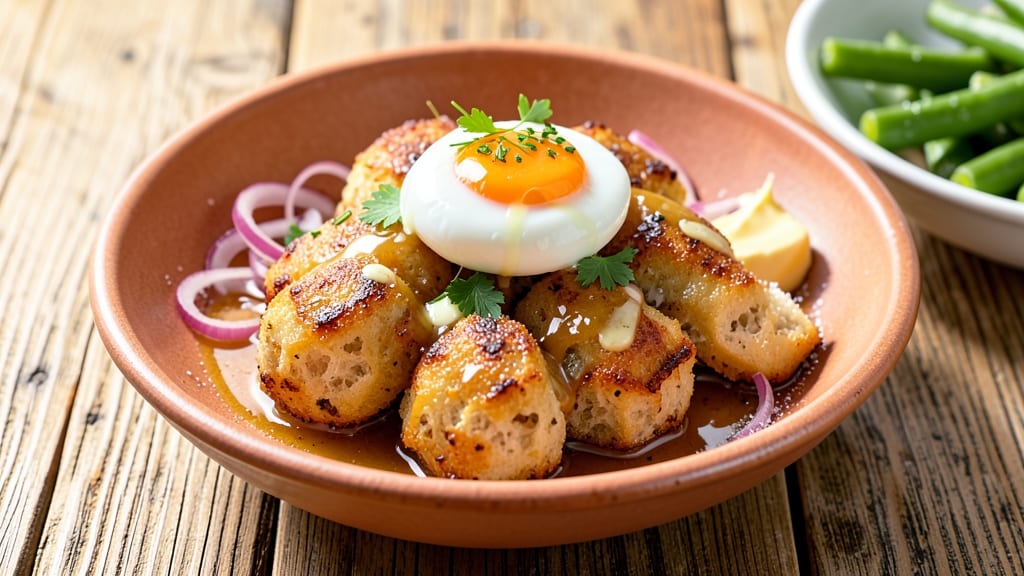
This Austrian bread dumplings recipe transforms stale bread into pillowy clouds that melt in your mouth and soak up every last drop of gravy. 💛 The secret lies in blending day-old bread with broth, onions, and sometimes meat, then shaping them into perfect, tender dumplings that are a staple in Austrian cuisine.
What makes these dumplings truly special is their ability to absorb flavors without becoming soggy—each bite delivers a harmonious balance of soft, bread-like texture and rich, savory filling.
The process begins with carefully preparing the bread mixture, ensuring it’s neither too dry nor too wet, which is crucial for achieving that signature light, airy texture. Once shaped into smooth, rounded dumplings, they’re gently boiled until they float to the surface—a foolproof sign they’re ready.
The final touch? A quick pan-fry in butter for a golden, crisp exterior that contrasts beautifully with the tender interior. This technique ensures your dumplings are restaurant-quality, even at home.
Serve these dumplings alongside roasted pork, gravy, or a hearty vegetable stew for a meal that feels like a cozy Austrian tavern. The dumplings will disappear faster than you can say Semmelknödel, leaving everyone asking for seconds.
Whether you're hosting a dinner party or simply craving a comforting classic, this recipe delivers authentic, satisfying results with minimal effort.
Perfect for feeding a crowd or meal prepping ahead, these dumplings reheat beautifully while maintaining their tender, fluffy texture. The key to success is patience—letting the bread absorb the broth fully and shaping the dumplings carefully.
Once mastered, you’ll have a dish that’s as impressive as it is delicious, proving that simple ingredients can create extraordinary flavors.
Ingredients for austrian bread dumplings
Pantry staples meet Austrian tradition—these ingredients transform humble bread into melt-in-your-mouth dumplings.
| Ingredient | Amount | Notes |
|---|---|---|
| Day-Old Bread 🍞 | 4 cups | Stale, crusts removed, torn into chunks |
| Chicken or Vegetable Broth 🥫 | 1 ½ cups | Low-sodium preferred for flavor control |
| Yellow Onion 🧅 | 1 whole | Medium size, finely chopped |
| Unsalted Butter 🧈 | 4 tbsp | Cold, cubed for pan-frying |
| Large Eggs 🥚 | 2 whole | Room temperature for smooth binding |
| Granulated Sugar 🍚 | 1 tbsp | Balances flavors in the dough |
| Salt 🧂 | 1 ½ tsp | Diamond Crystal preferred for texture |
| Ground Black Pepper 🌶️ | ½ tsp | Freshly ground for aroma |
| Fresh Parsley 🌿 | ¼ cup | Finely chopped, for garnish |
| Ground Nutmeg 🌿 | ¼ tsp | Freshly grated for warmth |
| All-Purpose Flour 🌾 | ½ cup | For dusting work surface |
| Vegetable Oil 🫒 | 2 tbsp | For greasing dumpling mold |
The bread is non-negotiable—day-old works best (stale is key for texture). Sourdough or crusty bread gives extra flavor, but plain white bread is fine too. For broth, homemade chicken or vegetable stock elevates the dish, but low-sodium store-bought works in a pinch. The onions should be finely chopped—almost paste-like—so they blend seamlessly. I grab my butter from Trader Joe's when it's on sale, but any good-quality unsalted butter will do. The egg binding is crucial—room temperature eggs mix in better than cold ones, so take them out 30 minutes before starting.
No chicken broth? Vegetable broth plus 1 tsp chicken bouillon gets you close. Short on parsley? Fresh dill or chives work too, but parsley's classic. The nutmeg is optional but adds that authentic Austrian touch—pre-ground is fine, but freshly grated has more punch. For the flour, King Arthur or Gold Medal brands are my go-tos. If you're making these ahead, the dough keeps 2 days in the fridge, covered tightly. The butter should be cold and cubed for pan-frying—don't melt it first, or you'll lose that golden crust.
Shape the dumplings right before boiling—they don't reheat well once cooked. For storage, keep cooked dumplings in an airtight container with a paper towel** to absorb moisture. They reheat beautifully in the oven at 350°F for 15 minutes, covered with foil. The pan-fried ones? Best eaten fresh, but you can reheat them too—just add a splash of water and cover. These dumplings freeze surprisingly well—3 months if you wrap them individually in plastic wrap before freezing.
Why You'll Love This Recipe
- No Waste, All Flavor: I swear by using day-old bread—no crusts, no fuss. Tear it up, soak it in broth, and suddenly you’ve turned yesterday’s sandwich into today’s star. That golden butter and egg binding? Pure magic without the effort.
- One-Pot Magic: Honestly, this is my lazy-day hero. Simmer the onions in broth, mix in the bread, and let it thicken—no flipping, no rolling, no stress. The dumplings form right in the pot, and cleanup? One spoon, done.
- Crowd-Pleaser Always: Between us, these disappear at gatherings. Serve them with gravy for a Sunday supper, or toss them into a stew for hearty weeknight meals. Even my picky teenage nephew asks for seconds—(yes, even on a Tuesday night).
- Budget Stretch: I make a double batch and freeze half. A few minutes in the microwave later, and I’ve got a cheap, filling side for another night. That onion-butter aroma? Makes everything feel like a celebration, no matter the occasion.
Step-by-step instructions for Austrian bread dumplings
Transform stale bread into these fluffy, melt-in-your-mouth dumplings that'll make any sauce taste extraordinary.
👨🍳 Step 1: Soak the Bread in Flavorful Broth
Tear the 4 cups day-old bread into 1-inch chunks and place them in a large mixing bowl. Pour over the 1.5 cups chicken or vegetable broth and let it soak for 10 minutes. You'll see the bread begin to soften and absorb the liquid—this is where all the magic starts.
While the bread soaks, finely chop the 1 whole yellow onion and set it aside. The broth should be warm but not hot—just enough to revive the bread without cooking it. If your bread isn't completely saturated after 10 minutes, gently press it down with a spoon to distribute the liquid evenly. This ensures every bite will be tender and flavorful.
🍳 Step 2: Cook the Onion and Prepare the Binding Mixture
In a medium skillet, melt 2 tablespoons of the unsalted butter over medium heat. Add the chopped onion and cook for 5-6 minutes until soft and translucent, stirring occasionally. You want the onion to caramelize just slightly—this adds depth to the dumplings.
In a separate bowl, whisk together the 2 whole large eggs, 1 tablespoon granulated sugar, 1.5 teaspoons salt, 0.5 teaspoon ground black pepper, and 0.25 teaspoon ground nutmeg. The sugar and nutmeg might seem unusual, but they balance the savory flavors and add warmth. This mixture will bind everything together into a cohesive dough.
🥘 Step 3: Combine and Knead the Dumpling Dough
Drain any excess broth from the soaked bread (you want it damp but not soggy) and transfer it to the bowl with the egg mixture. Add the cooked onion and mix gently with a wooden spoon until everything is combined. The texture should be shaggy but hold together when pressed.
Sprinkle the 0.5 cup all-purpose flour over the mixture and knead gently with your hands for 2-3 minutes until the dough comes together. It should be soft and slightly sticky—like playdough but more moist. If it feels too dry, add 1 teaspoon broth at a time until it reaches the right consistency. This kneading step ensures the dumplings will be light and airy rather than dense.
🔥 Step 4: Shape and Cook the Dumplings
Grease a large pot with 2 tablespoons vegetable oil and heat it over medium heat. Using a 2-tablespoon scoop, portion out the dough and gently shape each piece into a ball. You should get about 8-10 dumplings depending on size. The key here is to handle them gently—overworking the dough will make them tough.
Carefully lower the dumplings into the pot, leaving about 1 inch between each one. Cover the pot with a lid and reduce heat to low-medium. Let them steam for 15-20 minutes until they're golden brown on the bottom and puffed up. You'll know they're ready when the bottoms are crispy and the tops are slightly domed. Avoid peeking—the steam is what creates those pillowy clouds!
🍽️ Step 5: Serve with Sauce and Garnish
Transfer the dumplings to a serving platter and let them sit for 2-3 minutes before serving. This resting time allows any excess steam to escape, preventing them from getting soggy. The dumplings should be light as air inside with a crispy exterior—each bite should feel like a cloud melting in your mouth.
Garnish with the 0.25 cup finely chopped fresh parsley and serve immediately with your favorite sauce—whether it's rich gravy, creamy mushroom sauce, or tangy cranberry reduction. These dumplings are at their best when served fresh, so don't let them sit too long. The parsley adds a bright contrast to the warm, savory flavors and makes the dish look restaurant-worthy.
Pro Tips For Making Austrian Bread Dumplings
- SOAK BREAD IN BROTH COLD: Use room-temperature broth straight from the fridge—it absorbs faster and keeps the dumplings from turning gummy. I learned this the hard way after making mushy dumplings with warm broth that just sat there.
- CHOP ONION FINE AND FAST: Small dice, not slices—think 1/8-inch pieces so they melt into the butter without turning the dumplings into onion soup. A sharp knife and quick strokes make this step worth it.
- DON’T OVERMIX THE DOUGH: Stir just until the bread soaks up the liquid and egg binds—overworking it makes the dumplings dense. I used to knead like I was making pie dough, and they’d turn into hockey pucks.
- TEST WITH A LITTLE BUTTER: Before adding all the butter to the pan, fry a tiny test piece—if it browns in 2 minutes, you’re golden. If it stays pale, crank the heat or add a splash of broth. This saves you from undercooked dumplings.
Make-ahead tips for this dish
Dough Prep Ahead
Make the dumpling dough up to 2 days in advance and store it in an airtight container in the fridge. The flavors deepen as the bread absorbs more broth overnight, resulting in even more tender dumplings.
When ready to cook, simply bring the dough to room temperature before shaping—this prevents cold spots in your dumplings. 💛
Freezing Cooked Dumplings
For maximum convenience, cook the dumplings, cool them completely, then freeze them in a single layer on a tray before transferring to a freezer bag. This prevents them from sticking together.
They’ll keep for 3 months—just thaw overnight in the fridge before reheating. When reheating from frozen, add 1 tablespoon water to the pan to prevent drying out.
Make-Ahead Shaping Hack
Shape the dumplings and store them on a parchment-lined tray in the fridge for up to 12 hours before boiling. This lets you prep ahead without worrying about them sticking together.
When ready to cook, simply transfer them to your pot without unshaping. I use this trick when hosting—it cuts active cooking time in half! ⏰
Sauce Prep Strategy
Prepare your sauce or gravy the day before and store it in the fridge. This allows you to focus solely on cooking the dumplings when the time comes. Reheat the sauce gently on the stove while the dumplings steam—this ensures everything is piping hot and ready to serve simultaneously.
A well-made gravy elevates these dumplings from good to unforgettable.
Reheating Perfection
To reheat cooked dumplings, place them in a skillet with 1 tablespoon butter over medium-low heat for 5-6 minutes, covered. Add 2 tablespoons water or broth to create steam and prevent drying.
They’ll regain that crispy exterior while staying tender inside. For oven reheating, cover with foil and bake at 350°F for 15 minutes—this method keeps them moist.
Party-Size Prep
Double the recipe and freeze half the cooked dumplings for future meals. When serving a crowd, cook one batch fresh while reheating the frozen batch alongside it. This ensures you have plenty without last-minute stress. I’ve served these at holiday dinners—everyone always asks for the recipe! 🌟
Nutrition facts
Frequently asked questions
Can I use fresh bread instead of day-old bread?
Fresh bread won't work—it contains too much moisture and will make your dumplings gummy instead of fluffy. The stale bread absorbs the broth perfectly, creating that signature tender texture. If you only have fresh bread, let it sit out uncovered for 24 hours or bake it at 200°F for 1 hour to dry it out first.
Why are my dumplings dense instead of light?
Dense dumplings usually mean the dough was overworked or didn't have enough steam while cooking. Handle the dough gently when shaping and ensure your pot is covered tightly during boiling. Also, make sure your bread absorbed enough broth—if it's too dry, add 1-2 teaspoons of warm broth before kneading.
Can I make these dumplings without eggs?
Yes, but the texture will be slightly different. Replace the eggs with 1/4 cup ground flaxseed mixed with 3/4 cup water (let it sit for 5 minutes to thicken). For extra binding, add 1 tablespoon cornstarch to the dough. The dumplings will still be delicious but may be less cohesive.
What's the best way to reheat leftover dumplings?
For crispy exteriors, pan-fry them in 1 tablespoon butter over medium heat for 3-4 minutes per side, covered. Add 1 tablespoon water to create steam. For oven reheating, cover with foil and bake at 350°F for 10-12 minutes—this keeps them moist without drying out.
How do I serve these dumplings traditionally?
In Austria, these dumplings (Semmelknödel) are typically served with rich gravy (Sahnesauce), roasted pork, or creamy mushroom sauce. For a complete meal, pair them with braised red cabbage or buttered potatoes. The dumplings should be the star—serve them warm with extra sauce for dipping!