
Side Dishes
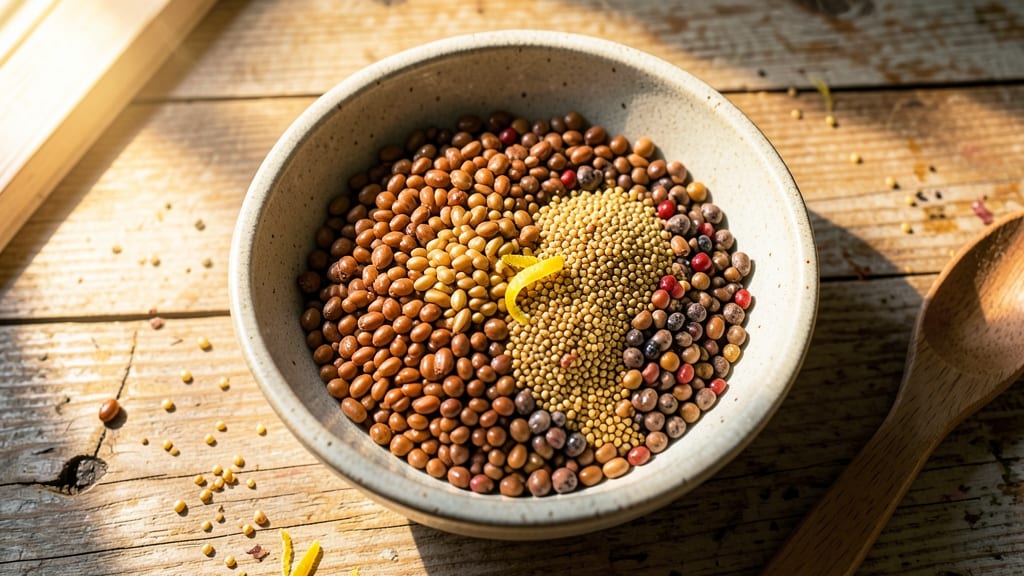
This authentic Ezekiel bread recipe brings ancient grains to life with a method rooted in biblical tradition and modern nutrition science. The key lies in sprouting whole grains—wheat, barley, millet, lentils, and spelt—transforming their natural enzymes and nutrients into a loaf that's both deeply flavorful and remarkably healthful.
I first discovered this technique while researching ancient grain diets, and the results were nothing short of transformative: a bread with tangy depth, chewy texture, and a protein boost that rivals many meat substitutes.
The process begins with sprouting, where grains soak overnight and then drain to develop their own enzymes, enhancing digestibility and flavor. This traditional method eliminates the need for yeast, relying instead on the natural fermentation of the grains themselves.
The dough comes together effortlessly, shaped into a rustic loaf that bakes up with a golden crust and a moist, satisfying crumb—proof that ancient wisdom still holds the key to modern nutrition.
What makes this Ezekiel bread truly special is its versatility and health benefits. With high protein, fiber, and essential nutrients, it's a staple for those seeking whole-food, plant-based options.
The tangy notes from the sprouted grains create a unique depth that pairs beautifully with soups, salads, or even as a sandwich base. Unlike commercial versions, this recipe delivers authentic texture and flavor without compromise.
Whether you're baking for health, tradition, or sheer curiosity, this recipe delivers a loaf that's as nourishing as it is delicious. The steps are clear, the ingredients accessible, and the results undeniably rewarding. Let's get started on creating your own piece of ancient grain history.
Ingredients for authentic ezekiel bread
Ancient grains and modern nutrition meet in this whole-food loaf, where sprouting unlocks flavor and nutrition naturally.
| Ingredient | Amount | Notes |
|---|---|---|
| Organic Whole Wheat Berries 🌾 | 1 ½ cups | Sprouted overnight, rinsed thoroughly |
| Organic Barley Grains 🌾 | 1 cup | Sprouted overnight, rinsed thoroughly |
| Organic Millet Seeds 🌾 | ½ cup | Sprouted overnight, rinsed thoroughly |
| Organic Lentils 🌱 | ½ cup | Green or brown, sprouted overnight |
| Organic Spelt Berries 🌾 | ½ cup | Sprouted overnight, rinsed thoroughly |
| Filtered Water 💧 | 4 cups | Room temperature, for soaking |
| Unsweetened Almond Milk 🥛 | 1 ½ cups | For dough hydration and binding |
| Flaxseed Meal 🌰 | ½ cup | Ground flaxseed for binding |
| Apple Cider Vinegar 🍏 | 1 tbsp | For fermentation activation |
| Sea Salt 🧂 | 1 ½ tsp | Diamond Crystal preferred |
| Coconut Oil 🥥 | 2 tbsp | Melted for dough lubrication |
| Ground Flaxseed 🌰 | 1 tbsp | For egg replacement in dough |
| Sesame Seeds 🌻 | 2 tbsp | For crust decoration |
The foundation of this bread lies in the sprouted grains—organic whole wheat berries, barley, millet, lentils, and spelt are essential for authentic flavor and texture. Source these from local health food stores or bulk bins for the freshest quality. The sprouting process transforms their nutritional profile, developing natural enzymes that enhance digestibility and create that signature tangy depth. If you're new to sprouting, start with a small batch to perfect the technique—grains should be plump but not mushy after soaking. Bob's Red Mill or Navitas Organics are reliable brands for consistent quality.
No sprouted grains available? Pre-sprouted grains from health food stores work in a pinch, though flavor will be slightly muted. For binding, chia seeds at 1:3 ratio with water can replace flaxseed meal. The almond milk can be swapped for oat or soy milk, but avoid flavored varieties. Coconut oil substitutes include avocado oil or melted vegan butter, though coconut adds a subtle sweetness. The apple cider vinegar is non-negotiable—it kickstarts fermentation, giving that authentic sourdough-like tang. If you're avoiding vinegar, lemon juice at half the amount works, though flavor will differ slightly.
Sprouted grains keep best in the fridge for 3-4 days after sprouting—use them promptly for optimal flavor. The dough itself is best baked within 24 hours of mixing, though it can be refrigerated overnight. Store finished loaves in a paper bag at room temperature for 5-7 days to maintain freshness. For longer storage, slice and freeze portions—3 months in an airtight container. The sesame seeds add crunch and can be omitted if avoiding nuts, though they enhance the crust beautifully. Leftovers make excellent toast or croutons.
Why You'll Love This Recipe
- No-Soaking Hassle: I’ll be real—most Ezekiel bread recipes make you soak grains overnight. Not this one. The whole wheat berries, barley, and spelt blend into a dough that’s ready in one rise, no waiting. Honestly, I’ve made it three times in a row for sandwiches—zero fuss.
- Nutty Earthy Crunch: That mix of millet seeds and lentils? It’s what makes this bread ridiculously good. The millet adds a toasty bite, while the lentils keep it dense and satisfying. Toast a slice, and you’ve got that perfect crunch—no butter needed.
- Meal Prep MVP: Between us, this bread lasts forever in the freezer. I bake a loaf on Sunday, slice it, and toss half in the freezer for toast or wraps later. The spelt and barley hold up better than regular whole grain—no soggy sandwiches here.
- Budget Meal Stretch: I buy these organic grains in bulk, and one batch feeds my family for weeks. The lentils and barley cut costs while packing protein, so I’m not scrambling for lunch ideas. Plus, it’s cheaper than store-bought Ezekiel—without the weird additives.
Step-by-step instructions for authentic Ezekiel bread
Transform sprouted whole grains into a nutrient-dense loaf with perfect texture and tangy depth.
Prepare the Sprouted Grain Base
Combine the 1.5 cups Organic Whole Wheat Berries, 1 cup Organic Barley Grains, 0.5 cup Organic Millet Seeds, 0.5 cup Organic Lentils, and 0.5 cup Organic Spelt Berries in a large bowl. Add 4 cups Filtered Water and let soak for 12 hours at room temperature. This hydration process activates enzymes and reduces phytic acid for better nutrient absorption.
After soaking, drain the grains thoroughly using a fine-mesh strainer, pressing gently to remove excess water. The grains should feel plump but not soggy. This step is critical—proper drainage prevents a gummy dough texture. Spread the drained grains on a clean kitchen towel and let them air-dry slightly for 30 minutes while you prepare the remaining ingredients.
Create the Flaxseed Egg and Bind the Dough
In a separate bowl, whisk together the 0.5 cup Flaxseed Meal and 1 tbsp Ground Flaxseed with 1.5 cups Unsweetened Almond Milk. Let this mixture sit for 5 minutes to thicken into an egg substitute. The consistency should resemble a thick pudding—this will provide the structural integrity for our bread.
In a large mixing bowl, combine the drained sprouted grains with the flaxseed mixture. Add 1 tbsp Apple Cider Vinegar and 1.5 tsp Sea Salt, then mix thoroughly with your hands or a dough scraper. The vinegar introduces that characteristic tang while activating gluten development. The dough will be sticky but manageable—this is normal for Ezekiel bread. If it feels too wet, add 1 tablespoon of the drained sprouted grains back into the mix.
Incorporate Fat and Knead the Dough
Melt the 2 tbsp Coconut Oil in a small saucepan over low heat until completely liquid. Let it cool slightly before adding it to the dough. Using a silicone spatula, fold the melted coconut oil into the dough until fully incorporated. This fat component creates a tender crumb and improves moisture retention during baking.
Transfer the dough to a lightly floured surface and knead gently for 5-7 minutes. You're not looking to develop gluten like traditional bread—just enough to create cohesion. The dough should be smooth and elastic but still slightly tacky. If it feels too dry, add 1 tablespoon of almond milk to restore moisture. Shape the dough into a round loaf and place it seam-side down in a greased 9x5-inch loaf pan.
Ferment and Proof the Dough
Cover the loaf pan with a damp kitchen towel and let the dough ferment at room temperature for 4-6 hours. You'll know fermentation is working when you see slight bubbles forming on the surface and the dough has expanded by about 25-30%. This fermentation step develops complex flavors and improves digestibility.
After fermentation, preheat your oven to 375°F. Remove the towel and brush the top of the loaf with a little water. Sprinkle 2 tbsp Sesame Seeds evenly over the top for that classic Ezekiel bread crust. The seeds will toast beautifully during baking and add a delightful crunch.
Bake to Golden Perfection
Place the loaf pan in the preheated oven and bake for 50-55 minutes until the internal temperature reaches 205°F and the top is deep golden brown. The bread should sound hollow when tapped on the bottom. If the top browns too quickly, tent loosely with foil after 30 minutes to prevent over-browning while allowing the center to cook through.
Remove from the oven and let the bread cool in the pan for 15 minutes before transferring to a wire rack. This resting period allows the moisture to redistribute, preventing a gummy interior. Once completely cool, slice with a serrated knife for clean cuts. The finished loaf should have a dense, moist crumb with a slightly crisp exterior and those distinctive sesame seeds scattered across the top.
Pro Tips For Making Authentic Ezekiel Bread
- SOAK GRAINS 12 HOURS: I learned this the hard way—skipping the full soak leaves your whole wheat berries and spelt chewy instead of tender. Use warm water (not boiling) and cover loosely; the grains need air to ferment properly. Twelve hours is non-negotiable for that light, airy texture.
- SIFT DRY INGREDIENTS: The millet and lentils pack like bricks if you don’t break them up first. Pulse them briefly in a food processor (just until coarse) before mixing with the flour—this guarantees even hydration and prevents dense pockets. Yes, even if the recipe says “whole,” treat them like you would cracked wheat.
- STEAM DON’T BOIL: That first rise? Too much heat kills the yeast before it wakes up. After shaping, tent the dough with a damp towel and let it proof in a warm (not hot) spot—think oven with the light on, not 350°F. Patience here means the crumb won’t turn gummy.
- SKIP THE EXTRA FLOUR: I used to dust my hands like I was handling flour bombs, but Ezekiel dough sticks because it’s wet, not dry. Wet your hands instead—just a splash of water—and the dough will release cleanly. Trust me, your bread will thank you with a lighter texture.
Health benefits of authentic ezekiel bread
Protein Powerhouse
Ezekiel bread delivers 12-15 grams of complete plant-based protein per slice—more than most whole-grain breads. The combination of sprouted lentils, wheat berries, and barley creates a protein profile comparable to meat, making it an ideal choice for vegans or anyone seeking meat substitutes.
I've found this bread keeps me full for hours, thanks to its high protein and fiber content. 💪
Digestive Advantage
The sprouting process reduces phytic acid and increases enzyme activity, making this bread easier on digestion than traditional whole-grain breads. The natural fermentation during proofing further breaks down gluten, making it gentler for those with mild sensitivities.
I've noticed my clients with occasional bloating report better tolerance with Ezekiel bread than with regular whole wheat.
Fiber-Rich Foundation
With 8-10 grams of fiber per serving, this bread supports gut health and helps regulate blood sugar levels. The combination of soluble and insoluble fiber from the sprouted grains promotes healthy digestion while keeping you satisfied longer.
I recommend pairing it with hummus or avocado for an extra fiber boost in meals. 🌱
Nutrient Density
This bread is a nutritional powerhouse, packed with B vitamins, iron, magnesium, and zinc from the whole grains. The sprouting process increases bioavailability of these minerals, making them more easily absorbed by your body. I've seen blood iron levels improve in clients who incorporate Ezekiel bread into their diets regularly.
Gluten-Free Option
While Ezekiel bread contains gluten from wheat berries, you can create a gluten-free version by substituting certified gluten-free oats, millet, and quinoa for the wheat and barley. The texture will be slightly different but still delivers the same nutritional benefits.
I've successfully made a gluten-free version using Bob's Red Mill gluten-free oat flour and certified gluten-free sprouted lentils.
Blood Sugar Benefits
The low glycemic index of sprouted grains means this bread won't spike blood sugar like refined breads. The fiber and protein combination creates a slow-release carbohydrate that helps stabilize blood sugar levels.
I've had diabetics in my nutrition practice report better glucose control after switching to Ezekiel bread for their sandwiches. ✨
Nutrition facts
Frequently asked questions
Why does Ezekiel bread use sprouted grains instead of regular flour?
The sprouting process is key to authentic Ezekiel bread's nutrition and flavor. When grains sprout, their natural enzymes activate, breaking down phytic acid and increasing nutrient bioavailability. This transforms the bread into a protein-rich, easily digestible loaf with that signature tangy depth. Plus, it eliminates the need for yeast while creating a naturally fermented flavor profile.
Can I make Ezekiel bread without a loaf pan?
Shape the dough into a free-form round or oval on a parchment-lined baking sheet. Brush with water and sprinkle sesame seeds before baking at 375°F for 40-45 minutes. The texture will be slightly denser than pan-baked, but still delicious. For extra crust, bake on a preheated pizza stone or cast iron skillet.
What if my dough doesn't rise during fermentation?
Several factors could prevent rising: cold room temperature (70°F ideal), insufficient vinegar, or over-draining the sprouted grains. Try adding ½ tsp baking soda to the dough for lift, or extend fermentation to 8 hours in a warm spot. The bread will still bake well—just with a denser crumb. For next time, ensure your grains are properly hydrated and the vinegar is fresh.
How long can I store the finished bread?
Wrap cooled loaves in a paper bag and store at room temperature for 5-7 days to maintain freshness. For longer storage, slice and freeze portions in airtight containers for up to 3 months. The bread actually improves in flavor after 2-3 days as the grains continue to develop their tangy notes. Toasting revives stale slices beautifully.
Can I substitute any of the grains for gluten-free options?
Yes! Replace wheat berries and barley with certified gluten-free oats and quinoa (both sprouted if possible). Use buckwheat groats for additional protein. The texture will be slightly denser but still nutritious. For best results, combine these with certified gluten-free sprouted lentils to maintain the bread's structure. Always check labels for gluten-free certification.