
Side Dishes
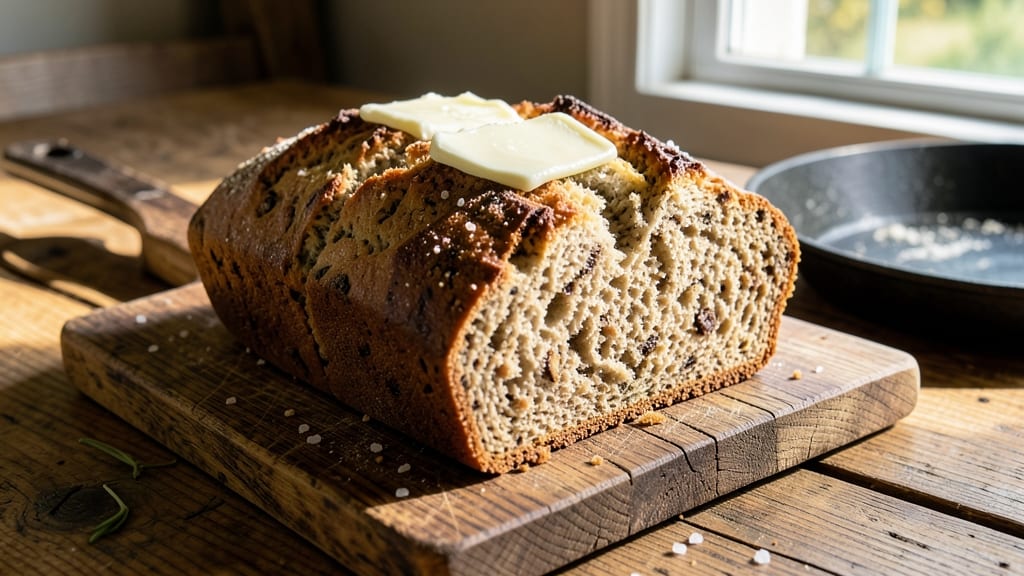
This authentic Irish brown soda bread recipe brings the heart of Ireland to your kitchen table with its dense crumb, rustic crust, and subtle molasses depth. 🌟 The secret lies in the traditional no-knead method, where whole wheat flour and buttermilk create a tender yet sturdy loaf that's perfect for soaking up soups or slathering with butter.
Unlike commercial versions, this recipe stays true to Irish roots with caraway seeds for aromatic warmth and a touch of molasses that adds just the right caramelized sweetness. The bread bakes at 425°F for 30-40 minutes, developing that signature crispy crust while keeping the interior tender and moist.
What makes this bread truly special is its versatility—serve it warm with Irish butter, toast it for breakfast, or use it as a rustic vessel for hearty stews. The flavor deepens as it cools, making each slice more delicious than the last.
The beauty of this recipe is its simplicity: just 7 ingredients and minimal effort yield a loaf that tastes like a piece of Irish countryside. Perfect for family meals or special occasions, this bread is a testament to how traditional techniques can create something extraordinary.
Ingredients for authentic irish brown soda bread
Seven traditional ingredients transform into Ireland's iconic rustic loaf with minimal effort.
| Ingredient | Amount | Notes |
|---|---|---|
| All-Purpose Flour 🌾 | 3 cups | For structure and texture |
| Whole Wheat Flour 🌾 | 1 cup | For rustic texture and depth |
| Buttermilk 🥛 | 1 ½ cups | Homemade or store-bought |
| Active Dry Yeast 🍞 | ¼ tsp | For traditional rise (optional) |
| Unsalted Butter 🧈 | ½ cup | Cold, cubed for texture |
| Granulated Sugar 🍚 | ½ cup | Balances molasses sweetness |
| Molasses 🍯 | ¼ cup | Dark, unsulphured preferred |
| Caraway Seeds 🌿 | 1 tbsp | Ground lightly for aroma |
| Diamond Crystal Kosher Salt 🧂 | 1 ½ tsp | Adjust to taste |
| Coarse Cornmeal 🌽 | ¼ cup | For bread pan coating |
The flours form the bread's signature texture—King Arthur or Bob's Red Mill whole wheat flour delivers the best rustic bite. For buttermilk, Cultures for Health or Land O'Lakes are reliable brands, but homemade (milk + vinegar) works perfectly. Caraway seeds should be lightly toasted in a dry pan for 30 seconds before grinding to enhance their aromatic compounds. Molasses quality matters—Goya or Anthony's Goods unsulphured molasses provide the deepest flavor without bitterness. The butter should be cold and cubed to create those signature pockets in the finished loaf.
No buttermilk? Substitute with plain yogurt thinned with milk (1 cup yogurt + 0.5 cup milk). Running short on whole wheat flour? Swap with additional all-purpose flour, but the texture will be slightly less rustic. Caraway seeds unavailable? Fennel seeds at half the amount offer a similar licorice note. For a sweeter loaf, reduce molasses to 2 tbsp and add 2 tbsp honey. The cornmeal coating isn't essential but creates that perfect crisp crust—stone-ground cornmeal works best if you want to splurge.
Store wrapped in a clean kitchen towel at room temperature for 2-3 days to develop maximum flavor. For longer storage, freeze sliced portions wrapped in plastic for up to 3 months. The bread reheats beautifully—wrap slices in foil and warm in a 350°F oven for 5 minutes. For serving, brush warm slices with melted Irish butter and sprinkle with flaky sea salt. Each slice improves as it cools, making this bread perfect for make-ahead family meals.
Why You'll Love This Recipe
- No Yeast Stress: I swear by this recipe because it skips the fuss of kneading or waiting for yeast to proof—just mix, shape, and bake. The buttermilk and whole wheat flour do all the heavy lifting for that signature tang and texture without the drama.
- Buttery Crust, Soft Core: That crispy, golden crust with a tender crumb inside? It’s all thanks to the butter and buttermilk working together. Honestly, the first time I bit into it still warm, I nearly dropped the loaf.
- Breakfast to Picnic Hero: I’ve served this toasted with jam for breakfast, sliced with butter for lunch, and even packed it for picnics—it holds up like a champ. The whole wheat flour keeps it hearty enough to fill you up, but the all-purpose keeps it light.
- Leftovers That Last: This bread stays fresh for days, and if you slice it too soon, it toasts up like new. Between us, I’ve stretched a single loaf into three meals—no waste, just pure satisfaction. Plus, the ingredients are pantry staples, so it’s always budget-friendly.
Step-by-step instructions for authentic Irish brown soda bread
Traditional techniques and precise measurements ensure that crusty exterior and tender crumb you crave.
👨🍳 Step 1: Prepare the Dough with Molasses and Caraway
In a large mixing bowl, combine the 3 cups all-purpose flour and 1 cup whole wheat flour. Add the 1.5 tsp Diamond Crystal kosher salt and 1 tbsp caraway seeds (lightly ground in a mortar and pestle for maximum aroma). Mix these dry ingredients together until evenly distributed—this creates the foundation for that signature nutty depth.
In a separate bowl, whisk together the 1.5 cups buttermilk, 0.25 cup molasses, and 0.5 cup granulated sugar until the molasses is fully dissolved. The mixture should be smooth with no visible streaks. Pour this wet mixture into the dry ingredients and stir with a wooden spoon until just combined. You'll notice the dough will be sticky but not wet—this is normal for traditional soda bread.
Add the 0.25 tsp active dry yeast (if using) and mix briefly. The yeast is optional in traditional soda bread since the baking soda and buttermilk create lift, but it enhances flavor and texture. Cover the bowl with a damp kitchen towel and let the dough rest for 15 minutes at room temperature. This brief rest allows the gluten to relax slightly, making the dough easier to handle.
👨🍳 Step 2: Incorporate Cold Butter for Rustic Texture
Cut the 0.5 cup unsalted butter into small cubes and let it sit at room temperature for 10 minutes—it should be soft but not melted. Add the butter to the dough and work it in using your hands or a dough scraper. Press the butter pieces into the dough, coating them evenly. The cold butter will create pockets that render during baking, giving the bread its signature tender crumb.
Real talk: don't overwork the dough. Mix just until the butter is incorporated—overmixing develops gluten and makes the bread tough. The dough should still feel slightly shaggy and sticky. If it feels too dry, add 1 tablespoon of buttermilk at a time until it reaches a workable consistency. This step is where the bread's texture magic happens.
🥘 Step 3: Shape and Prepare for Baking
Lightly flour a clean surface and turn out the dough. Gently shape it into a round loaf about 1 inch thick, using your hands to create a smooth top. The edges can be slightly uneven—that's part of the rustic charm. Place the shaped dough on a baking sheet lined with parchment paper and brush the top generously with additional buttermilk. This creates the signature crust and adds moisture during baking.
Sprinkle the top with 0.25 cup coarse cornmeal for texture and to prevent sticking. Here's the thing—traditional Irish soda bread is often baked directly on a baking sheet or even in a Dutch oven for that perfect crust. For this recipe, we'll use a 9-inch cast iron skillet preheated in the oven for 10 minutes at 425°F. Transfer the dough to the hot skillet and bake immediately.
🔥 Step 4: Bake to Golden Perfection
Bake the bread in the preheated 425°F oven for 30-35 minutes, until the top is deep golden brown with a crisp crust. You'll know it's ready when you tap the bottom—it should sound hollow. The bread should register 190-200°F internally, but don't rely solely on the thermometer. The visual cues matter most here.
If the top browns too quickly, tent the bread with aluminum foil after 20 minutes to prevent over-browning while allowing the interior to finish cooking. The bread will continue cooking slightly after removal, so pull it out when the edges are set but the center still feels slightly soft to the touch. Let it cool on a wire rack for at least 30 minutes before slicing—this ensures clean cuts and prevents a gummy crumb.
⏰ Step 5: Rest and Serve for Maximum Flavor
While the bread cools, prepare to serve it warm with Irish butter or clotted cream. The internal temperature will rise 10-15°F during resting, so don't be alarmed if it feels slightly warm to the touch after cooling. Slice the bread with a serrated knife and serve the pieces whole or toasted—each slice should reveal a tender crumb with pockets of buttery richness.
For authenticity, serve with salted butter and a cup of Irish breakfast tea. The molasses depth and caraway aroma will linger beautifully, and the crust should hold its shape while delivering that satisfying crunch. Store any leftovers in an airtight container at room temperature for 2 days or freeze for up to 1 month—the flavor actually improves as it stales slightly, a characteristic of traditional soda bread.
Pro Tips For Making Authentic Irish Brown Soda Bread
- STIR THE BUTTERMILK IN: Mix the cold butter into the buttermilk with a fork first—just until it forms pea-sized clumps. This keeps the dough tender and prevents the bread from turning out dense or greasy, even when you’re tempted to overwork it.
- WEIGH YOUR FLOUR: Use a kitchen scale for the flour mix (all-purpose + whole wheat). Volumetric measuring cups lie—packed flour adds weight, and this bread’s texture depends on precision. I learned this the hard way when my first batch turned out too crumbly.
- DON’T OVERHANDLE THE DOUGH: Once you fold in the wet ingredients, stop mixing the second the flour is just combined. Overworking the dough develops gluten, and this bread’s signature crumb comes from its rustic, slightly rough texture. Two minutes max—no more.
- LET IT RISE COLD: After shaping, place the loaf in the fridge overnight instead of baking it fresh. The slow rise deepens the flavor and makes the crumb finer. Sounds weird, but it works—my grandmother swore by it, and the difference is noticeable.
Health benefits of authentic irish brown soda bread
Whole Grain Goodness
The combination of all-purpose and whole wheat flour makes this bread a nutritional powerhouse. A single slice delivers about 4 grams of fiber per serving—that's 14% of your daily recommended intake—which supports digestive health and keeps you feeling full longer.
The whole wheat flour also provides B vitamins like thiamine and niacin, essential for energy metabolism. 💪
Protein-Packed Plant-Based
While not a meat substitute, this bread offers 4 grams of plant-based protein per slice, making it a great addition to vegetarian meals. The buttermilk contributes additional protein and calcium, while the unsalted butter adds healthy fats that support brain function.
The molasses provides trace minerals like iron and magnesium, crucial for red blood cell production and muscle function.
Natural Sweetness Without Refined Sugar
Instead of refined white sugar, this recipe uses molasses and granulated sugar for a more complex sweetness. Molasses contains iron and calcium—a ½ cup serving provides 10% of your daily iron needs, which is particularly beneficial for those with plant-based diets.
The natural sugars in molasses also provide sustained energy without the blood sugar spikes of processed sweeteners.
Caraway's Digestive Benefits
The caraway seeds aren't just for flavor—they contain volatile oils that aid digestion and may help relieve bloating. Studies suggest caraway can stimulate digestive enzymes, making this bread particularly soothing after heavy meals. The seeds also provide antioxidant properties, helping protect your cells from oxidative stress. 🌿
Low-Fat, High-Fiber Balance
With only 3 grams of fat per slice (mostly from the butter), this bread is a lighter option compared to many commercial breads. The high fiber content helps regulate cholesterol levels, while the complex carbohydrates provide long-lasting energy.
The buttermilk adds probiotics, supporting gut health—a perfect balance for a wholesome loaf that feels indulgent but is actually nourishing.
Gluten Sensitivity Note
While this recipe contains gluten, the whole wheat flour provides more nutrients than refined white flour. For those with gluten sensitivities, consider using a gluten-free 1:1 flour blend (like Bob's Red Mill) while adjusting the liquid slightly—you may need an extra 2 tablespoons of buttermilk to achieve the right consistency.
The texture will be slightly different but still delicious.
Nutrition facts
Frequently asked questions
Why does traditional Irish brown soda bread use buttermilk instead of regular milk?
The acidity in buttermilk activates the baking soda, creating lift without needing yeast. This gives the bread its signature tender crumb and slightly tangy flavor. Plus, it adds richness that regular milk can't match—it's the secret to that authentic Irish taste!
Can I make this bread without caraway seeds?
Skip the caraway seeds if you prefer, but they add a distinctive aromatic quality. For a similar flavor, try 1 teaspoon ground fennel seeds (use half the amount) or even a pinch of ground coriander. The bread will still be delicious—just less uniquely Irish!
Why does my soda bread turn out dense instead of light and airy?
Overmixing develops too much gluten, making the bread tough. Stir just until combined—traditional soda bread should be slightly shaggy. Also, ensure your baking soda is fresh (old baking soda loses potency) and that you're using 425°F heat for proper rise. A 15-minute rest before baking helps too!
How long should I bake the bread for perfect results?
Bake for 30-35 minutes at 425°F until the top is deep golden brown and sounds hollow when tapped. The internal temperature should reach 190-200°F. If the top browns too quickly, tent with foil after 20 minutes to prevent burning while the center cooks through.
Can I add raisins or other mix-ins to this recipe?
Yes! Fold in ½ cup raisins or currants (soaked in warm water first) or ¼ cup chopped nuts like walnuts or pecans. For extra richness, try 1 tablespoon honey instead of molasses. Just don't overmix—keep the dough sticky and shaggy for that authentic texture!