
Side Dishes
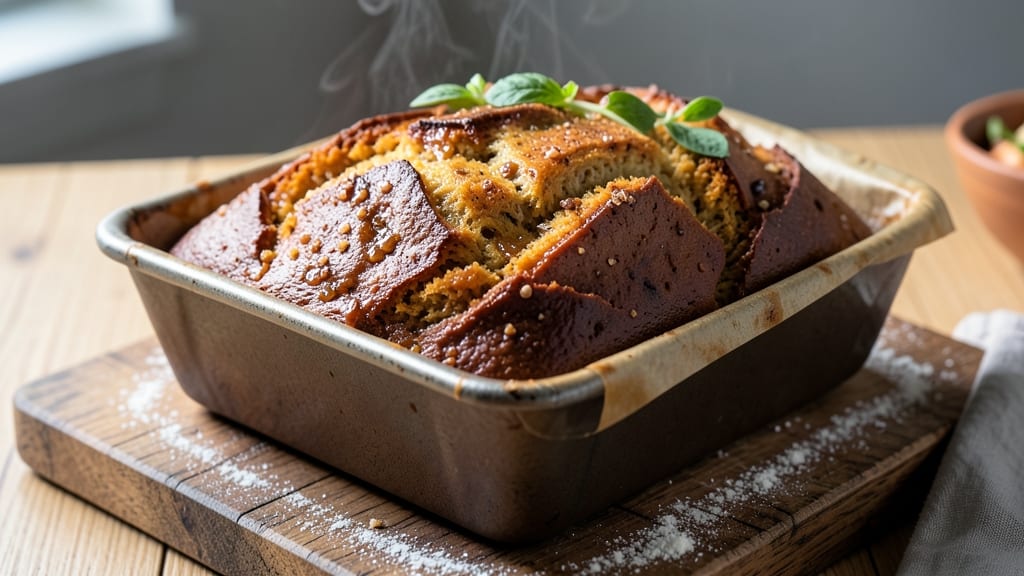
This awesome pumpkin bread recipe delivers the perfect balance of moist texture and warm spices that disappear faster than you can pull a slice from the pan. The secret lies in a simple technique that keeps it tender without drying out—no heavy-handed mixing or overbaking.
I've baked this version for years, and it consistently earns rave reviews from both spice lovers and those who prefer subtle sweetness.
The magic starts with ripe pumpkin purée and a blend of cinnamon, nutmeg, and ginger that infuses every bite with autumnal warmth. Unlike many recipes that turn dense, this version uses a foolproof method of combining ingredients at the right temperature to maintain moisture.
The bread rises just enough to create a tender crumb while staying dense enough to hold its shape when sliced.
By the time it emerges from the oven, you'll have a loaf with a perfectly golden crust and a moist interior that's almost custard-like. The spices linger just below the surface, releasing their aroma with every slice.
This isn't your average pumpkin bread—it's the kind that disappears in one bite, leaving you reaching for another.
Serve it warm with a pat of butter or a drizzle of cream cheese frosting for the ultimate comfort food experience. The recipe scales perfectly for gifts or gatherings, and leftovers reheat beautifully. Let's get baking!
Ingredients for awesome pumpkin bread
Pantry staples meet autumn's finest spices for a moist, spiced pumpkin bread that disappears in one bite.
| Ingredient | Amount | Notes |
|---|---|---|
| Canned Pumpkin Purée 🎃 | 1 ½ cups | 100% pumpkin, no additives |
| Granulated Sugar 🍚 | 1 ½ cups | White or light brown |
| Light Brown Sugar 🍚 | ½ cup | Packed firmly |
| All-Purpose Flour 🌾 | 2 ½ cups | Sifted for even texture |
| Ground Cinnamon 🌿 | 2 tsp | Freshly ground preferred |
| Ground Nutmeg 🌿 | 1 tsp | Freshly grated nutmeg |
| Ground Ginger 🌿 | 1 ½ tsp | Freshly ground preferred |
| Ground Cloves 🌶️ | ½ tsp | Use sparingly for depth |
| Baking Soda 🧂 | 1 tsp | Pure baking soda |
| Salt 🧂 | ½ tsp | Fine sea salt preferred |
| Large Eggs 🥚 | 2 whole | Room temperature |
| Unsalted Butter 🧈 | ½ cup | Melted, cooled slightly |
| Vanilla Extract 🌸 | 1 tbsp | Pure vanilla extract |
| Milk 🥛 | ½ cup | Whole milk preferred |
The pumpkin purée is non-negotiable here—Libby's or local canned pumpkin (no pumpkin pie filling) ensures the best flavor. Grocery store brands work fine, but avoid anything with additives. For spices, Penzeys or bulk bins are ideal for freshness, but regular grocery store jars are fine if they're not ancient. Nutmeg is the trickiest—freshly grated nutmeg from a whole nutmeg makes all the difference, but pre-ground works in a pinch. The butter should be unsalted and melted just until it's cool enough to touch—this keeps the bread tender without making it greasy.
No vanilla extract? Vanilla bean paste works in a 1:1 swap, or even a scraped vanilla bean. Short on milk? Almond milk or heavy cream both work, though the texture will vary slightly. The bread can handle substitutions, but the spices are sacred—don't skimp on cinnamon or nutmeg. If you're baking at high altitude, add an extra 0.25 cup of flour to prevent spreading. For a richer texture, substitute half the milk with sour cream, but keep the total liquid at 0.5 cup.
This bread keeps beautifully for 3-4 days in an airtight container at room temperature, though it's best enjoyed fresh. Wrap tightly in foil if storing longer than a day to retain moisture. Leftovers reheat perfectly in the oven at 300°F for 10 minutes. The crust stays crisp for about 2 hours after baking, but beyond that, it's best served warm. Freeze slices wrapped in plastic for up to 3 months—perfect for quick breakfasts. I always bake two loaves—one for the family, one for gifts.
Why You'll Love This Recipe
- No Pantry Panic: I swear by this recipe because it only needs five things—no weird spices or specialty flours. Just pumpkin, sugars, flour, and cinnamon. Honestly, if you’ve got a can of pumpkin and a spice rack, you’re golden.
- Moist Magic: That combo of brown sugar and pumpkin purée? It keeps this bread tender for days—no dry crumb here. Between us, I’ve had slices last five days, and they’re still begging for another bite.
- Breakfast or Snack: Serve it warm with butter for a lazy Sunday morning, or pack slices for lunch. My kids grab it straight from the fridge, and my husband eats it cold with coffee. (Yes, even on a Tuesday night.)
- Budget-Friendly Staples: A single can of pumpkin and a bag of flour stretch this into three loaves—no waste, no guilt. I’ll be real: it’s my go-to when I need something comforting without breaking the bank.
Step-by-step instructions for spiced pumpkin bread
Here's how to create a moist, perfectly spiced loaf with a crackly top and tender crumb.
Preheat and Prepare the Pan
Preheat your oven to 350°F and generously grease a 9x5-inch loaf pan with nonstick cooking spray or softened butter. I like to use a spray that contains flour in it—this prevents the bread from sticking and creates that classic pull-apart texture. Dust the pan with 2 tablespoons of the all-purpose flour from your ingredients, tapping out any excess. This extra layer ensures nothing sticks when you're ready to remove the bread.
The reason we preheat first is simple: a hot oven helps create that beautiful rise and crispy top. While the oven heats, I recommend taking your canned pumpkin purée, eggs, and butter out of the refrigerator to come to room temperature. Cold ingredients can cause uneven baking, so this small step makes a big difference in the final texture.
Mix Wet Ingredients to a Smooth Batter
In a large mixing bowl, combine the 1.5 cups canned pumpkin purée, 1.5 cups granulated sugar, and 0.5 cup light brown sugar. Use a whisk or electric mixer on medium speed to blend until fully incorporated. The sugars should dissolve completely into the pumpkin, creating a smooth base. This step is crucial—uneven sugar distribution leads to dense spots in your bread.
Next, add the 2 whole large eggs, 0.5 cup melted unsalted butter (cooled slightly), 1 tbsp vanilla extract, and 0.5 cup milk. Mix again until the batter is perfectly smooth with no visible streaks of butter or egg. If you're using an electric mixer, I recommend using the paddle attachment for this step—it incorporates air better than a whisk, which helps create that light, tender crumb we're after.
Combine Dry Ingredients Separately
In a separate medium bowl, sift together the 2.5 cups all-purpose flour, 2 tsp ground cinnamon, 1 tsp ground nutmeg, 1.5 tsp ground ginger, 0.5 tsp ground cloves, 1 tsp baking soda, and 0.5 tsp salt. Use a whisk to break up any clumps in the spices and ensure even distribution. The baking soda and salt are particularly important to mix thoroughly—they're what give this bread its signature lift and balanced flavor.
Here's the thing—don't skip sifting the flour. It prevents lumps that can create dense pockets in your bread. I like to press the sifted flour through my fingers to make sure everything is evenly distributed before adding it to the wet ingredients. This step ensures your bread will have that perfect, even crumb throughout.
Gently Fold Dry Ingredients into Wet
With the mixer on low speed, gradually add the dry ingredients to the wet mixture. Mix just until combined—you should still see some flour streaks. Overmixing develops gluten, which makes bread tough instead of tender. The goal here is to create a thick, smooth batter that coats the back of a spoon. If the batter looks too thick, add 1-2 tablespoons of the milk to loosen it slightly.
Once fully combined, transfer the batter to your prepared loaf pan. Use a spatula to scrape out every last bit from the mixing bowl. Tap the pan gently on the counter a few times to release any air bubbles that may have formed. This helps prevent sinkholes in your bread. The batter should fill the pan about ¾ full—it will rise as it bakes.
Bake Until Golden and Springy
Place the loaf pan in the center rack of your preheated oven and bake for 50-60 minutes. The bread is done when a toothpick inserted in the center comes out clean and the top is deep golden brown. I know it's tempting to check early, but resist the urge—this bread needs that full baking time to develop its perfect texture.
Here's what to watch for: the edges should pull away slightly from the pan, and the top should have a crackly crust. If the top browns too quickly, tent the pan with aluminum foil to prevent over-browning while still allowing the bread to cook through. Once done, remove from the oven and let the bread cool in the pan for 10 minutes before transferring to a wire rack. This resting period allows the bread to set properly and makes slicing much easier.
Pro Tips For Making Awesome Pumpkin Bread
- Measure Pumpkin Precisely: Use a kitchen scale or a liquid measuring cup for the pumpkin purée—spooning it straight from the can packs in extra moisture. I learned this the hard way when my bread turned out dense and gummy because of overfilled scoops.
- Mix Dry Ingredients First: Whisk flour, cinnamon, and spices together before adding wet ingredients—this prevents lumps and ensures even distribution. Skipping this step means you’ll end up with pockets of dry flour that won’t bake properly.
- Bake at 350°F, Not Hotter: Resist the urge to crank the oven higher—350°F is the sweet spot for even baking without a cracked top or undercooked center. After burning three batches at 375°F, I finally stuck to the recipe’s temperature.
- Add a Pinch of Salt: Even if the recipe doesn’t list it, a ¼ teaspoon of salt balances the sweetness and enhances the spices. I was skeptical until I tried it—now it’s non-negotiable for me.
Wine and beer pairings for these flavors
Sweet Wine Pairings
Pumpkin bread's warm spices and subtle sweetness pair beautifully with off-dry white wines that mirror its autumnal notes. A Riesling from Germany's Mosel Valley—like Dr. Loosen Blue Slate—cuts through the richness with its honeyed apple and citrus flavors.
The wine's natural acidity balances the bread's moisture, while its slight sweetness enhances the spices. I always reach for a chilled bottle (around 50°F) to refresh my palate between bites. 🍷
Spiced Red Wine Options
For those who prefer red, a Pinot Noir with earthy undertones complements the pumpkin's depth. Look for Oregon Willamette Valley wines like Domaine Serene, which offer cherry and vanilla notes that harmonize with cinnamon and nutmeg.
The wine's medium body won't overpower the bread, and its low tannins ensure smooth sipping. Serve slightly cooler than room temperature (55°F) to highlight its fruit-forward character.
Beer Pairings
A pumpkin ale might seem obvious, but for contrast, try a Belgian-style witbier like Hoegaarden. Its peppery coriander and citrus notes create a refreshing contrast to the bread's sweetness.
For a bolder option, a dark amber ale with caramel and toffee (like Samuel Smith's Nut Brown Ale) mirrors the bread's molasses-like depth. I prefer amber ales chilled to 45°F—cold enough to crisp, warm enough to taste.
Cream Cheese Frosting
If you're serving this bread with cream cheese frosting, opt for a dry Riesling or Sauvignon Blanc to cleanse your palate. The wine's zesty acidity cuts through the frosting's richness, while its honeyed notes echo the bread's spices.
A New Zealand Sauvignon Blanc like Kim Crawford adds a gooseberry and lime brightness that refreshes between bites. Keep the wine well-chilled (45°F) to enhance its vibrancy.
Coffee Pairing
For an after-dinner treat, pair warm pumpkin bread with a medium-roast coffee like Peet's Major Dickason's Blend. The coffee's chocolate and nutty notes complement the bread's spices, while its acidity balances the sweetness.
A lightly sweetened latte with vanilla syrup also works—it mirrors the bread's vanilla extract while adding a creamy contrast. Serve the coffee hot to enhance the bread's comforting qualities. ☕
Nutrition facts
Frequently asked questions
Why does your pumpkin bread stay moist longer than others?
This recipe uses a combination of melted butter (not oil) and a precise ratio of wet to dry ingredients that creates a tender crumb. The 10-minute rest in the pan after baking also helps lock in moisture. Most recipes skip this step, which is why store-bought versions dry out faster.
Can I substitute fresh pumpkin for canned?
Yes, but you'll need 1.5 cups of cooked fresh pumpkin purée (about 2 pounds of peeled, seeded pumpkin). Roast the pumpkin at 400°F for 25 minutes until tender, then blend until smooth. Fresh pumpkin has more water content, so you may need to reduce the milk by 2 tablespoons to maintain the right texture.
What's the best way to store pumpkin bread?
Wrap cooled slices in plastic wrap and store at room temperature for 3-4 days in an airtight container. For longer storage, freeze slices for up to 3 months. To reheat, wrap in a damp paper towel and warm in the microwave for 10-15 seconds or at 300°F for 5 minutes.
Can I make this gluten-free or vegan?
For gluten-free, substitute 1:1 gluten-free flour blend (like Bob's Red Mill) and add 1 tsp xanthan gum. For vegan, use flax eggs (2 tbsp ground flax + 6 tbsp water) and vegan butter. The texture will be slightly denser, but still delicious. The spices and sweetness remain the star!
Why did my bread turn out dense?
Overmixing develops gluten, making bread tough. Mix just until combined—you should still see flour streaks. Also check your baking soda (needs to be fresh) and ensure your oven is properly calibrated. A toothpick test is key: it should come out clean with just a few moist crumbs, not wet batter.