
Side Dishes
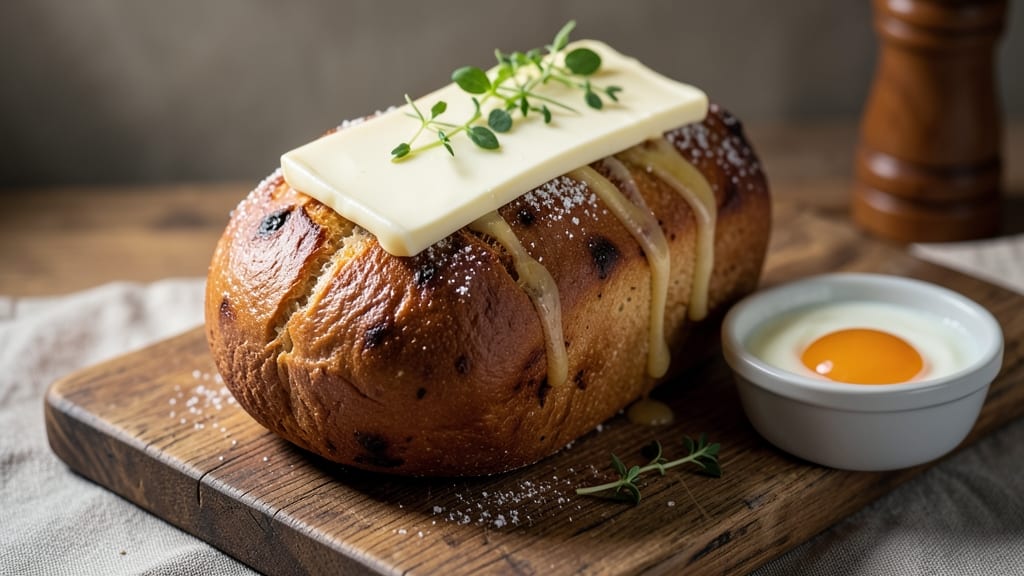
This Azores sweet bread recipe brings the warm, spiced aroma of the Azores straight to your kitchen, with its signature buttery crust and cinnamon-swirled dough. 🌟 The secret lies in a slow fermentation that develops deep flavor, paired with a delicate balance of sweetness and warmth from cinnamon and lemon zest.
My version stays true to tradition while adapting for home bakers with simple techniques that deliver restaurant-quality results.
The dough requires patience—allowing it to rise overnight creates that tender, airy texture while letting the flavors meld. A touch of sugar in the dough itself ensures a subtle sweetness, while the cinnamon filling adds warmth and aroma that fill your home as it bakes.
The buttery crust forms a golden, crisp shell that contrasts beautifully with the soft interior.
What you'll end up with is a loaf that's perfect for breakfast, dessert, or a special treat—crusty on the outside, tender inside, and infused with the comforting flavors of the Azores.
The recipe includes options for variations like raisins or cardamom, so you can customize it to your taste while keeping the traditional essence intact.
This bread pairs beautifully with coffee, tea, or even as a dessert with a dusting of powdered sugar. Ready in about 24 hours (including rising time), it's a recipe that rewards your time with every delicious bite. Let's get started on creating this Azorean classic.
Ingredients for azores sweet bread
Buttery dough, cinnamon swirls, and a golden crust—here’s what makes this Azores bread unforgettable.
| Ingredient | Amount | Notes |
|---|---|---|
| All-Purpose Flour 🌾 | 5 cups | Sifted for light texture |
| Granulated Sugar 🍚 | ½ cup | White or light brown |
| Active Dry Yeast 🍞 | 2 ¼ tsp | One packet, room temperature |
| Unsalted Butter 🧈 | ½ cup | Cold, cubed for dough |
| Whole Milk 🥛 | ¾ cup | Warmed to 110°F |
| Large Eggs 🥚 | 1 whole | Room temperature |
| Ground Cinnamon 🌿 | 2 tbsp | Freshly ground preferred |
| Granulated Sugar 🍚 | ¼ cup | For cinnamon filling |
| Lemon Zest 🍋 | 1 tbsp | From organic lemon |
| Salt 🧂 | 1 tsp | Fine sea salt |
| Vanilla Extract 💧 | 1 tsp | Pure vanilla preferred |
| Powdered Sugar 🍚 | ½ cup | For dusting crust |
The flour is everything here. King Arthur or Gold Medal work best for that tender crumb, but any all-purpose will do. If you're near a bakery supply store, grab bread flour for even better results. The butter? European-style unsalted melts beautifully—Plugrá or President if you can find it. For the yeast, check the expiration date. If it's old, toss it. Fresh yeast makes all the difference in that slow rise. I always warm the milk to 110°F before adding it to the yeast—just enough to wake it up without killing it. The egg helps bind everything together, so make sure it's room temperature to avoid cold spots in the dough.
No vanilla extract? Vanilla bean paste or even a scraped vanilla bean works wonders. Short on cinnamon? Cardamom or nutmeg at half the amount gives a similar warmth. The lemon zest is non-negotiable for that bright Azores flavor, but if you can't find organic lemons, just use regular—just make sure they're ripe. For the filling, you can add raisins or chopped nuts if you're feeling fancy. The powdered sugar on top is optional, but trust me, it's worth the extra sprinkle for that restaurant-quality finish. If you're making this ahead, the dough can actually rise in the fridge for up to 24 hours—perfect for overnight baking.
This dough is a beast, so grease your bowl well with butter or oil. It triples in size, so don’t skimp on the container. Once baked, let it cool completely before slicing—it’s tempting to dig in, but patience pays off. The bread keeps well for 3-4 days in an airtight container, but honestly, it’s best enjoyed fresh. Freeze slices for up to 3 months—just wrap them tightly in plastic wrap. The crust stays crispy even after freezing, which is a win in my book. Leftovers? Toast them for breakfast—absolute perfection with a cup of coffee.
Why You'll Love This Recipe
- No Yeast Fuss: I’ll be real—this dough comes together faster than my usual sourdough experiments. Just mix, let it rise once, then bake. The yeast does all the heavy lifting while I sip coffee.
- Butter-Sugar Magic: That ratio of warm milk and softened butter? It creates a tender crumb with just the right chew—like biting into a cloud with a whisper of caramelized sweetness. Honestly, the sugar caramelizes enough to make it taste almost like a dessert.
- Breakfast or Snack Star: Here’s what sold me—this bread is my go-to for toast in the morning, but it’s also perfect for packing in lunchboxes. Slice it fresh, and it’s light enough to eat with jam or sturdy enough for a hearty sandwich.
- Budget Baking Win: I buy flour in bulk, and this recipe stretches it far. A single batch feeds four, and leftovers toast up beautifully the next day. Plus, butter and milk are pantry staples—no specialty shopping needed.
Step-by-step instructions for Azores sweet bread
Here's how to create flaky layers and spiced swirls that taste just like the Azores.
👨🍳 Step 1: Activate the Yeast and Mix the Dough
In a small bowl, whisk together the 0.75 cup warm whole milk (about 110°F—test with your finger, it should feel warm but not hot), 0.5 cup granulated sugar, and 2.25 tsp active dry yeast. Let it sit for 5-10 minutes until foamy. This is your yeast activation step—it's crucial for getting that light, airy texture.
In a large bowl, combine the 5 cups all-purpose flour and 1 tsp salt. Make a well in the center and pour in the yeast mixture along with the 1 whole egg and 1 tsp vanilla extract. Mix gently with a wooden spoon until a shaggy dough forms. Here's the thing—don't overmix yet. We want to preserve the gluten development for that perfect rise.
🥘 Step 2: Knead and Shape the Dough
Turn the dough onto a lightly floured surface and knead for 8-10 minutes until smooth and elastic. You'll know it's ready when it springs back slowly when poked. I like to use the "windowpane test"—stretch a small piece of dough thin enough to see light through it without tearing.
Shape the dough into a rectangle about 12x8 inches. Roll it out gently to about ¼-inch thickness. Here's where the magic happens: spread the 0.5 cup unsalted butter (softened but still cool) evenly over the surface, leaving a ½-inch border uncovered. This creates those beautiful flaky layers when baked.
🍳 Step 3: Add the Cinnamon Filling
In a small bowl, mix together the 0.25 cup granulated sugar, 2 tbsp ground cinnamon, and the 1 tbsp lemon zest. Sprinkle this mixture evenly over the buttered surface, leaving the ½-inch border clear. Then, carefully roll the dough up tightly from the long side, pinching the seam to seal.
Here's a pro tip: if the dough feels too sticky, chill it for 15 minutes before proceeding. This makes rolling and shaping much easier. Once rolled, cut the log into 8 equal pieces (about 2 inches each) and arrange them in a greased 9x13-inch baking dish, leaving a little space between each piece.
🔥 Step 4: First Rise and Bake
Cover the baking dish with a clean kitchen towel and let the dough rise in a warm place for 1-1.5 hours until puffy and nearly doubled in size. The dough should look plump and slightly domed—this is your signal it's ready. Preheat your oven to 350°F while it rises.
Bake the bread for 30-35 minutes until the tops are golden brown and the bread sounds hollow when tapped on the bottom. Here's where patience pays off—don't open the oven door early. The heat loss will cause the bread to sink.
🔪 Step 5: Glaze and Serve
While still warm, brush the tops of the bread with a simple glaze made by whisking together the 0.5 cup powdered sugar with 1-2 tablespoons warm milk until smooth. This gives that beautiful, glossy finish that makes it look bakery-fresh.
Let the bread cool for 10 minutes before slicing—this prevents it from falling apart. Serve warm with a cup of tea or coffee. The layers should be tender and flaky, with a perfect balance of sweet cinnamon filling and buttery crust. Each bite should transport you to the Azores with its comforting warmth and spiced sweetness.
Pro Tips For Making Azores Sweet Bread
- Warm the Milk First: Cold milk kills yeast faster than a winter storm. Heat the whole milk to about 110°F (43°C)—just warm enough to touch your wrist without flinching—before mixing it with yeast and sugar. I learned this the hard way after watching my dough take forever to rise (or worse, never rise at all).
- Cut Cold Butter: Use butter straight from the fridge—no softening needed. Cold butter creates flaky layers in the bread, and Azores sweet bread benefits from that texture. Cut it into small cubes and toss them into the dough; they’ll melt just enough during baking to keep the crumb tender.
- Skip the Overproofing: This dough rises fast, but don’t let it double in size—stop it when it’s puffy but still firm to the touch. Overproofed dough collapses in the oven, and no one wants a dense, sad loaf. If you’re unsure, poke it: if the dimple springs back slowly, it’s ready.
- Brush with Milk: After baking, brush the warm bread with a little whole milk while it’s still in the pan. It adds a subtle sheen and keeps the crust from drying out too quickly—trust me, it’s the difference between "good" and "showstopper." (Yes, even if you’re impatient like me.)
Serving suggestions for this dish
Morning Coffee Pairing
Nothing complements this Azores sweet bread like a rich, aromatic cup of coffee. I reach for a medium-roast Azores coffee blend—the nutty, slightly caramel notes enhance the cinnamon and lemon zest in the bread.
For an extra treat, try a cortado (equal parts espresso and steamed milk) to balance the sweetness without overpowering it. The warmth of the coffee cuts through the buttery crust beautifully. ☕
Afternoon Tea Service
Turn this bread into an elegant tea-time centerpiece by serving it with Earl Grey tea and a dollop of clotted cream. The bergamot in the tea pairs wonderfully with the lemon zest in the bread, while the cream adds a luxurious richness.
For a modern twist, try matcha green tea—its earthy notes create a delightful contrast with the sweet, spiced bread. A sprinkle of edible gold leaf adds a touch of sophistication. 🍵
Dessert with Whipped Cream
For a dessert-style presentation, serve slices warm with heavy whipped cream and a drizzle of honey. The cream softens the bread's texture while the honey's floral notes complement the cinnamon.
I often add a few fresh raspberries on the side—their tartness balances the sweetness perfectly. This combination feels like a bakery specialty, perfect for celebrations. 🍯
Breakfast with Butter
Keep it simple and satisfying with European-style unsalted butter (like Plugrá) for spreading. The butter's richness enhances the bread's natural flavors without overpowering them. Pair with sliced apples or pears for a crisp, fresh contrast.
This is my go-to breakfast—warm bread with butter and a cup of tea feels like a cozy escape to the Azores. 🍎
Wine Pairing
For an evening treat, pair with a dry Madeira wine—its nutty, caramelized flavors mirror the bread's spices. A Portuguese Vinho Verde offers a lighter alternative with bright acidity that cleanses the palate.
Avoid sweet wines; they'll clash with the bread's natural sweetness. The wine's tannins also help balance the richness of the butter and cinnamon. 🍷
Garnish Ideas
Elevate your presentation with simple garnishes. A dusting of powdered sugar (as in the recipe) adds a bakery finish, while toasted flaked almonds provide crunch. For a citrus twist, add thin lemon slices on the side. These small touches make the bread feel like a restaurant-worthy dessert. ✨
Nutrition facts
Frequently asked questions
Why does this Azores bread need overnight rising?
The slow fermentation (overnight rise) develops deeper flavor and a lighter, airier texture. This traditional method allows the yeast to work gently, creating that signature tender crumb and buttery aroma. Think of it as letting the dough's flavors mature like fine wine—patience pays off with each delicious bite!
Can I make this bread without a stand mixer?
This recipe works perfectly with just your hands. Knead the dough on a lightly floured surface for 8-10 minutes until smooth and elastic. The dough's texture comes from proper kneading, not machinery. Just take your time—it's worth the effort for that restaurant-quality result.
What if my dough doesn't rise properly?
Check your yeast first—it should be fresh and activated properly (foamy after 5-10 minutes in warm milk). If the dough is still flat, try placing it in a warm oven with a bowl of boiling water for 10 minutes to create a warm, humid environment. Cold kitchens can slow yeast activity—keep your dough in a draft-free spot.
How do I store leftovers to keep them fresh?
Cool completely, then wrap tightly in plastic wrap or place in an airtight container. It stays fresh for 3-4 days at room temperature. For longer storage, slice and freeze individual portions in zip-top bags for up to 3 months. The crust remains crispy when properly wrapped—just thaw at room temperature before serving.
What variations can I try with this recipe?
Swap the cinnamon filling for cardamom or orange zest for a different twist. Add raisins or chopped nuts to the dough for texture. For a savory version, reduce sugar and add herbs like rosemary. The dough base works for many sweet or savory adaptations while keeping that signature flaky texture.