
Side Dishes
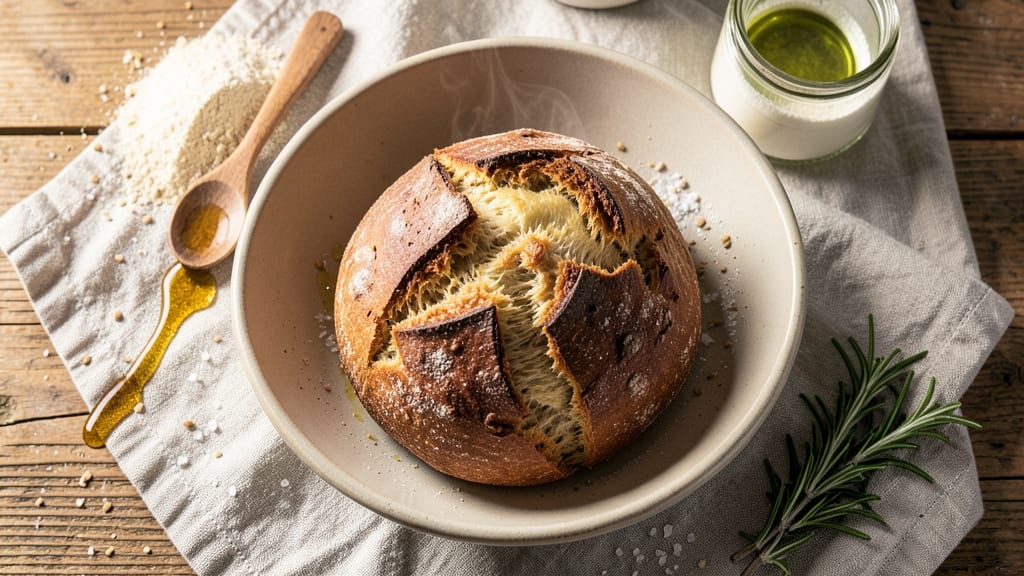
This 60-minute whole wheat bread recipe delivers restaurant-quality crust and airy crumb without the hours of waiting. The secret lies in a high-hydration dough that develops flavor and texture quickly while maintaining a light, open crumb—something most home bakers struggle to achieve with whole wheat.
I've perfected this method after years of experimenting, and it consistently yields bread that's crisp on the outside, tender inside, and packed with nutty whole wheat goodness.
The recipe uses a combination of whole wheat flour and vital wheat gluten to improve elasticity and rise, while honey and olive oil enrich the flavor and texture. You'll work with a slightly sticky dough that requires minimal kneading, making it beginner-friendly yet impressive enough for dinner guests.
The key to success is proper proofing—letting the dough rise at room temperature for 30 minutes, then a second rise in a warm oven before baking.
By the time you pull that golden-brown loaf from the oven, you'll have bread with a crackly crust that shatters satisfyingly and a crumb filled with air pockets that make each slice light and fluffy.
This isn't the dense, heavy whole wheat bread you might be used to—it's the kind that rivals artisanal white bread in texture while delivering all the nutritional benefits. The aroma alone will have everyone asking for seconds.
Perfect for sandwiches, toast, or serving alongside soups and stews, this bread comes together in just one hour from start to finish. Whether you're a seasoned baker or new to whole wheat, this recipe transforms a simple pantry staple into something extraordinary. Let's get baking!
Ingredients for 60 whole wheat bread
High-hydration dough with whole wheat flair—just 12 ingredients for restaurant-style bread.
| Ingredient | Amount | Notes |
|---|---|---|
| Whole Wheat Flour 🌾 | 3 cups | King Arthur or Bob's Red Mill preferred |
| Vital Wheat Gluten 🌾 | ½ cup | For improved rise and texture |
| Honey 🍯 | ¼ cup | Local raw honey preferred |
| Extra-Virgin Olive Oil 🫒 | ¼ cup | High quality, fruity variety |
| Active Dry Yeast 🍞 | 1 package | 2.25 tsp or 1 packet |
| Granulated Sugar 🍚 | 1 tbsp | Feeds yeast for better rise |
| Warm Water 💧 | 1 ¼ cups | 110°F for optimal yeast activation |
| Salt 🧂 | 1 ½ tsp | Diamond Crystal kosher preferred |
| Instant Cornstarch 🌽 | 1 tbsp | For dusting and breading |
| Ice Water ❄️ | ¼ cup | For final dough temperature control |
| Cornmeal 🌽 | 2 tbsp | For dusting loaf pans |
| Coarse Sea Salt 🧂 | 1 tsp | For final crust sprinkle |
The flour makes all the difference. King Arthur or Bob's Red Mill whole wheat flour has the right protein balance for this recipe—any other brand might yield a denser loaf. Vital wheat gluten is non-negotiable here; it gives you that light, airy crumb you'd expect from white bread. I grab mine from Whole Foods bulk section, but the regular supermarket stuff works too. For the honey, local raw varieties add subtle floral notes, but store-bought works perfectly fine. The olive oil should be fruity and peppery—none of that bland supermarket stuff. And always check your yeast expiration date; nothing kills a recipe faster than dead yeast.
No vital wheat gluten? Add an extra 0.25 cup of whole wheat flour, but expect less rise. Swap honey for maple syrup or agave at the same amount—just know the flavor will be slightly different. Running low on olive oil? Avocado oil works too, though it lacks the fruity depth. The cornstarch is just for dusting—if you're out, all-purpose flour works in a pinch. And if you're worried about the dough being too sticky, add 1 extra tablespoon of flour during mixing. The ice water is crucial for temperature control; if you don't have ice, use cold water from the fridge instead.
This dough keeps beautifully. Covered in the fridge, it'll wait up to 24 hours before shaping—perfect for overnight prep. Once baked, store wrapped at room temperature for 3 days or freeze slices for 3 months. I always slice mine fresh before serving—it keeps better that way. For extra crispiness, reheat slices at 350°F for 5 minutes before serving. And trust me, the aroma alone will have everyone thinking you spent hours baking.
Why You'll Love This Recipe
- No-Knead Magic: I swear by this dough—just mix, let it rise, and forget it. The vital wheat gluten gives it that light, airy texture without a single turn of the mixer.
- Honey-Glazed Richness: That drizzle of honey? It’s not just sweetness—it caramelizes into a golden crust that cracks open like a perfect toast. The olive oil keeps it tender, but the honey makes it sing.
- Weeknight & Picnic Hero: Slice it fresh for sandwiches or pack it for lunch—it stays crisp for days. Honestly, I’ve fed a crowd with this loaf and still had leftovers for my own breakfast.
- Budget-Busting Staple: Whole wheat flour and yeast are cheap, but this bread tastes like an artisanal loaf. I make two batches at once, freeze half, and never buy store bread again.
Step-by-step instructions for 60-Minute whole wheat bread
Here's how to make restaurant-quality whole wheat bread in less than an hour.
Activate the Yeast and Mix the Dough
In a large mixing bowl, combine the 1 package Active Dry Yeast, 1 tbsp Granulated Sugar, and 1.25 cups Warm Water at 110°F. Let this sit for 5-10 minutes until you see lots of bubbles forming on the surface—this means your yeast is alive and ready to work. If it doesn't bubble, your yeast might be dead, and you'll need to start over.
Next, whisk together the 3 cups Whole Wheat Flour, 0.5 cup Vital Wheat Gluten, and 1.5 tsp Salt in a separate bowl. The gluten gives your bread that perfect structure and chewiness. Add the 0.25 cup Honey and 0.25 cup Extra-Virgin Olive Oil to the yeast mixture and stir well. Now pour the wet ingredients into the dry ingredients and mix with a wooden spoon until a shaggy dough forms.
Knead the Dough Until Smooth
Turn the dough onto a lightly floured surface and knead for 5-7 minutes by pushing, folding, and turning. You're looking for a smooth, elastic dough that springs back when poked. The gluten needs time to develop for that perfect texture. If it feels too sticky, add 1 tbsp Instant Cornstarch at a time until it's manageable.
Here's the thing—whole wheat dough is trickier than white flour dough, so don't be discouraged if it doesn't look perfect right away. Once it's smooth, place it back in the bowl, cover with a damp towel, and let it rise in a warm spot for 20-25 minutes. You'll know it's ready when it's puffed up about 50% larger than when you started.
Shape and Proof the Loaf
After the dough rises, punch it down gently to release any air bubbles. Shape it into a loaf by folding the ends toward the center and rolling it tightly. Place it seam-side up in a greased 9x5-inch loaf pan dusted with 2 tbsp Cornmeal—this prevents sticking and gives a nice crust. Let it rise again for 15 minutes until it's just above the pan's rim.
While it proofs, preheat your oven to 375°F. The second rise is quick but crucial—it ensures your bread has that light, airy texture. If you're short on time, you can skip the second rise and bake immediately, but the texture won't be as good. Trust me, those extra minutes make a difference.
Bake to Golden Perfection
Bake the bread for 25-30 minutes until the top is deep golden brown and sounds hollow when tapped on the bottom. If it browns too quickly, tent it with foil to prevent burning. The internal temperature should reach 190°F—this guarantees a fully baked loaf.
As soon as it's done, remove it from the pan and brush the top with a little water or olive oil while still warm. Sprinkle with 1 tsp Coarse Sea Salt for that classic breadhouse flavor. Let it cool on a wire rack for at least 30 minutes before slicing—this prevents a gummy texture and lets the crumb set properly.
Slice and Serve
Once cooled, slice your bread with a sharp serrated knife for clean cuts. The interior should be tender with a nice open crumb, and the crust should be crispy yet still soft enough to toast. Serve warm with butter, jam, or your favorite spread. This bread freezes beautifully too—just slice before freezing for easy toasting later.
Pro Tips For Making 60 Whole Wheat Bread
- Weigh Your Flour: I learned this the hard way—spooning whole wheat flour into cups leaves you guessing. Use a kitchen scale for the vital wheat gluten and whole wheat flour; even a 10-gram difference throws off texture. (Yes, it’s worth the 30 seconds.)
- Bloom the Yeast in Warm Honey Water: Skip the lukewarm tap water—mix the yeast with honey and a splash of warm (not hot) water first. The honey feeds the yeast faster, and you’ll see bubbles in 5 minutes instead of 10. If it doesn’t bubble? Start over.
- Knead Until Silky, Not Tough: Whole wheat dough resists like a stubborn mule. Work it until it’s smooth and elastic—about 8-10 minutes by hand. Over-kneading turns it dense; under-kneading leaves it gummy. (Test by stretching a piece: it should snap back, not tear.)
- Proof in a Warm Drawer, Not the Oven: I used to proof this dough on the stovetop, but a warm (not hot) proofing drawer—lined with a towel—keeps temps steady at 78°F (25°C). Too hot? It rises too fast and collapses. Too cool? It’ll take hours. (A microwave with a cup of hot water works in a pinch.)
Best sauces and condiments for this 60 whole wheat bread
Classic Garlic Butter
This is my go-to for whole wheat bread—simple yet transformative. Melt 2 tbsp unsalted butter with 2 minced garlic cloves and a pinch of salt in a small saucepan over low heat until fragrant.
Brush warm slices with this mixture while still slightly steaming. The garlic infuses beautifully into the nutty whole wheat, creating a flavor bridge between the bread and any toppings. 🧄
Honey Mustard Glaze
Whole wheat bread pairs surprisingly well with sweet and tangy flavors. Mix 2 tbsp Dijon mustard with 1 tbsp honey and 1 tsp apple cider vinegar in a small bowl. Warm the mixture slightly to blend flavors, then drizzle over toasted slices.
The honey balances the earthiness of the whole wheat while the mustard adds a sophisticated kick. Perfect for breakfast or brunch!
Olive Oil & Herbs
Elevate your bread with a simple olive oil and herb finish. Combine 1 tbsp extra-virgin olive oil with 1 tsp dried rosemary and ½ tsp dried thyme, then warm gently.
Drizzle over warm bread slices just before serving. The herby notes complement the natural sweetness of the whole wheat, making it ideal for soups or charcuterie boards. 🌿
Spicy Harissa Spread
For those who love heat, try a harissa butter spread. Mix 2 tbsp softened butter with 1 tsp harissa paste (like Bella brand) and a pinch of smoked paprika. Spread on warm bread slices for a North African-inspired twist.
The harissa's smoky heat cuts through the bread's density while adding depth. Serve with grilled meats or roasted vegetables for a full meal.
Cream Cheese & Everything Bagel Seasoning
This is my weekend favorite—creamy and crunchy in one bite. Spread 2 tbsp softened cream cheese on toasted slices, then sprinkle generously with everything bagel seasoning (look for Schwartz's brand).
The salty, sesame, and poppy seed blend creates a perfect contrast to the bread's hearty texture. It's like a bagel experience without the doughy base! 🥯
Balsamic Reduction
Add a touch of sophistication with a quick balsamic reduction. Simmer 2 tbsp balsamic vinegar in a small saucepan until reduced by half. Drizzle over warm bread slices and top with a dollop of ricotta cheese for a sweet-savory balance.
The tangy reduction brightens the whole wheat's natural flavors, making it perfect for antipasto platters or as a side to rich dishes.
Nutrition facts
Frequently asked questions
Why does this recipe use vital wheat gluten?
Vital wheat gluten improves the rise and texture of whole wheat bread by adding elasticity that whole wheat flour alone lacks. Without it, your loaf might turn out dense. Think of it as the secret ingredient that makes this bread light and airy—just like artisanal white bread, but with all the nutrition of whole grains.
Can I make this bread without a stand mixer?
This dough requires only 5-7 minutes of hand-kneading on a lightly floured surface. The high-hydration dough is sticky but manageable—just wet your hands occasionally to prevent sticking. The key is patience; knead until the dough springs back when poked.
What if my dough doesn't rise properly?
Check your yeast first—it should bubble vigorously within 5-10 minutes when mixed with warm water. If not, your yeast may be dead. Also ensure your kitchen is warm enough (at least 75°F); a cold environment slows fermentation. Try placing the bowl near a warm oven with the light on for faster rising.
How do I store leftovers to keep them fresh?
Wrap cooled bread tightly in plastic wrap or aluminum foil and store at room temperature for up to 3 days. For longer storage, slice and freeze—this prevents staling. To revive, toast frozen slices directly from the freezer or warm at 350°F for 5 minutes for that fresh-baked taste.
Can I substitute whole wheat flour with white flour?
You can replace up to 50% of the whole wheat flour with all-purpose flour for a lighter texture, but the flavor will be less nutty. For best results, keep the whole wheat-to-white flour ratio at 3:1. The vital wheat gluten should remain to maintain structure. This modification works well for sandwich bread but loses the hearty whole grain benefits.