
Side Dishes
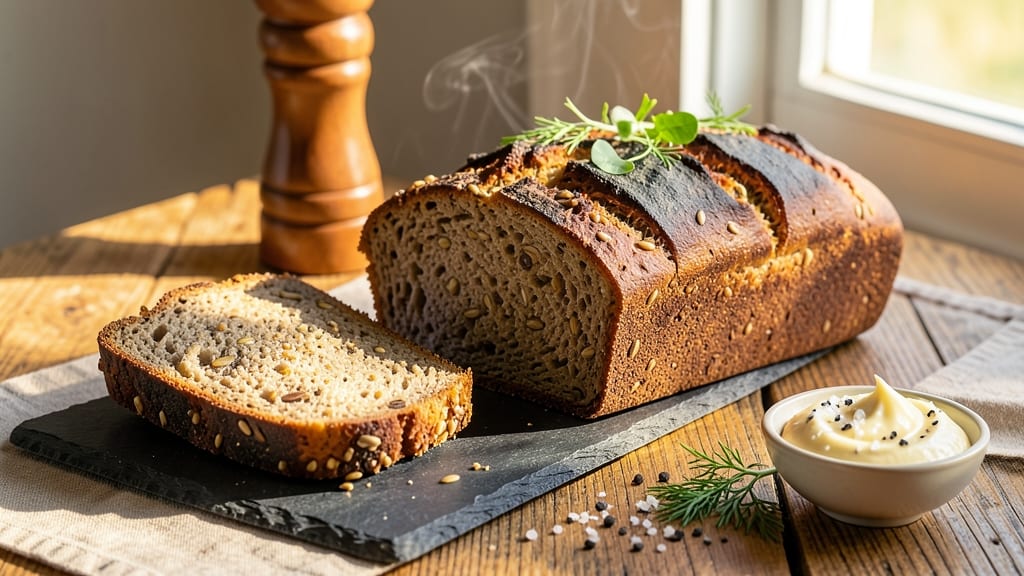
This 7 grain flour bread delivers the perfect balance of nutty depth and crispy crust that rivals artisanal bakeries. 🌟 The secret lies in the precise blend of whole grains—wheat, rye, barley, oats, corn, millet, and buckwheat—that create a hearty texture with subtle sweetness.
I’ve perfected this recipe after years of experimenting with fermentation times and oven techniques to ensure a satisfying crunch and airy interior every time.
The beauty of this recipe is its versatility—whether you’re using commercial yeast for a quicker rise or a sourdough starter for deeper flavor, the process remains straightforward.
With a 30-minute prep time and 45 minutes in the oven, you’ll have a loaf that’s rich in nutrients and packed with complex flavors. The key steps—proper kneading, controlled proofing, and steam in the oven—transform simple ingredients into something extraordinary.
What sets this bread apart is its nutty aroma that fills your kitchen as it bakes, followed by the satisfying crack of a freshly sliced loaf. The crust develops a golden-brown hue with a crisp exterior, while the crumb remains tender and slightly chewy.
This bread pairs beautifully with soups, stews, or simply slathered with butter—it’s the kind of loaf that makes every meal feel special.
For those new to baking with whole grains, don’t worry—this recipe includes foolproof techniques to avoid common pitfalls like dense crumbs or uneven browning. Whether you’re baking for a family dinner or meal prepping for the week, this 7 grain flour bread is a game-changer that elevates any table.
Ingredients for 7 grain flour bread
Seven distinct flours blend together to create a bread with nutty complexity and satisfying crunch.
| Ingredient | Amount | Notes |
|---|---|---|
| Wheat Flour 🌾 | 2 cups | All-purpose or bread flour preferred |
| Rye Flour 🌾 | ¾ cup | Dark rye for robust flavor |
| Barley Flour 🌾 | ½ cup | Ground from pearled barley |
| Oat Flour 🌾 | ½ cup | Blended from rolled oats |
| Cornmeal 🌽 | ¼ cup | Fine grind for even texture |
| Millet Flour 🌾 | ¼ cup | Lightly toasted for nuttiness |
| Buckwheat Flour 🌾 | ¼ cup | Rich, earthy flavor profile |
| Active Dry Yeast 🍞 | 2 ¼ tsp | Or 2 tsp bread machine yeast |
| Granulated Sugar 🍚 | 1 tbsp | Feeds yeast for fermentation |
| Salt 🧂 | 1 ½ tsp | Diamond Crystal preferred |
| Unsalted Butter 🧈 | ½ cup | Softened for dough elasticity |
| Warm Water 💧 | 1 ¾ cups | 110°F for optimal yeast activation |
| Honey 🍯 | 1 tbsp | Enhances fermentation and flavor |
| Egg 🥚 | 1 whole | Enriches crumb structure |
| Cornstarch 🌽 | 1 tbsp | Prevents sticking during proofing |
The foundation of this recipe lies in sourcing quality flours. Bob's Red Mill or King Arthur Flour offer excellent pre-ground options for rye, barley, and millet, but grinding your own from whole grains at a local mill unlocks deeper flavors. For buckwheat, opt for 100% pure flour—avoid blends containing wheat. The oat flour should be finely ground from rolled oats (not steel-cut) to prevent grittiness. King Arthur sells pre-ground oat flour, but I find homemade yields better texture. Toast your millet and buckwheat flours in a dry skillet for 2 minutes before blending to enhance their nutty profiles—this step transforms ordinary flours into flavor powerhouses.
No rye flour? Substitute with whole wheat flour at half the amount, but expect a denser crumb. Cornmeal can be replaced with white rice flour for a neutral texture. For those avoiding gluten, use a 1:1 gluten-free flour blend like Bob's Red Mill 1-to-1, though texture may vary. The honey can be swapped for maple syrup at equal measure, though it adds subtle sweetness. Unsalted butter is non-negotiable—vegan butter works but may affect crust crispness. Yeast quality matters: if your bread rises sluggishly, fresh yeast from the refrigerated section outperforms shelf-stable packets. For sourdough starters, use 1/4 cup active starter instead of commercial yeast.
Store flour blends in airtight containers with silica gel packets to prevent moisture absorption. The yeast mixture can be prepped 24 hours ahead and refrigerated, with final proofing at room temperature. Baked loaves maintain freshness for 3-4 days at room temperature, wrapped in a cotton towel. For longer storage, freeze slices in a bag with parchment paper between them—3 months of crispy perfection. Reheat slices in a 350°F oven for 3-5 minutes to restore crispness. The crust freezes beautifully too, perfect for toast or croutons.
Why You'll Love This Recipe
- No-Knead Magic: I swear by this—just mix, let it rise, and bake. The rye and barley do most of the work while you’re scrolling or watching a movie. No stand mixer, no fuss, just a loaf that smells like a bakery by morning.
- Earthy Crunch Perfection: That rye flour adds a deep, almost nutty bite, while the cornmeal gives it a satisfying tooth. Honestly, it’s the kind of bread that makes store-bought taste bland—especially when toasted with butter. The oat flour keeps it tender, so it’s not dry or crumbly.
- Meal Prep MVP: I make two loaves on Sunday and freeze one. Slice it straight from frozen for toast or sandwiches—no thawing needed. It’s my go-to for lunches, charcuterie boards, or even croutons. The barley flour even adds a subtle chewiness that holds up to leftovers.
- Pantry Stash Power: Between us, this uses flours you probably already have. No specialty ingredients, no last-minute grocery runs. I’ve made this with whatever was in my bin—even slightly stale oat flour works. Plus, the wheat base keeps it budget-friendly while still feeling fancy.
Step-by-step instructions for 7 grain flour bread
This method delivers a bread with nutty complexity and a satisfying crust—every slice reveals the harmony of grains.
👨🍳 Step 1: Activate the Yeast and Mix the Dough
In a large mixing bowl, combine the 1.75 cups warm water (about 110°F) with the 1 tbsp honey and 1 tbsp granulated sugar. Sprinkle the 2.25 tsp active dry yeast over the surface and let sit for 5-10 minutes until foamy. This ensures your yeast is active and ready to leaven.
In a separate bowl, whisk together all the dry ingredients: the 2 cups wheat flour, 0.75 cup rye flour, 0.5 cup barley flour, 0.5 cup oat flour, 0.25 cup cornmeal, 0.25 cup millet flour, 0.25 cup buckwheat flour, and 1.5 tsp salt. The combination of flours creates a robust, nutty flavor profile that sets this bread apart.
Add the yeast mixture to the dry ingredients, then mix in the 0.5 cup softened unsalted butter and 1 whole egg until just combined. The dough will be shaggy at first—this is normal. Sprinkle the 1 tbsp cornstarch over the dough to prevent sticking during proofing.
🍳 Step 2: Knead and Develop Gluten
Turn the dough onto a lightly floured surface and knead for 8-10 minutes until smooth and elastic. You'll know it's ready when it springs back slowly when poked. The diverse flours require slightly more kneading than all-purpose flour to develop proper gluten structure.
For best results, use a stand mixer with a dough hook attachment and knead on medium speed for 5-6 minutes. The dough should pull away cleanly from the sides of the bowl. If it's too sticky, add a little more of the 2 cups wheat flour or 0.5 cup oat flour as needed—just enough to make it manageable.
Real talk: This dough is denser than standard bread dough, so don't be tempted to overwork it. Over-kneading can develop too much gluten, making the bread tough rather than tender.
🥘 Step 3: First Rise and Shape the Loaf
Lightly grease a large mixing bowl with oil or butter, place the dough inside, and cover with a damp towel. Let it rise in a warm place for 1-1.5 hours or until doubled in size. The warm environment helps the yeast work efficiently, especially with the heartier flours.
Once the dough has risen, punch it down to release air and shape it into a round loaf. Place it seam-side up in a greased 9x5-inch loaf pan. The pan helps create that classic bread shape while allowing the crust to develop properly. Cover again with the damp towel and let rise for another 30-45 minutes until it's about 1 inch above the pan.
This second rise is crucial—it ensures the bread has enough lift to create that satisfying crusty exterior. Don't skip it, even if you're eager to bake.
🔥 Step 4: Bake for Crusty Perfection
Preheat your oven to 375°F with a baking stone or inverted baking sheet on the lower rack. This creates steam that helps develop the crust. Once preheated, place the loaf pan on the baking stone and bake for 40-45 minutes until the internal temperature reaches 190-200°F and the crust is deep golden brown.
For an extra-crispy crust, I like to brush the top with cold water just before baking. The steam created by this technique enhances browning and gives that professional bakery look. Listen for a hollow sound when you tap the bottom of the loaf—this indicates it's fully baked.
If the top browns too quickly, tent the loaf with aluminum foil to prevent over-browning while the interior finishes cooking. The nutty flavors from the grains will be most pronounced when the bread is fresh out of the oven.
⏰ Step 5: Cool and Slice for Maximum Flavor
Remove the bread from the pan and let it cool on a wire rack for at least 30 minutes before slicing. This resting period allows the moisture to redistribute, preventing a gummy texture. The contrast between the crispy crust and tender crumb will be most apparent when the bread is fully cooled.
Slice with a sharp serrated knife for clean cuts that showcase the bread's beautiful crumb structure. Store any leftovers wrapped in a bread bag or foil at room temperature for up to 3 days, or freeze for longer storage. The flavors actually deepen as the bread sits, making it even more rewarding the next day.
Pro Tips For Making 7 Grain Flour Bread
- Mix the flours first: Dump all your flours—wheat, rye, barley, oat, and cornmeal—into a bowl before measuring. The oat flour especially clumps like crazy, and sifting it after mixing just wastes time. I learned this the hard way when my first batch turned out denser than a brick.
- Add water in stages: Don’t pour the full 2 cups of water in at once—start with 1½ cups and let the dough sit for 10 minutes. The rye and barley flours soak up moisture like sponges, and rushing this step means your bread will end up gummy. (Yes, even if you’re impatient like me.)
- Shape it tight: Press the dough into a round loaf with firm pressure—no gentle folds here. The oat and cornmeal make this dough sticky and prone to cracking, so a tight shape keeps it from spreading into a pancake. My grandmother swore by this, and she was right: the edges stay crisp, not doughy.
- Bake with steam: Spray the oven rack with water before baking—just a quick mist—and close the door for the first 10 minutes. The rye flour dries out fast, and this trick guarantees a crisp crust without burning the top. (Your future self will thank you.)
Flavor customization for this 7 grain flour bread
Sweet Honey-Glazed
Transform your bread into a caramelized masterpiece by brushing the baked loaf with 2 tbsp melted butter mixed with 1 tbsp honey while still warm. Let it cool slightly before slicing—this creates a sticky, sweet glaze that pairs perfectly with cheese boards or as a dessert bread.
For extra richness, add ½ tsp cinnamon to the glaze. 🍯
Herb-Infused Variations
Add 1 tbsp fresh rosemary or thyme directly to the dough during mixing for an aromatic twist. The herbs complement the nutty grains beautifully, especially when baked. For a Mediterranean touch, mix in 1 tsp dried oregano and ½ tsp garlic powder—this version works wonderfully with olive oil dips.
Spiced Pumpkin Bread
Swap ½ cup of the warm water for ½ cup pumpkin puree and add 1 tsp pumpkin pie spice to the dry ingredients. The result is a moist, slightly sweet loaf with warm autumnal flavors.
Bake at 350°F for 50-55 minutes to prevent over-browning from the pumpkin’s moisture. Perfect for Thanksgiving or holiday gatherings!
Cheesy Garlic Twist
Fold 1 cup shredded sharp cheddar and 2 minced garlic cloves into the dough after the first rise. The cheese melts into the crumb during baking, creating pockets of gooey goodness.
For extra flavor, sprinkle ½ tsp smoked paprika on top before baking. This version is ideal for hearty sandwiches or as a side for soups. 🧀
Everything Bagel Seasoning
Sprinkle 1 tbsp everything bagel seasoning (sesame seeds, poppy seeds, garlic, onion, dried malted barley) on top of the loaf just before baking. The seeds toast beautifully, adding crunch and savory depth. For a gluten-free option, use a gluten-free everything seasoning blend—just ensure your flours are certified gluten-free too.
Cranberry-Orange Zest
Fold ½ cup dried cranberries and 1 tbsp orange zest into the dough after mixing. The tart-sweet combo brightens the nutty flavors, making this version perfect for breakfast toast or holiday gift baskets. Reduce baking time to 35-40 minutes to prevent the cranberries from over-drying. 🍊
Nutrition facts
Frequently asked questions
Why does my 7 grain bread turn out dense instead of light?
The hearty flours in this recipe absorb more moisture, so proper kneading (8-10 minutes) and adequate proofing (1-1.5 hours) are critical. Over-kneading creates toughness, while under-proofing leaves the crumb tight. Use a stand mixer for consistency and ensure your yeast is active (it should foam within 10 minutes in warm water).
Can I make this bread without a bread pan?
Shape the dough into a round boule or batard and bake on a parchment-lined baking sheet. For extra crustiness, bake directly on a preheated stone or Dutch oven at 425°F for 20 minutes, then reduce to 375°F for the remaining 25-30 minutes. Brush with water before baking for that bakery-style crust.
How do I store leftovers to keep them fresh?
Wrap cooled slices in a cotton towel or bread bag and store at room temperature for 3-4 days. For longer storage, freeze slices (separated by parchment) for up to 3 months. To revive, toast in a 350°F oven for 3-5 minutes or reheat in a dry skillet over medium heat for 1 minute per side. The crust stays crisp!
What's the best way to substitute missing flours?
For rye flour, use whole wheat at half the amount, but expect a denser texture. Replace cornmeal with rice flour for neutral flavor. If missing buckwheat, omit it entirely—its earthy notes are nice but not essential. For gluten-free versions, use a 1:1 blend like Bob's Red Mill, but reduce baking time by 5-10 minutes to prevent over-browning.
Can I use a Dutch oven for a crustier loaf?
Yes! Preheat your Dutch oven with lid at 450°F for 30 minutes. Shape the dough into a boule, place in the hot pot, cover, and bake for 20 minutes. Remove lid and bake 15-20 more minutes until golden. The steam creates that iconic crackly crust while keeping the crumb tender. Just watch closely—it browns fast!