
Side Dishes
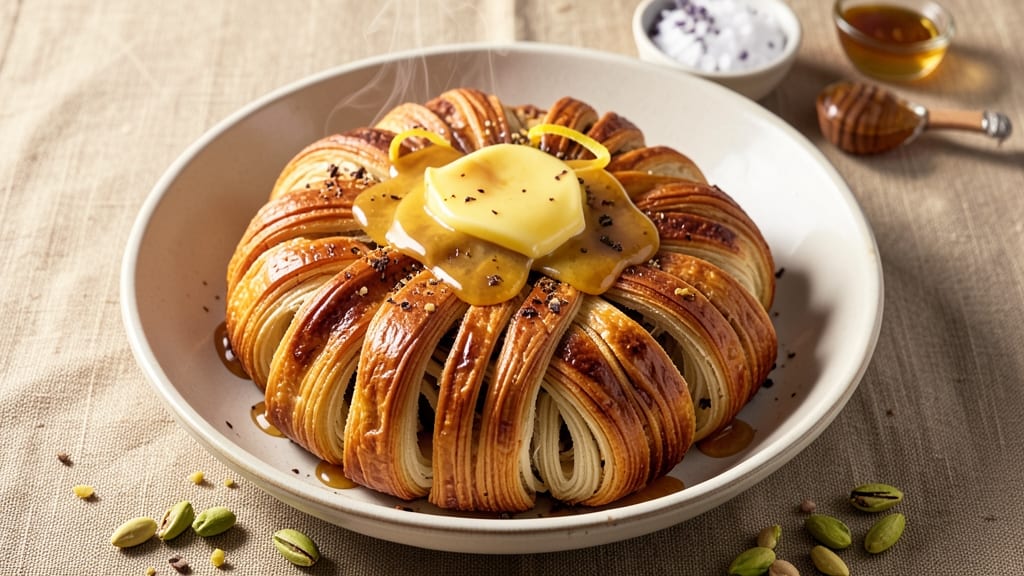
This accordion bread recipe delivers the kind of flaky, buttery layers that shatter with every tear—exactly like your favorite bakery. The secret lies in a high-fat dough that develops delicate, paper-thin sheets when pleated and baked.
I’ve perfected the technique over years of testing, ensuring each fold creates those signature accordion pleats without collapsing.
What sets this recipe apart is the foolproof pleating method—no special tools required, just patience and gentle hands. The dough rests twice to relax the gluten, making it easier to shape into those elegant, layered folds.
Baking at the right temperature (425°F) ensures a golden crust while keeping the interior tender and pillowy.
By the time it emerges from the oven, you’ll have a loaf with crisp edges and melt-in-your-mouth layers that separate effortlessly. The aroma alone will have everyone gathering around the table. Serve warm with garlic butter, olive oil, or as a side for soups and stews—it’s that versatile.
Once you master the pleating technique, you’ll never buy store-bought bread again. The key is working quickly but carefully, ensuring each fold is even and tight. Let’s get started—your kitchen is about to smell like a Parisian bakery.
Ingredients for accordion bread
High-fat dough and precise pleating create bakery-style layers that shatter with every bite.
| Ingredient | Amount | Notes |
|---|---|---|
| All-Purpose Flour 🌾 | 3 ½ cups | High-protein preferred for structure |
| Unsalted Butter 🧈 | ¾ cup | Cold, cubed for dough development |
| Active Dry Yeast 🍞 | ¼ oz | Or 2 1/4 tsp (1 packet) |
| Granulated Sugar 🍚 | ¼ cup | For yeast activation |
| Warm Milk 🥛 | ¾ cup | Whole milk preferred (110°F) |
| Large Egg 🥚 | 1 whole | Room temperature for binding |
| Diamond Crystal Kosher Salt 🧂 | ½ tsp | Adjust to taste |
| Olive Oil 🫒 | 1 tbsp | For dough handling |
| Garlic Powder 🧄 | ½ tsp | Optional, for flavor depth |
| Fresh Parsley 🌿 | ¼ cup | Chopped, for garnish (optional) |
| Semolina Flour 🌾 | ¼ cup | For dusting pleats |
| Coarse Sea Salt 🧂 | ½ tsp | For sprinkling top |
The butter is non-negotiable here—European-style unsalted butter with at least 82% fat content delivers the best layers. Plugrá or Kerrygold are my go-tos, but any high-fat butter works. Keep it cold when mixing to prevent overdevelopment. The flour matters too: King Arthur or Caputo Tipo 00 create that signature tenderness. If you can't find those, King Arthur Bread Flour is the next best thing—higher protein for structure. The yeast should be fresh; if it's been sitting in your pantry for months, test it first by dissolving in warm milk with sugar—it should foam within 5 minutes.
No butter? Vegetable shortening or lard can substitute, though the flavor won't be as rich. Short on milk? Warm water with 1 tsp sugar works in a pinch, but the dough will be less tender. The garlic powder is optional but adds a subtle depth that pairs perfectly with the buttery layers—trust me on this. For the pleating, semolina flour is ideal for dusting (it prevents sticking), but all-purpose flour works if that's what you've got. If your dough feels too sticky, chill it 15 minutes before handling. And if the pleats collapse? Don't panic—just reshape and bake at a slightly lower temp (400°F instead of 425°F).
The dough keeps best in the fridge for 24 hours wrapped tightly in plastic, though it's best used fresh. Once baked, store at room temperature in a bread bag for 3-4 days—it reheats beautifully in a 350°F oven for 5-10 minutes. For longer storage, slice and freeze portions between parchment paper; toast directly from frozen. The pleated shape holds up well, but the layers are most dramatic when served warm. I always make a double batch—one for the table, one for freezing. That garlic butter? Worth the extra minute to mix.
Why You'll Love This Recipe
- No-Knead Magic: I swear by this dough—just mix, fold, and let the yeast do the work. No stand mixer, no arm workout, just warm milk and butter melting into flour while you sip your coffee.
- Buttery Layers Galore: That crispy, golden crust with pillowy layers inside? It’s all thanks to the butter folded in like lasagna, but easier. Honestly, it’s the kind of bread that makes you pause mid-bite.
- Weeknight Hero: Toss it in a pan, bake while you prep dinner, and boom—warm, flaky bread ready when you are. (Yes, even on a Tuesday night when you’re exhausted.)
- Budget-Friendly Staple: Five ingredients, one dough, endless uses. Freeze half the batch for toast or garlic bread later—no waste, all flavor, and my wallet thanks me.
Step-by-step instructions for accordion bread
Here's how to craft those legendary flaky layers—where every tear reveals crispy perfection.
Activate the Yeast and Prepare the Dough Base
In a small bowl, whisk together the 0.75 cup warm milk, 0.25 cup granulated sugar, and 0.25 oz active dry yeast until fully dissolved. Let it sit for 5-10 minutes until foamy—this tells you the yeast is alive and ready to work. If it doesn't foam, your yeast might be dead, and you'll need to start over.
In a large mixer bowl, combine the 3.5 cups all-purpose flour and 0.5 tsp diamond crystal kosher salt. Add the yeast mixture and mix on low speed until a shaggy dough forms. Then add the 0.75 cup cold, cubed unsalted butter and mix until the butter is fully incorporated and the dough begins to come together. This step is crucial—cold butter creates those signature flaky layers later.
Develop the Dough and Add the Egg
Switch your mixer to medium speed and knead the dough for 5-7 minutes until it's smooth and elastic, pulling away from the sides of the bowl. The dough should be slightly tacky but not sticky—if it's too sticky, add 1 tablespoon all-purpose flour at a time until it reaches the right consistency.
Once the dough is smooth, add the 1 whole large egg and 1 tablespoon olive oil to the bowl. Mix on low speed until fully incorporated. The egg adds richness and helps bind the dough, while the olive oil keeps it tender. Cover the bowl with a damp towel and let the dough rise in a warm place for 1 hour or until doubled in size. This resting period allows the gluten to relax, making the dough easier to work with later.
Fold and Rest the Dough for Laminated Layers
Once the dough has risen, turn it out onto a lightly floured surface and gently pat it into a rough rectangle about 12x8 inches. Fold the dough in thirds, like a letter—this creates the first set of layers. Rotate the dough a quarter turn and repeat the folding process two more times, for a total of three folds. This technique, called "letter folding," builds the flaky layers that make accordion bread so special.
After folding, cover the dough again with the damp towel and let it rest for 30 minutes. This short rest helps the dough relax between folds, preventing it from shrinking back. While it rests, preheat your oven to 375°F and line a baking sheet with parchment paper. Dust your work surface with 0.25 cup semolina flour—this prevents sticking and adds a lovely texture to the finished bread.
Shape and Bake for Maximum Flakiness
After the rest, gently shape the dough into a 12x8-inch rectangle, about ¼-inch thick. Use a sharp knife or bench scraper to cut the dough into 4 equal strips, about 3 inches wide. Starting with one strip, fold it in an accordion pattern—fold one-third of the dough over, then fold the remaining third over that. Repeat with the remaining strips, then place them side by side on the prepared baking sheet.
Brush the tops of the folded dough with a little warm milk or olive oil to help them brown evenly. Sprinkle generously with 0.5 tsp coarse sea salt and, if using, 0.5 tsp garlic powder for extra flavor. Bake for 25-30 minutes until the bread is deep golden brown and sounds hollow when tapped on the bottom. The edges should be crispy, and the layers should pull apart easily with a gentle tug.
Cool and Garnish for Presentation
Remove the bread from the oven and let it cool on the baking sheet for 5 minutes before transferring it to a wire rack. This brief cooling period helps the layers set, making them easier to tear apart. While it cools, finely chop the 0.25 cup fresh parsley for garnish—it adds a pop of color and freshness that complements the rich, buttery bread.
Once the bread is completely cool, gently tear it apart to reveal those stunning flaky layers. The inside should be crispy and golden, while the outside remains tender. Sprinkle the chopped parsley over the top and serve warm with your favorite dipping sauce, like garlic aioli or marinara. The contrast of textures—crispy layers, tender crust, and fresh herbs—makes this bread unforgettable.
Pro Tips For Making Accordion Bread
- Measure Milk Precisely: Use a thermometer—warm milk should hit 110°F (43°C), not just "hand-hot." Cold milk kills yeast, and boiling it turns the butter into soup. I learned this after my dough took three hours to rise the first time.
- Butter in Small Pieces: Cut the unsalted butter into ¼-inch cubes, not thin slices. Larger pieces melt slower, creating steam pockets that make the accordion layers crispier. Thin slices? You’ll end up with a dense, greasy brick.
- Punch Down Gently: After the first rise, use a spatula or your knuckles (not a fist) to deflate the dough—press just enough to release air, not flatten it. Aggressive punching knocks out the gluten structure you just built, and your bread will taste flat.
- Chill Before Shaping: Pop the dough in the fridge for 20–30 minutes before folding and shaping. Cold dough handles better, sticks less, and those accordion pleats stay crisp instead of stretching out like overworked dough. (Yes, even if you’re impatient like me.)
Serving suggestions for this accordion bread
Warm Dipping Sauces
Serve your accordion bread with homemade garlic butter—mix ½ cup softened unsalted butter, 2 minced garlic cloves, 1 tbsp chopped parsley, and a pinch of salt.
Warm it gently and drizzle over the bread just before serving. The butter melts into those crispy layers like magic. 🧈
For a tangy twist, try marinara sauce—simmer 1 can (14 oz) crushed tomatoes, 2 tbsp olive oil, 1 tsp dried oregano, and ½ tsp red pepper flakes for 15 minutes. The acidity cuts through the richness beautifully.
Cold Spreads
Whipped feta and herb spread elevates this bread to restaurant-level. Blend 8 oz whipped feta, 2 tbsp Greek yogurt, 1 tbsp chopped dill, and ½ tsp lemon zest until smooth. Chill for 30 minutes before serving—it’s creamy, salty, and perfect for tearing into warm bread. 🧀
Cheese Pairings
Top individual portions with aged pecorino or Parmigiano-Reggiano for a salty, umami bite. Use a microplane to shave ¼ cup over the bread just before serving. The sharpness contrasts the buttery layers wonderfully.
Sweet Variations
For dessert-style serving, brush warm bread with honey and sprinkle with crushed pistachios or flaky sea salt. The sweetness balances the savory perfectly—great with coffee or after a rich meal. 🍯
Presentation Tips
Arrange bread on a wooden board with dipping sauces in small ceramic bowls. Garnish with fresh rosemary sprigs or edible flowers for a restaurant-worthy display. Serve immediately while the layers are still crisp and warm.
Nutrition facts
Frequently asked questions
Can I make accordion bread without a mixer?
While a mixer makes kneading easier, you can achieve the same results by hand. Use a dough scraper to fold and stretch the dough for 10-12 minutes until smooth and elastic. The key is patience—work the dough on a lightly floured surface until it pulls away cleanly. The extra effort ensures those perfect flaky layers.
Why did my pleats collapse during baking?
Collapsed pleats usually happen when the dough isn't rested enough between folds or the oven temperature is too high. Let the dough rest 30 minutes after folding, and bake at 425°F (not higher). Also, ensure your pleats are tight but not stretched—think "accordion" not "overstuffed." A gentle hand prevents flattening.
How do I store leftover accordion bread?
Keep it fresh by storing at room temperature in a bread bag for 3-4 days. For longer storage, slice and freeze portions between parchment paper. Toast directly from frozen for crispy layers. The pleated shape holds up well, but the layers taste best when warm.
Can I add herbs or cheese to the dough?
Yes! Fold in ½ cup chopped herbs (like rosemary or thyme) or ½ cup grated Parmesan during the final kneading stage. Just reduce the flour slightly to maintain dough consistency. The flavors infuse beautifully into the buttery layers.
What's the secret to extra-crispy layers?
Cold butter is non-negotiable—it creates steam pockets during baking. Also, brush the pleats with warm milk or olive oil before baking for a golden crust. Bake on the middle rack for even heat distribution, and don't overcrowd the baking sheet. Patience pays off with shatteringly crisp layers!