
Side Dishes
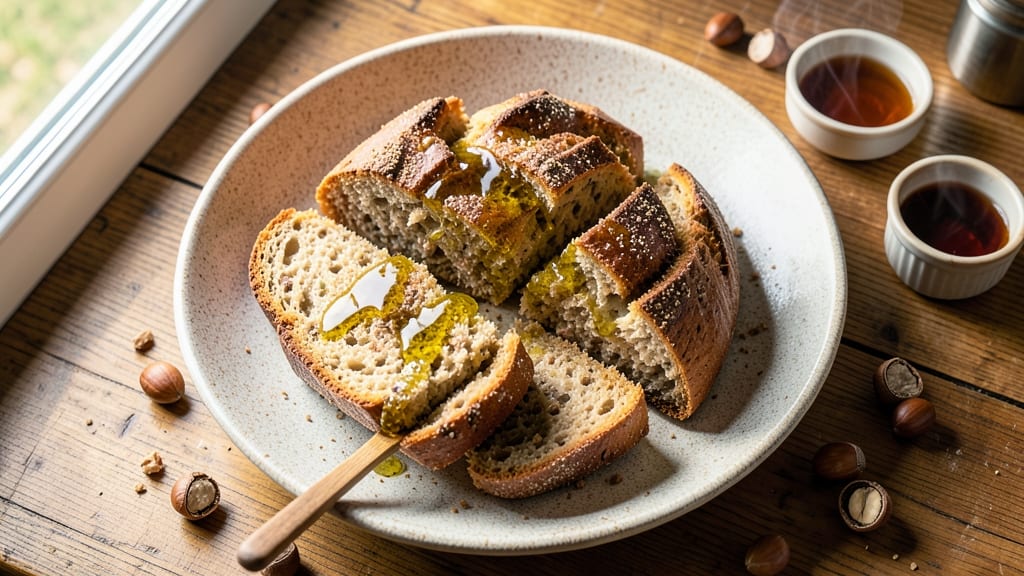
This acorn flour bread recipe transforms humble pantry staples into a loaf with a nutty crust and earthy depth that rivals artisanal bakeries. The secret lies in balancing acorn flour’s moisture absorption with precise hydration—no guesswork, just consistent results.
I’ve baked dozens of variations, and this method delivers a tender crumb with just the right chew, perfect for sandwiches or toast.
What sets this recipe apart is the fermentation step, which develops flavor and improves digestibility—critical when working with dense acorn flour. The dough requires patience (4 hours at room temperature), but the payoff is a loaf with complex, toasty notes that linger long after the first bite.
Optional additions like sunflower seeds or rosemary elevate the texture and aroma without overpowering the bread’s natural character.
Baking at 350°F ensures a golden crust while keeping the interior moist, and the steam-infused method prevents cracking. The result? A loaf that’s sturdy enough for slicing but tender enough to melt in your mouth.
Whether you’re new to acorn flour or a seasoned baker, this recipe simplifies the process while delivering restaurant-quality texture and flavor.
Store wrapped at room temperature for 2–3 days or freeze for up to 3 months—ideal for meal prep. Pair with soups, charcuterie, or simply enjoy with butter and jam. Let’s bake this bread together.
Ingredients for acorn flour bread
Precision-measured pantry staples and fermentation magic create this artisanal-style loaf.
| Ingredient | Amount | Notes |
|---|---|---|
| Acorn Flour 🌾 | 3 ½ cups | Finely milled, unsifted preferred |
| White Whole Wheat Flour 🌾 | 1 ½ cups | For structural support |
| Active Dry Yeast 🍞 | 2 ¼ tsp | Instant yeast preferred |
| Filtered Water 💧 | 1 ½ cups | Lukewarm, 105-110°F |
| Maple Syrup 🍯 | ¼ cup | Grade B for depth |
| Extra-Virgin Olive Oil 🫒 | ½ cup | Cold-pressed, fruity |
| Apple Cider Vinegar 🍎 | 1 tbsp | For fermentation boost |
| Sea Salt 🧂 | 1 ½ tsp | Fine grain, Diamond Crystal |
| Sunflower Seeds 🥜 | ½ cup | Toasted, optional |
| Fresh Rosemary 🌿 | ¼ cup | Finely chopped, optional |
| Cornmeal 🌽 | ¼ cup | For dusting loaf pan |
| Ice Water ❄️ | ¼ cup | For final dough adjustment |
Acorn flour demands attention—Bob's Red Mill or Nuts.com carry the best quality, finely milled and unsifted. The white whole wheat flour acts as a structural partner, balancing acorn flour's dense nature. Yeast should be fresh; test by dissolving in warm water—it should foam within 5 minutes. For the maple syrup, Grade B delivers deeper flavor than Grade A. Olive oil should be cold-pressed with fruity notes—California Olive Ranch is a reliable choice. Rosemary and sunflower seeds, if using, should be organic to preserve their delicate flavors. All ingredients must be measured precisely—acorn flour absorbs moisture differently than wheat flour.
No sunflower seeds? Pumpkin seeds or flaxseeds work equally well, toasted for similar texture. Substitute agave nectar for maple syrup at a 1:1 ratio, though flavor will differ slightly. For yeast sensitivity, reduce to 1.5 teaspoons if concerned about overproofing. The apple cider vinegar can be swapped for white vinegar or lemon juice, though fermentation may vary. If your acorn flour is coarse, pulse it briefly in a food processor for uniform texture. The cornmeal should be fine-ground—Bob's Red Mill cornmeal is ideal for this application.
This dough requires 4 hours of fermentation at room temperature—patience is key for optimal flavor development. Store finished loaves wrapped in a clean kitchen towel at room temperature for 2-3 days or freeze for up to 3 months in an airtight bag. For meal prep, slice and toast directly from frozen—no thawing needed. The bread pairs exceptionally well with vegan butter, hummus, or as an accompaniment to hearty soups. When reheating, wrap in foil and warm at 300°F for 10 minutes to restore moisture.
Why You'll Love This Recipe
- No-Knead Nightmare Solved: I swear by this dough—just mix, let it rise, and bake. The acorn flour keeps it dense and satisfying without the fuss of shaping baguettes or rolling out pizza crusts.
- Maple-Golden Crust: That touch of maple syrup? It caramelizes into a crispy, buttery edge while the interior stays soft. Honestly, it’s the kind of bread that makes you pause mid-slice just to admire it.
- Weeknight Workhorse: Toss together the night before, wake up to fresh bread, and you’re golden. It’s my go-to for sandwiches, toast, or even a quick French toast breakfast—no last-minute scrambling.
- Budget-Friendly Staple: Acorn flour might sound fancy, but it stretches further than all-purpose flour. Between us, this loaf costs half what store-bought artisan bread does, and it lasts a solid week in the freezer.
Step-by-step instructions for acorn flour bread
Master this rustic technique for a loaf with nutty complexity and satisfying chew.
Activate the Yeast with Maple and Vinegar
In a small bowl, combine the 1.5 cups filtered water, 0.25 cup maple syrup, and 1 tablespoon apple cider vinegar. Stir until the syrup dissolves completely. The vinegar and maple syrup create an ideal environment for yeast activation while adding subtle tang and depth.
Sprinkle the 2.25 teaspoons active dry yeast over the liquid and let sit for 10-15 minutes until frothy. You'll know it's active when bubbles form on the surface and the mixture smells pleasantly yeasty. If no activity occurs after 20 minutes, your yeast may be inactive—start fresh with a new packet. This step establishes the bread's rise foundation.
Mix the Dough with Wet and Dry Ingredients
In a large mixing bowl, combine the 3.5 cups acorn flour and 1.5 cups white whole wheat flour. Create a well in the center and pour in the yeast mixture, 0.5 cup extra-virgin olive oil, and 1.5 teaspoons sea salt. Using a wooden spoon, stir vigorously until a shaggy dough forms.
Gradually incorporate the 0.5 cup sunflower seeds and 0.25 cup chopped fresh rosemary, pressing them into the dough. The acorn flour will create a dense, hearty texture while the rosemary and seeds add aromatic complexity. Knead by hand for 8-10 minutes until the dough becomes smooth and elastic, pulling away from the bowl's sides.
Bulk Ferment for Optimal Flavor Development
Lightly oil a large bowl, place the dough inside, and cover with a damp kitchen towel. Let rise in a warm place for 1.5-2 hours, or until the dough has doubled in size and feels springy when pressed gently. The acorn flour's density requires longer fermentation than traditional breads.
During this time, the yeast will break down the flour's complex carbohydrates, developing the bread's signature nutty depth. For best results, maintain a consistent temperature around 75-80°F. If your kitchen is cooler, place the bowl near a warm oven with the light on. Patience here ensures a well-structured crumb and enhanced flavor.
Shape and Final Proof Before Baking
Turn the dough onto a lightly floured surface and gently shape it into a 9x5-inch loaf. The acorn flour's density makes this dough slightly stickier than traditional breads, so avoid over-handling. Place the shaped loaf in a greased loaf pan, seam-side up, and let it rise for another 30-45 minutes until it domes slightly above the pan.
Preheat your oven to 375°F with a baking stone or inverted baking sheet on the middle rack. Sprinkle 0.25 cup cornmeal evenly over the loaf's surface—this creates a crisp, golden crust while preventing sticking. The cornmeal also adds subtle sweetness that complements the acorn flour's earthiness.
Bake for Crisp Crust and Moist Crumb
Bake the bread for 45-50 minutes until the internal temperature reaches 205-210°F and the crust is deep golden brown with crackling texture. The acorn flour's high moisture content means you'll need to bake slightly longer than standard breads to achieve proper doneness.
For the last 5 minutes, tent the loaf with aluminum foil if the top browns too quickly. Remove from the oven and let cool in the pan for 10 minutes before transferring to a wire rack. The bread will continue steaming, developing its final texture. Serve warm for maximum flavor impact, with the crust offering satisfying crunch and the interior delivering moist, nutty satisfaction.
Pro Tips For Making Acorn Flour Bread
- Bloom the Yeast First: Skip mixing yeast directly into dry ingredients—it’s a rookie move. Instead, dissolve it in warm (not hot) filtered water with a pinch of maple syrup first, then let it foam for 5–10 minutes. This guarantees the yeast is active before it hits the acorn flour’s stubborn density, which can otherwise leave your dough sluggish and flat.
- Toast the Acorn Flour: I learned this the hard way—raw acorn flour tastes bitter and can make the bread dense. Lightly toast it in a dry skillet over medium-low heat for 8–10 minutes, stirring often, until it smells nutty and smells like autumn. Cool it completely before mixing; the extra effort cuts bitterness and improves texture.
- Knead Like You Mean It: Acorn flour absorbs moisture like a sponge, so don’t treat this like regular dough. Work the white whole wheat and acorn flour together for at least 10 minutes by hand (or 5–6 minutes in a stand mixer with a dough hook) until the dough pulls away from the bowl and springs back when poked. Less kneading = gummy bread.
- Proof in Two Stages: Let the dough rise at room temp for the first hour, then move it to the fridge overnight. The cold slows fermentation, deepens the maple syrup’s flavor, and prevents the acorn flour from overworking the gluten—resulting in a lighter crumb. Yes, it’s an extra step, but the payoff is worth it.
Perfect pairings for acorn flour bread
Buttery Spreads
This bread’s nutty depth pairs perfectly with vegan butter like Miyoko’s or Earth Balance—their rich, creamy texture contrasts beautifully with the acorn flour’s earthiness. Spread a thick layer on warm slices and top with fig jam or chopped walnuts for a sweet-savory balance.
For a savory twist, try olive tapenade or hummus to cut through the bread’s rustic flavor. 🧈
Soup Companions
Serve with roasted butternut squash soup or lentil stew to highlight the bread’s hearty texture. The acorn flour’s toasty notes complement the natural sweetness of squash, while the bread’s chewiness holds up against chunky stews.
For a lighter option, pair with tomato basil soup and a sprinkle of fresh basil to brighten the dish. 🥄
Cheese Boards
Create a vegan cheese board featuring aged cashew cheese, smoked gouda alternative, and almond-based brie. The bread’s nutty crust acts as the perfect vehicle for these rich flavors, while dried apricots and hazelnuts add sweetness and crunch.
For a simple setup, just arrange the bread, cheeses, and olive oil drizzle on a wooden board. 🧀
Herb-Infused Oils
Drizzle the bread with infused olive oil—try garlic-rosemary or lemon-thyme varieties—to enhance its natural flavors. The rosemary in the bread will harmonize with the oil’s herbal notes, while the garlic adds a subtle punch. For a bolder flavor, mix chili flakes into the oil before drizzling. 🫒
Sweet Toppings
Toast slices and top with almond butter and sliced banana for a quick breakfast, or spread with peanut butter and honey for a nostalgic treat. For a gourmet touch, layer whipped coconut cream and caramelized pears to balance the bread’s earthiness with creamy sweetness. 🍌
Nutrition facts
Frequently asked questions
Why does acorn flour bread need extra hydration?
Acorn flour absorbs 20-30% more moisture than wheat flour due to its dense, fibrous structure. The recipe uses 1.5 cups water plus ice water for adjustment—this ensures the dough stays workable without becoming gummy. Think of it like baking with whole grains: extra liquid helps create a tender crumb despite the flour's heaviness.
Can I substitute acorn flour with regular flour?
Not effectively! Acorn flour provides unique nutty depth and earthy texture that wheat flour can't replicate. However, you could blend 70% whole wheat flour with 30% almond flour for a similar dense texture, though the flavor will differ. The fermentation process also relies on acorn flour's complex carbs for optimal flavor development.
How do I fix a dense or gummy acorn flour bread?
Over-hydration or under-baking are common culprits. For next time, reduce water by 1 tablespoon or bake 5-10 minutes longer** at 350°F until internal temp reaches 205°F. If your dough feels sticky, add 1 tablespoon more flour during kneading. The key is patience—acorn flour needs longer fermentation (4+ hours) to develop properly.
What's the best way to store acorn flour bread?
Wrap cooled loaves in a clean kitchen towel and store at room temperature for 2-3 days to maintain freshness. For longer storage, freeze slices in a ziplock bag for up to 3 months. Toast directly from frozen—no thawing needed! The towel method prevents drying while preserving the crust's crispness.
Can I make this bread without yeast?
Yes! Replace yeast with 1 tbsp baking soda + 1 tbsp lemon juice for a quick-bread version. The texture will be denser (like a scone) but still delicious. For fermentation benefits, try 1 cup buttermilk + 1 tsp baking soda—this creates air pockets while keeping the nutty flavor intact. Quick breads bake at 375°F for 35-40 minutes.