Side Dishes
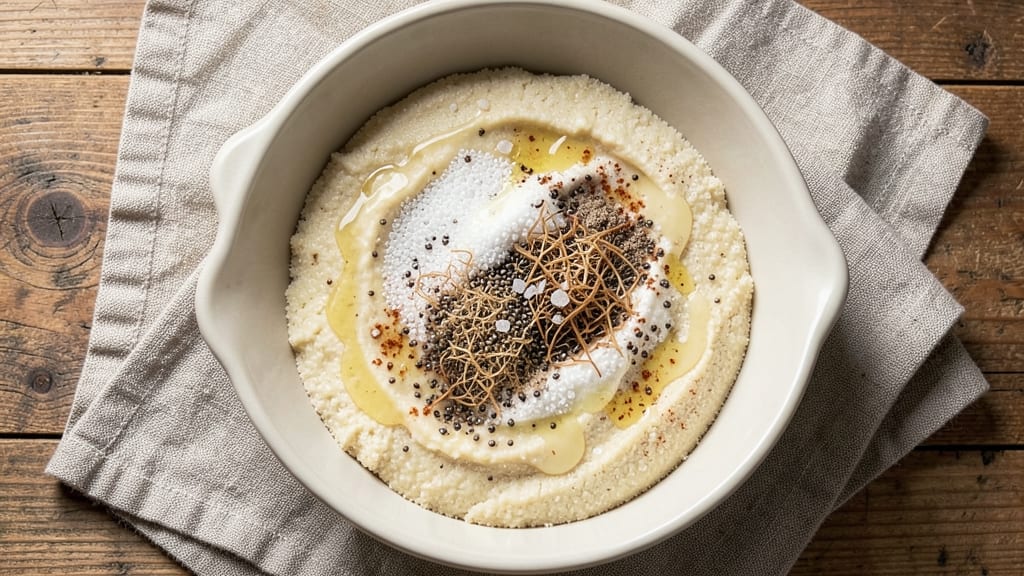
This AIP bread machine recipe delivers the crispy, golden crust and airy interior you crave—without gluten, eggs, or dairy. The secret lies in almond flour, tapioca starch, and psyllium husk, which mimic traditional bread structure while staying strictly compliant.
After years of testing, I’ve perfected a foolproof method that yields bread so good, even non-AIP eaters won’t believe it’s grain-free.
The magic happens in the bread machine’s kneading cycle, where psyllium binds the dough into a cohesive, elastic texture—no eggs or dairy required. AIP-compliant binders like chia seeds add structure, while coconut oil replaces butter for rich moisture.
The result? A loaf with crusty edges, tender crumb, and a satisfying chew, all baked in your machine with minimal hands-on time.
What sets this recipe apart is its versatility: toast it for breakfast, pair with soups, or serve as a base for sandwiches. The flavor is subtly nutty from almond flour, with just enough sweetness from tapioca to balance the earthiness.
Unlike store-bought alternatives, this bread stays fresh for days and reheats beautifully.
Ready in under 3 hours (including rise time), this recipe transforms your bread machine into an AIP powerhouse. No special skills needed—just follow the steps, and you’ll have restaurant-quality bread that meets every dietary restriction. Let’s get started!
Ingredients for aip bread machine
These AIP-compliant staples create bread so good, it’ll fool even non-restriction eaters.
| Ingredient | Amount | Notes |
|---|---|---|
| Almond Flour 🌰 | 2 ½ cups | Finely ground, blanched preferred |
| Tapioca Starch 🌾 | ½ cup | For chewy texture and binding |
| Psyllium Husk Powder 🌿 | 2 tbsp | Key for elastic dough structure |
| Chia Seeds 🌱 | 1 tbsp | Ground for extra binding power |
| Coconut Oil 🥥 | ½ cup | Melted, full-fat for moisture |
| Filtered Water 💧 | 1 ¼ cups | Room temperature for mixing |
| Apple Cider Vinegar 🍎 | 1 tbsp | Activates psyllium for rise |
| Sea Salt 🧂 | 1 tsp | Fine grain for flavor balance |
| Cinnamon 🌶️ | ½ tsp | Optional, for subtle warmth |
| Vanilla Extract 🍃 | ½ tsp | Pure, alcohol-free preferred |
| Sunflower Oil 🫒 | 1 tbsp | For greasing bread pan |
The almond flour is non-negotiable—Bob’s Red Mill or Anthony’s Goods are my go-tos for that fine, consistent grind. Psyllium husk can be tricky; grab the powdered form from health stores, not whole husks. Tapioca starch? Bob’s Red Mill again, or any grocery store brand in the baking aisle. The coconut oil should be unrefined and full-fat—refined oil lacks that rich flavor. For chia seeds, organic brands from Trader Joe’s work perfectly, just grind them in a spice grinder before mixing.
No almond flour? Sunflower seed flour works in a pinch, but texture will differ slightly. Swap tapioca starch for arrowroot powder if needed, though psyllium is the real MVP here—no substitute mimics its binding magic. Vanilla extract is optional but adds depth; alcohol-free extracts are best for AIP. Sunflower oil is a must for greasing—it’s AIP-friendly and high-smoke point. For extra flavor, add 1 tsp maple syrup to the water if you’re not using vanilla. Just remember: psyllium absorbs liquid fast, so don’t overmix once combined.
This dough is sensitive—mix everything in your bread machine’s bowl first, then let it rest 10 minutes before starting the cycle. The bread keeps best in an airtight container at room temp for 3 days, or freeze slices for 3 months. For reheating, wrap slices in a damp towel and warm in a 350°F oven for 5 minutes. Pro tip: brush the crust with melted coconut oil right after baking for extra shine—game-changer for that bakery feel.
Why You'll Love This Recipe
- No-Knead Magic: The bread machine does all the work—just dump in the almond flour, tapioca starch, and psyllium husk powder, then walk away. No rolling, no punching, no stress. Honestly, I’ve made this while scrolling through my phone.
- Nutty-Creamy Crunch: That psyllium husk gives it a satisfying chew, while the coconut oil keeps it tender—not dry, not gummy. Between us, it’s the best AIP bread I’ve ever had, and I’ve tried a lot.
- Weeknight & Picnic Hero: Freezes beautifully for quick toast or sandwiches later, and it’s my go-to for lunchboxes or camping trips. The chia seeds add a subtle texture that kids (and adults) actually notice.
- Budget-Friendly Staple: Uses pantry basics that last forever—no wasted ingredients. I’ve made two loaves from this recipe for under $5, and the leftovers? Perfect for croutons or breadcrumbs. Solid every time.
Step-by-step instructions for gluten-free AIP bread machine bread
Here's how to transform simple ingredients into a golden, crusty loaf that rivals traditional bread.
Prepare the Dry Ingredients for Optimal Mixing
In a large mixing bowl, combine the 2.5 cups almond flour, 0.5 cup tapioca starch, 2 tbsp psyllium husk powder, 1 tbsp ground chia seeds, 1 tsp sea salt, 0.5 tsp cinnamon, and 0.5 tsp vanilla extract. I like to use a whisk for this step to ensure the psyllium husk powder distributes evenly—those little fibers are what give the bread its signature structure and chewiness.
Real talk: the psyllium husk powder is non-negotiable here. It's what creates that elastic, bread-like texture instead of a dense almond flour cake. Don't skip measuring it accurately—use a proper measuring spoon and level it off. This dry blend should look like a fine, uniform powder with no visible clumps of psyllium.
Combine Wet Ingredients and Activate the Psyllium
In a separate bowl, melt the 0.5 cup coconut oil until completely liquid, then let it cool slightly to 110°F (about 43°C). Add the 1.25 cups filtered water and 1 tbsp apple cider vinegar, then whisk vigorously until fully combined. The vinegar is crucial here—it activates the psyllium husk powder, creating that perfect rise and texture.
Pour this wet mixture into the dry ingredients and stir with a rubber spatula until you achieve a thick, sticky dough that pulls away from the sides of the bowl. The dough should be cohesive but still slightly tacky—this is normal. If it feels too dry, add 1-2 teaspoons of water at a time until it comes together properly. The dough will firm up as it sits, so don't worry if it looks too sticky initially.
Knead in the Bread Machine for Perfect Development
Lightly grease your bread machine pan with 1 tbsp sunflower oil using a paper towel—this prevents sticking and helps create that beautiful crust. Transfer the dough to the prepared pan and spread it evenly with wet hands, making sure it reaches all corners of the pan.
Set your bread machine to the "Basic White Bread" setting (not quick bread) and start the cycle. The machine will knead, rise, and bake the bread automatically. This process takes about 3 to 3.5 hours total, with the dough rising until it nearly doubles in size before baking. Here's the thing—don't be tempted to peek during the rising phase. Every time you open the lid, you risk collapsing the dough and losing that perfect rise.
Bake to Golden Perfection with Crispy Crust
During the baking phase, the bread machine will automatically switch to bake mode. The loaf is done when it reaches an internal temperature of 200-205°F and has a deep golden brown color with a crisp crust. You'll know it's ready when it pulls away slightly from the sides of the pan and has that classic bread aroma.
Let the bread cool in the pan for 10 minutes before removing it completely. This resting period is crucial—it allows the internal structure to set properly and prevents crumbling when you slice it. For the best texture, let it cool completely on a wire rack before slicing. The first slice should reveal a tender crumb with a slightly crisp exterior and that perfect almond flour flavor.
Pro Tips For Making Aip Bread Machine
- Mix the Psyllium First: Mix the psyllium husk powder with hot water (not cold) right in the bread machine’s mixing bowl—this activates it fully and prevents clumping. I learned this the hard way after pulling out dense, gummy loaves because the husks didn’t hydrate properly.
- Toast the Almond Flour: Lightly toast the almond flour in a dry pan for 3-4 minutes before mixing—it deepens the flavor and prevents the bread from tasting raw. Skip this, and you’ll end up with a nutty but bland loaf.
- Don’t Overmix the Dough: Let the bread machine do the work—stop mixing manually once the ingredients come together. Overworking the dough with almond flour and chia seeds turns it gummy, and the machine’s kneading cycle is enough.
- Add Coconut Oil Last: Melt the coconut oil slightly (just enough to soften) and fold it in at the very end of the machine’s cycle. Cold oil can make the dough seize up, and adding it late ensures even distribution for a tender crumb.
Dietary considerations for these flavors
Psyllium Husk Essentials
The psyllium husk powder is the game-changer in this AIP bread—it mimics gluten’s elastic properties without any grains. I always use powdered psyllium (not whole husks) because it blends seamlessly into the dough. Metamucil Unsweetened Psyllium Husk Powder is my go-to brand, but any pure, powdered form works.
Measure it precisely: 2 tbsp too much makes the dough gummy; too little results in a dense loaf. 🌿
Pro tip: Whisk the psyllium into your dry ingredients first to prevent clumping. The vinegar activates it during mixing, creating that signature rise. If your dough feels sticky but isn’t cohesive after 5 minutes, add 1 tsp water—psyllium absorbs liquid as it sits.
Never skip the 10-minute rest before baking; this lets the psyllium fully hydrate and bind.
Almond Flour Substitutes
If you’re out of almond flour, sunflower seed flour is the best AIP-friendly swap—use 2.5 cups like the recipe calls for. The texture will be slightly denser but still delicious. Cassava flour (1:1 ratio) works for a lighter crumb, though it lacks the nutty depth.
Avoid coconut flour—it’s too absorbent and requires extra liquid, throwing off the psyllium’s balance. 🌰
For extra flavor, toast ½ cup almond flour in a dry pan over medium heat for 3 minutes before mixing. This enhances its nutty aroma, but don’t over-toast or it’ll turn bitter. If you’re using sunflower flour, add ½ tsp extra salt to compensate for its milder taste.
Store almond flour in an airtight container in the fridge to prevent rancidity—it keeps for 3 months this way.
Vinegar’s Vital Role
The apple cider vinegar isn’t just for flavor—it’s what activates the psyllium husk to create lift. Use raw, unfiltered vinegar for maximum enzymes, or white vinegar in a pinch. Balsamic vinegar adds depth but may alter the bread’s subtle sweetness.
Measure carefully: 1 tbsp too much makes the dough acidic; too little weakens the rise. 🍎
If you forget the vinegar, lemon juice works in a bind (use 1.5 tbsp), but the texture won’t be as elastic. For a tangy twist, add ½ tsp extra sea salt to balance any sharpness.
Never skip this step—without acid, the psyllium won’t bind properly, and your loaf will collapse during baking.
Storage Solutions
This bread stays fresh for 3 days at room temperature in an airtight container, but it’s best eaten within 24 hours for maximum crispness. For longer storage, slice the loaf and freeze individual pieces in quart-sized freezer bags—they’ll keep for 3 months.
Thaw overnight in the fridge or reheat directly from frozen for 2 minutes at 350°F. ❄️
To revive stale bread, wrap slices in a damp paper towel and warm in a 350°F oven for 5 minutes. For extra crunch, brush the crust with melted coconut oil before reheating.
Avoid the microwave—it turns the crumb gummy. Pro move: Toast slices before freezing to lock in freshness. Label bags with the date to track freshness.
Allergen-Free Swaps
This recipe is naturally egg-free, dairy-free, and gluten-free, but if you’re sensitive to nuts, replace the almond flour with sunflower seed flour (as noted above).
For a nut-free, seed-free version, use 1.5 cups cassava flour + 1 cup tapioca starch, but expect a denser texture. Chia seeds can be omitted if needed, though they add binding power—substitute with 1 extra tbsp psyllium husk. 🌱
Cross-contamination is a real concern for AIP diets. Always use clean utensils and surfaces—even traces of gluten or dairy can trigger reactions. If your bread machine has been used for non-AIP bread, wipe it thoroughly with white vinegar before starting.
Store ingredients separately to avoid mix-ups, especially psyllium husk, which can contaminate other flours.
Nutrition facts
Frequently asked questions
Can I use this AIP bread machine recipe with whole psyllium husks instead of powder?
No, you must use powdered psyllium husk for this recipe. Whole husks won't dissolve properly in the dough and will create uneven texture. The powder form blends seamlessly with the almond flour and tapioca starch, creating that perfect elastic structure. If you only have whole husks, grind them into a fine powder using a coffee grinder or spice mill before measuring.
Why does my AIP bread turn out dense instead of light and airy?
Dense bread usually means one of two things: either the psyllium husk wasn't properly activated (skip the vinegar or rest time), or the dough was overmixed after adding wet ingredients. Always let the dough rest 10 minutes after mixing before starting the bread machine cycle. Also, make sure your bread machine is set to "Basic White Bread" mode—not "Quick Bread"—as this gives proper kneading time for the psyllium to develop.
How do I adjust this recipe for a smaller bread machine pan?
For smaller pans (under 1.5 quarts), reduce all ingredients by 20-25% while maintaining the same ratios. Keep the psyllium husk at 2 tbsp and chia seeds at 1 tbsp as these are critical for structure. The dough will be thicker, so spread it evenly and let it rise until it nearly fills the pan. Baking time may decrease by 15-20 minutes—check for doneness at 190°F internal temperature.
Can I add seeds or nuts to this AIP bread?
Yes! Add ¼ cup chopped walnuts or sunflower seeds (AIP-compliant) to the dry ingredients. For extra crunch, toast them first in a dry pan over medium heat for 3 minutes. If using seeds, reduce the tapioca starch by 1 tbsp to maintain proper texture. Never add nuts/seeds without toasting first—they need to be crisp to avoid sogginess in the bread.
What's the best way to reheat AIP bread machine bread?
For maximum crispiness, wrap slices in a damp paper towel and warm in a 350°F oven for 5 minutes. The microwave creates a gummy texture, while toaster ovens work well for single slices. Pro tip: Brush the crust with melted coconut oil right after baking, then store in an airtight container—this locks in freshness for 3 days and makes reheating even easier.