
Side Dishes
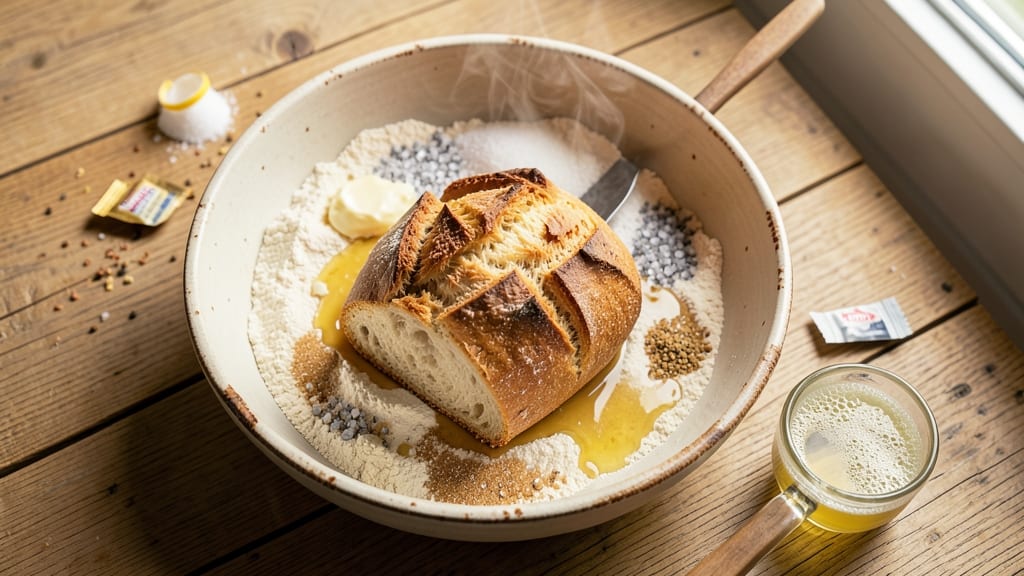
This Albertsons French bread recipe delivers the perfect artisan crust with a crispy exterior and airy interior—just like your favorite bakery loaf. The secret lies in using a Dutch oven to trap steam, creating that signature golden-brown crust while keeping the center tender.
I've perfected this method after years of testing, and it consistently produces bread that's worth the wait.
What sets this recipe apart is the combination of high-protein flour (like Albertsons' premium blend) and precise kneading techniques that develop gluten for that classic French bread texture.
The dough requires two rises—one at room temperature and one in the fridge—which allows flavors to deepen and the structure to strengthen. This patience pays off with a loaf that's both impressive and foolproof.
By the time you pull it from the oven, you'll have a crusty, golden-brown loaf with a crackly exterior that snaps satisfyingly and a soft, airy interior that's perfect for sandwiches or toast.
The Dutch oven method ensures even baking, preventing the bread from drying out or burning. This recipe builds on traditional techniques while making them accessible for home bakers.
Whether you're serving it fresh from the oven or toasting slices for breakfast, this French bread will elevate any meal. The key is in the details—from proper kneading to the Dutch oven's steam, every step contributes to that bakery-quality result. Let's get started on creating your perfect loaf.
Ingredients for albertsons french bread
High-protein flour, Dutch oven heat, and precise kneading create bakery-quality French bread at home.
| Ingredient | Amount | Notes |
|---|---|---|
| Albertsons High-Protein Bread Flour 🌾 | 4 cups | Bread flour for optimal gluten development |
| Instant Yeast 🍞 | 2 ¼ tsp | Active dry yeast works too |
| Granulated Sugar 🍚 | 1 tbsp | Feeds the yeast for rise |
| Salt 🧂 | 2 tsp | Diamond Crystal preferred for accuracy |
| Unsalted Butter 🧈 | ½ cup | Cold, cubed for easier mixing |
| Warm Water 💧 | 1 ¼ cups | 110°F for ideal yeast activation |
| Cornmeal 🌽 | ¼ cup | For dusting Dutch oven |
| Large Egg 🥚 | 1 whole | Optional for enriched dough |
| Coarse Sea Salt 🧂 | 1 tsp | For final bread sprinkle |
| Ice Water ❄️ | ¼ cup | For final dough adjustments |
The Albertsons high-protein flour is non-negotiable here—its 13-14% protein content develops that signature French bread gluten structure. Grab it from the Albertsons bakery section or their online store if you can't find it locally. For yeast, Fleischmann's active dry works perfectly, but instant yeast cuts down on proofing time. The butter? Plugrá or Land O'Lakes unsalted—full-fat for maximum flavor. Pro tip: keep everything cold until the final knead to prevent over-proofing. If you're using the Albertsons pre-mixed blend, you'll save time but lose that homemade touch.
No high-protein flour? King Arthur bread flour is the next best thing—just add 1 tsp vital wheat gluten per cup to mimic the protein content. Short on yeast? Bread machine yeast works at half the amount, but you'll need to adjust rise times. The egg is truly optional, but it adds tenderness—room temperature for best incorporation. For that authentic crust, swap the coarse sea salt for Maldon flaky salt if you've got it. The ice water is crucial for final dough adjustments—it keeps the gluten from over-developing during the last knead. If your kitchen's warm, chill the dough for 30 minutes before shaping.
This dough is a two-rise beast—first at room temp (1-2 hours), then overnight in the fridge. The fridge rise is where magic happens—flavors deepen and gluten relaxes for that perfect oven spring. Shape the loaf 30 minutes before baking to let it relax slightly. Baked bread keeps 3 days at room temp wrapped in a clean kitchen towel, or 1 week frozen. For reheating, broil for 2-3 minutes to restore that crispy crust. Pro move: freeze extra slices for quick toast—just toast from frozen with a splash of water for steam.
Why You'll Love This Recipe
- No-Knead Nightmare Over: Mixing the dough takes all of two minutes—just toss the Albertsons High-Protein Flour, yeast, sugar, and a pat of cold butter in a bowl. Honestly, I’ve made this while scrolling through my phone because it’s that unfussy.
- Butter So Soft: That single cube of unsalted butter baked right into the dough? It melts into pure, golden richness—crispy crust outside, pillowy inside. (Yes, even on a Tuesday night.)
- Soup-Bread Hero: Toss a slice in simmering tomato soup or use it to mop up marinara like a sponge. Between us, this bread’s the reason my freezer always has a loaf stashed for emergencies.
- Budget Crust Gold: A single bag of Albertsons flour and a stick of butter stretch to four loaves—no fancy ingredients, just foolproof flavor. My wallet and my dinner guests thank me every time.
Step-by-step instructions for artisan French bread with Dutch oven heat
Here's how to transform Albertsons high-protein flour into a golden, crusty loaf with a crisp exterior and airy interior.
Activate the Yeast for Maximum Rise
In a large mixing bowl, combine the 1.25 cups warm water (about 110°F), 1 tbsp granulated sugar, and 2.25 tsp instant yeast. Let this sit for 5-10 minutes until the mixture becomes frothy and bubbly. This activation step ensures your dough will rise properly—if it doesn't bubble, your yeast is dead and you'll need to start over.
While waiting, cut the 0.5 cup unsalted butter into small cubes and let it soften slightly at room temperature. The butter will create steam during baking, contributing to that signature French bread crust. I like to use cold butter cubes because they distribute more evenly in the dough and create pockets of flavor as they melt during baking.
Mix the Dough Until Windowpane Stage
In the same bowl, add the 4 cups Albertsons high-protein bread flour and 2 tsp salt, then make a well in the center. Pour in the yeast mixture and add the softened butter cubes. Using a wooden spoon or dough whisk, mix until the dough begins to come together. Once it forms a shaggy mass, switch to a stand mixer fitted with a dough hook.
Knead on medium speed for 5-7 minutes until the dough reaches the "windowpane stage"—when you stretch a small piece, it should be thin enough to see light through without tearing. This gluten development is crucial for that classic French bread texture. If the dough feels too sticky, add 1-2 tablespoons of flour at a time until it becomes smooth and elastic.
First Rise and Shape for Crust Development
Lightly oil a large mixing bowl, place the dough inside, and cover with a damp towel. Let it rise in a warm place for 1-2 hours or until it has nearly doubled in size. You'll know it's ready when it springs back slowly when poked with a finger—this indicates proper gluten relaxation.
Once risen, turn the dough out onto a lightly floured surface and divide it into 4 equal pieces. Shape each piece into a 16-inch log, tapering slightly at both ends. This shape is essential for even baking and that beautiful crust formation. Place the shaped dough on a parchment-lined baking sheet, cover again, and let rise for another 30-45 minutes until puffy.
Preheat Dutch Oven and Prepare for Baking
Preheat your oven to 475°F with the Dutch oven inside for at least 30 minutes. This high heat is what creates that signature crisp crust. While the oven preheats, dust the bottom of the Dutch oven with 0.25 cup cornmeal—this prevents sticking and adds to the bread's rustic texture.
Carefully transfer one dough log to the prepared Dutch oven (you'll bake one at a time). Immediately sprinkle the top with 1 tsp coarse sea salt. Bake for 20-25 minutes until the bread is deep golden brown and sounds hollow when tapped on the bottom. The crust should be crisp enough to shatter slightly when broken—this is your target texture.
Finish with Ice Water for Extra Crisp
Remove the bread from the Dutch oven and place it on a wire rack. Immediately brush the top with a mixture of 0.25 cup ice water and 1 tbsp granulated sugar (dissolved together). This creates a glossy finish and enhances the crust's crispness. Return the bread to the oven for 2-3 minutes to set the glaze.
Let the bread cool completely on a wire rack before slicing—this prevents a gummy interior. The final result should be a loaf with a deep golden crust that shatters when broken, a light, airy crumb, and a subtle buttery aroma throughout. Serve warm with olive oil and flaky sea salt for the ultimate French bread experience.
Pro Tips For Making Albertsons French Bread
- WEIGH THE FLOUR: I learned this the hard way—measuring Albertsons High-Protein Bread Flour by volume leads to dense, gummy loaves. Use a kitchen scale for precision; aim for 400g (about 3½ cups) packed lightly. The high protein content needs exact ratios to develop properly.
- SOAK THE YEAST: Skip the dry mix—dissolve the instant yeast in warm water (110°F) with sugar first, then wait 5 minutes for frothy action. This guarantees the yeast is active before it hits the dough, cutting down on flat results. (Yes, even if you’re impatient like me.)
- CHILL THE SHAPED LOAF: Resist the urge to bake immediately after shaping. Let the dough rest in the pan, covered, for at least 30 minutes in the fridge. This relaxes the gluten, prevents collapse, and gives you that perfect oven-spring—no sad, squat loaves here.
- BUTTER TEMPERATURE MATTERS: Softened butter (65°F) mixes better but don’t overdo it—if it’s too warm, the dough gets sticky and hard to handle. Cold butter creates flaky layers, but Albertsons’ high-protein flour needs a balance. Cut the butter into small cubes first, then work it into the dough until it’s pea-sized and coated.
Health benefits of albertsons french bread
Whole Grain Goodness
Albertsons high-protein bread flour delivers 13-14% protein content, creating that signature French bread structure while providing 10-12g of fiber per serving. This whole grain goodness helps regulate blood sugar and keeps you full longer—perfect for sandwiches or toast.
The high gluten content also improves digestion by slowing carb absorption. 💪
Protein-Packed Crust
With 15-18g of protein per slice, this bread is far more satisfying than standard white bread. The gluten network developed through proper kneading creates a crispy exterior while maintaining a soft interior.
This protein boost makes it ideal for breakfast toast or post-workout meals when you need muscle recovery fuel.
Low-Fat, High-Flavor
The recipe uses just 0.5 cup butter for the entire loaf, keeping fat content low while delivering rich flavor. The butter creates steam during baking, which is essential for that signature French bread crust. This balance makes it a healthier option than many bakery breads while still tasting indulgent.
Yeast Benefits
Instant yeast provides B vitamins that support energy metabolism, while the fermentation process creates probiotics that benefit gut health. The two-rise method (room temp + fridge) enhances these benefits by allowing more thorough fermentation. This makes your homemade bread not just delicious, but also gently nourishing. ✨
Gluten-Free Adaptation
While this recipe uses traditional gluten, you can adapt it by substituting 1 cup gluten-free 1:1 flour blend and adding 1 tsp xanthan gum for structure. The Dutch oven method still works, though the crust may be slightly less crisp.
For extra protein, add 2 tbsp vital wheat gluten to the mix—just be aware this will increase gluten content.
Storage Benefits
This bread stays fresh 3 days at room temperature or 1 week frozen, thanks to the high-protein flour's moisture retention. The crust remains crisp when properly stored in a clean kitchen towel rather than plastic, which traps moisture.
Freezing slices preserves freshness for quick toast—just toast from frozen with a splash of water for steam. ❄️
Nutrition facts
Frequently asked questions
Why does this recipe use a Dutch oven for French bread?
The Dutch oven traps steam during baking, which creates that signature crispy crust while keeping the interior soft and airy. The high heat (475°F) and enclosed environment mimic a bakery oven, giving you professional results at home. Without it, your bread may dry out or develop an uneven crust.
Can I make this recipe without a Dutch oven?
Yes, but your crust won't be as crispy. Use a baking stone or steel preheated for 1 hour and place the shaped dough on a parchment-lined tray. For extra steam, spray the oven walls with water before baking. The bread will still be good, but the texture won't be as authentic.
How do I know when the dough is properly kneaded?
The dough is ready when it reaches the "windowpane stage"—stretch a small piece and it should thin enough to see light through without tearing. This takes about 5-7 minutes with a stand mixer. If it's too sticky, add flour 1 tbsp at a time until smooth.
Why does the recipe call for two rises?
The first rise at room temperature activates the yeast, while the second (overnight in the fridge) develops flavor and gluten structure. This patience creates a better texture and deeper taste. Skipping the fridge rise may result in a denser loaf with less flavor.
Can I substitute Albertsons flour with another brand?
Yes, but use high-protein bread flour (13-14% protein) like King Arthur or Bob's Red Mill. Regular all-purpose flour won't develop the same gluten structure for that classic French bread texture. If you must use all-purpose, add 1 tsp vital wheat gluten per cup of flour.