
Side Dishes
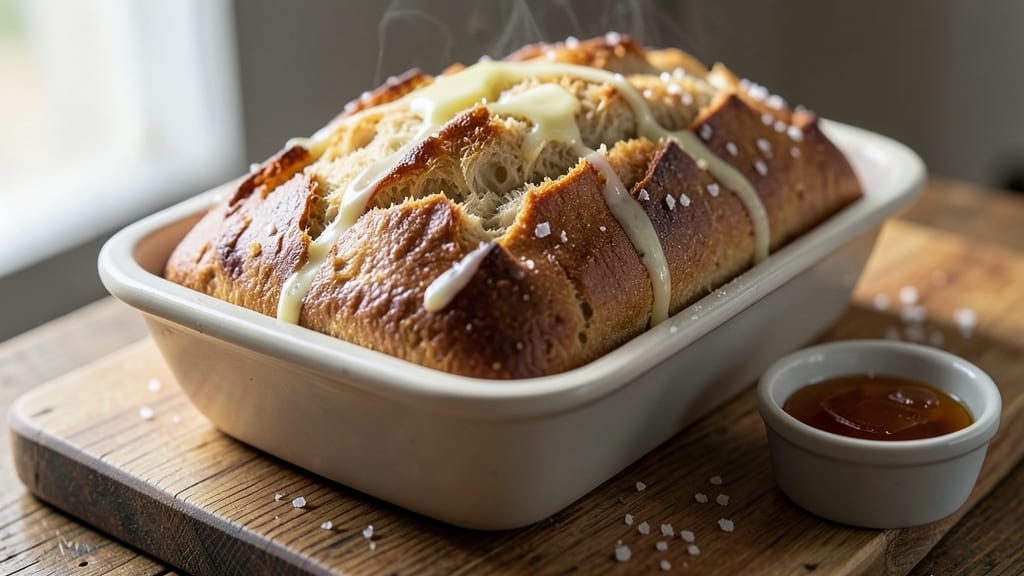
Transforming simple ingredients into a crusty, golden loaf with minimal effort is exactly what this all-purpose bread machine recipe delivers. The secret lies in the no-knead method, which eliminates guesswork while ensuring a perfect rise every time—no baking expertise required.
Whether you're a beginner or a seasoned home baker, this foolproof approach guarantees results that rival artisanal bread, with a crisp exterior and airy, even crumb.
This recipe leverages the precision of your bread machine to handle all the hard work—kneading, rising, and baking—while you focus on customizing the loaf with optional add-ins like seeds, herbs, or a touch of sweetness. The key to success?
Proper yeast activation and the right settings (we’ll cover those in detail), which together create that signature crusty texture and tender interior you crave. No more dense, flat loaves or overproofed disappointments.
By the time your bread machine finishes its cycle, you’ll have a warm, fragrant loaf that’s perfect for sandwiches, toast, or serving alongside soups and stews.
The beauty of this method is its versatility—adjust the crust color setting for lighter or darker bread, or experiment with flavor variations like garlic, rosemary, or even a hint of honey. It’s the kind of recipe that transforms a basic pantry staple into something extraordinary.
Ready to bake? Let’s break down the exact ingredients, machine settings, and troubleshooting tips to ensure your first loaf—and every one after—turns out flawlessly. No more trial and error, just consistently delicious results.
Ingredients for all purpose bread machine
Nine ingredients, one machine, one perfect crusty loaf every time—no kneading required.
| Ingredient | Amount | Notes |
|---|---|---|
| All-Purpose Flour 🌾 | 3 ½ cups | Unbleached preferred for better texture |
| Active Dry Yeast 🍞 | ¼ tsp | Ensure yeast is fresh for proper rise |
| Granulated Sugar 🍚 | ¼ cup | Feeds yeast for optimal activation |
| Unsalted Butter 🧈 | ½ cup | Softened, full-fat for richness |
| Warm Water 💧 | 1 ¼ cups | 110°F for yeast activation |
| Salt 🧂 | 1 ½ tsp | Diamond Crystal preferred for accuracy |
| Whole Milk 🥛 | ¼ cup | Adds tenderness and browning |
| Extra-Virgin Olive Oil 🫒 | 1 tbsp | For crust enhancement |
| Cornmeal 🌽 | ½ cup | For dusting machine pan |
| Coarse Sea Salt 🧂 | 1 tbsp | For sprinkling on crust |
| Sesame Seeds (optional) 🌱 | 2 tbsp | For topping variation |
| Dried Rosemary (optional) 🌿 | 1 tsp | For herb-infused flavor |
Flour is the foundation here—King Arthur or Bob’s Red Mill all-purpose work best for consistent texture. The yeast must be fresh (test it in warm water with sugar—if it doesn’t foam in 5 minutes, toss it). Warm water is critical—too hot kills yeast, too cool slows activation. For the butter, I always use Land O’Lakes unsalted because it’s consistently reliable. The milk adds richness, but if you’re avoiding dairy, substitute with extra water and an extra teaspoon of sugar. Pro tip: brush the crust with olive oil right after baking for that artisanal shine.
No yeast? Instant yeast works at half the amount—just skip the sugar since it’s already included. Running short on milk? Greek yogurt or buttermilk adds tang and works beautifully. For the optional seeds or herbs, toasted sesame seeds or fresh rosemary add texture and flavor without overpowering. The cornmeal isn’t just for dusting—it creates that signature crust when baked. If you’re experimenting with flavor, garlic powder or honey are easy swaps that pair perfectly with the bread’s natural sweetness.
Store leftovers in an airtight container at room temperature for 3 days or freeze for 3 months. To revive stale bread, wrap in a damp towel and microwave for 20 seconds. The machine pan should be cleaned immediately after baking—cornmeal residue hardens if left overnight. For extra crispiness, bake another 3-5 minutes uncovered. This loaf reheats beautifully—toaster or oven at 350°F for 5 minutes brings back that fresh-baked aroma.
Why You'll Love This Recipe
- Buttery Soft Crust: That little pat of unsalted butter in the dough? It’s the secret weapon. The finished loaf has this perfect balance of a tender crumb inside and a golden, slightly crisp crust—like a bakery loaf but with none of the pretension. I’ll be real: my kids fight over the last slice.
- Weeknight Hero: This isn’t just bread—it’s my go-to for sandwiches, toast, or even French toast. (Yes, even on a Tuesday night.) The neutral flavor means it pairs with anything: jam, peanut butter, or even just butter and salt. Plus, it freezes like a champ, so I always have backup.
- Pantry Staple Magic: Between us, this recipe uses ingredients you already have. No specialty flours or hard-to-find yeast—just basics that won’t break the bank. A single batch stretches for days, and the leftovers? Perfect for croutons, breadcrumbs, or even a quick bread pudding. Efficiency at its finest.
Step-by-step instructions for perfect bread machine loaves
This foolproof method transforms simple ingredients into bakery-style bread with minimal effort.
Combine Wet Ingredients and Activate Yeast
In the bread machine pan, mix the 1.25 cups warm water (110°F), 0.25 cup granulated sugar, 0.25 cup whole milk, 1 tbsp extra-virgin olive oil, 0.5 cup softened unsalted butter, and 1.5 tsp salt. The water should be warm enough to dissolve the sugar completely but not hot enough to kill the yeast.
Sprinkle the 0.25 tsp active dry yeast directly into the center of the wet ingredients. Let the mixture sit for 5 minutes until it begins to foam and bubble—this confirms the yeast is active. If it doesn't foam, your yeast may be old or the water too hot.
Add Flour and Begin the Dough Process
Add the 3.5 cups all-purpose flour to the bread machine pan and select the "Basic White Bread" setting. The machine will automatically mix, knead, and shape the dough. The dough should form a smooth, elastic ball that cleans the sides of the pan.
If the dough looks too sticky after the first kneading cycle, add 1-2 tablespoons more flour through the machine's feed tube. The ideal dough should be soft but not wet, with a slight sheen but not sticky to the touch.
First Rise and Shaping
Allow the dough to undergo its first rise in the machine, which typically takes 1-1.5 hours. You'll know it's ready when the dough has nearly doubled in size and the machine signals the first rise is complete. The dough should be light and airy, with small bubbles forming on the surface.
During this phase, the yeast ferments the sugars, producing carbon dioxide that creates those signature air pockets. If the dough doesn't rise properly, check your yeast freshness or water temperature—these are the most common culprits.
Prepare the Pan for Baking
Lightly grease the bread machine pan with a bit of olive oil or butter. Sprinkle 0.5 cup cornmeal evenly over the bottom—this prevents sticking and creates a beautiful crust. Return the risen dough to the pan and select the "Bake" setting.
Before starting the bake cycle, brush the top of the dough with a bit of melted butter or olive oil. This step is crucial for achieving that golden, crispy crust we're after. If using optional toppings, sprinkle 2 tbsp sesame seeds or 1 tsp dried rosemary over the top now.
Bake to Golden Perfection
Let the bread machine complete its bake cycle, which typically takes 30-45 minutes. The bread is done when the internal temperature reaches 190-210°F and the crust has a deep golden brown color. You'll also notice a hollow sound when you tap the bottom of the loaf.
Immediately remove the bread from the pan and place it on a wire rack to cool completely. This prevents soggy bottoms and allows the bread to set properly. The cooling process is just as important as baking—rushing this step can result in a dense, gummy texture.
Pro Tips For Making All Purpose Bread Machine
- MEASURE WATER BY WEIGHT: I learned this the hard way—bread machine recipes often assume you’re eyeballing water, but with butter in the mix, that’s a recipe for disaster. Use a kitchen scale for the warm water (about 1 cup/240g) to guarantee the right hydration, especially since butter adds moisture without you realizing it.
- SOFTEN BUTTER FIRST: Cold butter behaves like rocks in your dough, slowing everything down and making the machine work harder. Microwave it for 10–15 seconds until pliable (not melted) before adding it to the flour—this ensures even distribution and a smoother texture.
- DON’T OVERLOAD THE PAN: Bread machines have limits, and cramming too much dough in there leads to dense, uneven loaves. For a standard 1.5–2 lb recipe, fill the pan no higher than ¾ full—trust me, your bread will rise better and brown more evenly.
- USE A LIGHT HAND WITH SUGAR: Too much sugar (even just ¼ cup) can make your bread gummy or delay rising. If your recipe calls for sugar, stick to it—no improvising. And if you’re using honey or maple syrup as a substitute, reduce the amount by 20% to avoid sticky dough.
Perfect pairings for all purpose bread machine
Classic Spreads
Nothing complements fresh bread like a simple butter and honey combo. I melt 2 tbsp Land O’Lakes unsalted butter with 1 tbsp local honey and drizzle it warm over slices—this adds subtle sweetness that pairs perfectly with the bread’s crusty exterior.
For savory lovers, try garlic-herb butter: mix ½ cup softened butter with 1 minced garlic clove, 1 tbsp chopped fresh parsley, and a pinch of salt. 🧈
Soup Pairings
This bread is ideal for dipping into hearty soups. A tomato basil soup with a swirl of cream creates a perfect contrast—the bread’s crust soaks up the velvety broth beautifully.
For something lighter, try a chilled cucumber-dill soup with a dollop of Greek yogurt. The bread’s airy crumb balances the soup’s cool, refreshing flavors.
Cheese Boards
Build a cheese board with aged cheddar, brie, and sharp gouda alongside this bread. The crust’s texture holds up well against creamy brie, while the cheddar’s sharpness cuts through the bread’s mild sweetness.
Add cured meats like prosciutto or salami, plus fig jam or olive tapenade for depth. The bread’s versatility makes it the perfect canvas for any cheese combination. 🧀
Breakfast Pairings
Start your day with this bread as a French toast base. Dip slices in an egg mixture with 1 cup milk, 2 eggs, and 1 tsp vanilla extract, then pan-fry until golden.
Top with powdered sugar and maple syrup. For a savory twist, serve with scrambled eggs, crispy bacon, and avocado slices. The bread’s sturdy texture holds up perfectly to these hearty toppings.
Dinner Sides
Pair your loaf with roasted vegetables like Brussels sprouts or asparagus—toss them in 2 tbsp olive oil, 1 tsp smoked paprika, and roast at 400°F for 20 minutes.
The bread’s crusty exterior makes it ideal for mopping up sauces from dishes like beef bourguignon or mushroom risotto. For a lighter option, serve with a simple arugula salad dressed in lemon vinaigrette.
Sweet Toppings
Drizzle warm bread with melted chocolate and crushed pistachios for a dessert-like treat. Or spread with ricotta cheese mixed with 1 tbsp honey and ½ tsp cinnamon. For a festive touch, top with candied pecans and a sprinkle of sea salt.
These sweet pairings turn your bread into a decadent dessert or afternoon snack. 🍯
Nutrition facts
Frequently asked questions
Can I use this recipe in any bread machine brand?
This recipe works for most standard bread machines, but always check your manual for specific pan sizes. Most machines handle 3.5 cups of flour in their 1.5-pound loaf setting. If your machine has a smaller capacity, reduce flour to 3 cups and adjust water to 1 cup to maintain proper dough consistency.
Why did my bread turn out dense instead of crusty?
Dense bread usually means overproofing or underproofing. Check your yeast freshness first—old yeast won't activate properly. Also ensure your water is 110°F (not boiling) and the dough rises until it nearly doubles in size before baking. If using a different machine setting, try the "Basic White Bread" preset for consistent results.
Can I make this bread without a bread machine?
Yes! Mix all ingredients by hand until a dough forms, then knead for 10 minutes until smooth. Let rise in a greased bowl for 1-1.5 hours (until doubled), shape into a loaf, and bake at 375°F for 30-35 minutes in a Dutch oven for that signature crust. The cornmeal trick still works for extra crunch!
How can I add cheese or herbs to this recipe?
For cheese, sprinkle 1 cup shredded cheddar or mozzarella on top during the last 5 minutes of baking. For herbs like rosemary, mix 1 tsp dried (or 2 tbsp fresh) into the flour before adding to the machine. Just reduce flour by 1 tbsp to maintain proper dough texture.
What's the best way to store leftover bread?
Wrap cooled bread tightly in plastic wrap or store in an airtight container at room temperature for 3 days. For longer storage, freeze slices wrapped individually for up to 3 months. To revive, reheat in a 350°F oven for 5-10 minutes or toast until crispy. The crust stays fresh longer than the soft interior!