
Side Dishes
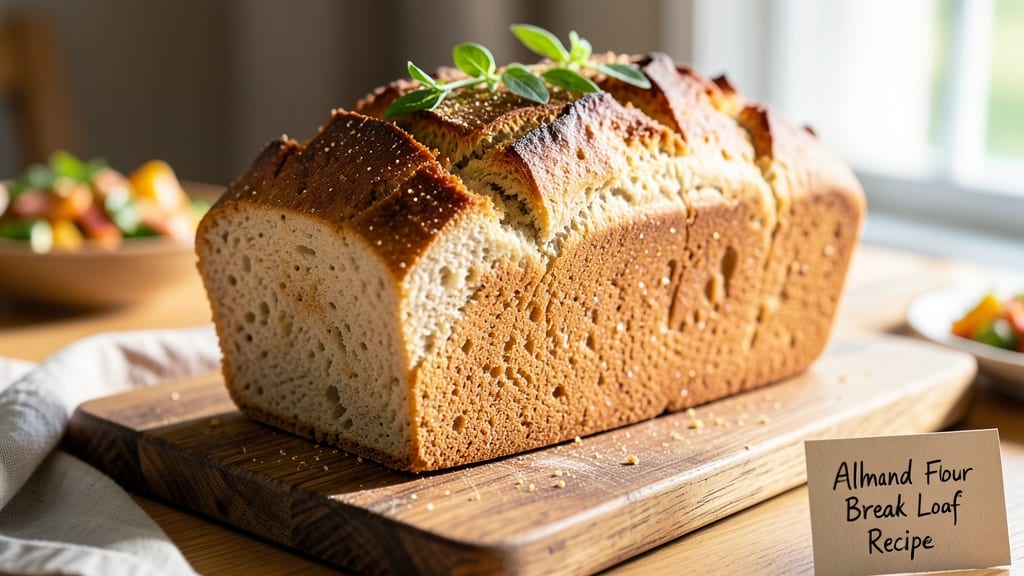
This almond flour bread loaf delivers the perfect balance of crusty exterior and light, airy crumb—all without gluten. After years of experimenting with vegan baking, I've developed a method that ensures your loaf stays moist, doesn't crumble, and has that satisfying snap when you slice it.
The secret lies in the right hydration ratio, binding agents like flax eggs, and a precise baking technique that mimics traditional bread structure.
What sets this recipe apart is its versatility—ideal for those avoiding gluten or simply seeking a nutritious alternative. The dough incorporates aquafaba (chickpea brine) for structure and moisture, while almond flour provides a nutty depth without heaviness.
Unlike many gluten-free loaves, this one doesn't require special ingredients or expensive equipment, just a standard loaf pan and a bit of patience during the baking process.
By the time you pull it from the oven, you'll have a loaf with a golden, crisp crust and a tender interior that's perfect for slicing into thick, hearty pieces.
It's sturdy enough to hold up to toasted butter or jam, yet light enough to pair beautifully with soups or salads. The texture remains fresh for days, making it an excellent option for meal prep or gifting.
Whether you're baking for dietary needs or simply craving a lighter loaf, this recipe delivers professional-quality results at home. Let's get started on creating your perfect almond flour bread loaf.
Ingredients for almond flour bread loaf
These 12 ingredients create a gluten-free loaf with restaurant-quality texture and flavor.
| Ingredient | Amount | Notes |
|---|---|---|
| Almond Flour 🌰 | 3 cups | Finely ground, blanched preferred |
| Aquafaba 🥫 | 1 cup | Liquid from chickpea cans |
| Ground Flaxseed 🌾 | 3 tbsp | For flax eggs, mix with water |
| Coconut Sugar 🍯 | ¼ cup | Or maple syrup for liquid sweetness |
| Apple Cider Vinegar 🍎 | 1 tbsp | For tangy lift |
| Baking Powder 🧂 | 1 ½ tsp | Aluminum-free preferred |
| Salt 🧂 | ½ tsp | Fine sea salt |
| Psyllium Husk Powder 🌿 | 1 ½ tbsp | For gluten-free binding |
| Olive Oil 🫒 | ¼ cup | Extra-virgin for richness |
| Water 💧 | ½ cup | Room temperature |
| Vegan Butter 🧈 | 2 tbsp | For crust brushing |
| Sesame Seeds 🌻 | 1 tbsp | Optional for topping |
Almond flour is the star here—Bob's Red Mill or Anthony's Goods are my go-tos for consistent results. The finer the grind, the better the texture. Psyllium husk might sound weird, but it's the secret to that satisfying chew without gluten. I grab mine at Whole Foods or online, and it lasts forever in the pantry. For aquafaba, save the liquid from your next can of chickpeas—it's free and works perfectly. If you're using coconut sugar, pulse it in a food processor first to break up any clumps, or just grab maple syrup for instant liquid sweetness.
No almond flour? Hazelnut flour works in a pinch, though the flavor will shift slightly. Ran out of psyllium husk? Extra flaxseed or chia seeds can help, but you might need to adjust the water. The aquafaba can be swapped for 1/4 cup water plus 1 tsp vinegar if you're really stuck. For the vinegar, apple cider is ideal, but white vinegar or lemon juice both work. The olive oil matters here—skip the cheap stuff. California Avocado Ranch or Colavita make all the difference in the final crust.
Mix the flax eggs (ground flaxseed + water) ahead and let them sit for 5 minutes to thicken. Store the dry ingredients in airtight containers for 6 months, while the wet mix keeps for 3 days in the fridge. The dough is best baked fresh, but you can shape it and refrigerate overnight for a more compact loaf. Slice when completely cool—it'll hold together better. Leftovers? Toast them for a crispy upgrade, or freeze slices for quick sandwiches.
Why You'll Love This Recipe
- No-Fuss Mix-In: I swear by this recipe when I’m too tired to measure. Just toss almond flour, aquafaba, and flaxseed into a bowl—no sifting, no kneading, no mess. The aquafaba (yes, chickpea brine!) acts like egg wash, and the flaxseed gives it structure without fuss.
- Sweet & Nutty Crunch: That coconut sugar caramelizes into a subtle sweetness, while the almond flour delivers a buttery, toasty depth. Honestly, the first slice out of the oven smells like a bakery, but it’s my bakery—no guilt, all flavor.
- Weeknight Sandwich Hero: Between us, this bread is my go-to for quick lunches. Toast it, slather with almond butter, or pile it high with avocado and smoked salmon. It holds up for days, too—perfect when you’re prepping for work but not for complicated leftovers.
- Budget-Friendly Luxury: Almond flour might seem pricey, but a little goes a long way, and the aquafaba? Free if you’ve got canned chickpeas. I make two loaves at a time, freeze one, and still save money compared to store-bought gluten-free bread. Plus, it’s actually good—no sad, crumbly disappointments.
Step-by-step instructions for almond flour bread loaf
This gluten-free loaf delivers bakery-style crust and airy crumb—no special tools required!
👨🍳 Step 1: Create Flax Eggs and Mix Wet Ingredients
In a small bowl, whisk together the 3 tablespoons ground flaxseed with 0.5 cup water. Let sit for 5 minutes until thickened into flax eggs—this replaces traditional eggs for binding. In a separate large bowl, combine the 1 cup aquafaba, 0.25 cup coconut sugar, 1 tablespoon apple cider vinegar, and 0.25 cup olive oil. Whisk vigorously until the mixture lightens slightly and triples in volume—this incorporates air for a lighter crumb.
Here's the thing—aquafaba is the secret weapon. You'll notice it starts foamy immediately, and that foam creates the bread's signature texture. If you're using maple syrup instead of coconut sugar, reduce the aquafaba by 2 tablespoons to account for the extra liquid.
👨🍳 Step 2: Combine Dry Ingredients and Fold Gently
In a separate bowl, sift together the 3 cups almond flour, 1.5 teaspoons baking powder, 0.5 teaspoon salt, and 1.5 tablespoons psyllium husk powder. The psyllium is crucial—it mimics gluten's binding properties. Gradually fold the dry ingredients into the wet mixture using a spatula, mixing just until combined. Overmixing develops gluten-like strands, which we're avoiding here.
I always do this in three additions, gently folding from the bottom up. You'll see streaks of flour at first—that's normal and actually helps create the tender crumb. The dough should be thick but pourable, like a very stiff batter. If it's too dry, add 1 teaspoon water at a time until it reaches this consistency.
🔥 Step 3: Preheat and Prepare the Loaf Pan
Preheat your oven to 350°F. Lightly grease a 9x5-inch loaf pan with vegan butter, then line the bottom with parchment paper for easy removal. Here's where precision matters: press a piece of parchment into the pan's corners to prevent the loaf from tearing when you remove it later.
Pour the batter into the prepared pan and smooth the top with a spatula. Don't worry if it doesn't fill the pan completely—this recipe yields a dense but properly proportioned loaf. Tap the pan gently on the counter 3 times to release any air bubbles that might have formed during mixing.
🔥 Step 4: Bake Until Golden and Internal Temp Reaches 205°F
Bake for 45-50 minutes until the top is deep golden brown and a toothpick inserted in the center comes out clean. The crust should be crisp enough to hear a slight crack when tapped. If the top browns too quickly, loosely tent with foil after 30 minutes to prevent over-browning while the center cooks.
Real talk: your oven might run hot, so start checking at the 40-minute mark. The internal temperature is your best guide—205°F ensures complete doneness without drying out. If you don't have an instant-read thermometer, look for a springy texture when pressed gently with your finger.
⏰ Step 5: Cool and Finish with Sesame Seeds
Remove the loaf from the oven and let it cool in the pan for 10 minutes, then transfer to a wire rack. This resting period prevents crumbling when you slice. While it cools, melt the remaining 1 tablespoon vegan butter and brush it generously over the top and sides of the warm loaf for extra richness.
Sprinkle with 1 tablespoon sesame seeds immediately after brushing for that bakery-style finish. The seeds will toast slightly from the residual heat and add a beautiful crunch. Let the loaf cool completely before slicing—this ensures clean cuts and prevents crumbling. Each slice should reveal an open, airy crumb with a crisp crust that shatters satisfyingly.
Pro Tips For Making Almond Flour Bread Loaf
- STIR THE AQUAFABA FIRST: Mix the aquafaba with apple cider vinegar and coconut sugar before adding the wet flaxseed. I learned this the hard way—adding the ground flaxseed too early makes the batter gummy and hard to fold. Let the aquafaba whip up slightly (about 2 minutes) first, then fold in the flaxseed mixture last.
- WEIGH YOUR ALMOND FLOUR: Scooping almond flour by volume leads to dry, dense bread. Use a kitchen scale—this recipe needs exactly 3 cups (about 300g) for the right texture. Pack it lightly into the measuring cup, but don’t compress it. Too much flour = brick; too little = crumbly.
- DON’T OVERMIX THE BATTER: After combining wet and dry ingredients, stop folding when just blended—no streaks, but don’t whip it like cake batter. Overmixing develops gluten (even in almond flour) and makes the loaf tough. Two turns with a spatula is all you need.
- BAKE AT 325°F, NOT HIGHER: This isn’t regular bread—almond flour burns fast. Crank the oven to 325°F and bake covered with foil for the first 20 minutes. I was skeptical until I tried it: the crust browns evenly, and the center stays moist without turning to almond paste. No peeking early!
Flavor customization for this dish
Sweet Variations
Swap the coconut sugar for maple syrup or agave nectar to enhance natural sweetness—reduce aquafaba by 2 tablespoons to balance liquid. For caramel notes, add 1 teaspoon vanilla extract or ½ teaspoon cinnamon.
Try ½ cup dried fruit (chopped dates or raisins) for chewy pockets—fold them in during the final mix. 🍯
Savory Twists
Replace sweetener with 1 tablespoon nutritional yeast for a cheesy, umami depth. Add 1 teaspoon garlic powder and ½ teaspoon onion powder for a breadstick vibe. For herbed loaves, mix in 1 tablespoon dried rosemary or thyme with the dry ingredients.
A sprinkle of everything bagel seasoning on top before baking adds a salty crunch.
Spiced Upgrades
Boost warmth with ½ teaspoon cardamom or cinnamon for a Middle Eastern-inspired loaf. For Mexican flair, add 1 teaspoon ground cumin and ½ teaspoon smoked paprika. A pinch of cayenne (start with ¼ teaspoon) introduces subtle heat.
Toast the spices in the dry mix for deeper flavor—just heat them in a dry pan for 1 minute before combining.
Seed and Nut Add-Ins
Stir in ¼ cup chopped walnuts or pumpkin seeds for texture. For extra richness, fold in 2 tablespoons sunflower seed butter with the wet ingredients. A handful of shredded coconut (unsweetened) adds tropical notes. Toast any add-ins in a dry pan for 2 minutes to enhance their flavor before mixing.
Herbal Infusions
Incorporate fresh herbs like 1 tablespoon chopped chives or dill for brightness. For a floral touch, add 1 teaspoon dried lavender (culinary-grade) to the dry mix. Lemon zest (1 teaspoon) pairs beautifully with the nutty base. Always use freshly ground spices for maximum impact—pre-ground spices lose potency quickly.
Texture Adjustments
For a denser loaf, increase psyllium husk to 2 tablespoons—this helps bind extra moisture. Need a lighter crumb? Whip the aquafaba to stiff peaks before folding in dry ingredients.
Add 1 tablespoon xanthan gum (if avoiding psyllium) for elasticity. For a crunchier crust, bake at 375°F for the last 5 minutes of baking time.
Nutrition facts
Frequently asked questions
Why does this almond flour loaf stay moist without dairy or eggs?
The combination of aquafaba (chickpea brine) and olive oil creates a rich moisture base, while psyllium husk powder mimics gluten's water-holding ability. The flax eggs also act as natural binders that retain moisture during baking. Together, these ingredients prevent the dryness common in gluten-free breads.
Can I make this recipe without psyllium husk?
Yes, but you'll need to adjust the texture. Replace the 1.5 tablespoons psyllium husk with 1 tablespoon xanthan gum or add an extra 2 tablespoons ground flaxseed. The loaf will be slightly less elastic, so expect a denser crumb. For best results, also increase the aquafaba by 1 tablespoon to compensate for reduced binding.
How do I prevent the loaf from crumbling when slicing?
Always let the loaf cool completely on a wire rack before slicing—this allows the proteins to set properly. For extra stability, chill the baked loaf in the fridge for 1 hour before cutting. If you're in a hurry, wrap it tightly in plastic wrap and refrigerate for 30 minutes first. Using a sharp serrated knife also makes cleaner cuts.
What's the best way to store leftovers?
Wrap cooled slices tightly in plastic wrap or aluminum foil and store at room temperature for 2 days. For longer storage, freeze slices between parchment paper for up to 3 months. To reheat, toast directly from frozen in a toaster oven for 3-4 minutes or warm in a 350°F oven for 5 minutes to restore crispness.
Can I use this dough for rolls or dinner rolls?
This recipe works best for a single loaf, but you can adapt it for rolls by reducing the baking time to 15-18 minutes and using mini loaf pans or a muffin tin. For dinner rolls, divide the dough into 12 portions, shape into balls, and bake on a parchment-lined sheet at 375°F for 12-15 minutes. Expect smaller, denser rolls rather than light, airy versions.