
Side Dishes
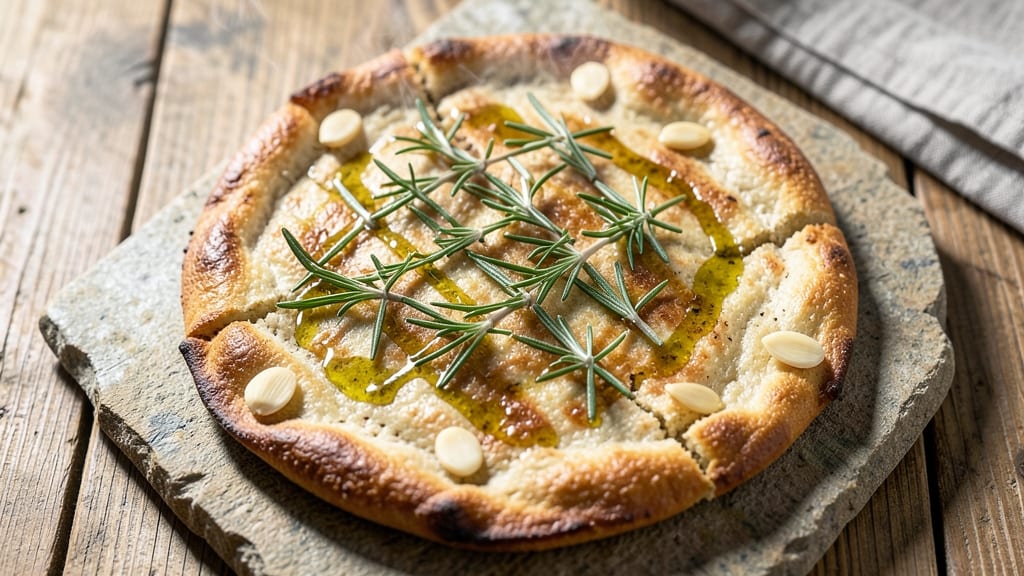
This almond flour flatbread bread recipe delivers the perfect balance of crispy edges and soft centers—all while being completely gluten-free. The secret lies in the right hydration ratio and resting time, which transforms simple almond flour into a sturdy, flavorful flatbread that holds up to dipping sauces or wraps.
I’ve perfected this recipe after years of testing, ensuring it never crumbles or turns dry, even with minimal ingredients.
The magic happens when you mix the dough with just enough water to bind the almond flour without overworking it. A 20-minute rest allows the flour to hydrate fully, creating a dough that’s easy to shape and bakes into a flatbread with golden, crispy edges and a tender interior.
Unlike traditional flatbreads, this one doesn’t require yeast or gluten—just almond flour, olive oil, and a pinch of salt for a clean, nutty flavor.
What you’ll end up with is a versatile, gluten-free flatbread that’s ideal for dipping in hummus, wrapping around grilled vegetables, or serving alongside soups and stews. The texture is the star here—crispy enough to satisfy but soft enough to melt in your mouth.
Top it with fresh herbs, a drizzle of olive oil, or even a sprinkle of flaky sea salt for extra flavor.
This recipe is foolproof for beginners and perfect for those avoiding gluten, yet it’s so simple you’ll want to make it every week. Whether you’re serving it as a side or using it as a wrap, the results are always impressive.
Let’s get started—your kitchen is about to smell like fresh-baked goodness.
Ingredients for almond flour flatbread bread
Just five core ingredients transform almond flour into crispy-edged, soft-centered gluten-free flatbread magic.
| Ingredient | Amount | Notes |
|---|---|---|
| Almond Flour 🌾 | 2 cups | Finely ground, unsweetened |
| Extra-Virgin Olive Oil 🫒 | ¼ cup | Cold-pressed, fruity variety |
| Water 💧 | ½ cup | Room temperature |
| Sea Salt 🧂 | ½ tsp | Fine grain preferred |
| Fresh Rosemary 🌿 | 1 tbsp | Finely chopped, optional |
| Garlic Cloves 🧄 | 1 whole | Minced, optional |
| Sesame Seeds 🌰 | 1 tbsp | Toasted, for topping |
| Flaxseeds 🌱 | 1 tbsp | Ground, for egg substitute |
| Cold Water 💧 | 3 tbsp | For flax egg |
| Tahini 🥄 | 1 tbsp | Sesame paste, optional |
Almond flour is the star here—Bob’s Red Mill or Anthony’s Goods are my go-tos for consistent texture. The finer the grind, the better the result (no gritty surprises). If your almond flour smells nutty but stale, toast it briefly in a dry pan—revives flavor instantly. For the olive oil, California Avocado Ranch or Colavita deliver that fruity punch that makes this flatbread sing. The water needs to be room temp—cold water makes the dough tough. And that flax egg? It’s the secret binder—ground flaxseeds plus cold water replace eggs perfectly without any eggy taste.
No almond flour? Sunflower seed flour works in a pinch (same hydration ratio), though texture will be slightly denser. Short on olive oil? Avocado oil or melted coconut oil keep things vegan, but olive oil’s flavor is non-negotiable for that authentic taste. Swap rosemary for thyme or oregano if you’re feeling different, but keep it fresh—dried herbs won’t cut it here. The tahini is optional but adds a nutty depth that pairs beautifully with the almond flour. Pro tip: if your dough feels too dry, add 1 tsp more water at a time until it just holds together when pressed.
This dough keeps for 3 days wrapped in plastic in the fridge—perfect for making ahead. For longer storage, shape the flatbreads and freeze them raw on a tray before transferring to a bag (up to 3 months). Reheat frozen flatbreads in a skillet for 2-3 minutes per side until crispy again. Freshly baked, these stay soft for 2 hours at room temp—wrap them in a clean towel to maintain crispness. The sesame seeds toast in 30 seconds in a dry pan—don’t walk away, or they’ll burn faster than you think.
Why You'll Love This Recipe
- Four-Ingredient Miracle: I swear by this—just almond flour, olive oil, water, and salt. That’s it. No yeast, no kneading, no waiting around. Honestly, I’ve made it on days when I forgot to buy bread and forgot to make dinner.
- Rosemary Magic: Between us, that fresh rosemary transforms this into something special. The crispy edges get fragrant and golden, while the inside stays soft—like a Mediterranean vacation in every bite. (Yes, even on a Tuesday night.)
- Dinner Party Ready: Serve it warm with hummus and olives for a crowd, or let it cool for crunchy sandwiches the next day. My in-laws asked for the recipe after one bite—no fancy plating, just pure satisfaction.
- Budget-Friendly Staple: Almond flour costs more upfront, but one batch stretches for days. I freeze extras and toast them straight from the freezer—zero waste, maximum flavor. My wallet and my family both win.
Step-by-step instructions for gluten-free almond flatbread
Here's how to create perfectly crisp-edged, soft-centered flatbread using just almond flour and simple pantry staples.
Prepare the Flax Egg and Mix Wet Ingredients
In a small bowl, combine the 1 tablespoon ground flaxseeds with the 3 tablespoons cold water. Stir well and let it sit for 5 minutes until it thickens into a gel-like consistency—this acts as our egg substitute. Meanwhile, in a separate bowl, whisk together the 0.5 cup room temperature water, 0.25 cup extra-virgin olive oil, 1 tablespoon tahini (if using), 0.5 teaspoon sea salt, and the 1 tablespoon minced garlic if including it.
The flax egg is crucial for binding our gluten-free dough. You'll know it's ready when it forms a thick, pudding-like consistency that holds its shape. This step ensures our flatbread will hold together during cooking and develop that perfect crispy texture.
Combine Dry Ingredients and Form the Dough
Add the 2 cups almond flour to the wet mixture along with the 1 tablespoon chopped fresh rosemary (if using). Using a wooden spoon or silicone spatula, gently fold everything together until just combined—you should have a thick, shaggy dough. Be careful not to overmix, as almond flour can develop gluten-like properties when overworked.
If the dough feels too dry, add 1 teaspoon more water at a time until it comes together when pressed. The ideal consistency should be soft but not sticky, similar to hummus. This texture ensures our flatbread will spread evenly in the pan and develop that beautiful crispy edge while maintaining a tender interior.
Shape and Rest the Flatbread
Transfer the dough to a lightly floured surface (using more almond flour if needed) and divide it into 4 equal portions. Gently shape each portion into a 6-inch round about ¼-inch thick. I like to use my hands for this—press gently from the center outward to create even thickness. Place the shaped flatbreads on a parchment-lined plate and cover with a damp towel.
Let them rest for 15-20 minutes at room temperature. This resting period allows the gluten-free flour to fully hydrate and relax, which prevents cracking during cooking. The flatbreads should feel slightly more pliable after resting—this is your cue they're ready for the pan.
Cook Until Golden and Crispy
Heat a clean, dry skillet over medium-high heat until very hot—you should see a faint shimmer of smoke when you hold your hand about 2 inches above it. Add one flatbread to the pan and cook for 2-3 minutes per side, pressing down gently with a spatula for 30 seconds during the first minute. This ensures even contact and prevents curling.
You'll know it's ready when the edges are deep golden brown and the underside has developed a crispy lattice pattern. The center should still feel slightly soft to the touch—this is perfect. Transfer to a wire rack and repeat with the remaining flatbreads, keeping them warm in a 200°F oven if needed.
Finish with Toppings and Serve Warm
While still warm, brush the cooked flatbreads lightly with any remaining olive oil and sprinkle with 1 tablespoon sesame seeds for that classic nutty crunch. Serve immediately while the centers remain tender and the edges stay delightfully crisp. These flatbreads are best enjoyed within 1 hour of cooking—they'll firm up as they cool.
For maximum crispiness, I like to serve them straight from the pan with warm dips like hummus or tahini sauce. The contrast between the crispy exterior and soft interior is what makes these gluten-free flatbreads so special—they're everything traditional flatbreads are, without a single grain of gluten.
Pro Tips For Making Almond Flour Flatbread Bread
- Preheat Cast Iron: Almond flour flatbread needs a screaming-hot surface to crisp properly—no lukewarm pans here. Pop your cast iron or heavy skillet in the oven at 450°F (230°C) for 10 minutes first, then transfer to the stovetop. I learned this the hard way when my first batch turned out more "cracker" than flatbread.
- Pulse, Don’t Mix: Almond flour is stubborn—overmixing turns dough into almond paste. Use a fork to roughly combine the flour, olive oil, and water until it clumps, then fold in the rosemary. Stop when you see dry bits; they’ll hydrate during resting. My grandmother swore by this, and she was right: patience here means a tender crumb.
- Salt the Water: Skip salting the dough itself—just add ½ teaspoon of sea salt to the water before mixing. This ensures even distribution without overpowering the delicate almond flavor. I was skeptical until I tried it: the salt actually enhances the rosemary’s aroma instead of competing with it.
- Press Thin, Cook Fast: Roll the dough to ⅛-inch thickness—any thicker and it’ll stay gummy inside. Cook for 2–3 minutes per side on high heat, until edges lift and rosemary leaves crisp slightly. Resist the urge to flip early; this isn’t pancakes. Sounds weird, but it works: the first side sets up the second for a perfect blister.
Perfect pairings for this recipe
Dipping Sauces
These flatbreads shine with creamy, tangy dips that cut through their nutty richness. My go-to is garlic-herb hummus—blend 1 cup chickpeas, 2 tbsp tahini, 2 tbsp lemon juice, 1 minced garlic clove, and 2 tbsp olive oil until silky.
Add ½ tsp cumin and 2 tbsp chopped parsley for brightness. For a spicy kick, mix ¼ cup Greek yogurt with 1 tbsp harissa paste and 1 tsp honey. 🌿
Warm Appetizers
Serve alongside roasted vegetable platters—think charred zucchini, red pepper strips, and blistered cherry tomatoes. The crispy flatbread edges soak up the juices beautifully.
For a Mediterranean twist, pair with olive tapenade (blend 1 cup Kalamata olives, 1 tbsp capers, 1 garlic clove, and 2 tbsp olive oil) and marinated artichokes. The contrast of textures makes every bite exciting.
Protein Pairings
Use these flatbreads as wraps for grilled proteins—stuff with spiced chickpea salad (mashed chickpeas, ½ cup diced cucumber, 1 tbsp lemon juice, and 1 tsp smoked paprika) or shredded rotisserie chicken with avocado slices and pickled red onions.
For a vegan option, layer with smoky baked tofu and quick-pickled veggies. The flatbread’s sturdy yet tender texture holds everything together without falling apart. 🍗
Sweet Endings
Drizzle with warm honey and sprinkle with crushed pistachios for a desert-style finish. The nutty almond flavor pairs perfectly with dark chocolate shavings or mascarpone cheese for a sweet-savory balance.
For a citrus twist, serve with blood orange segments and a sprinkle of flaky sea salt. The crispy edges add a satisfying crunch to balance the softness.
Beverage Pairings
Complement with cool, effervescent drinks like sparkling water with cucumber and mint to refresh your palate between bites. For a wine pairing, a crisp Italian Pinot Grigio (with its citrus notes) or a dry rosé enhances the almond’s natural nuttiness.
If you prefer beer, a light lager (like Corona or Heineken) keeps the meal refreshing without overpowering the flavors. 🍷
Nutrition facts
Frequently asked questions
Why does my almond flour flatbread turn out crumbly?
Almond flour absorbs moisture differently than wheat flour, so the key is proper hydration and resting time. The dough should be soft but not sticky—if it feels dry, add 1 teaspoon water at a time. Always let the shaped flatbreads rest for 15-20 minutes before cooking, as this allows the flour to fully hydrate and prevents crumbling during cooking. Overmixing also causes toughness, so fold just until combined.
Can I make this flatbread without tahini?
Tahini adds richness but isn't essential. For a lighter version, simply omit it and use an extra ½ teaspoon olive oil instead. The flavor will be slightly less complex, but the texture remains the same. If you prefer a different nutty taste, try 1 teaspoon almond butter mixed into the wet ingredients for a subtle boost.
How do I store leftover almond flour flatbread?
Fresh flatbreads stay soft for 2 hours at room temperature, but for longer storage, wrap them in a clean kitchen towel and place in an airtight container. They'll keep for 3 days this way. For freezing, bake the flatbreads first, then stack with parchment paper between each and freeze for up to 3 months. Reheat in a skillet for 1-2 minutes per side until crispy again.
What's the best way to reheat these flatbreads?
For maximum crispiness, always reheat in a dry skillet over medium-high heat for 1-2 minutes per side. A toaster oven works too—just heat for 3-4 minutes at 375°F. Microwaving will make them soggy. The key is quick, dry heat to restore that perfect crispy edge while keeping the center tender.
Can I add cheese to this recipe?
While this recipe is designed to be vegan, you can absolutely add cheese if you'd like! For a melty option, try feta or goat cheese (add ¼ cup crumbled to the dough). For a cheesy topping, sprinkle shredded mozzarella on before the final cook. Just note that cheese will make the flatbread slightly softer—reduce cooking time by 30 seconds per side to prevent over-browning.