
Side Dishes
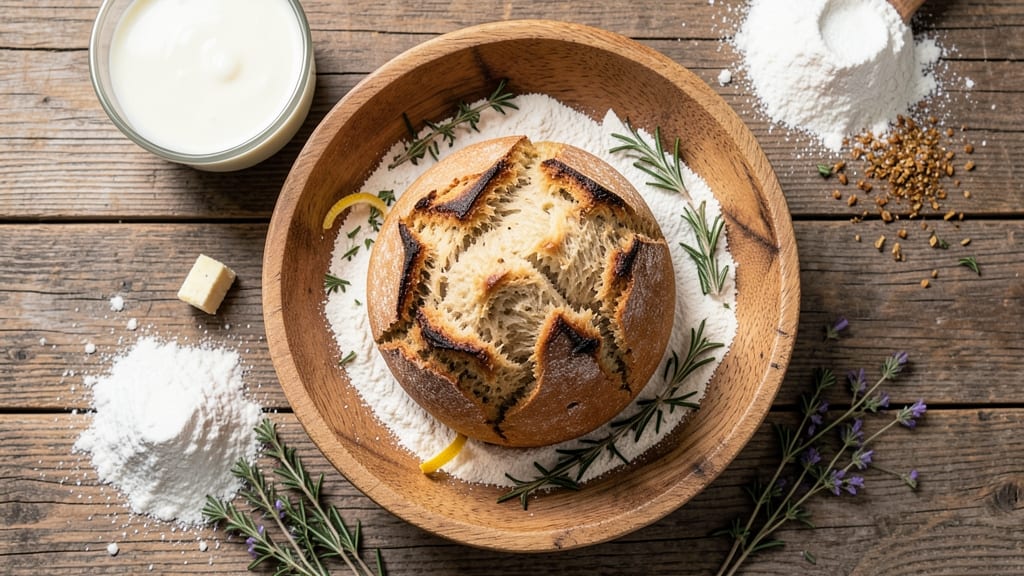
This amazingly easy Irish soda bread recipe delivers rustic charm with minimal effort—just 10 minutes of prep and a no-knead method that preserves tradition while cutting out the fuss.
The secret lies in its simplicity: no yeast, no waiting, and no complicated techniques—just flour, buttermilk, and a touch of baking soda for that signature rise. I developed this version after years of baking soda bread, streamlining the process without sacrificing texture or flavor.
The beauty of Irish soda bread is its versatility—whether you stick to the classic buttery crust or add seeds, herbs, or even a hint of sweetness, it adapts effortlessly to your taste.
The crust stays crisp and golden while the interior remains tender and slightly crumbly, a texture that’s both comforting and satisfying. What makes this recipe truly foolproof is the no-knead approach, which eliminates the need for a stand mixer or even much elbow grease.
By the time it’s done, you’ll have a loaf that smells like nostalgia and tastes like home—warm, fragrant, and perfect for pairing with soups, butter, or jam. The best part? It’s ready in under an hour, making it ideal for busy weeknights or weekend baking.
Whether you’re serving it at a gathering or simply enjoying a slice with tea, this bread is a testament to how simple, traditional recipes can still feel special.
For those who love customization, try adding raisins, currants, or even a sprinkle of flaky salt on top before baking. The possibilities are endless, but the foundation remains the same: easy, quick, and undeniably delicious. Let’s get baking!
Ingredients for amazingly easy irish soda bread
Just twelve ingredients transform into rustic Irish soda bread with crisp crust and tender crumb.
| Ingredient | Amount | Notes |
|---|---|---|
| All-Purpose Flour 🌾 | 4 cups | Unbleached preferred for lighter texture |
| Buttermilk 🥛 | 1 ½ cups | Full-fat for best flavor (or vegan alternative) |
| Baking Soda 🧂 | 1 tsp | Pure, non-aluminum preferred |
| Salt 🧂 | 1 tsp | Diamond Crystal kosher preferred |
| Granulated Sugar 🍚 | ¼ cup | Light brown sugar for caramel notes |
| Unsalted Butter 🧈 | ½ cup | Cold, cubed for crust (European-style preferred) |
| Active Dry Yeast 🍞 | ¼ tsp | Optional for slight rise (omit for purist version) |
| Fresh Rosemary 🌿 | 1 tbsp | Finely chopped, or 1 tsp dried |
| Fresh Thyme 🌿 | 1 tbsp | Leaves only, finely chopped |
| Flaky Sea Salt 🧂 | 1 tbsp | For topping (Maldon preferred) |
| Cornmeal or Semolina 🌾 | ¼ cup | For dusting baking sheet |
| Raisins or Currants 🍇 | ½ cup | Optional, chopped if large |
Flour quality matters here—King Arthur or Gold Medal are my go-tos, but any all-purpose works. The buttermilk should be slightly thickened (shake the carton—if it doesn't separate easily, it's perfect). For the herbs, fresh is best, but dried thyme at one-third the amount works in a pinch. Skip the yeast if you want the classic soda bread experience, but adding it gives a slightly lighter texture. The European-style butter has more fat, which makes the crust extra crisp—worth the splurge if you're making this often. If you're adding raisins or currants, soak them in warm water for 10 minutes first to plump them up.
No buttermilk? Mix 1.5 tbsp lemon juice or vinegar with enough milk to make 1.5 cups. Short on fresh herbs? Dried works at one-third the amount, but toast them lightly first for better flavor. Want more sweetness? Swap the granulated sugar for light brown sugar or add a touch of honey (though this is vegetarian, not vegan). The flaky sea salt is non-negotiable for that final touch—Maldon or Jacobsen are the gold standards, but any flaky salt works. If you're feeling adventurous, try adding poppy seeds or sunflower seeds for extra crunch.
This dough keeps for 24 hours in the fridge, covered, if you want to let the flavors meld overnight. For the crust, don't overwork the butter—just press it into the dough until it's evenly distributed. The bread is best served warm, so bake it just before serving if possible. It freezes beautifully for up to 3 months—wrap it tightly in foil and thaw at room temperature. Leftovers? Toast them for a crispy, buttery treat that's even better the next day.
Why You'll Love This Recipe
- No Mixer Needed: Mixing this dough is just flour, buttermilk, and a quick stir—no kneading, no fuss. I swear, I’ve made it while chatting on the phone (and still got a loaf that doesn’t crumble like my last attempt).
- Tangy-Sweet Magic: That buttermilk tang with just a touch of sugar? It’s the perfect balance—crisp crust, soft interior, and a hint of warmth. Honestly, I reach for this over store-bought bread every time.
- Weeknight Hero: Toss it in the oven while you prep dinner—no waiting around. Slice it fresh for toast, save slices for sandwiches, or freeze extras. My go-to for lazy mornings or last-minute guests.
- Pantry Staple: Flour, buttermilk, baking soda—ingredients you already have. Costs pennies to make, but tastes like you spent hours baking. (Between us, it’s my secret for looking like a baking pro without the effort.)
Step-by-step instructions for Irish soda bread
Here's the method that delivers that iconic rustic texture and buttery crust every time—no experience needed.
Mix the Wet Ingredients
In a large mixing bowl, combine the 1.5 cups buttermilk, 0.25 cup granulated sugar, 0.25 tsp active dry yeast (if using), 1 tbsp finely chopped fresh rosemary, and 1 tbsp finely chopped fresh thyme. Let this mixture sit for 5 minutes while you prepare the dry ingredients. The yeast will begin activating, creating tiny bubbles that help develop the bread's signature texture. If you're omitting the yeast for a purist version, skip this waiting step entirely.
While the wet ingredients rest, cut the 0.5 cup unsalted butter into small cubes and let them sit at room temperature for 5 minutes to soften slightly. This makes it easier to incorporate without overworking the dough later. The butter will create pockets of richness throughout the bread, giving it that irresistible buttery flavor and tender crumb.
Combine Dry Ingredients
In a separate bowl, whisk together the 4 cups all-purpose flour, 1 tsp baking soda, and 1 tsp salt. I like to use a whisk for this step to ensure the baking soda and salt are evenly distributed throughout the flour. This prevents any pockets of undissolved baking soda, which could make certain bites taste bitter. Sift the mixture lightly if you have a sifter—this aerates the flour and helps create a lighter texture.
Add the 0.5 cup raisins or currants (if using) to the dry ingredients and toss gently to coat them in flour. This prevents them from sinking to the bottom of the bread during baking. If your raisins are large, chop them roughly into smaller pieces so they distribute evenly throughout the dough.
Form the Dough and Shape
Pour the wet ingredients into the dry ingredients and stir gently with a wooden spoon or rubber spatula until just combined. You'll notice the dough will be shaggy and sticky—this is normal. Avoid overmixing, as this can develop gluten and make the bread dense. The dough should come together into a rough, cohesive mass that clumps slightly when pressed.
Turn the dough onto a lightly floured surface and gently shape it into a round loaf about 8 inches in diameter. I like to use wet hands for this step to prevent sticking, but don't add too much flour or the crust will become tough. The dough should feel slightly tacky but hold its shape when pressed gently. If it feels too sticky, wet your hands slightly and continue shaping.
Prepare for Baking
Preheat your oven to 375°F. Line a baking sheet with parchment paper and lightly dust it with 0.25 cup cornmeal or semolina. This creates a barrier that prevents the bread from sticking and adds a subtle crunch to the bottom crust. Place the shaped dough on the prepared baking sheet and make a deep cross-shaped slit on top using a sharp knife. This allows the bread to expand evenly and creates that classic Irish soda bread pattern.
Brush the top of the dough lightly with cold water using a pastry brush. This helps the crust brown beautifully during baking. Sprinkle the 1 tbsp flaky sea salt evenly over the top of the dough, focusing on the edges and the cross slit. The salt will melt slightly during baking, creating those signature salty crust flecks that add depth of flavor.
Bake to Golden Perfection
Bake the bread for 45-50 minutes until it's deep golden brown and sounds hollow when tapped on the bottom. The internal temperature should reach 190-200°F when measured with an instant-read thermometer. Don't be tempted to peek into the oven during baking—each time you open the door, you let out heat and steam, which can affect the crust development.
When the bread is done, transfer it to a wire rack to cool completely before slicing. This resting period allows the internal structure to set, making it easier to slice cleanly. The bread will continue to develop its flavor as it cools, so resist the urge to cut into it immediately. Serve warm with butter or clotted cream for the ultimate Irish experience.
Pro Tips For Making Amazingly Easy Irish Soda Bread
- STIR JUST UNTIL COMBINED: Mixing soda bread dough feels like a race, but overworking it turns it dense. Stir the wet ingredients into the flour with a wooden spoon until barely combined—lumps are fine, but don’t fight them past 20 seconds. The dough’s rustic texture comes from its roughness, not smoothness.
- USE COLD BUTTERMILK: I learned this the hard way—room-temperature buttermilk makes the dough too soft to handle. Grab that carton straight from the fridge, measure it, and let it sit for exactly 10 minutes before mixing. Cold buttermilk keeps the dough firm enough to shape without sticking to your hands.
- SKIP THE OVEN RACK: The top of your oven isn’t always the hottest spot, and soda bread rises fast. Place the loaf directly on the middle rack, not a rack at all—this guarantees even heat and a crisp crust. (Yes, even if it looks weird—your bread will thank you.)
- TEST DONENESS WITH THE BACK OF YOUR HAND: Tapping the bottom doesn’t always work—soda bread’s dense crust can fool you. Press the side lightly with the back of your hand (it’s less sensitive than fingertips). If it springs back, it’s done. If not, give it 2–3 more minutes. No thermometer needed.
Best sauces and condiments for this recipe
Classic Irish Butter
Nothing enhances Irish soda bread like a generous spread of cold, unsalted European-style butter—I mean the kind that melts slowly and coats every bite with rich, creamy flavor.
For that authentic touch, try Plugrá Irish Butter, which has a higher fat content than American brands, giving it that signature buttery punch. Warm the bread slightly before serving to let the butter melt into the crumb for maximum indulgence. 🧈
Clotted Cream
This ultra-thick, golden cream is a staple in Ireland and pairs beautifully with soda bread. A dollop of Devonshire clotted cream (like Cornish Clotted Cream) adds a luxurious, velvety texture that contrasts perfectly with the bread's crisp crust.
For a lighter option, use whipped heavy cream—just be sure to chill it first so it stays stable. Spread a thin layer and watch it disappear!
Honey or Golden Syrup
For a touch of sweetness, drizzle Irish honey (like Connemara Heather Honey) or golden syrup over warm slices. The honey's floral notes complement the bread's buttery richness, while golden syrup adds a caramelized depth.
I like to mix a little sea salt into the honey for a sweet-salty balance that’s irresistible. 🍯
Whiskey Caramel Sauce
Elevate your soda bread with a quick whiskey caramel sauce made by simmering ½ cup brown sugar, 2 tbsp butter, 2 tbsp heavy cream, and 1 tbsp Irish whiskey (like Jameson) until glossy.
Drizzle over warm slices for a boozy, indulgent twist that’s perfect for dessert or breakfast. This sauce also works as a glaze before baking for extra shine and flavor.
Herb-Infused Olive Oil
For a lighter, savory option, infuse extra-virgin olive oil with fresh rosemary and thyme (the same herbs used in the bread). Heat the oil gently with the herbs for 5 minutes, then strain and drizzle over warm slices.
The aromatic herbs echo the bread’s flavors, creating a cohesive, savory experience. I love this with a sprinkle of flaky salt for a Mediterranean-inspired touch.
Cheese Pairings
If you’re serving soda bread with cheese, go for something sharp and creamy like Irish Cheddar (such as Young Irish Cheddar) or Stilton for a bold contrast. The bread’s buttery crust softens the cheese, while its slight tang cuts through the richness.
For a vegetarian twist, try vegan Irish-style cheese—brands like Violife make excellent alternatives that melt beautifully.
Nutrition facts
Frequently asked questions
Why does Irish soda bread need baking soda but no yeast?
Traditional Irish soda bread relies on baking soda for rise rather than yeast, creating a quick, dense loaf with a tender crumb. The baking soda reacts with the buttermilk's acidity, producing carbon dioxide bubbles that lift the dough. This method eliminates the need for waiting time, making it perfect for 10-minute prep and 45-minute bake schedules. Plus, it keeps the bread's rustic, slightly dense texture that's beloved in Ireland.
Can I make this recipe without buttermilk?
Mix 1.5 tbsp lemon juice or white vinegar with enough milk (dairy or plant-based) to make 1.5 cups total. Let it sit for 5 minutes until slightly thickened. This mimics buttermilk's acidity, which activates the baking soda for proper rise. For a vegan version, use unsweetened almond or oat milk.
What's the deal with the cross on top?
The iconic cross isn't just decorative—it serves two purposes! First, it allows the bread to expand evenly during baking. Second, it's a nod to Irish tradition, symbolizing protection (often made with a sharp knife or razor). For best results, make the cross deep enough to reach halfway through the dough. Pro tip: Brush the edges with cold water before baking for extra crispness.
Why does my soda bread turn out dense?
Overmixing the dough is the #1 culprit—it develops too much gluten, making the bread tough. Stir just until combined (the dough should be shaggy). Another common issue is underbaking—the internal temp should reach 190-200°F. For extra lightness, try adding ½ tsp baking powder alongside the baking soda, or let the dough rest 10 minutes before shaping to relax the gluten.
How can I make this bread sweeter or savory?
For sweetness, swap ½ cup granulated sugar for brown sugar or add ½ cup raisins/currants. For savory, boost the herbs to 2 tbsp each rosemary/thyme and sprinkle 1 tbsp flaky salt on top. Try adding 1 tbsp smoked paprika or garlic powder to the dry ingredients for depth. The buttermilk's tang balances both sweet and savory flavors beautifully.